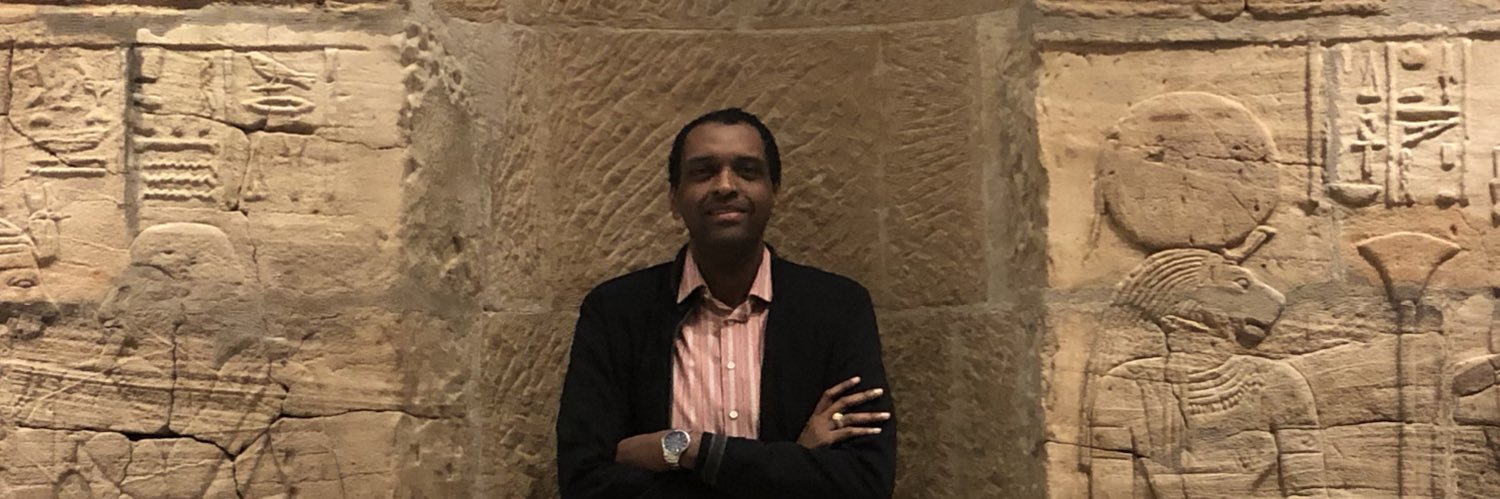
I attended a lecture this evening by Francesca Albanese (@FranceskAlbs), the U.N. Special Rapporteur on the occupied territories, at Princeton University. Francesca is as brilliant and articulate as she is courageous in documenting and denouncing the apartheid state of Israel and the genocide carried out against the Palestinians.
Also, it was a pleasure seeing @AbbyMartin at the event!
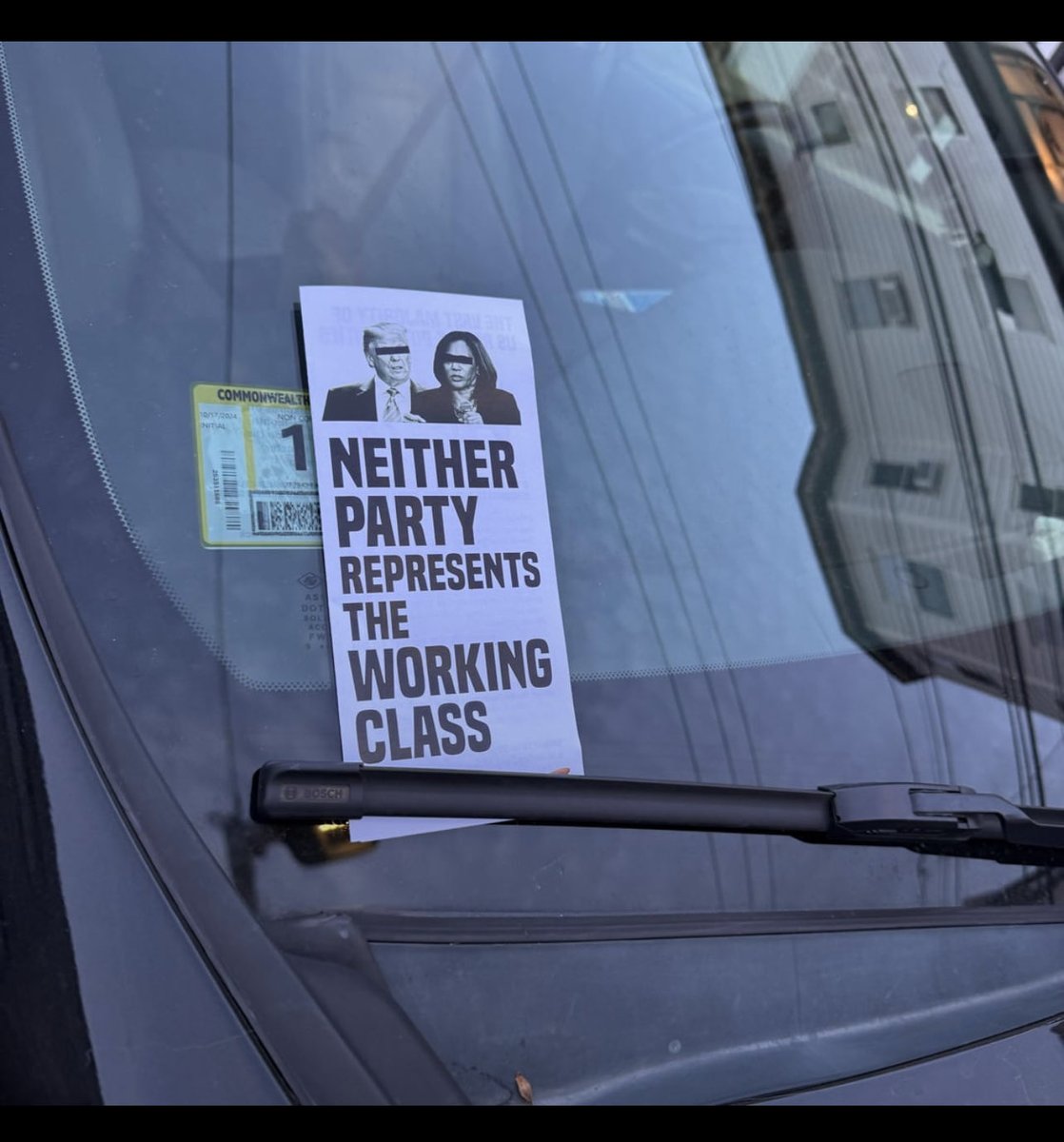
The US Presidential #Debate is a metaphor for the deep corruption & dysfunction of the American system. 4 of the worst people in the country on the stage at the same time. 2 ruthless war criminals as debaters, 2 shameless genocide propagandists as moderators, and the American people locked out of the discussion.
#Debates2024 #DebateNight
@Kathleen_Tyson_@alon_mizrahi More bonus: Moses “Moi-sha” comes from Moi which means water and-sha which means tree referring to him being found by Pharaoh’s wife in a shrub along the river Nile.
Today, after the ICJ ruling, I find myself a little bit less disgusted with modern institutions and more hopeful for a trend towards greater justice, fairness, & morals in the face of lobbies, pressure groups, and propaganda outfits.
A warm thank you, South Africa.
The life of (my) life, soul of my soul
I have been calling my daughter what translates from Hebrew as "the life of life" or "love of love" for some years now; this is a modern, Israeli take of an Arabic use of language.
I grew up in a very Zionist place and time. But I was lucky enough to grow among Mizrahi, Arab Jews; both my father and my beloved uncle spoke Arabic as their first language, and the two, childhood friends, marries two sisters, my mom ant aunt, born in Morocco to Jewish parents.
Arab music was part of the soundtrack of my childhood, and from a young age I knew the names and would recognize the voices of legends such as Farid al-Atrash, Abdel Halim Hafez, Warda, Umm Kulthum, Fairuz and others. My father would also take me with him to work occacionally (he was am aluminum worker in construction), and his teammate Isaa, an Arab from Nazareth, was almost a family friend. We all knew him, and loved and welcomed him whoever we would meet.
I never forgot how one cold winter morning, when I tagged along with my father on a work day, Issa's wife made us coffee and tea, accompanied by sweet, delicious sugar powder-covered cookies, as they wouldn't let us just pick Issa up and go (I certainly can't speak for all Arabs homes but I know enough to say with confidence that you don't just pass through an Arab home: you sit and have coffee and eat something and have some small talk. Arabs Jews are also similar in that regard).
Like many second and 3rd generation Mizrahi Jews, I can't speak Arabic, but I pick up quite a lot of it, and the musicality of the language always sounds a little like home to me.
fortunate to have been exposed to Arabs, Jews and just Arabs, from a young age, I was never intimidated by anything Arab. On the contrary: I grew immensely fond of the gentleness, the warmth of heart, the humor, the special sweetness of an Arab street, store or home.
In later years, I was lamenting the forced disconnect between me and my Arab roots created by Israel's paranoid mentality. Like many other Arab Jews of my generation I was not an Arab anymore, but not really an Israeli as well to this day I am not sure what being Israeli means, really, apart from a negation of Jewish experiences and denial of current realities).
Israeli, just like American or English, connotes whiteness. And white we Mizrahi Jews are not, nor will we ever be.
Unlike many Mizrahi Jews, I refused to become an empty shell, filled only with the ideological content of the state: A de-Arabized Arab Jew. That I wouldn't be. I chose to be free instead.
-
When I heard of the way Nur's grandfather, Khaled, called her, and how similar it was to the way I call my daughter, and when I see the suffering, wounds, burns, pain and death of Gaza's children, the memory and consciousness of me and my roots, both known and simply genetic, springs to life immediately, undeniable and bare. These kids are not foreign or alien to me. They are me and mine, too. I feel their pain and fear, I understand the terms of endearment and the farewells of their grief-stricken parents, even as I really understand but a few words here and there. My soul understands Arabic is the way I'd put it.
Zionism's message of fear, hate and suspicion towards Arabs and Palestinians is totally and forever lost on me, and I consider it a personal triumph. I will never hate Arab people.
And I ache the terrible dehumanization of Arab people, societies and communities that have so much beauty, gentleness and love in them. The world will know the truth. I am sure of that, and I will do whatever I can to help bring this day about, which is why I write this.
(and that's me and my daughter)
A well-known doctor, Abdul Moneim Banga Abdel Hafeez, was reportedly shot dead on Thursday by elements of the Sudanese army in Omdurman. The incident reportedly took place after the army regained control of several residential neighbourhoods in Khartoum's twin city.
https://t.co/rVNYGMF2wq
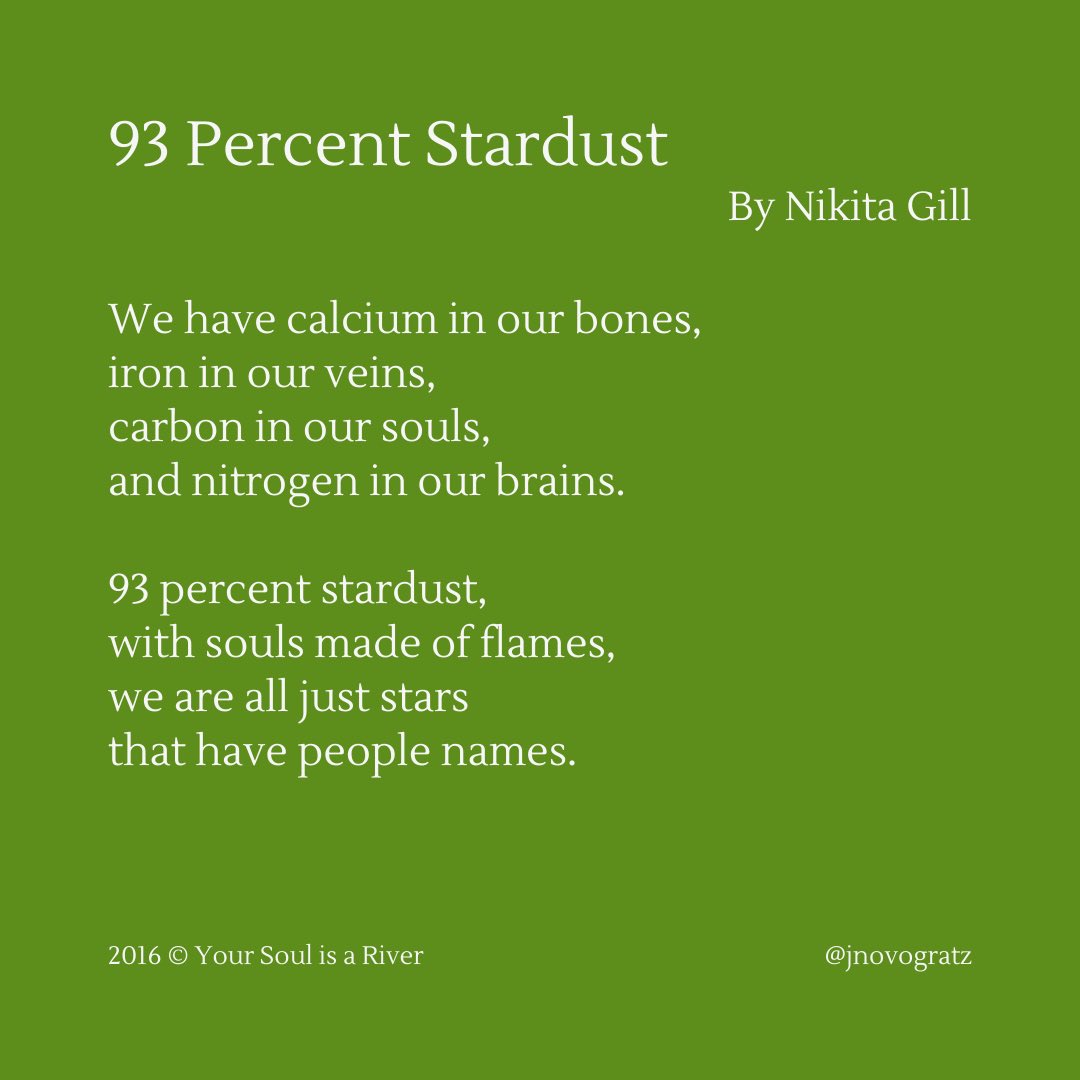
Thich Nhat Hanh, the Vietnamese Buddhist monk, wrote of our “interbeing”, the idea that we are connected to every human and every living thing. We breath the same air. We share DNA. Our actions toward each other and the earth impact people we may never meet. Over this winter break, my husband and I spent one late evening looking at the night sky, marveling at its vastness: more stars than grains of sand… We are tiny and we are infinite and we are made of stars.
We need to end tax abuse by multinationals and the wealthy. In tomorrow's vote at the UN we call on the European Union and the US to say yes to a @UN tax convention. Our open letter on @ProSyn https://t.co/DkXWdimAaS @icrict
A new scholarship for Sudanese postgrad students at the University of Cambridge for 2024 entry. https://t.co/HgHozCQiLk
Apply to courses here: https://t.co/YNmYf3HVl9
Please share!
#KeepEyesOnSudan 🇸🇩
“Between stimulus and response, there is a space. In that space lies our freedom and our power to choose our response. In our response lies our growth and our happiness.” -Viktor Frankl
Permit me to channel Gandhi: “You must be the change you want to see in the world.” “As human beings, our greatness lies not so much in being able to remake the world – that is the myth of the atomic age – as in being able to remake ourselves.” We must change ourselves first!