In hindsight it's obvious that the fastest path to solving Millennium Prize Problems was to play lots of video games in order for GPUs to improve, so that ML could develop and language models could get trained. Gamers, thank you for your valuable contribution to mathematics!
https://t.co/wd5L3IE5Sw
The summit has been reached. The beast has been vanquished. Riemann Hypothesis has fallen. Congrats to Anthropic and @__alpoge__
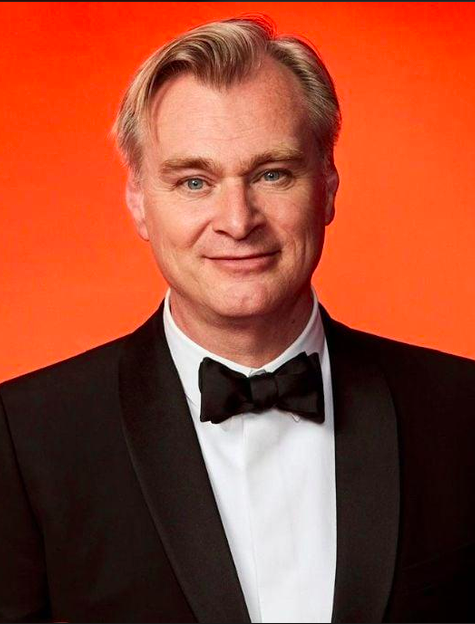
Christopher Nolan is reportedly set to collaborate with Brandon Sanderson on a film trilogy adapting the ‘MISTBORN’ novels.
The project is still in the early stages of discussion, with a potential release window in early 2029.
JOE ROGAN: The computing power on your phone today. can you beat your phone at the highest level?
MAGNUS CARLSEN: No. No chance.
JOE ROGAN: That’s crazy. Wasn’t Deep Blue basically a whole stack of computers? And your phone is probably more powerful than that today.
MAGNUS CARLSEN: It’s shocking. I have no chance against my phone.
JOE ROGAN: So how do you even play against computers?
MAGNUS CARLSEN: I rarely play against engines because they just make me feel stupid and useless. I think of them more as a tool.
JOE ROGAN: But have computers actually changed how you understand chess?
MAGNUS CARLSEN: Absolutely. Neural networks have improved our understanding of the game immensely.
JOE ROGAN: What did you learn from them that humans weren’t already doing?
MAGNUS CARLSEN: One big thing was long-term king safety. Humans used to push pawns mainly as an attacking tool. But the engines showed that you could push a pawn and create a weakness 20 or 30 moves later that would make the opponent’s king less safe.
JOE ROGAN: So the computer basically showed you ideas that humans weren’t seeing.
MAGNUS CARLSEN: Exactly. There was a period where you could clearly see which players were using these new neural-network ideas and which weren’t.
JOE ROGAN: And you were one of the guys who figured it out early?
MAGNUS CARLSEN: Yeah. My coach got into it very quickly, and we gained an advantage over almost everybody.
JOE ROGAN: That’s insane. The machines aren’t just better at calculating, they’re actually teaching the best players how to think differently.
MAGNUS CARLSEN: That’s probably the biggest impact they’ve had on chess.
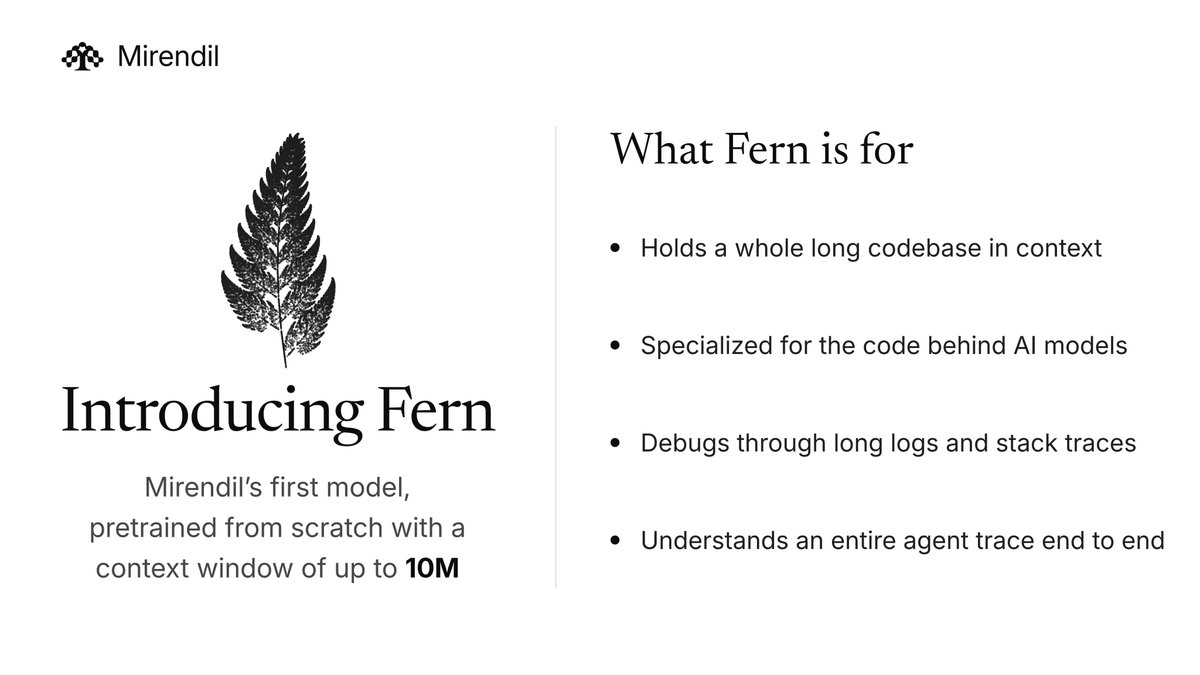
Introducing Fern, Mirendil’s first model: pretrained from scratch, with up to 10M tokens of context!
That’s ~0.5M lines of code (roughly Megatron-LM scale) or days of an agent’s work, all in context at once.
Its first version, Fern 0.1, had a short round of post-training 🚢
💥 Introducing Warp Sciences, a new company applying AI and robotics to help the world develop new medicines faster.
We’ve raised a $215M Series A led by @lightspeedvp to bring frontier AI out of the browser and into the lab, and build scientific capacity here in America.
I co-founded Warp with my long-time friend @dpatil, FAIR co-founder @manohar_paluri, and drug hunter Sol Reisberg. The early team is full of incredible people like @bkspears9, who helped achieve Q>1 fusion at LLNL.
In January 2025 my mom’s lung cancer spread to her brain. The drug with the best chance of helping her was approved in China but not here.
A doctor told me, almost as an aside, that if she were Chinese she could buy it at a pharmacy.
So I flew to Shanghai and came home with 26 boxes in my luggage. That was 19 months ago. My mom is still here, still working, and in her words has had an amazing three years.
The drug was approved in China in 2023. The FDA approved it in July 2025. It still is not for sale here. I know of at least 30 Americans who have made the same trip.
I have been scared to tell this story because I worried it could cost my mom access to the medicine keeping her alive. But the problem matters more than my silence. These drugs need to be developed and available here, and that means FDA reform.
Art Allen at KFF Health News told our story this week. It also ran in The Washington Post.
https://t.co/tHKV3L004L
There are many great founders and a lot of occasions to go Founder Mode.
But Founder Mode when you or a loved one health is under serious jeopardy is just different.
I have a story to tell here, but that has to wait for a better occasion and a much longer post.
People who cured / are curing their own cancer on X:
1/ @sytses - bone cancer, billionaire founder of Gitlab, developed 10+ personalized therapies for himself.
2/ @paul_conyngham - shrank his dog Rosie's mast cell cancer tumors after chemo and surgery weren't enough. Now backed by YC and Founders Fund
3/ @miriamgonp - stage 4 breast cancer, tumor sequenced, searching for vaccine manufacturer now
4/ @kevinace - stage 4 lung cancer, angel investor in 300+ companies, first drug stopped working after 18 months. Vaccine designed, now paying $300k out of pocket for the vaccine
5/ @masonbgrant: going founder mode on his his 32-year-old wife's rare liver cancer, sequencing her tumor with AI agents
6/ @ArunRLverma: former product leader at Atoms and Shopify, brain tumor, built a vaccine from his tumor. Now building an AI health agent startup based on what he went through
We're going to make it
GPT-Rosalind surfaced a new lead for drug discovery: could restoring cholesterol transport protect neurons from degeneration?
DCTN1 is a gene linked to Perry syndrome, a rare neurodegenerative disorder. In mouse-brain data, disrupting it increased expression of genes involved in making cholesterol. GPT-Rosalind suggested a possible explanation: cholesterol may not be reaching where neurons need it.
That gives scientists a specific mechanism to test and, if confirmed, a direction for developing new treatments for neurodegenerative disorders.
With @perturbai_tx and @scrippsresearch, a team of thousands of GPT-Rosalind agents worked in parallel, connecting gene-expression results from millions of mouse brain cells with scientific literature in just 32 minutes. We’re now expanding this collaboration to identify new drug targets.
https://t.co/oHdF3ELsMj
We formally announced Mirendil less than 4 months ago. Today, I'm excited to share an important milestone for:
Pretraining at scale without a pretraining team.
Mirendil's mission is to solve Recursive Self-Improvement (RSI) and use it to democratize frontier AI development, ultimately accelerating science and technology. At Mirendil, when we think about RSI, we think holistically about the company as an intelligent entity that self-improves toward its goal. From that perspective, the most powerful notion of acceleration is reducing the time and resources (number of human experts, compute, and other costs) needed to achieve ambitious goals.
Given that pretraining is perhaps the most important yet most challenging part of frontier AI development, we decided to run an ambitious controlled experiment: Starting fully from scratch, can we significantly reduce the time, number of human experts, and compute resources needed to go all the way to successfully pretraining a strong coding model at scale?
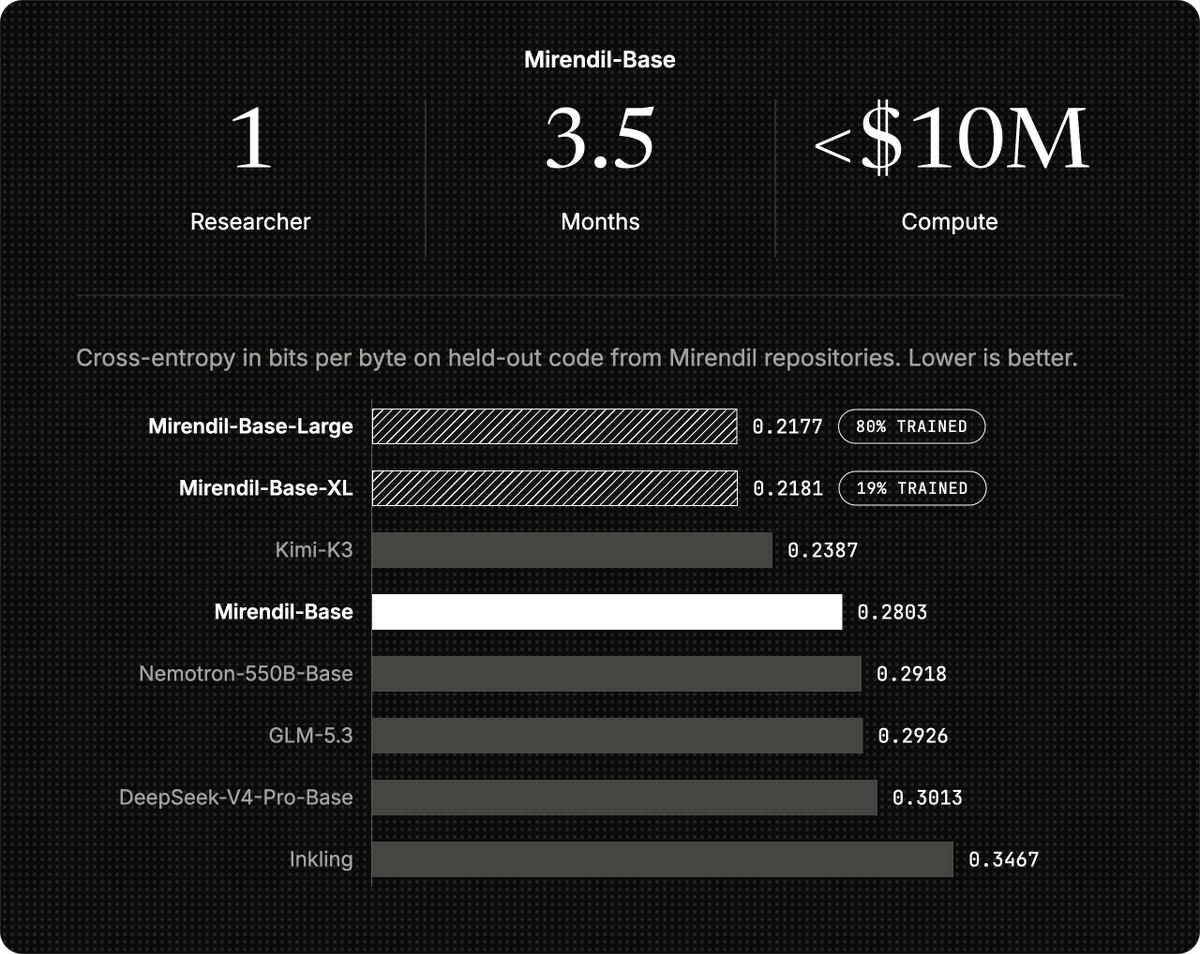
Mirendil-Base is the result of this experiment. Our first pretrained model was built by one researcher in 3.5 months, with less than $10M in compute. This includes all the research and small-scale experiments it took to get there, as well as the final training run.
The recipe holds up as the models get bigger. For reference, Mirendil-Base is in the 100B-500B parameter range, Mirendil-Base-Large in the 500B-2T range, and Mirendil-Base-XL in the 2T-10T range.
We're beginning to see a world where a single researcher, empowered by AI, can take on work that once required an entire research organization. As these systems improve, the bottleneck shifts from the size of a team to the ambition and judgment of the people directing them. This has profound implications for who gets to build AI and, ultimately, who gets to push the frontiers of science and technology forward.
We’ll share independent evaluations, post-training benchmarks and API-access sooner than you think so stay tuned!
Cancer patients with the same diagnosis often have very different tumor biology.
Molecular testing can reveal underlying differences, but that's slow and expensive.
Introducing Holon-S1, our platform to predict genes and biomarkers from routine pathology slides.
• beats two other models at predicting spatial gene activity in a controlled comparison
• has identified potentially novel biomarkers in breast cancer and colon cancer
• evaluated across 16 organ types and more than 15 scanners, using slides from both formalin-fixed, paraffin-embedded and fresh-frozen tissue.
We believe Holon-S1 has the potential to help researchers find new biomarkers in slides they already have, discover treatment targets, and bring more personalized cancer care within reach!
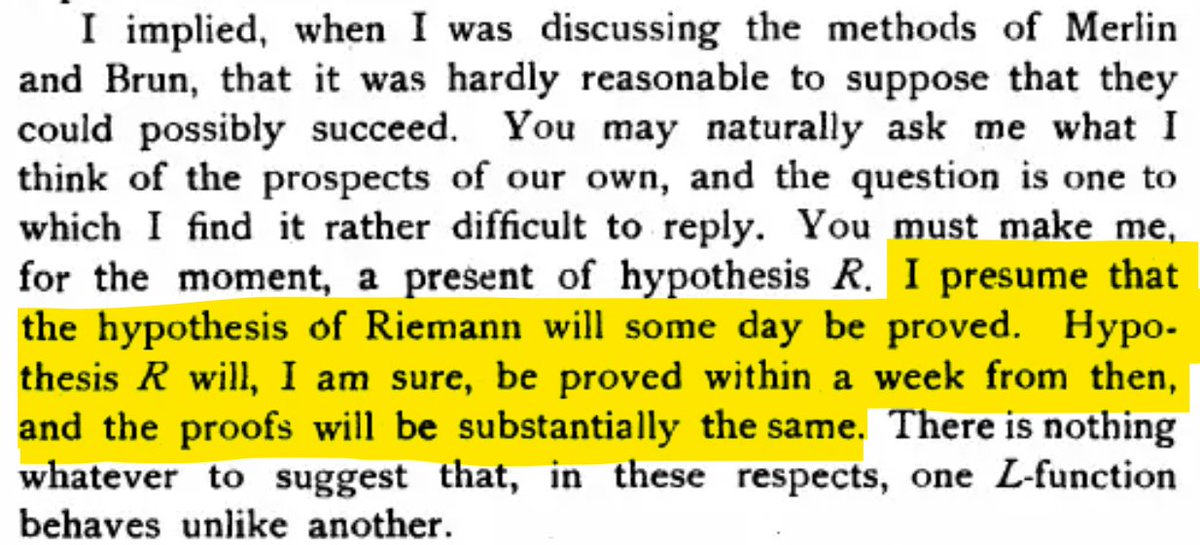
Experts have long conjectured that any proof of the Riemann Hypothesis would apply for all Dirichlet L-functions too.
Hardy wrote exactly that in 1921 (image below).
Interestingly, OpenAI's 7/8 quasi-Riemann hypothesis actually cannot prove the result for only zeta!
The family-wide formulation is essential to the argument. The argument proves the bound simultaneously for all finite-order Hecke L-functions over Q[sqrt(-3)], and it has to do that to work. The generality is part of the proof itself.
So Hardy was quite right on this conjecture he made more than 100 years ago.
@iteratedlog@AlexKontorovich@jdlichtman@KenOno691@wtgowers
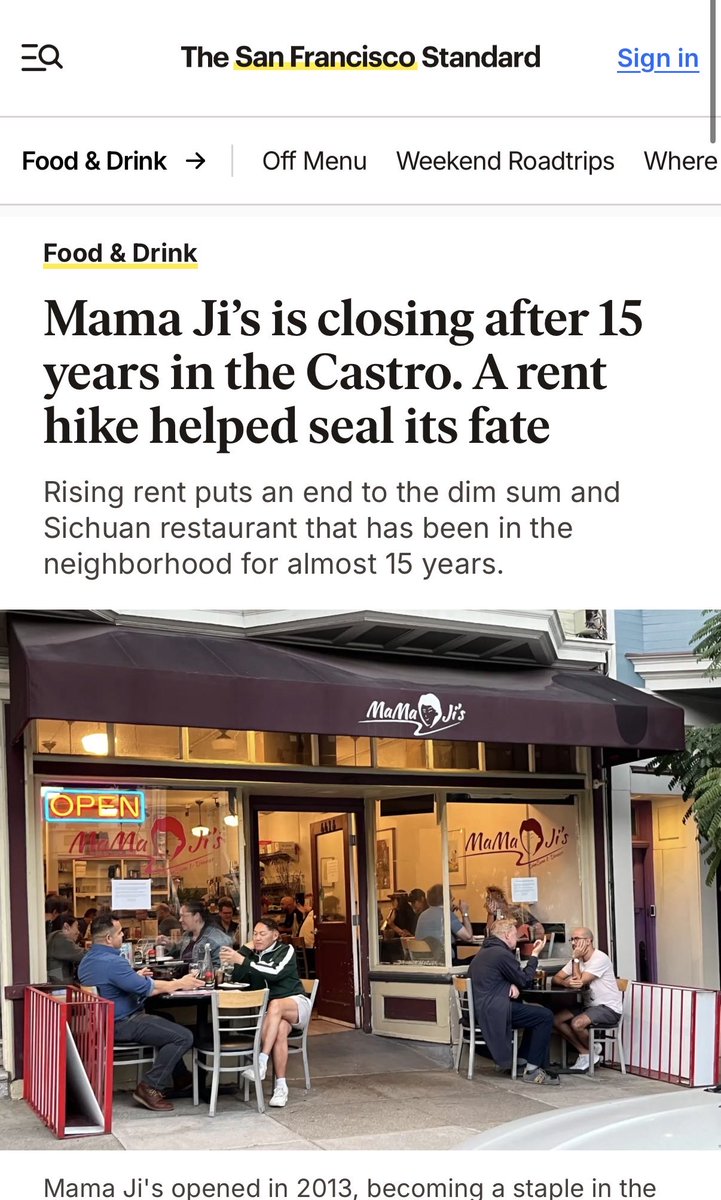
Another victim of AI boom in SF.
There will be so much collateral damage from the boom in SF in the coming years from rising prices.
Pacing the frontier seems more compelling by the day
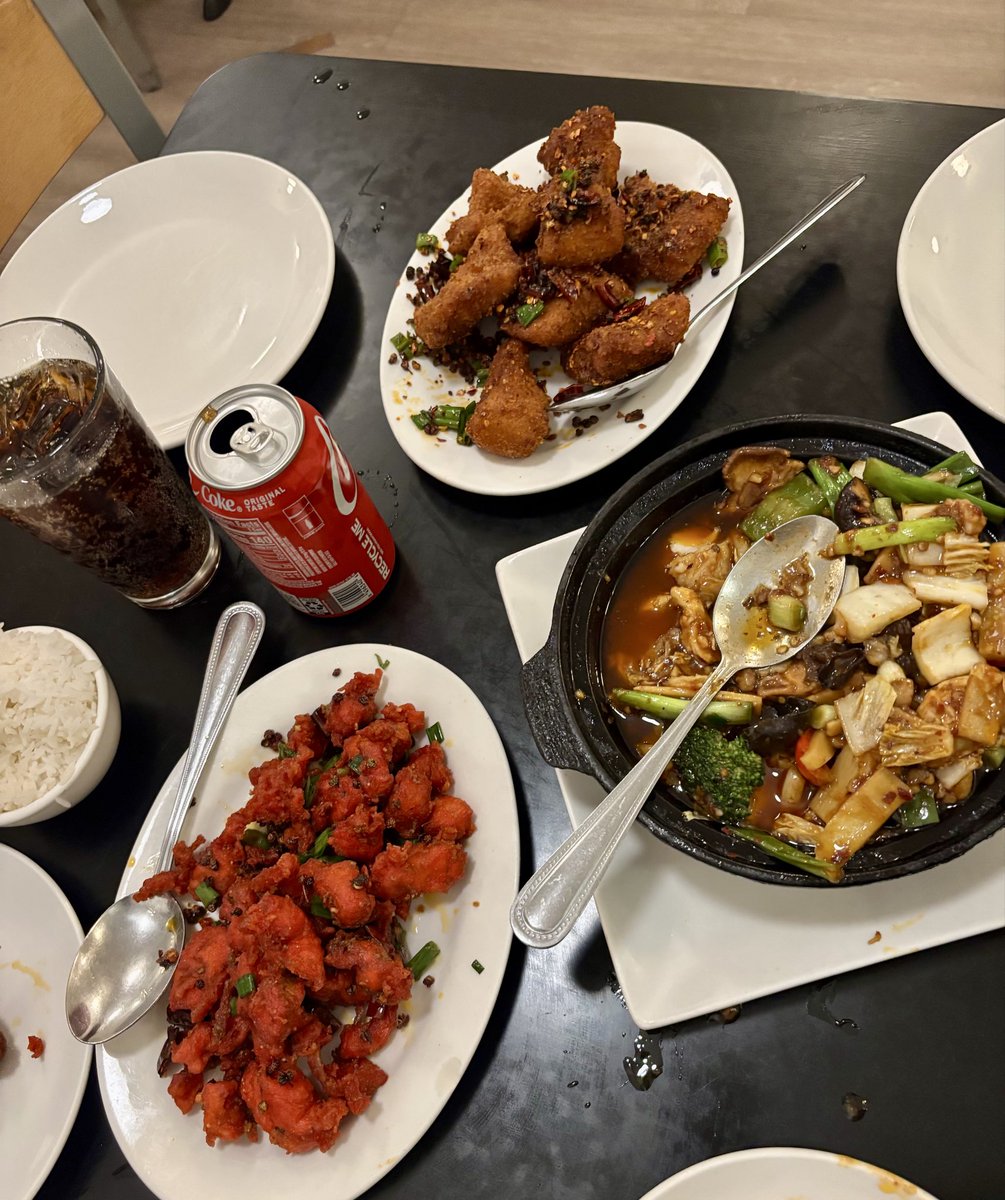
Mama Ji’s in the Castro of SF is closing after their landlords raised their rent by 3x. The most insane Triple C chicken and tofu dish will cease to exist after this month. Extremely saddened by this news, get your last fix before Oct 31st