Catheter thrombectomy in high-risk PE ⚡
Sanjum Sethi highlights FDA-approved devices, including FlowTriever, EKOS and Bashir Endovascular Catheter, and registry evidence supporting intervention in hemodynamically unstable patients.
#TIOCongress#PulmonaryEmbolism #InterventionalCardiology #CatheterThrombectomy
Stop calling it noise.
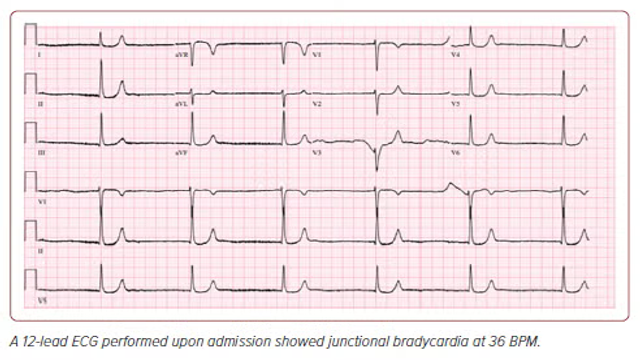
"Noise on the lead" is not a diagnosis. It's a differential. Fracture, breach, EMI, myopotentials, T-wave oversensing.
The strip here got flagged as noise. What sort of noise is it? Be specific.
#EPeeps#EGeMs#ICD
Pulmonic stenosis driven by RV pressure overload & remodeling; echo is cornerstone for diagnosis/grading; balloon valvuloplasty is 1st line for valve morphology
Common Clinical Scenarios in ACHD @T_GuptaMD@matthewcarazo@UCSDCardiology
https://t.co/713G7naeNJ #DeBakeyCVJournal
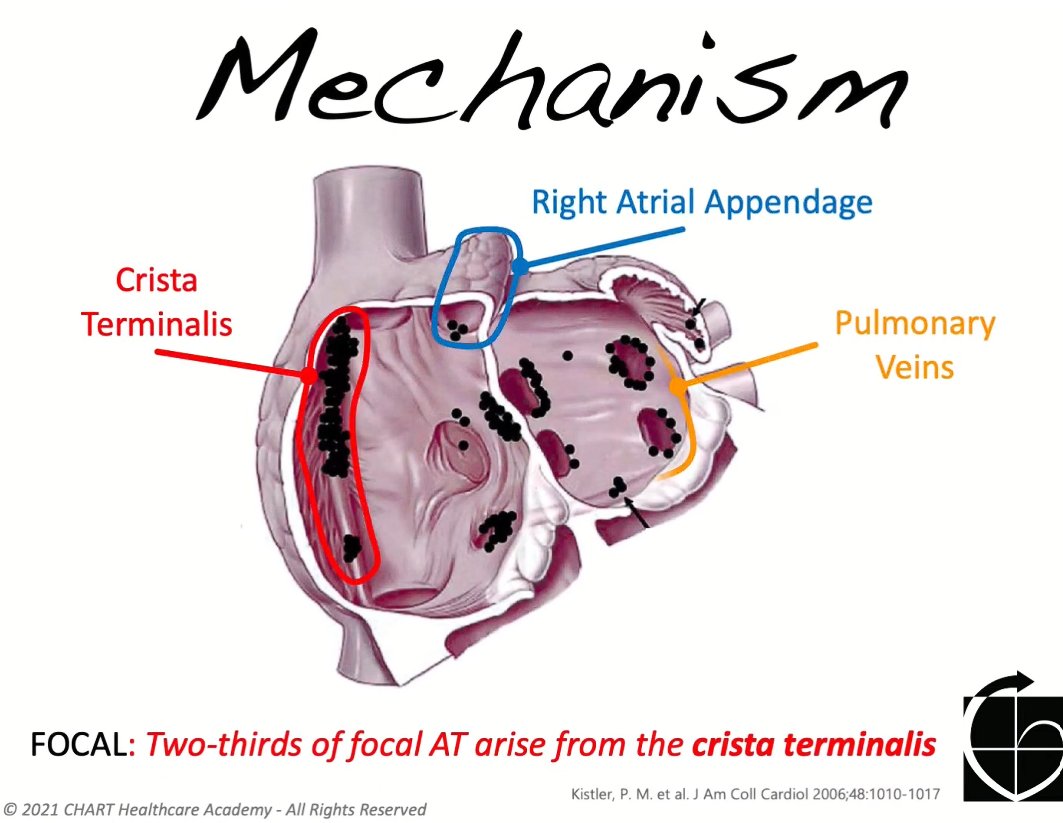
❤️ Tachycardia-Induced Cardiomyopathy (TIC)
The Heart Failure You Can Reverse—If You Recognize It Early
📚 Based on: Heart Failure Reviews, 2026
---
🔑 What is TIC?
Tachycardia-induced cardiomyopathy (TIC) is a potentially reversible cause of heart failure resulting from persistent or recurrent tachyarrhythmias. The broader concept, Arrhythmia-Induced Cardiomyopathy (AiCM), also includes myocardial dysfunction caused by frequent ectopy or ventricular dyssynchrony.
---
🚩 When Should You Suspect TIC?
✅ New-onset HFrEF with:
Persistent atrial fibrillation/flutter
Incessant SVT
Frequent PVCs
Ventricular tachycardia
Persistent sinus tachycardia
💡 Consider TIC when:
Sustained heart rate >110 bpm
High PVC burden
No obvious structural heart disease
LV dysfunction appears disproportionate to underlying disease
🧬 Why Does the Heart Fail?
Persistent tachyarrhythmia causes:
❤️ Neurohormonal activation
⚡ Impaired calcium handling
🔋 Myocardial energy depletion
🔥 Oxidative stress
🩸 Microvascular dysfunction
🧱 Adverse ventricular remodeling
🩺 Management Strategy
Step 1
Identify tachyarrhythmia as the potential cause.
Step 2
Treat heart failure with guideline-directed medical therapy (GDMT).
Step 3
Aggressively control the arrhythmia:
💊 Rate control
❤️ Rhythm control
⚡ Electrical cardioversion
🔥 Catheter ablation (when indicated)
Step 4
Reassess LV function after 1–6 months with echocardiography.
---
📈 Recovery Pattern
✅ Recovery of LV function strongly supports TIC/AiCM.
❌ Persistent LV dysfunction should prompt evaluation for:
Primary cardiomyopathy
Cardiac sarcoidosis
Cardiac amyloidosis
Other structural heart diseases
---
💎 Clinical Pearls
🔹 TIC is one of the few reversible causes of dilated cardiomyopathy.
🔹 Every patient with unexplained LV dysfunction deserves careful rhythm evaluation.
🔹 Catheter ablation may provide complete recovery in appropriately selected patients.
🔹 Even after normalization of EF, recurrence of tachyarrhythmia can rapidly precipitate recurrent heart failure.
🔹 Early diagnosis and timely rhythm control markedly improve long-term outcomes.
---
❓ CME INDIA MCQ
A 58-year-old man presents with newly diagnosed HFrEF (LVEF 30%) and persistent atrial fibrillation with a ventricular rate of 130/min. Coronary angiography is normal. Which finding would most strongly support tachycardia-induced cardiomyopathy?
A. Elevated troponin B. Recovery of LVEF after rhythm control C. Left ventricular hypertrophy D. Positive cardiac MRI for fibrosis
✅ Answer: B. Recovery of LVEF after rhythm control
---
🎯 Take-Home Message
Think rhythm before labeling a patient as having irreversible cardiomyopathy. Early recognition and aggressive treatment of tachyarrhythmias can convert heart failure from a progressive disease into a reversible one.
📚 Reference: Heart Failure Reviews. Tachycardia-induced cardiomyopathy: evolution of concepts, mechanisms, and management. 2026. Springer.
https://t.co/O3o1w6qy0o
🫀Aortic stenosis and coronary artery disease: which should be treated first?
In this article, @HenrykDreger reviews the evidence and practical considerations that guide treatment sequencing in patients undergoing #TAVI.
Read more:
https://t.co/nQfmx0yeIE
#PCI #StructuralHeart #InterventionalCardiology #CardioEd #CardioEducation
Married couples don’t need another dinner and Netflix date night.
You need something that makes you feel like people again, not just two tired roommates coordinating snacks, bedtime and the dishwasher.
Here are 40 date ideas for couples who want to actually reconnect:
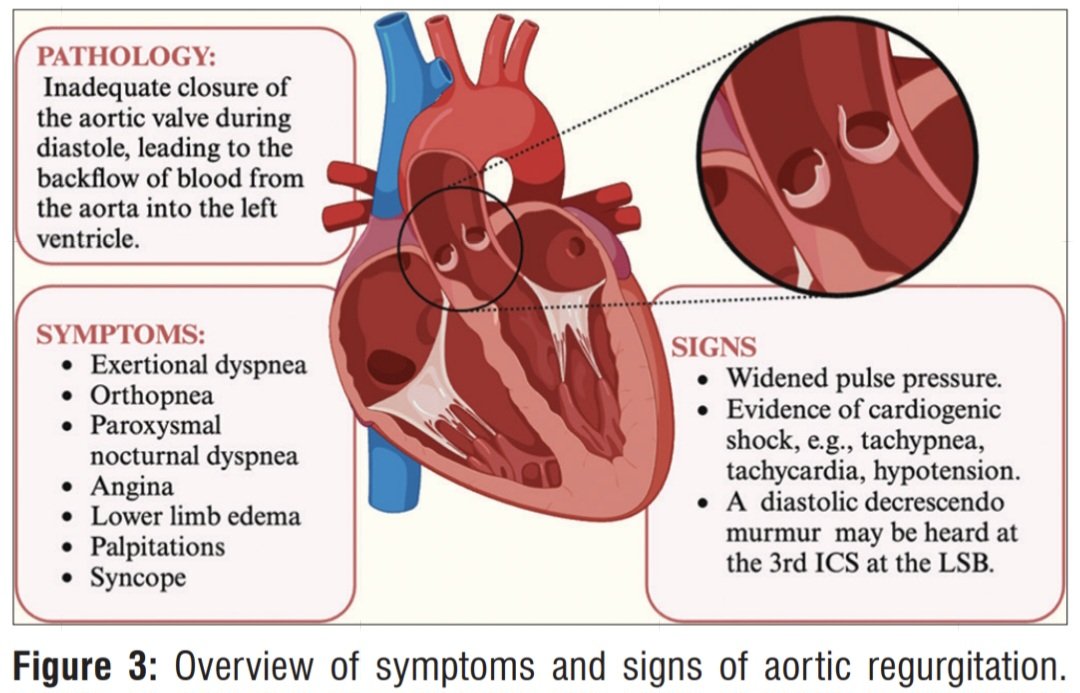
🟥Insuficiencia Aórtica, update 2026. 🫀💥
🩻El Eco♡ sigue siendo el estándar de oro, utilizando un enfoque multiparamétrico. Ningún parámetro aislado debe definir la gravedad. La RM cardíaca es el método de referencia para cuantificar volúmenes y fracción regurgitante cuando el ecocardiograma es inconcluso.
📊 Criterios ecocardiográficos de IAo grave:
✔️Vena contracta >6 mm.
✔️Volumen regurgitante ≥60 mL.
✔️Fracción regurgitante ≥50%.
✔️EROA ≥0.30 cm².
✔️Reversión holodiastólica del flujo en la aorta descendente.
⚠️La dilatación progresiva del VI y la 📉FEVI preceden al deterioro clínico. El strain (GLS) emerge como un marcador temprano de disfunción ventricular y podría ayudar a identificar pacientes candidatos a cirugía antes de cumplir los criterios clásicos.
🔪 El reemplazo valvular aórtico qx (SAVR) es el tratamiento de elección en la IAo severa sintomática o cuando existe disfunción/dilatación ventricular.
🧐🔎 En pacientes asintomáticos, la cirugía está indicada cuando: FEVI <50%, LVESD >50 mm o >25 mm/m². La evidencia reciente sugiere que una FEVI <60%, un volumen telesistólico indexado ≥45 mL/m² y un GLS alterado podrían identificar pacientes de mayor riesgo que se beneficiarían de una intervención más temprana. 🤔
📄🆓️⤵️
DOI:10.4103/ACCJ.ACCJ_4_26
https://t.co/XmKwHPYNzU
Slow flow and no reflow remain major unresolved challenges after PCI, particularly in STEMI.
Discover our State-of-the-Art review by @sbrugaletta et al exploring the mechanisms, diagnosis, and current treatment strategies
https://t.co/UaXeekKr5i
#STEMI#PCI#NoReflow #InterventionalCardiology
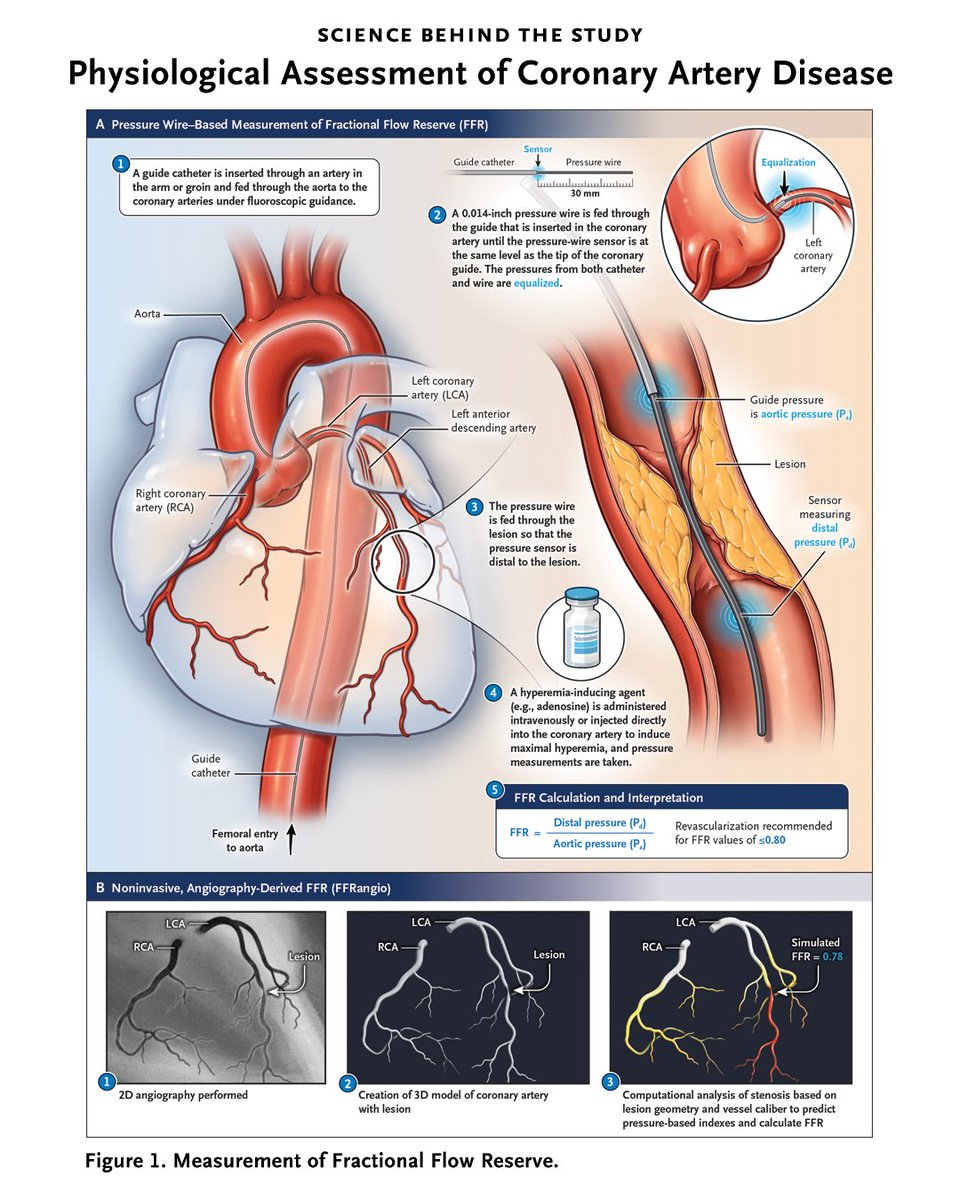
Amanda Randles, PhD, describes the scientific foundations of two trials comparing how noninvasive and invasive assessments of fractional flow reserve affect clinical outcomes.
Learn more about the science behind the study in the editorial “Physiological Assessment of Coronary Artery Disease”: https://t.co/t0qS5itiXq
APPLE WOULD RATHER SELL YOU A BIGGER MAC THAN TELL YOU ABOUT THIS.
Open your storage and you'll find a mystery category called "System Data" quietly eating 50, 80, sometimes 100GB+.
I cleared 41GB in 12 minutes without spending a cent.
Here are the 5 steps to copy:👇
The language of "HFpEF mimickers" is often used - What does this actually mean?!
Provocative piece helps to reframe this concept:
"What Are HFpEF Mimics and What Are They Mimicking? Insights Into Our Conceptualization of HFpEF as a Disease"
https://t.co/JjkPM5HP5t