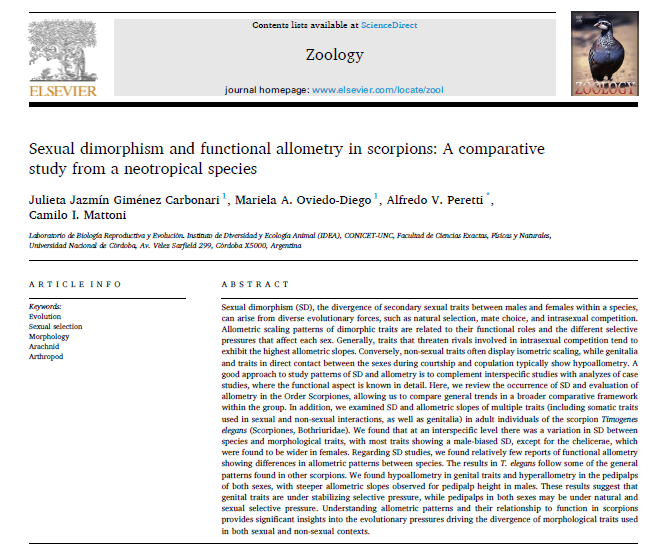
If you're interested about the patterns of sexual dimorphism & allometry in scorpions, and the selective forces behind them, check out our latest paper https://t.co/QOaWZn7QPQ. Led by J. Giménez-Carbonari and @CamiloMattoni, with cover featuring a photo by @Aranias_Arg 🦂#Zoology
These patterns might be correlated with a sedentary mode of life in Mygals, playing an important role on shaping population structure, we expect these genetic patterns to be spread across the Mygalomorph tree of life!
Check out our most recent paper published in MolEcol! Comparative Population Genomic Diversity and Differentiation in Trapdoor Spiders and Relatives (Araneae, Mygalomorphae) with @jim_starrett, @lgnewton10, @Jason_E_Bond and @marshalhedin
Free Access:
🔗https://t.co/P8G0l3Hajs
🧵
Despite we couldn't find a clear correlation of burrowing behavior with genetic diversity, we did find ubiquitous population fragmentation and high population differentiation irrespective of behavioral niche, body size or rage area.
El 12 de octubre no es el día de la raza ni de la hispanidad. Cristóbal Colón descubrió América para los europeos, pero en nuestro continente y en particular en lo que hoy llamamos México, ya había grandes civilizaciones y culturas de las cuales nos sentimos orgullosas y orgullosos. La llegada de los españoles hace más de cinco siglos representó sometimiento e incluso eliminación de los pueblos originarios. Ofrecer disculpas por los crímenes cometidos no es vergonzoso; por el contrario, engrandece y acerca a los pueblos.
“Soy madre, abuela, científica y mujer de fe, y a partir de hoy, por voluntad del pueblo de México, la presidenta Constitucional de los Estados Unidos Mexicanos”.
La emoción a flor de piel: un país que ya nunca más será sin nosotras.
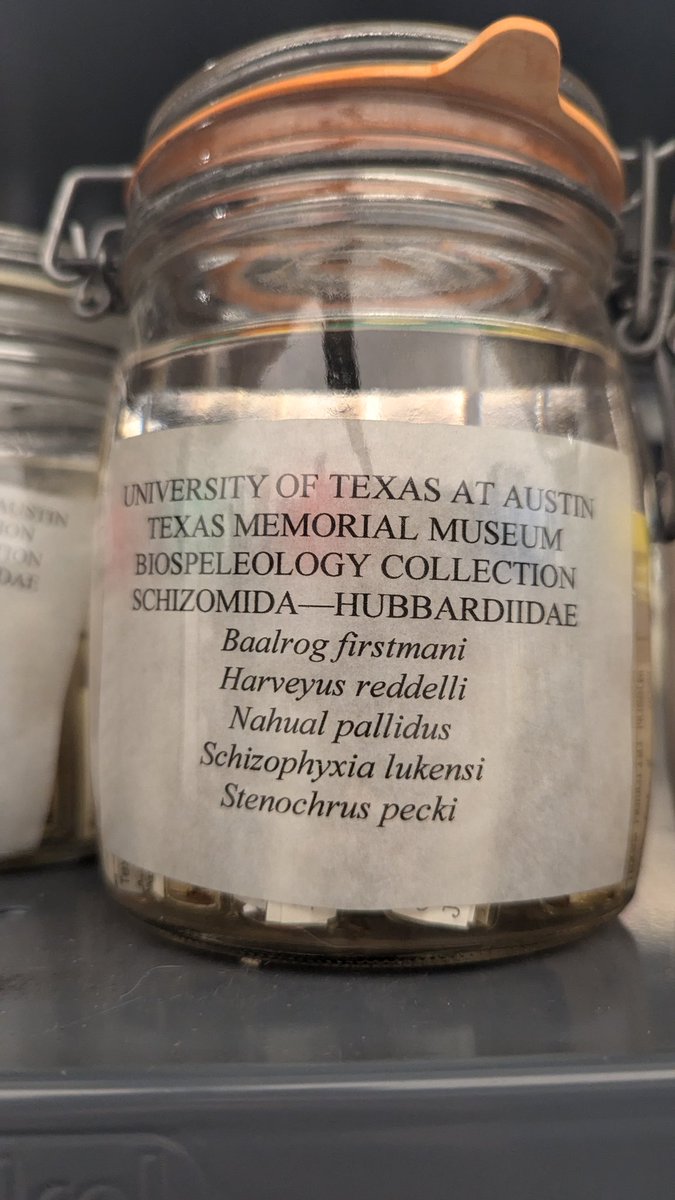
Visiting one of the most important collections of cave Arachnids! The Texas Memorial Museum, now hosted by the University of Texas at Austin, lots of awesome specimens!
@Arachnids@Caves
Are you good enough to collect harvestmen in the field? Play this creative game and help Brazilian colleagues in a research about visual ecology in opilionids. (please RT)
https://t.co/907OLlnWNf
Now that we're entering faculty job season, I want to reshare my ✨job search advice doc✨. It compiles all the super helpful advice I received from mentors & includes my own experiences on the market.
Best of luck out there, everyone - you got this! 💪
https://t.co/S9Ln3haGJp
📢📢📢 The new 2023-2024 list is out! Please share widely! If you are looking for a faculty position or postdoc in ecology & evolutionary biology check out this great community run resource: https://t.co/kTkoSvB72a
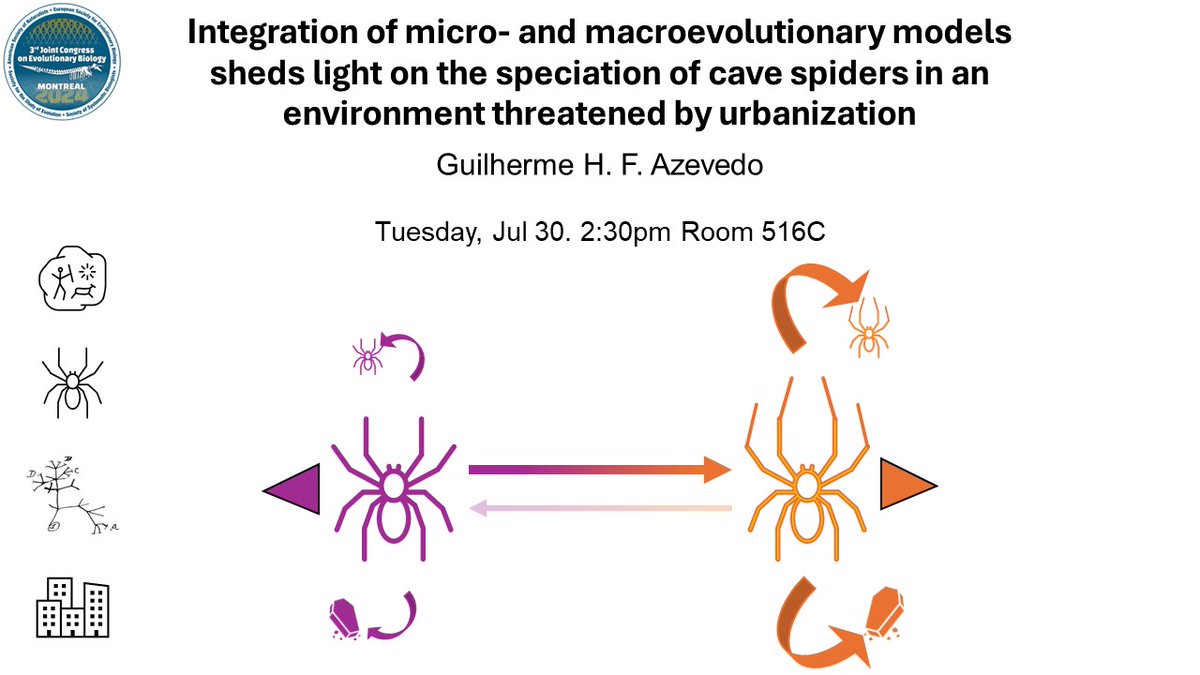
If you are at #Evol2024 and are interested in diversification models and/or spiders, come see my talk today in the room 516C at 2:30pm. I will present our approach to test the influence of trait on the speciation completion in a protracted speciation model.
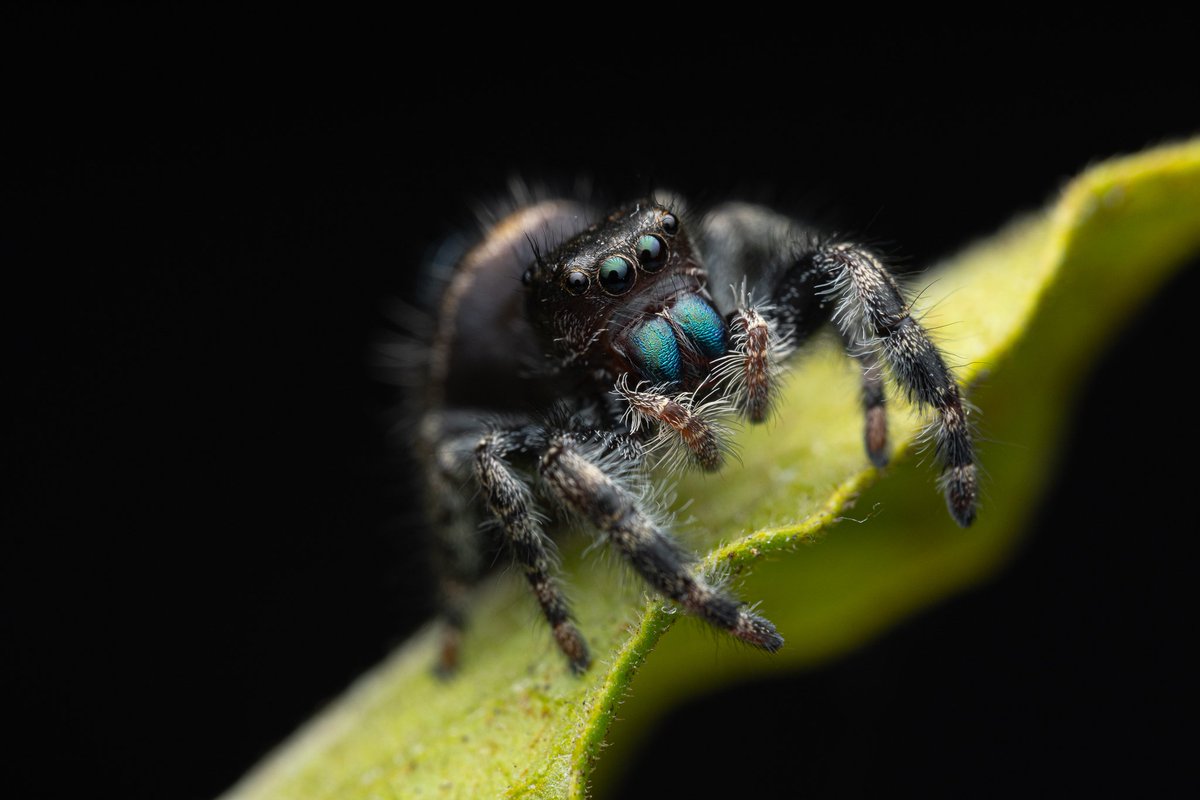
Very excited to share my first paper is out! 🎉 We explore the evolution of the multiple eye pairs in spiders🕷️(https://t.co/Y48O6Wh7F1)
Couldn’t have done it without to the mentorship of the brilliant @Lauren_hSR!
For anyone learning or teaching bioinformatics, or if you’re interested in getting started, you may like to check out some of many (>404!) detailed tutorials for the Galaxy bioinformatics platform, from microbiome analysis to chloroplast assembly, at https://t.co/633iyCPH2U 👇
The Galaxy platform is a free, easy-to-join, easy-to-use bioinformatics workflow management system that enables scientists to share, analyse and visualise their own data, without needing powerful computers and programming expertise.
Galaxy was first started in 2005, and it has grown year-on-year into an amazingly useful resource for scientists worldwide, with a global community of developers and end-users. You can read about it here:
The Galaxy Community. (2022). The Galaxy platform for accessible, reproducible and collaborative biomedical analyses: 2022 update. Nucleic acids research, 50(W1).
https://t.co/mf3sUPa9LF
To get started, you could first go through a few tutorials to find out how the platform works at the following link:
https://t.co/3EimERhdk2
And you could take a look at some very cool tutorials, for example using Oxford @nanopore MinION data for:
⭐Analysing data to detect microbial pathogens such as Salmonella in food
https://t.co/gLuMqdhCWp
⭐Characterising the microbiome of beer
https://t.co/LKrxn5jJvB
⭐Diving into the bacterial biodiversity of soil
https://t.co/LPkNAuy7Ii
⭐Or assembling the chloroplast genomes of sweet potato and snow gum (Eucalyptus pauciflora) by combining Nanopore long read and Illumina short read data
https://t.co/HBGrmg8Mja
It also has tutorials for learning core skills in data science, such as using Python, bash, R, and SQL:
https://t.co/PHkZvcxTtp
Galaxy has a well-developed community, which you can find out more about here:
https://t.co/PgJvgdCQv6
And, if you have a particular application in mind, you might find a Galaxy pipeline that’s already been created as part of a published study. For example, if you’d like to find antimicrobial resistance genes in Salmonella, this article and workflow may be for you:
Lamas et al. (2023). Whole genome sequencing in the palm of your hand: how to implement a MinION Galaxy-based workflow in a food safety laboratory for rapid Salmonella spp. serotyping, virulence, and antimicrobial resistance gene identification. Frontiers in Microbiology, 14.
https://t.co/bs8LMrPNjY
Or if you’d like to find out how to produce a reference genome for a vertebrate as part of the Earth Genome project, this article explains how it can be:
Larivière et al. (2024). Scalable, accessible and reproducible reference genome assembly and evaluation in Galaxy. Nature Biotechnology, 1-4.
https://t.co/bfHvOuWATn
All amazing resources for people already in the bioinformatics field, but possibly even more useful for teaching the bioinformaticians of the future!
This of course only covers a few aspects of the Galaxy “ecosystem”, so if it seems like it could be useful, be sure to have a look around and see what else there is out there for you.
And, if you are using Galaxy for teaching, we’d love to hear about how you’re using it, especially if you have any tips or online/published resources to share!
Disclaimer: Bento Lab has no affiliation with Galaxy - we just love cool tools and platforms that enable science!
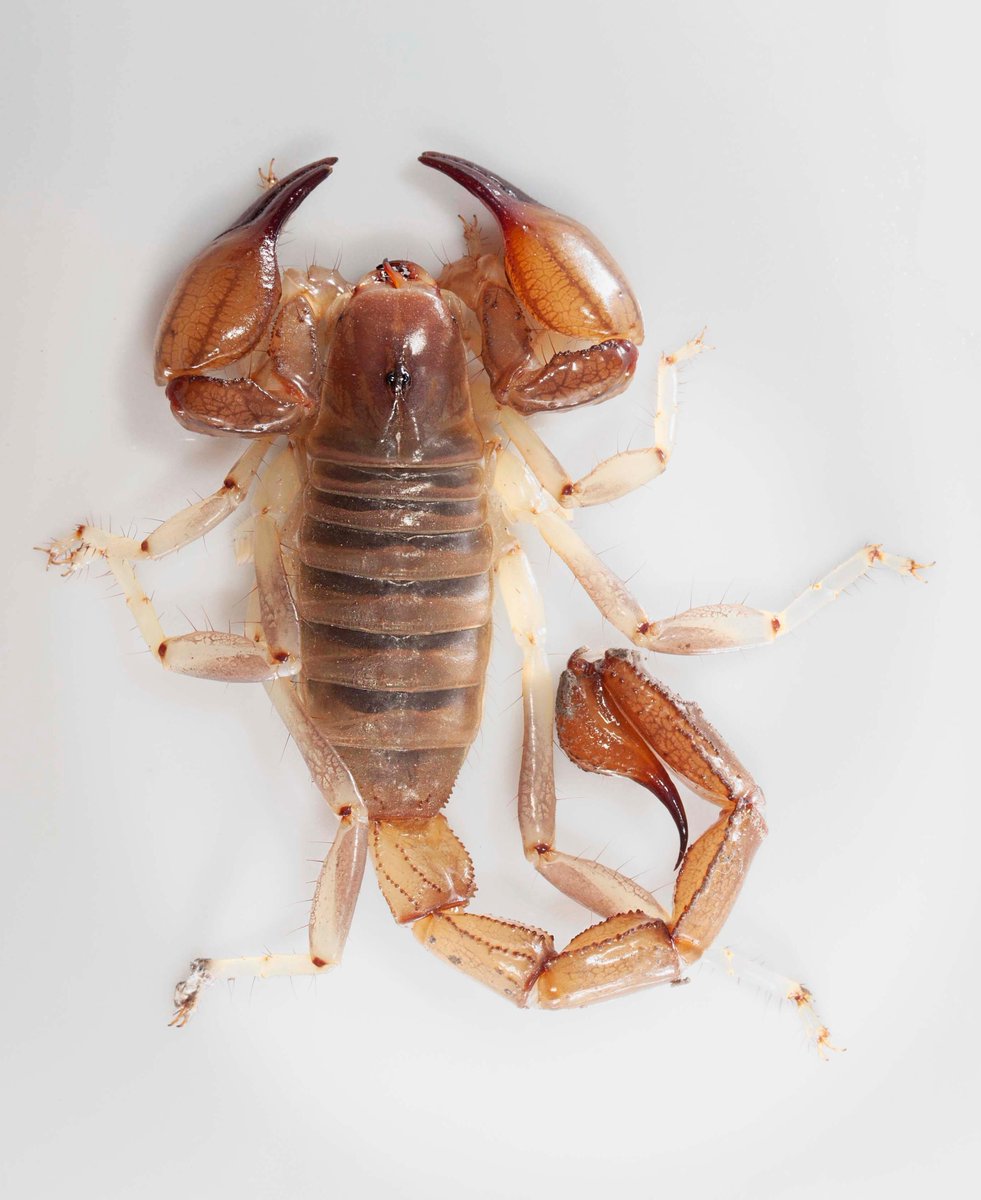
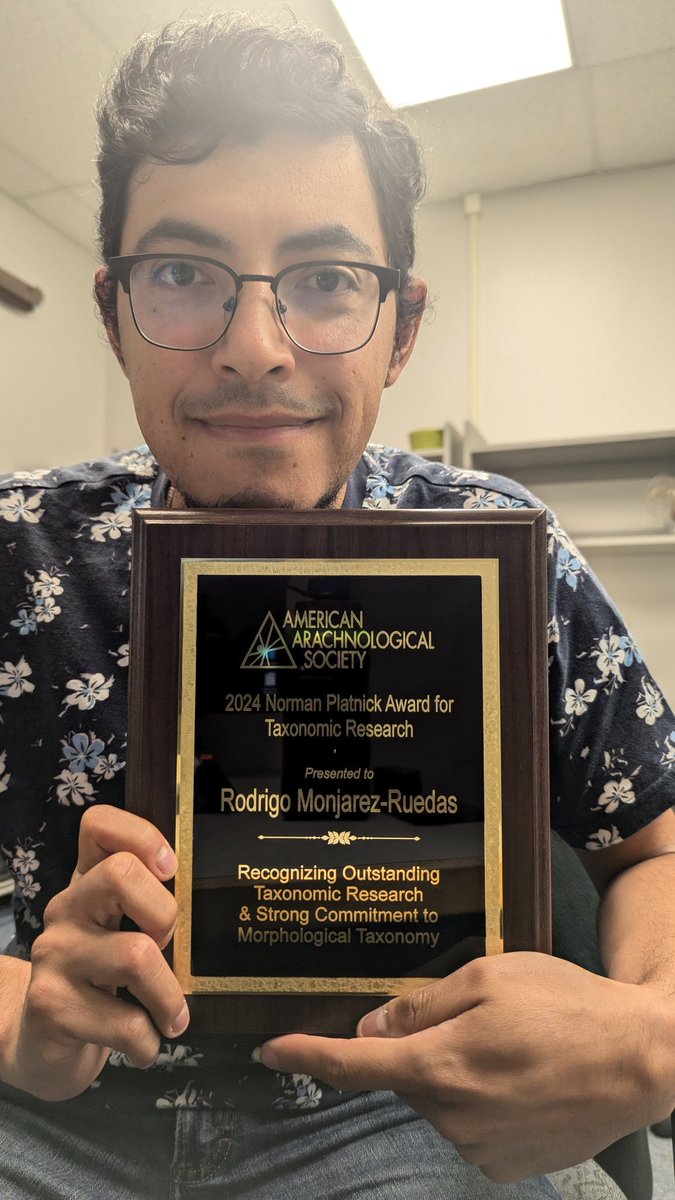
Super thrilled and honored to be awarded the AAS Norman Platnick Award this year! It is very inspiring to be recognized for the hard work I have done with Schizomids and Mygalomorphs, can't thank enough the @AAS_arachnology and @marshalhedin for nominating me!
Here’s a very cool method that could help increase taxonomic & phylogenetic understanding of arthropods (& probably any organism) by improving on DNA barcoding only: multiplexed multi-locus long-amplicon sequencing with Oxford @Nanopore MinION, showcased here with spiders 🕷️👇
The method, as described by Gajski et al. (2024), was designed to combine the strengths of single-region DNA barcoding and multiple-region long amplicon phylogenetic studies into a single relatively accessible and affordable workflow.
Their plan was to amplify three different gene regions (from ~700 bp to ~4500 bp) for a large group of specimens; sequence everything together in one MinION run to save time and money; and then combine all the results into a single phylogenetic analysis.
By doing this, they’d not only be able to produce valuable DNA barcode data for their specimens, but also sequences of other gene regions that could be used to place their specimens into higher taxonomic groupings such as genera, families, and orders, with much more confidence than if using only a single barcode region.
Equally importantly, their method was designed to minimise the costs and effort involved as far as possible, making it accessible to taxonomists around the world.
The authors tested this approach on 129 samples of spiders belonging to 63 species across 47 genera and 20 families, targeting the genes for COI (cytochrome C oxidase I: a 1054 bp fragment), CytB (cytochrome B: 734 bp) and the nuclear ribosomal rRNA 18S-28S region (containing the 18S, ITS1, 5.8s, ITS2, and 28S regions: a huge ~4200-4500 bp fragment).
COI and CytB were amplified together as part of a multiplex PCR to save on cost and effort, while the much longer 18S-28S region was amplified in its own set of PCRs. Each of the two PCR groups had its own library preparation to minimise any biases for long amplicons, and the COI/CytB and 18S-28S PCRs were then pooled in a 2:3 ratio to minimise biases when sequencing using Oxford Nanopore MinION.
After sequencing, the authors achieved a 90% and 95% sequencing success rate with CytB and COI regions respectively, and a 75.8% for the more difficult-to-amplify 18S-28S region.
The consensus sequences for each amplicon were assessed individually, concatenated to produce a 6k+ bp alignment, and cleaned to remove poorly aligned sections of the ITS regions. The alignment was then used to produce a phylogenetic tree to display the evolutionary relationships between the species.
The authors found that:
🕷️ Their spider phylogeny, constructed from only three unconnected gene regions, was generally consistent with previous studies using phylogenomic approaches using hundreds to thousands of different loci.
🕷️ Their phylogeny had high informativeness at the species level, and also appropriately showed nearly all families, genera, and species as monophyletic.
🕷️ However, relationships at the family level were less well resolved. To improve on this, the authors recommended that future broad-scale phylogenies produced using this method should be constrained by phylogenetic backbones based on published genomic/transcriptomic work.
Overall, the authors concluded that their method allows the user to “scale up barcoding from simple taxon assignment to large-scale phylogenetic inferences of large and taxonomically complex species mixtures”, at a cost of only ~€5 per specimen, and only one or two weeks of hands-on labwork.
Additionally, since their workflow doesn’t require access to any extremely high-end equipment for genome sequencing, it could be undertaken in molecular biology labs with relatively small budgets and modest equipment, and even in improvised labs during fieldwork.
A useful step forward from simple DNA barcoding to more taxonomically informative work, and one that could be extremely useful for identifying and classifying poorly understood or undescribed species!
You can read the article here:
Gajski et al. (2024). Facilitating taxonomy and phylogenetics: An informative and cost-effective protocol integrating long amplicon PCRs and third-generation sequencing. Molecular Phylogenetics and Evolution, 192, 107988.
https://t.co/CmyKBpha5D (subscription access only)
And for those without access, you can read a preprint here:
https://t.co/wCx2WtqorQ