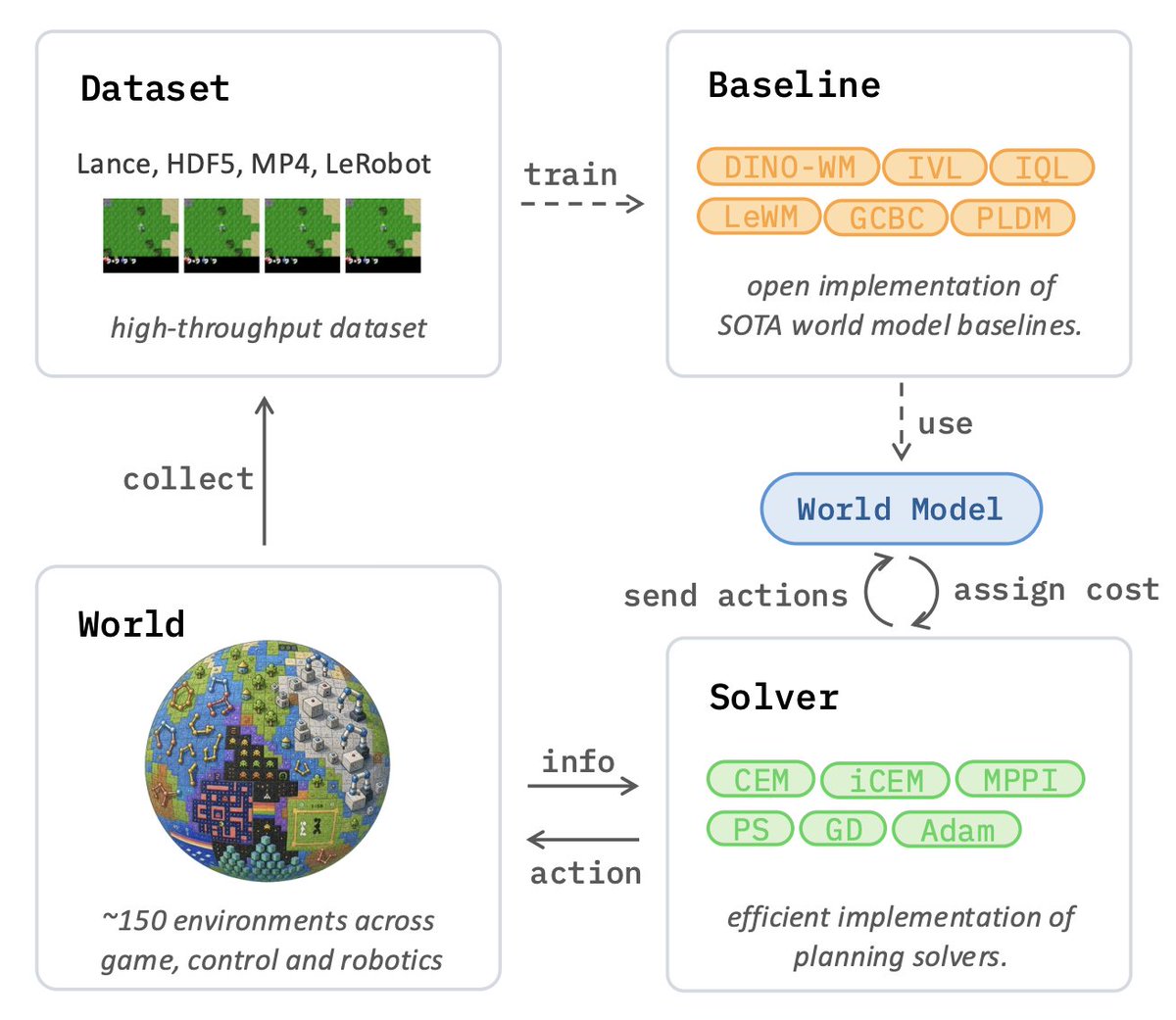
Would you like to join the research effort on JEPA and World Models easily?
After a full year of hard work, we’re excited to finally release stable-worldmodel:
an open-source, scalable platform built to accelerate JEPA & World Model research!
📄: https://t.co/gnxGvens5A
All Future of Mathematics Symposium talks are now available on Youtube, linked below.
Day 1 talks:
Leonardo de Moura, Amazon
Clark Barrett, Stanford
Michael Freedman, Harvard
Kevin Buzzard, Imperial
Andrea Bertozzi, UCLA
Adam Brown, DeepMind
Deirdre Haskell, Fields Institute
I'm building a new team at @databricks AI Research and we're hiring.
We're focused on one of the hardest open problems in AI right now: how do you measure and continuously improve agents that operate on enterprise data at scale. We're looking for founding engineers to build the flywheel that turns evaluation results directly into better agents — from development and training all the way to production.
If you want to work on problems that actually matter at the frontier of AI research, I'd love to talk.
Link in comments 👇
With the rise of AI in mathematics, many of us are rethinking what math is for—and what it even is. These are philosophical questions, and we should discuss them carefully and openheartedly. This classic essay by Reuben Hersh is a great place to start. https://t.co/Hq2NAe5mFh
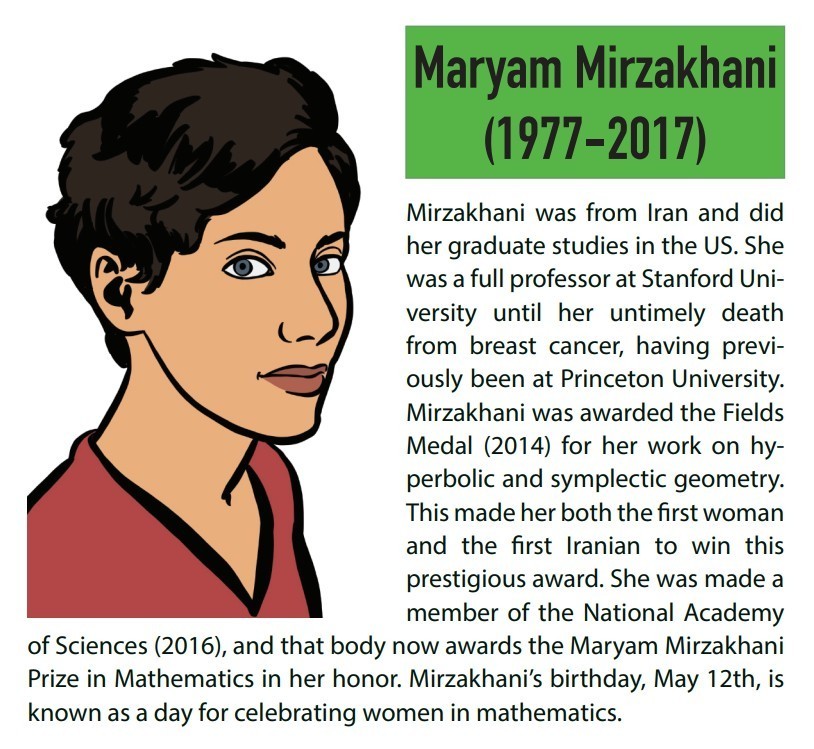
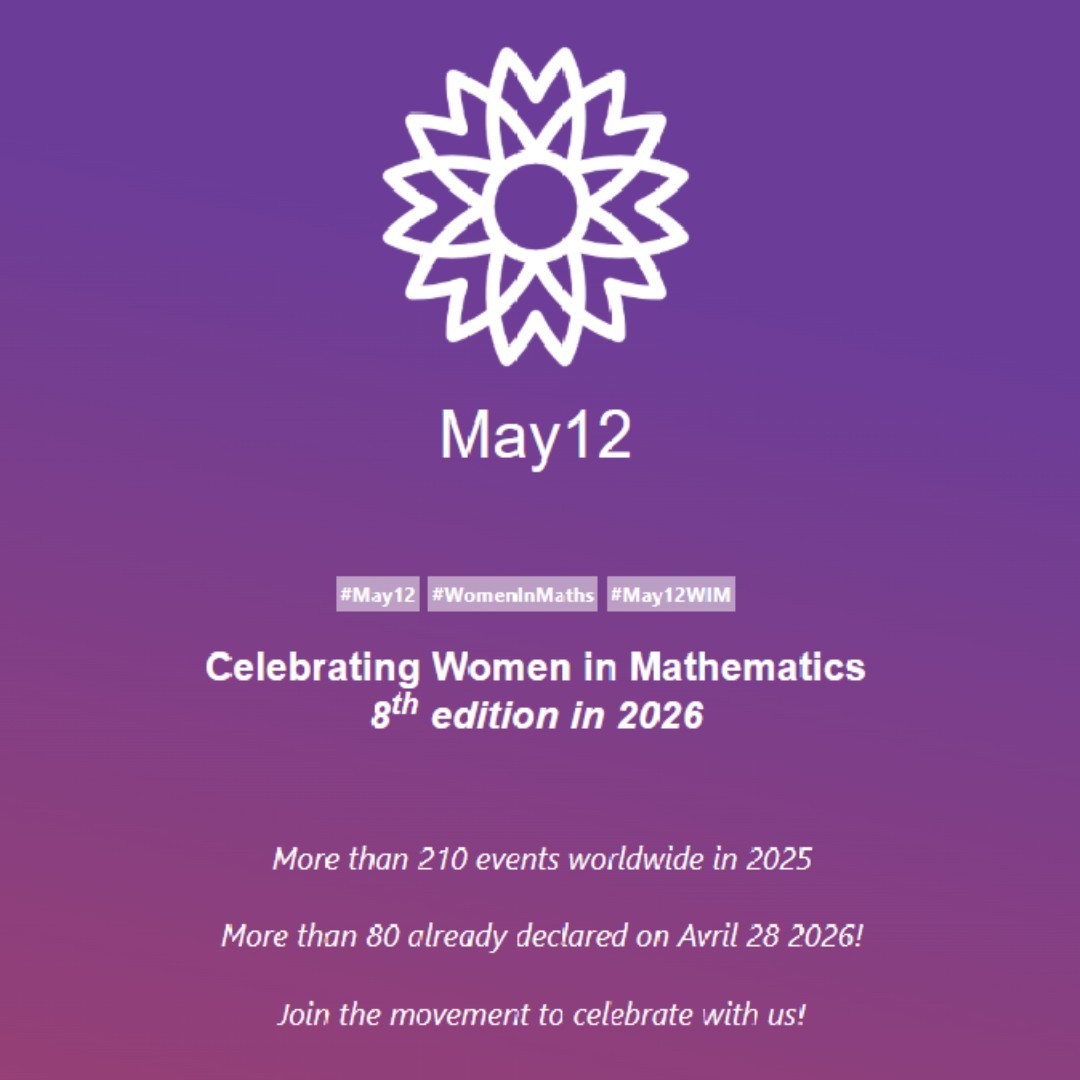
May 12th is a special day, dedicated to celebrating women in mathematics and honoring the birthday of Fields Medalist Maryam Mirzakhani.
Learn more about #May12 festivities or submit your event here:
🔗 https://t.co/tBXrGRxrUE.
Happy May 12!
#AWMMath#May12WIM#WomenInMath
I'm giving a guest lecture at ETH Zürich tomorrow, as part of @oier_mees robot learning course.
I'll explain vision pretrain and VLMs, although I've been told it's already outdated; robotics moved on to world models now 🫣
It's a pretty stacked course: https://t.co/ev8U9O1CQ1
Last call for our PhD Fellowship Program! 🎓
We’re looking for exceptional students pushing the boundaries of computer science. Join a global community of scholars & get mentorship from Google researchers.
⏳ Deadline: Thursday, April 30.
Apply now: https://t.co/6cKkrCV08R
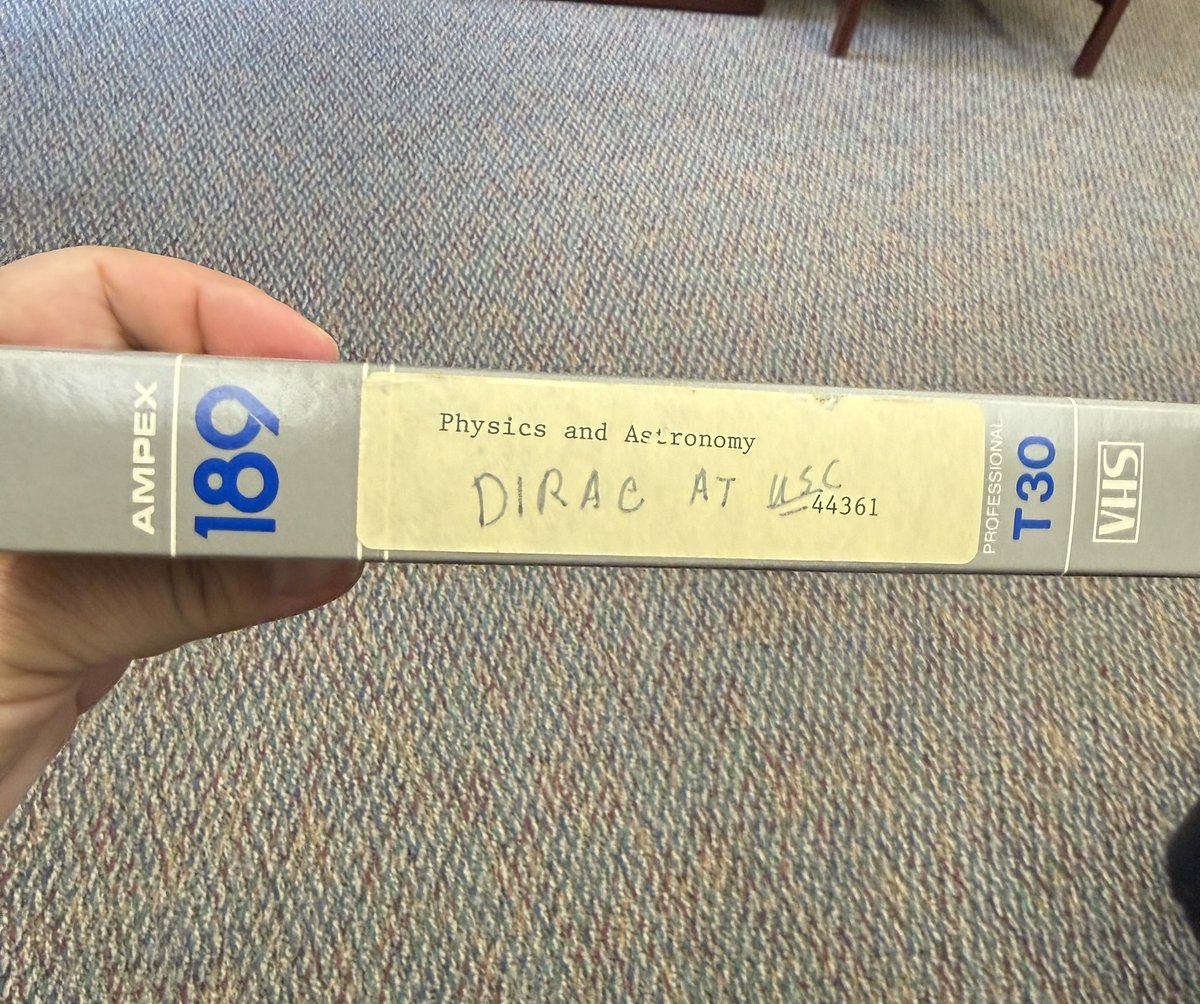
This tape contains Paul Dirac’s lecture (yes, that Paul Dirac, one of the founders of quantum mechanics) at the University of South Carolina. This tape is also legendary; it has been missing for the past 32 years! And guess what: Prof. Frank Avignone found it today!
Nine Fellows of the American Mathematical Society, including AMS President-elect Joseph H. Silverman, have been elected to the American Academy of Arts & Sciences, one of the nation’s oldest and most prestigious honorary societies.
Read the full list. Link in comments.
Ukrainian mathematician Maryna Viazovska solved a problem that had puzzled mathematicians for over 400 years. Even Johannes Kepler and Isaac Newton couldn’t crack it.
We live in a three-dimensional world, but Maryna solved a puzzle in an eight-dimensional space—something that’s very hard even to imagine.
She was born in Kyiv, studied at Taras Shevchenko University, worked in Bonn and Berlin, and at just 33 became a professor in Lausanne.
So what was the problem? It’s about how to pack identical spheres as tightly as possible in space. This question was first asked by Kepler back in 1611. Over time, scientists found answers for two and three dimensions—but not for eight.
Maryna proved that in eight dimensions, the densest packing is formed by a special mathematical structure called a lattice. What’s even more amazing is that she did it in just 23 pages, while earlier attempts took hundreds.
In 2022, she was awarded the Fields Medal, the most prestigious prize in mathematics. She became only the second woman in history to receive it.
Today, Maryna Viazovska works in Lausanne, supports Ukrainian mathematicians, and brings pride to Ukraine with her achievements.