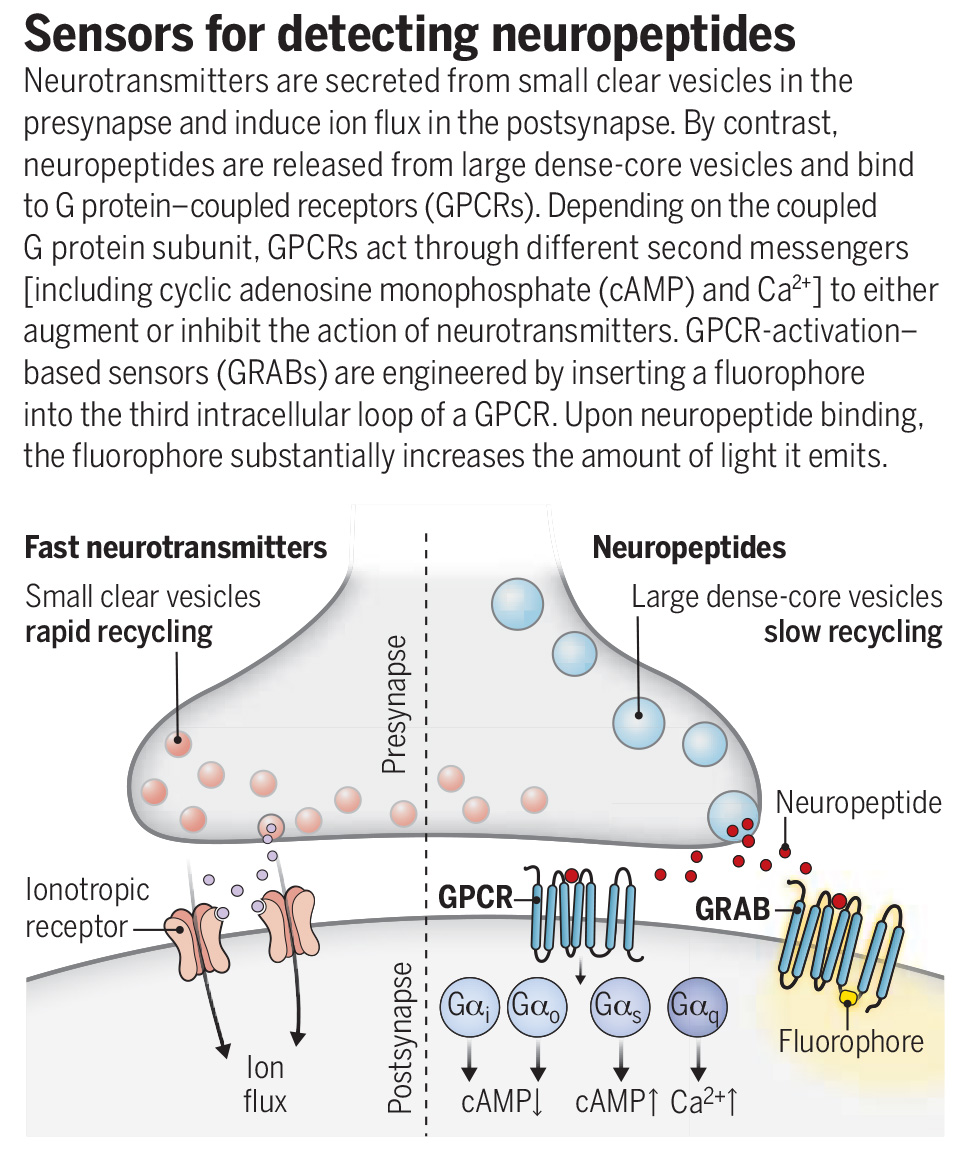
Bioengineered sensors have helped reveal the activity of neuropeptides in the brain, researchers reported in 2023 in Science, providing novel tools for studying the release, function, and regulation of these crucial signaling molecules in vivo.
Learn more in this #SciencePerspective: https://t.co/nXm5ZPJCkC #ScienceMagArchives
AI is revolutionizing materials science—MatterGen can now generate stable, novel inorganic compounds with tailored properties. Could similar models one day design molecules that influence gene expression and epigenetic reprogramming? #AI
Today in @Nature: Our MatterGen model represents a paradigm shift in materials design, applying generative AI to create new compounds with specific properties with unprecedented precision.
Stem-cell patches stabilizing a failing heart—this is more than a breakthrough, it’s a glimpse into the future of regenerative medicine. If we can rebuild heart tissue, what’s next? Reversing age-related decline, healing trauma, or even reprogramming the epigenome?
AI is now designing stable inorganic materials with targeted properties—reshaping how we discover materials for energy, catalysis, and beyond. If generative models can predict molecular stability, can they also guide epigenetic drug design?
Today in @Nature: Our MatterGen model represents a paradigm shift in materials design, applying generative AI to create new compounds with specific properties with unprecedented precision.
A groundbreaking study reveals that 86% of drugs cause metabolic changes—even when they don’t inhibit cell growth. If drugs reshape cellular metabolism, how might they influence epigenetic regulation? Precision medicine must embrace these unseen biochemical shifts. 🧬
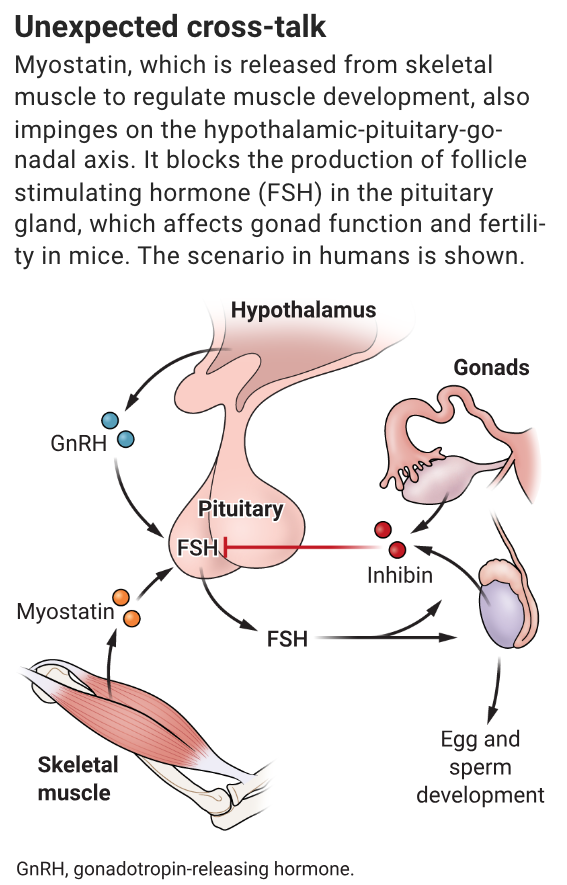
Fascinating new research reveals a cross-talk between muscle growth and fertility. If skeletal muscle influences reproductive hormones, how might interventions to boost muscle mass impact long-term fertility? Biology is an intricate network—tweaking one system can echo across many.
A new Science study in mice identifies cross-talk between muscle and the reproductive system and raises questions about interventions to increase muscle mass that might affect fertility.
Learn more in a new #SciencePerspective: https://t.co/qwuHGRBINK
Lithium powers the future, but at what cost?
As we innovate in battery tech, let’s not forget the environmental and social footprint of extraction. Diversifying lithium sources and exploring sustainable alternatives like sodium isn’t just science—it’s responsibility.
The low-carbon transition needs batteries. And those need lithium.
Fortunately, the metal is abundant, and science is getting better at finding, extracting and processing it
https://t.co/bf2Xwlh6gx
11/ 🌟 The big takeaway: Your DNA isn’t just a fixed blueprint. It’s a dynamic story that can be rewritten. Understanding epigenetics gives us the power to take control of our health.
10/ 💪 Could epigenetics hold the key to better health? Imagine a world where we can reprogram harmful genetic changes caused by stress, addiction, or poor environment—offering hope for diseases like cancer and mental health issues. #HealthInnovation
Excited to announce the publication of our latest paper: "EpiAge: A Next-Generation Sequencing-Based ELOVL2 Epigenetic Clock for Biological Age Assessment in Saliva and Blood Across Health and Disease"! 🧵
#Epigenetics#BiologicalAge#EpiAge#ResearchPublication
EpiAgePublic lays the groundwork for future research on aging mechanisms and interventions. It’s a powerful tool for exploring how we age and how we can slow the process.