Announcing our spring issue of Civics Magazine! 📖
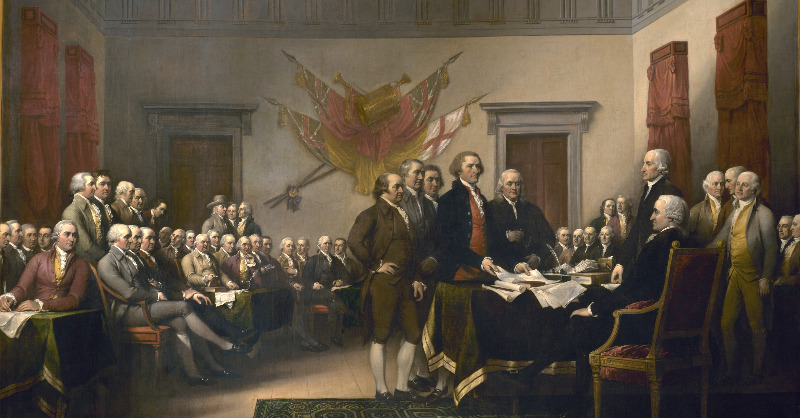
This issue brings together writers from a variety of perspectives to reflect on the Declaration of Independence and "Teaching the Words That Changed the World.” Read the essays here: https://t.co/nlcV5HeIaz
K-12 TEACHERS! Apply now for our Teaching America250 Awards! JMC will award one teacher in each state with a $5k prize to execute a project of his/her own design to teach the Declaration and celebrate its 250th anniversary with their students, school, or broader community.
Check out the latest Civics Magazine from @JackMillerCtr featuring thought-provoking essays and “unexpected contentions for civic education” from a CPA, a novelist, an anesthesiologist, a journalist, a pastor, an architecture critic, and more
https://t.co/QbyCJWSNm0
What do the Ancient Sumerian city of Ur, Ancient Egyptian city of Memphis, and modern-day Baltimore, Maryland, have in common? They were built along #estuaries! Fertile soil, abundant wildlife, and freshwater near estuaries have been a bedrock of human civilization for millennia.
Blue catfish are causing a stir in the #ChesapeakeBay. These invasive fish are found in Maryland’s major rivers and can have big impacts on local ecosystems. What does their presence mean for the Bay? Find out in our latest issue of Chesapeake Quarterly: https://t.co/qpbcS0EFdo
Nature-based solutions like #LivingShorelines can reduce erosion and buffer against waves, while also creating a haven for aquatic life. Our Law and Policy Fellows created a guide for navigating the #permit process for living shorelines: https://t.co/fNnw4biV60
What are “forever chemicals” and what do they mean for the people and animals who call the #ChesapeakeBay home? Learn more about #PFAS in our latest issue of Chesapeake Quarterly magazine online: https://t.co/MbRVCE43A4
📸: Jay Fleming
Spring migrations to the Bay are just around the corner! The American #eel (Anguilla rostrata), will return to the Bay's rivers and streams after swimming thousands of miles from the Sargasso Sea. Learn more about their journey: https://t.co/Le0Kr5ua9J
📷: Josh Newhard / @USFWS
Looking for ways to give back on Martin Luther King Jr. Day? Volunteer for a local watershed cleanup on this national day of service. @NatlParkService offers a nationwide list of #MLK Day projects, or you can check with your local parks or waterways: https://t.co/z4ygifztjL
On the #ChesapeakeBay, no two oyster growing operations are alike. Find out how researchers like Jessica Small from VIMS ABC are helping #Oyster farmers the latest issue of Chesapeake Quarterly magazine from @MDSeaGrant. Check it out online at https://t.co/gLNTgBd91w!
From genetic research and state-of-the-art hatcheries to underwater robotics and innovative gear, research and tech are driving Maryland’s #oyster growing industry forward. Dive into the latest issue of Chesapeake Quarterly at https://t.co/FEFCyS3D6N!
📷: @JayFlemingPhoto
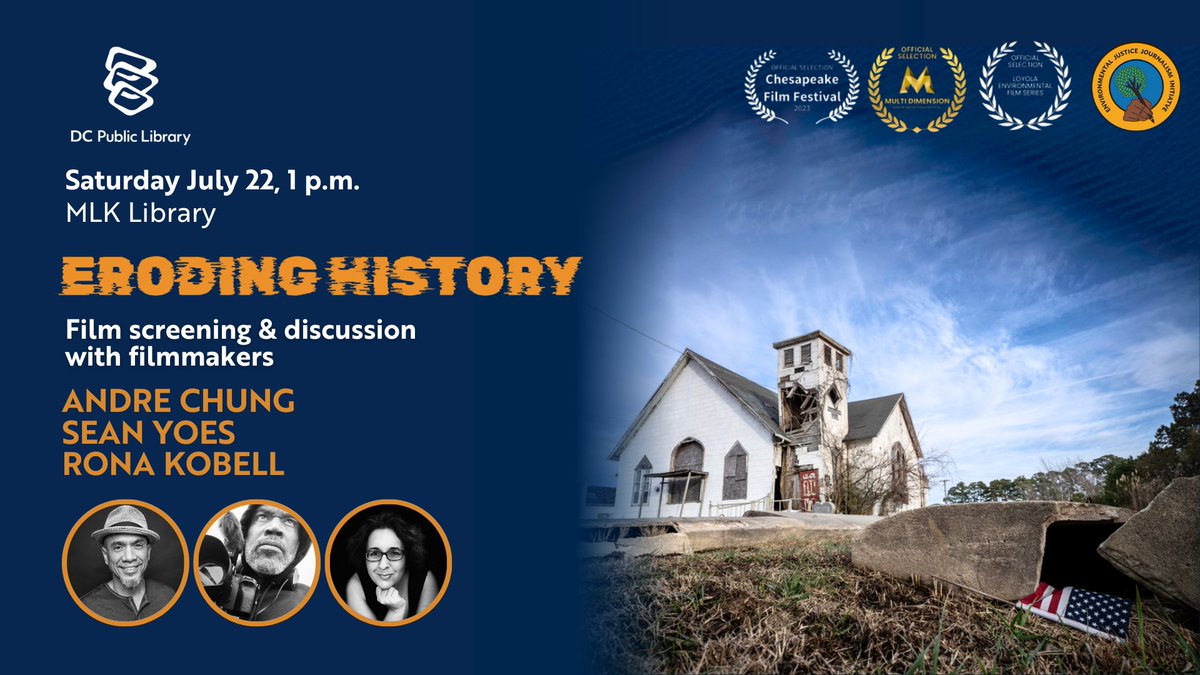
Film screening and panel discussion of the critically acclaimed documentary: Eroding History. This impactful film uncovers the often-overlooked narratives of Black communities on the Deal Island Peninsula.
July 22 | 7PM | MLK Library
Register https://t.co/7E0j8MQJVM
What’s that schmutz in the water? Called “mermaid’s hair” by sailors, Lyngbya is a stringy type of cyanobacteria found on the Susquehanna Flats. Maryland Sea Grant Research Fellow Shayna Keller shares her research in a blog post: https://t.co/wc6njwZ4rc
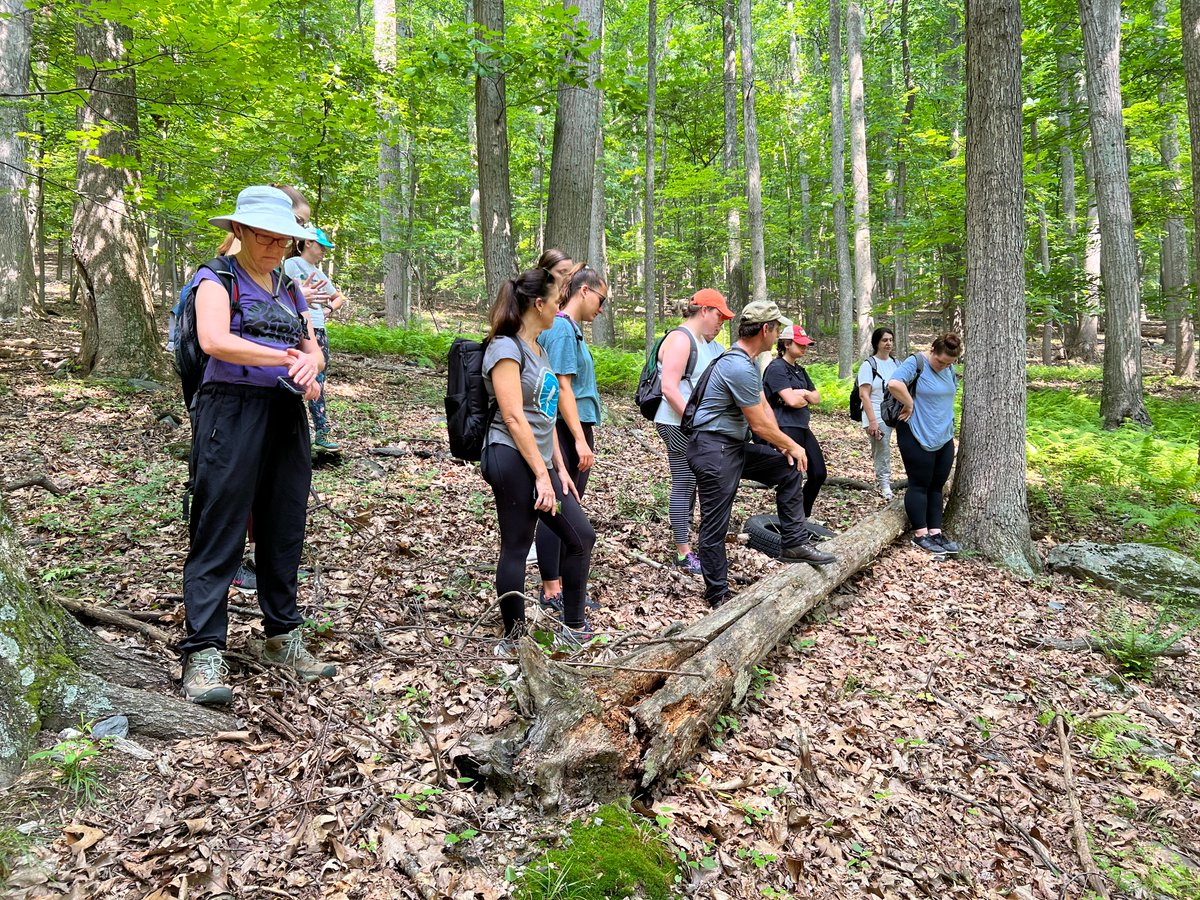
MDSG's Director for Education led teachers on a field trip to Gambrill State Park to find examples of mathematics in #nature. From slithering salamanders to fern leaf fractals, there was no shortage of examples to incorporate in the teachers' classes.
📷: M. Jepsen / MDSG
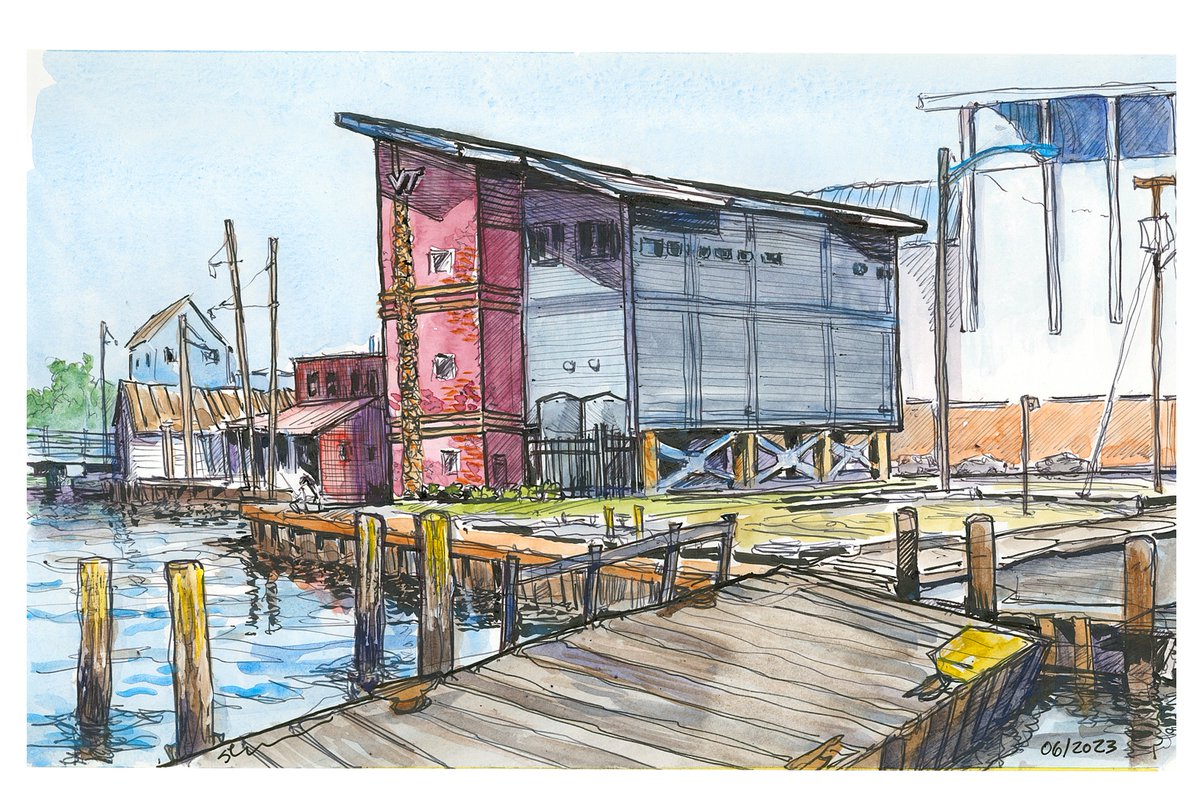
We 🧡 this! Talented artist, Steven White, dropped by our research center and captured our home on the @cityofhampton waterfront in his Daily Doodle series for #VirginiaTech!
Learn more about our new home: https://t.co/TRKmCkZ4Kh
What is a Secchi disk? Scientists lower this black and white plate into the water until it’s no longer visible, and record that distance as a way to measure water clarity. Algae and sediment in the water can affect clarity.
📷: Alicia Pimental, and Will Parson / @Chesbayprogram
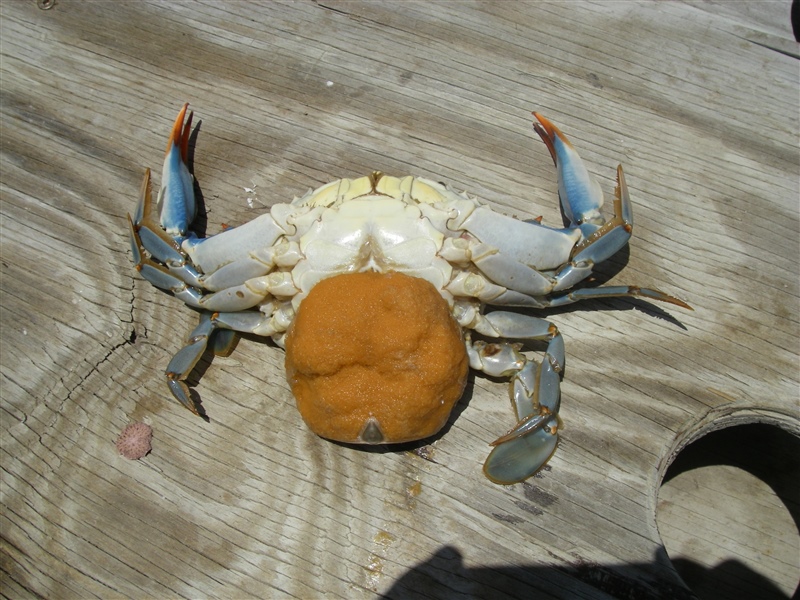
Did you know? The color of a blue crab's eggs can tell you how close they are to hatching. As the eggs mature, they change from yellow to dark brown. This is because the crab in the egg eats the yellow yolk as it grows.
📷: Bruce Taterka / NOAA Teacher at Sea Program
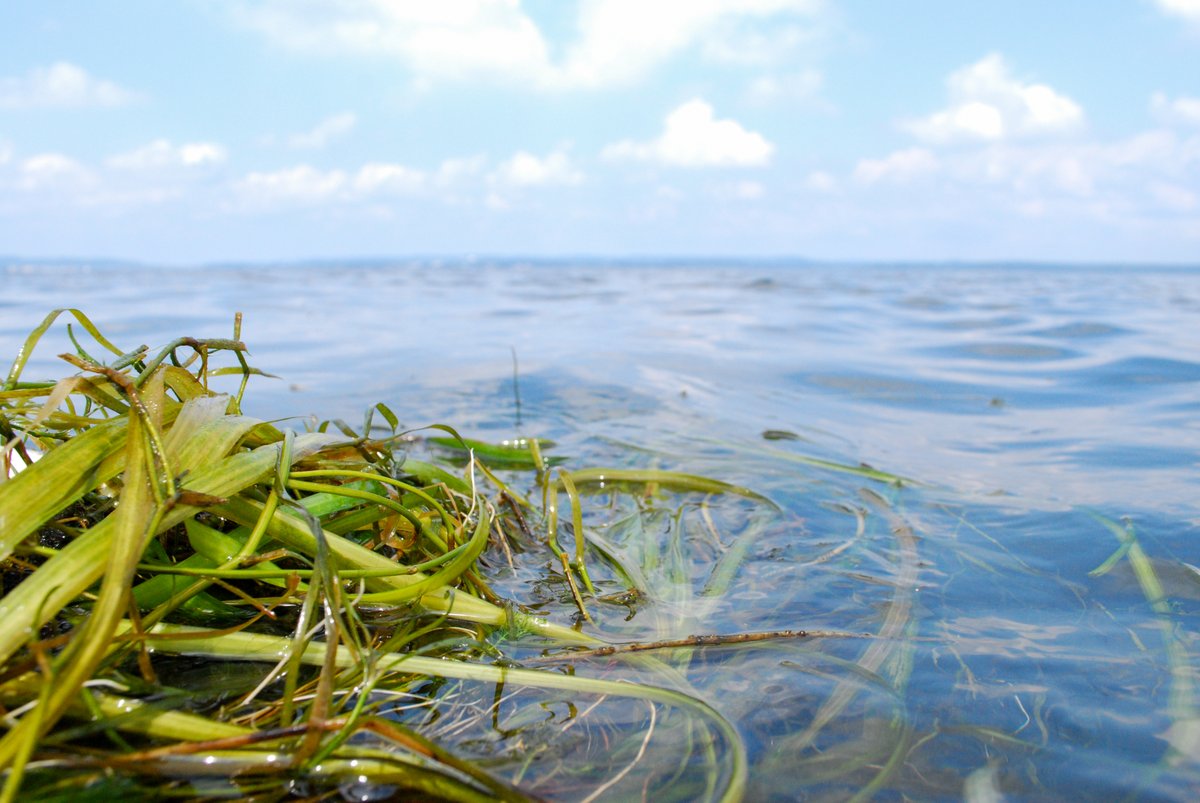
The Chesapeake Bay is full of special places. The #Susquehanna Flats, pictured here, are home to the largest and most diverse submerged aquatic vegetation (SAV) bed in Maryland. More than 12 species were found on the Susquehanna Flats in 2016.
📷: Will Parson / @chesbayprogram
"Science you can use," or actionable science, is creating a healthier, safer environment for communities around #Baltimore. Learn more about the Baltimore Urban Waters Partnership, which includes some @UMdExtension Specialists: https://t.co/HNf1pwgRHN