I started this paper early in grad school after staring at a map of global irrigation. Irrigated land roughly doubled since 1960 — but unevenly: India and China saw huge gains, while the western US, parts of Europe, and the former USSR lost ground. What explains the variation?
1/ New paper out in JEEM 🌳 with Lizeth Molina and @santisaap. We examine how political dynamics shape deforestation within a decentralized setting of environmental authorities. Turns out that when a mayor and the governor are from the same party, deforestation rises ~40%. 🧵
97% farmers own less than 12.5 acres of land. Only 16,958 landlords own more than 100 acres. Even if we ignore the political power of the landed elite, agricultural tax potential is highly exaggerated https://t.co/fUCFWEnBxz https://t.co/I07O0O6a9h
For researchers interested in U.S. banking and finance, we are sharing a new data resource!
It contains information on bank balance sheets, bank runs, and bank failures from the 19th century to the present:
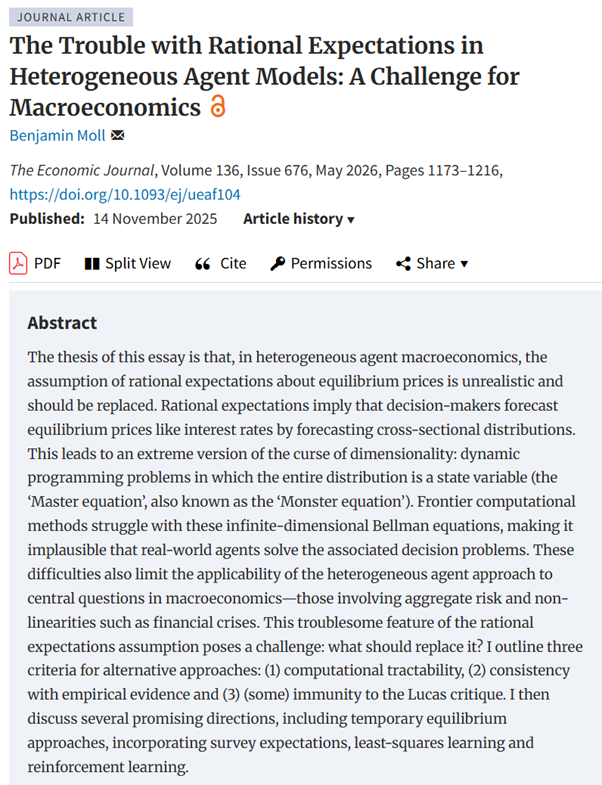
In the May 2026 issue: ‘The Trouble with Rational Expectations in Heterogeneous Agent Models: A Challenge for Macroeconomics,’ by Benjamin Moll https://t.co/RWvehwIsA8 @ben_moll@RoyalEconSoc#EconTwitter
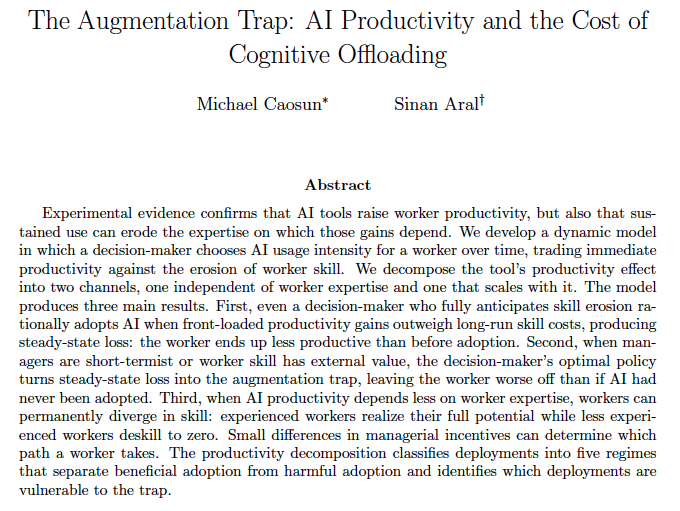
🚨Breaking: New Paper on "AI Skills Erosion"🚨
We just released "The AI Augmentation Trap" which asks: with evidence mounting that AI erodes skills, what are the long- and short-run implications of this AI skills erosion for workers and firms?
Our dynamic model, based on differences between worker and manager incentives, produces several important results:
Recently accepted by #QJE: “Making the Invisible Hand Visible: Managers and the Allocation of Workers to Jobs,” by Virginia Minni (@VirginiaMinni): https://t.co/0sFxZd1tba
How Pakistan made the world over 3 trillion dollars richer
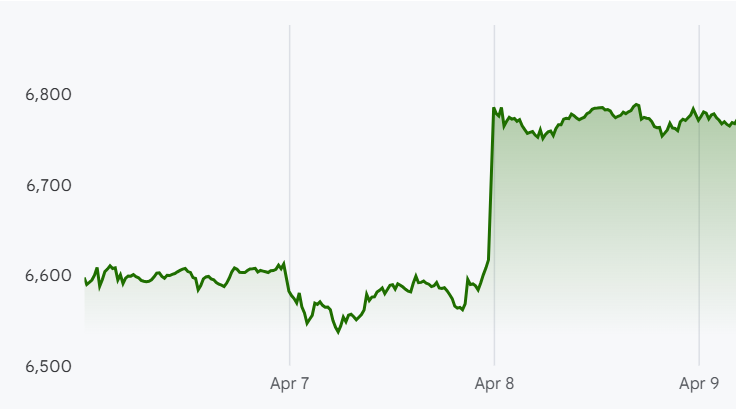
On April 7, the world edged toward Trump's 8pm ultimatum that "a whole civilization will die tonight." By mid-afternoon, Polymarket gave less than a 5% chance for a ceasefire. But then in a flurry of last-minute diplomacy led by Pakistan's PM Shehbaz Sharif, ceasefire odds shifted from near-impossibility to 100%, as both U.S. and Iranian leadership publicly acknowledged the important role played by Pakistan.
The sharp shift in probability of ceasefire from near-zero to certainty, allows us to estimate cleanly the market value of Pakistan's successful diplomacy. There was a sharp jump of 2.9% in S&P500 around the ceasefire announcement. The reaction was similar the world over.
Global markets represent about $125T, so a 2.9% jump represents a gain of 3.6 trillion dollars for the world. Pakistan helped create TEN times its own GDP for the world!
For me, the best part is not the trillions of dollar, but seeing Pakistan on the world stage as a peace maker.
I hope Pakistan runs with this new identity by promoting peace not only abroad, but also at home. That means moving away from politics of division and exclusion, and treating every citizen as its own.
When jobs are scarce, both men and women prefer that men work—but exposure to just six weeks of women working is enough to shift both partners' support for women's labor supply, from Yueh-ya Hsu, Reshmaan N. Hussam, Erin M. Kelley, and Gregory Lane https://t.co/FUwHCeBn0W
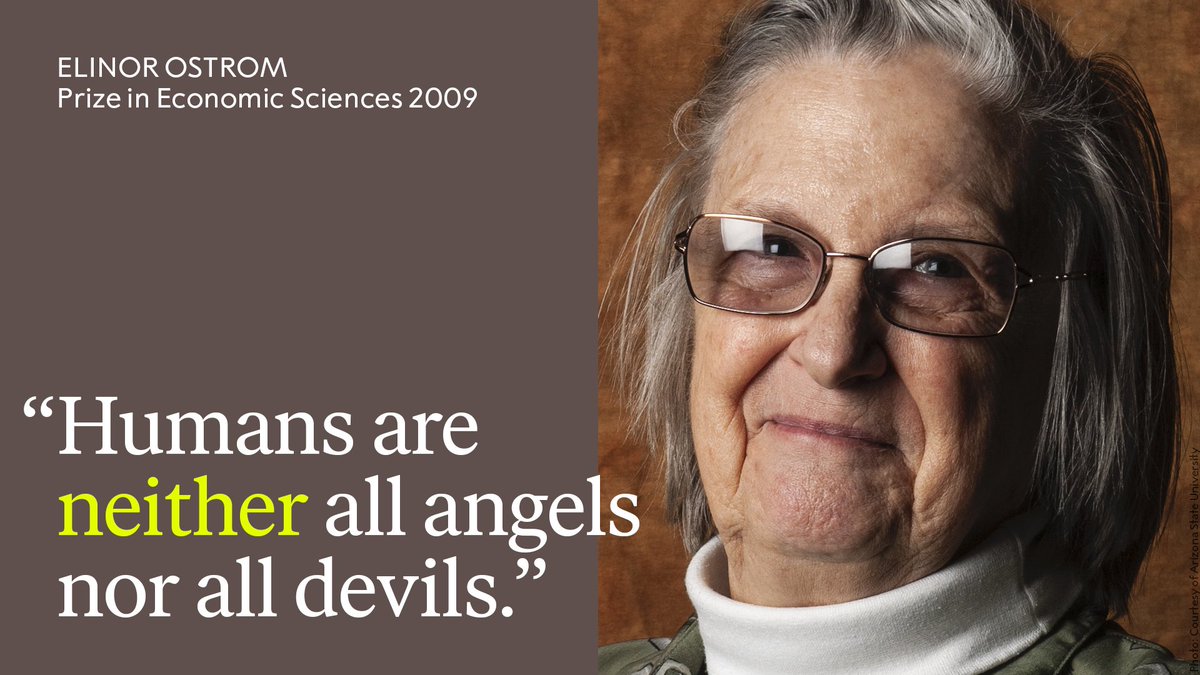
Elinor Ostrom Changed How Economists Think About the World
In 2009, Elinor Ostrom became the first woman to win the Nobel Prize in Economics.
For decades, economists believed that shared resources such as forests, fisheries, and grazing lands would inevitably be overused and destroyed.
However, Ostrom proved otherwise. Through field research in communities around the world, she showed that people can successfully manage shared resources themselves by creating local rules, trust, and institutions.
Her work transformed how we understand cooperation, governance, and the management of the commons, shaping research in economics, environmental policy, and political science.
This week, we are highlighting the work of women and their contributions to the field of economics
Google Scholar Link: https://t.co/TqkxQEl1qW
#WomenInEconomics #InternationalWomensDay #WomenInResearch #EconomicMisfit
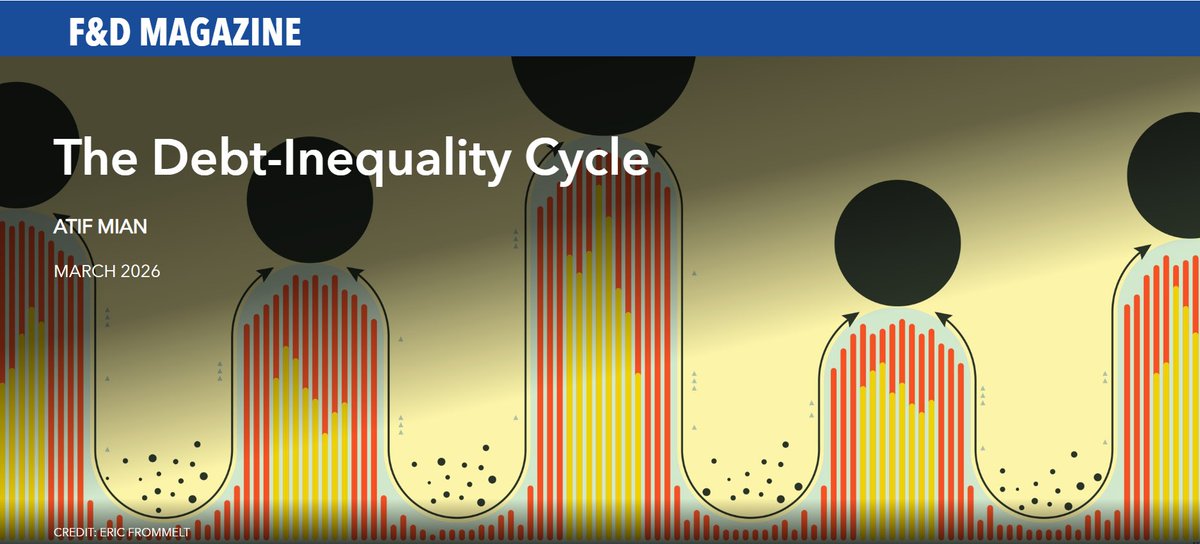
If AI replaces most of us, how can such an imbalanced system survive? There is much to learn on this question from the past - with the rise of extreme inequality. I discuss in this @IMFNews magazine how extreme inequality led to a dependence on private and public debts
Really saddened at the abduction of @Hamzakk , Phd scholar at @UofT who was conducting fieldwork in Lahore. Hamza is a promising young scholar who has an immense potential to contribute. Scholars are a nation's future; they must be allowed the room to challenge and critique
Thrilled to see this at @ecmaEditors w/@clem_imbert!
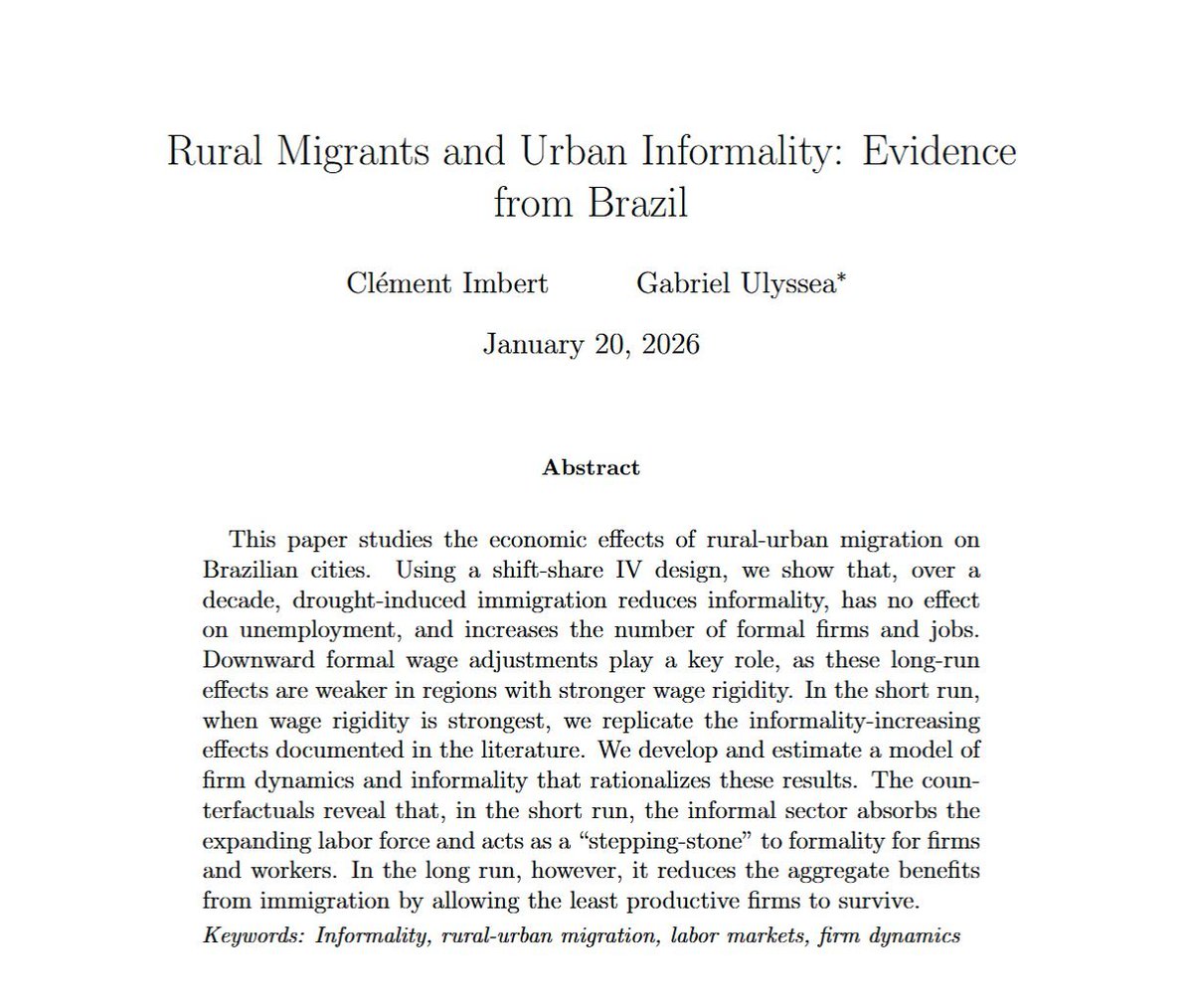
Can developing cities create enough good jobs to accommodate climate migrants?
Spoiler: Yes!
We show that, over a decade, drought-induced immigration ⬇️ informality and ⬆️ the number of formal firms and jobs in Brazil.🧵👇
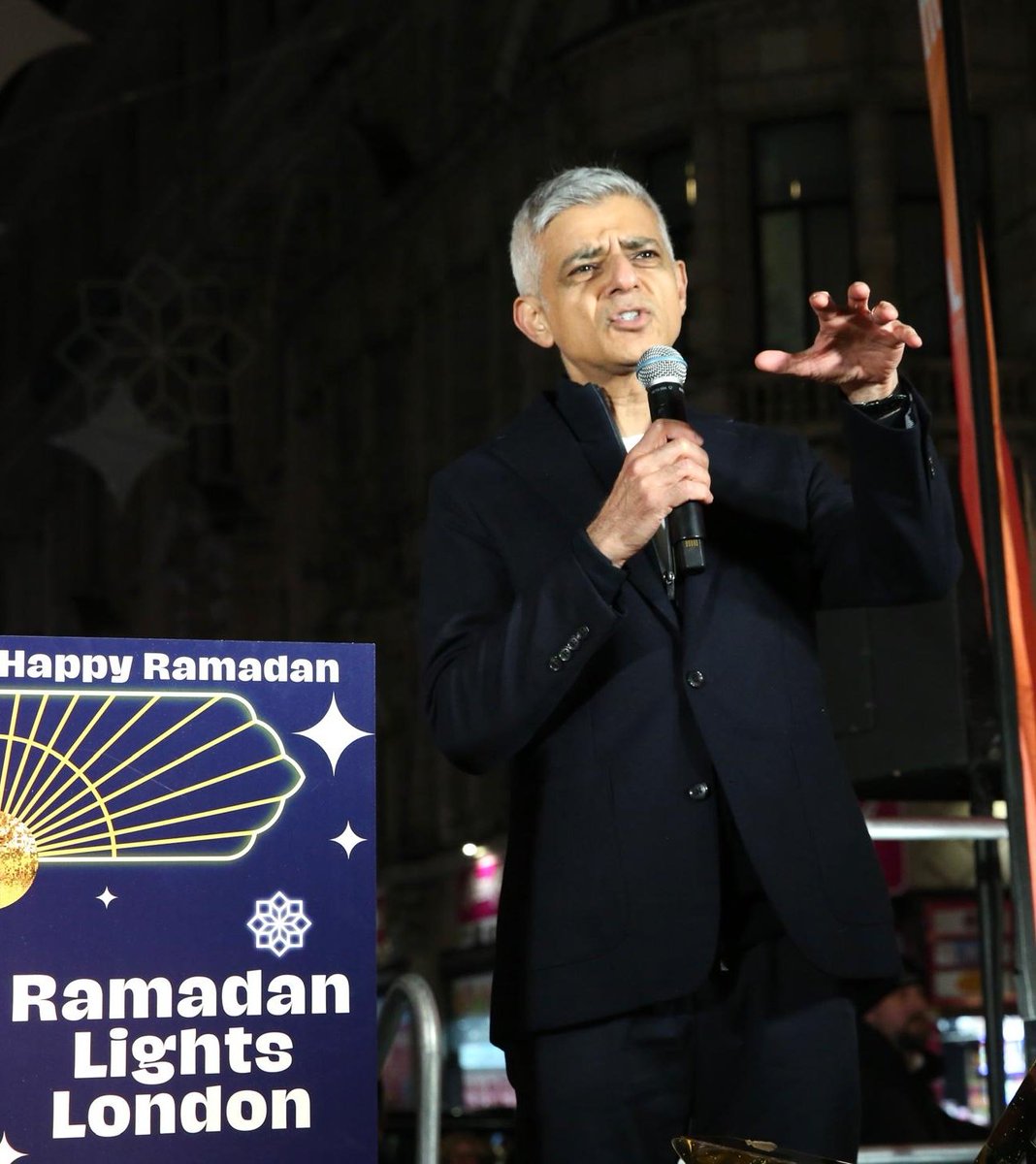
London's Ramadan lights are back, lighting up the heart of the West End ✨️
Great to take part in the switch-on celebrations - a shining symbol of the kind of city we are - inclusive, welcoming and proud to celebrate all our communities.