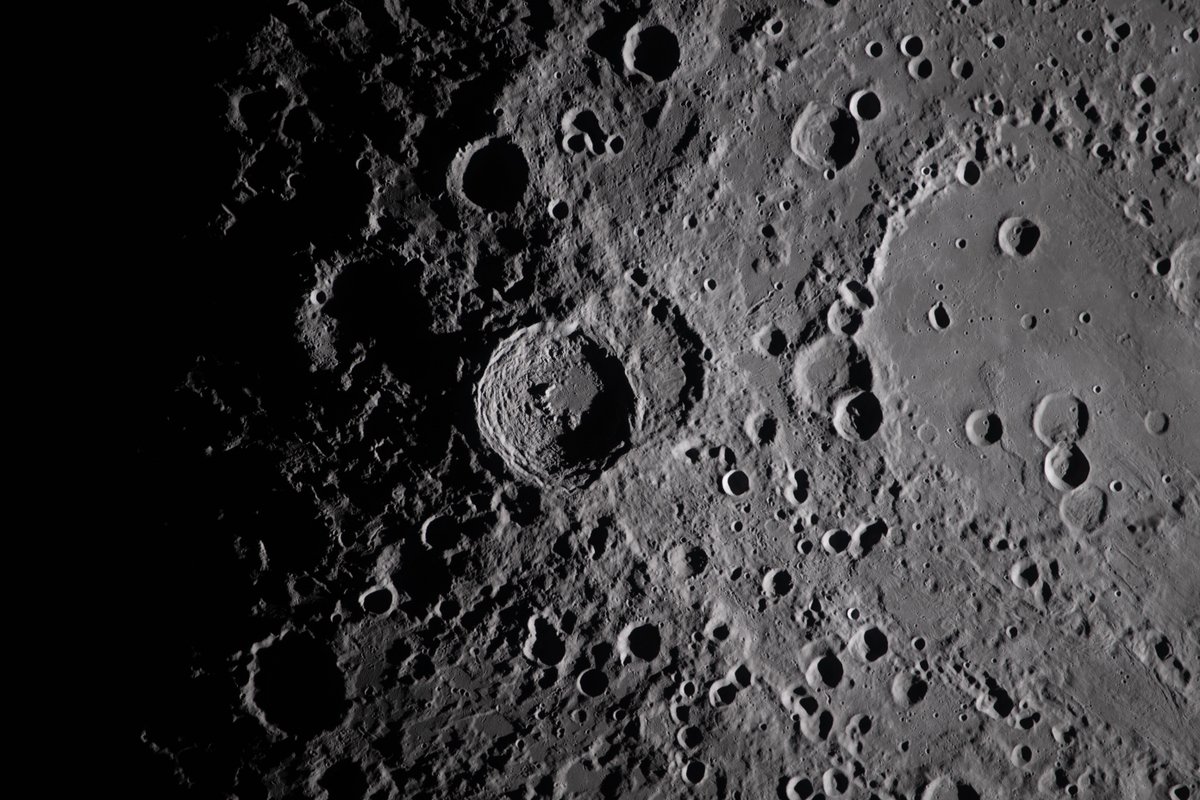
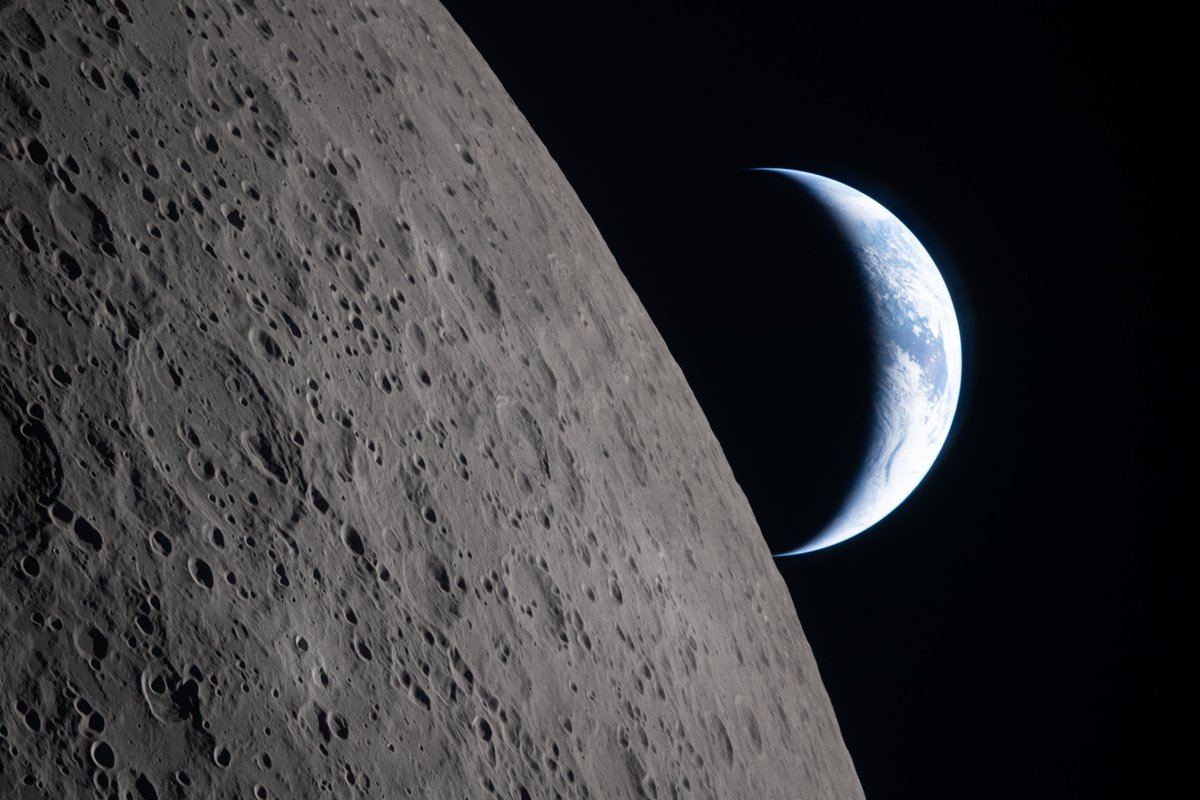
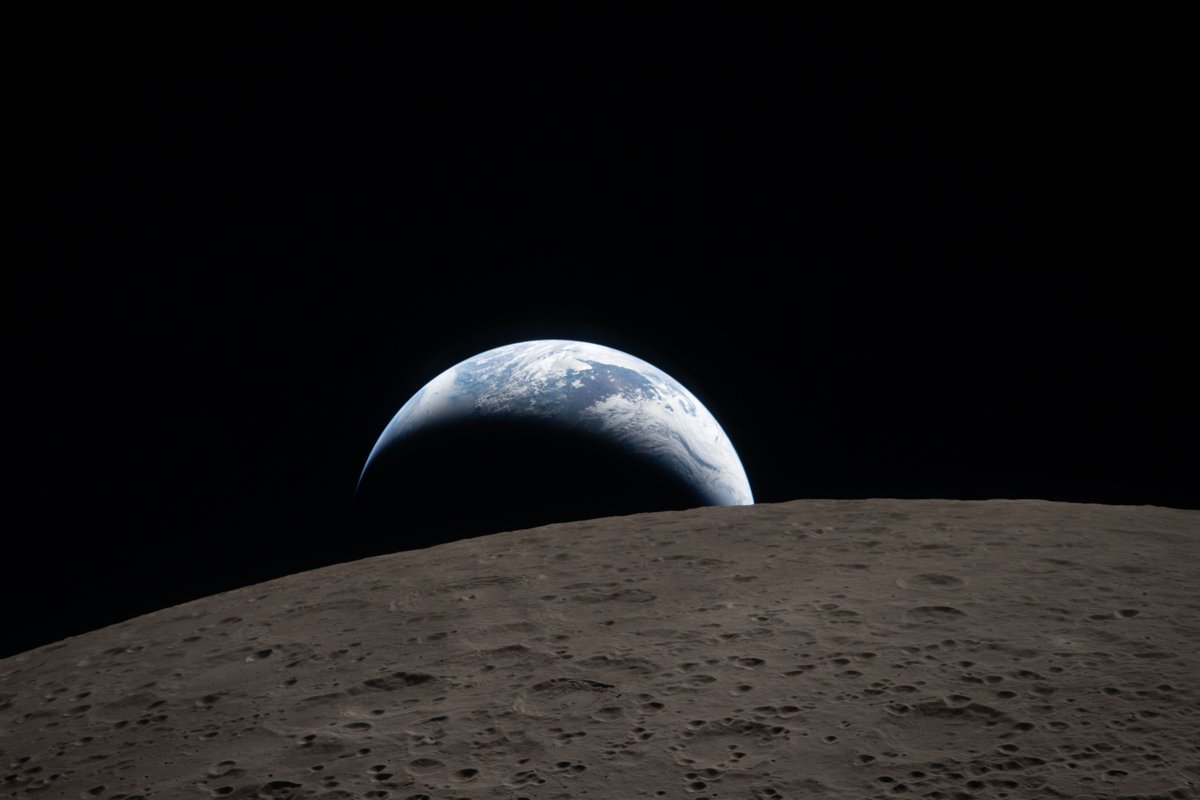
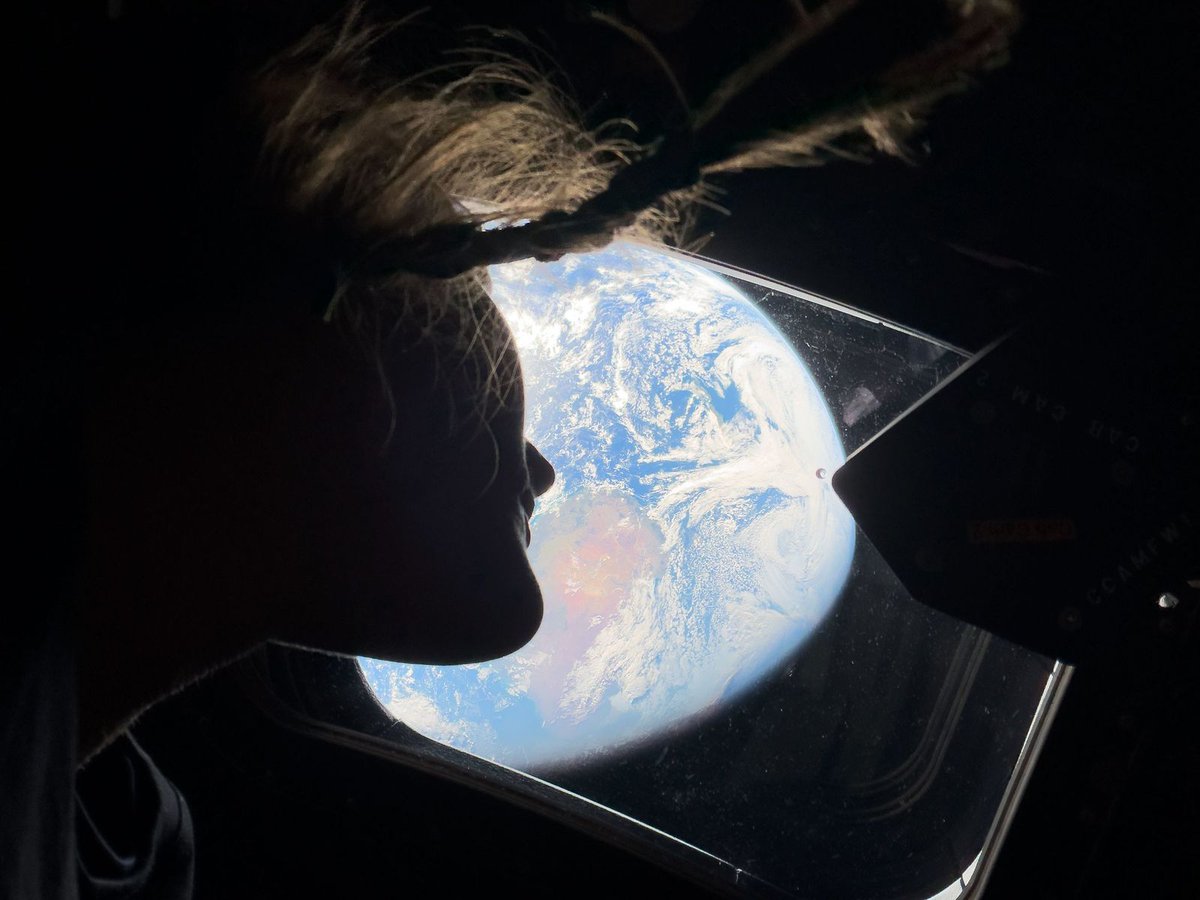
Welcome home Reid, Victor, Christina, and Jeremy! 🫶
The Artemis II astronauts have splashed down at 8:07pm ET (0007 UTC April 11), bringing their historic 10-day mission around the Moon to an end.
Hello, Moon. It’s great to be back.
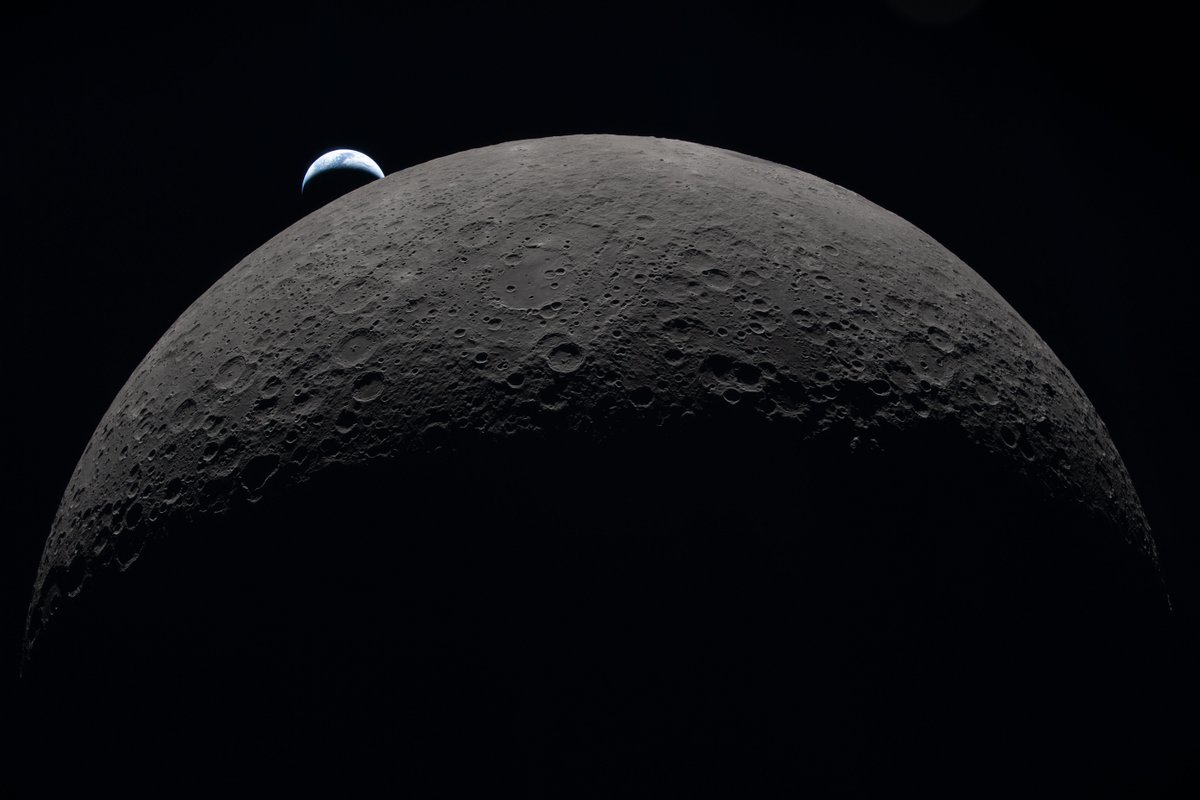
Here’s a taste of what the Artemis II astronauts photographed during their flight around the Moon. Check out more photos from the mission: https://t.co/rzM1P0QbOl
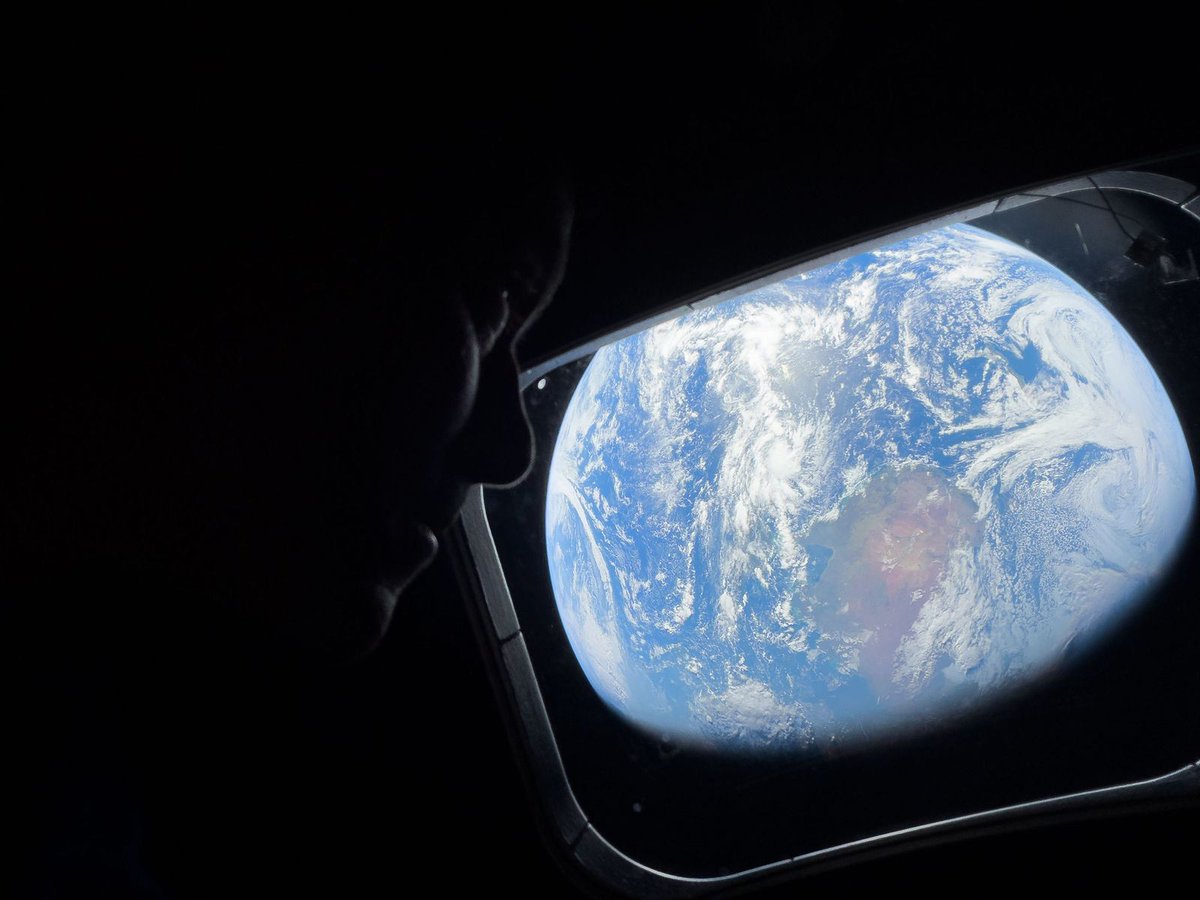
I also can't stop thinking about how this might be the greatest missed opportunity in marketing history if Apple doesn't have a billboard of these saying "Shot on iPhone" lol
NASA astronauts have been allowed to use their phones in space, and Commander Reid Wiseman and Mission Specialist Christina Koch uploaded these photos shot on an iPhone 17 Pro Max SELFIE camera
We need to discuss gamma-ray bursts. The most insane things in the universe.
When the biggest stars die, their core collapses to form a black hole. At the moment the black hole is born, a jet of high-energy radiation can shoot out like a laser, called a gamma-ray burst.
Just how powerful is a gamma-ray burst? I’ll tell you in four steps:
1) TSAR BOMBA: In 1961, the Soviet Union blew up the biggest bomb in human history in a test explosion—the Tsar Bomba. It exploded with the equivalent force of 50 megatons of TNT—more than 3,000 times the explosive force of the Hiroshima bomb.
2) SUN: The sun releases the equivalent of 91 quadrillion tons of TNT—more than a billion Tsar Bombas—every second.
3) SUPERNOVA: Giant stars die in the ultimate blaze of glory: the supernova. The biggest supernovae explode with the equivalent of 40 decillion (4 x 10^34) tons of TNT. That’s more than the amount of energy released by the sun in its entire 10-billion-year lifetime.
4) GAMMA-RAY BURST: The largest gamma-ray burst ever detected was observed in October of 2022. In a span of about ten minutes, it released the equivalent energy of 10,000 supernova—more than 10,000 times the energy the sun will release in its lifetime. In ten minutes.
Don’t fuck with gamma-ray bursts.
Steve Jobs on the most important job of a CEO
“The greatest people are self-managing. They don’t need to be managed. Once they know what to do, they’ll go figure out how to do it… What they need is a common vision, and that’s what leadership is. Leadership is having a vision, being able to articulate that so the people around you can understand it, and getting consensus on a common vision.”
Steve continues:
“We wanted people who were insanely great at what they did… and the neatest thing that happens when you get a core group ten great people is that it becomes self-policing as to who they let into that group. So I consider the most important job of someone like myself is recruiting.”
A very busy afternoon at the SpaceX test site at Mcgregor, Tx, with two multiple firings tests of the Raptor engine, the first consisting of 5 consecutive firings, Followed by a test consisting of a record of 34 consecutive firings!!!
@NASASpaceflight
https://t.co/iz6OksUj5N
Colibri has reached 100 meters! 🚀🎉
In 60 seconds, it climbed to 105m, diverted 30m north, and safely landed back to its pad. This is the flight we promised from day one, while no reusable rocket has flown freely in Europe yet!
We did it with a tiny team and under 250kCHF! 😉
When atoms get extremely cold, a few millionths of a degree above absolute zero, they lose their individual identities and blend together.
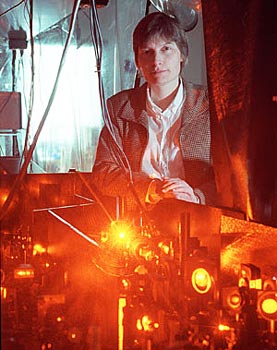
At low enough temperatures, a collection of millions of atoms can behave like a single “superatom.” This collection is known as the “Bose-Einstein Condensate,” after the two physicists whose work predicted its existence in 1924. “I was so curious to see what this new state of matter was like,” Dr. Hau said.
In June 1997, Hau and her co-workers finally cooled atoms enough to form a Bose-Einstein Condensate. “We were incredibly happy,” she said. “We had succeeded.” They were among the first people in the world to see those condensates.
She explained that scientists made a special substance called a condensate. They used lasers to change it, making it slow down light passing through. They suspended the condensate in a vacuum and shot laser pulses through it. The pulses slowed down and even stopped completely. When they turned the lasers back on, the light pulses came out again. This means they can "store" light for a short time, like pausing a video.