If you’re interested in insect protein innovation in the UK or Africa, this event is for you ➡️
Join us to discuss how we can make the most of innovation and collaboration opportunities around insect protein
#InsectProteinInnovation#InsectProtein
https://t.co/p03TKSk9Lv
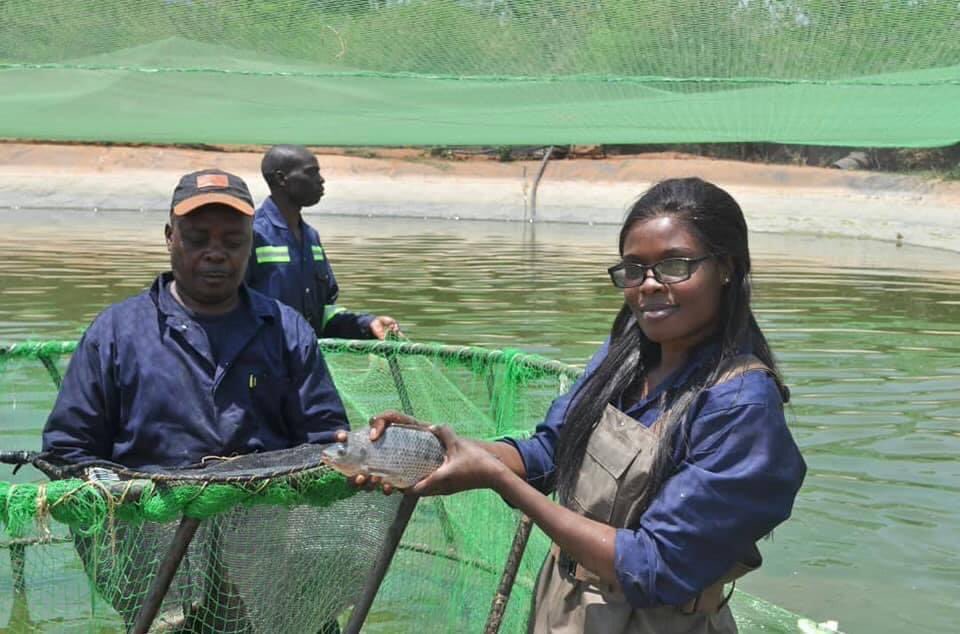
Aerial view of Kafue Fisheries, Pond area of over 120 hectares!
One of Sub-Saharan Africa’s most forward-thinking, long-lived, and commercially successful fish farming ventures.
https://t.co/UZ9Zuvw3Ob
Source: SARNISSA
It was such a great experience being part of the team that came up with this important national document.
Very ambitious Strategy to transform the aquaculture subsector in Zambia 🤗❤️.
Let’s get working!💪🏾
@MulundaArchie@BreeBwalya The other aspect is that, it has been noted that hatchery bred fingerlings tend to have a very low survival rate when restocked in natural water bodies. Better approach would be having conservation areas on the water bodies specifically designated to act as sanctuaries for fish
@MulundaArchie@BreeBwalya The challenge with restocking of fish for the capture fisheries is that it’s hard to artificially propagate most of the species we have. Out of more than 400 different species we have, it’s only the tilapias and a few other species that we have managed to breed in numbers.
@BreeBwalya There are reports already from DoF that quite a number of fish species have gone extinct in just a few years! This is alarming.
For now the fishing ban will seem counterproductive but I want to believe that in the long run, the benefits should outweigh the disadvantages.
@BreeBwalya The fishing ban is a “necessary evil” that we must embrace if we are going to sustainably manage the capture fisheries. The fishing pressure has immensely increased with potential to wipe out our fish stocks if left unregulated.
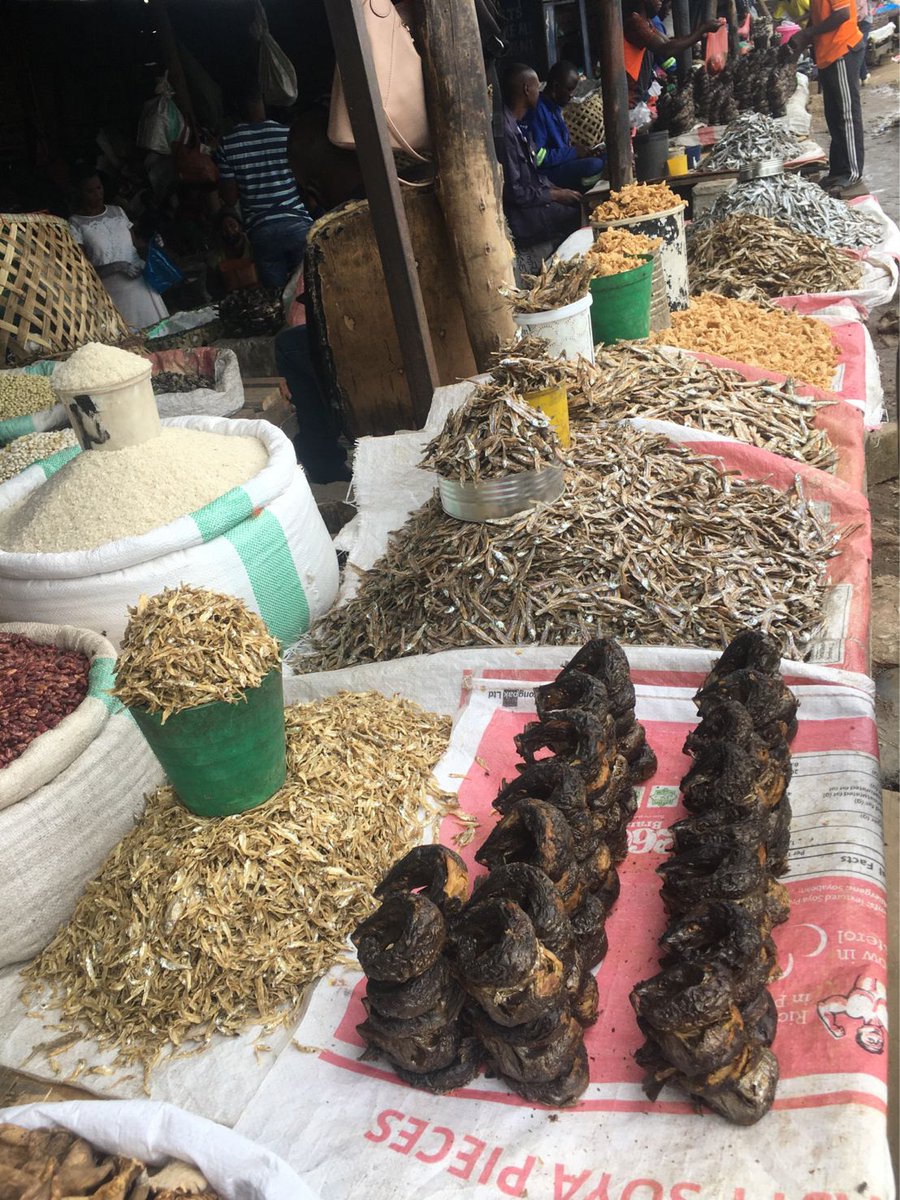
Fish prices have rocketed at Soweto due to the fish ban (e.g. Kapenta is now K300/meda!).
However, fish resources ought to be managed to maintain fish harvests at sustainable levels as they provide food, nutrition and livelihood security to millions of the population in Zambia.
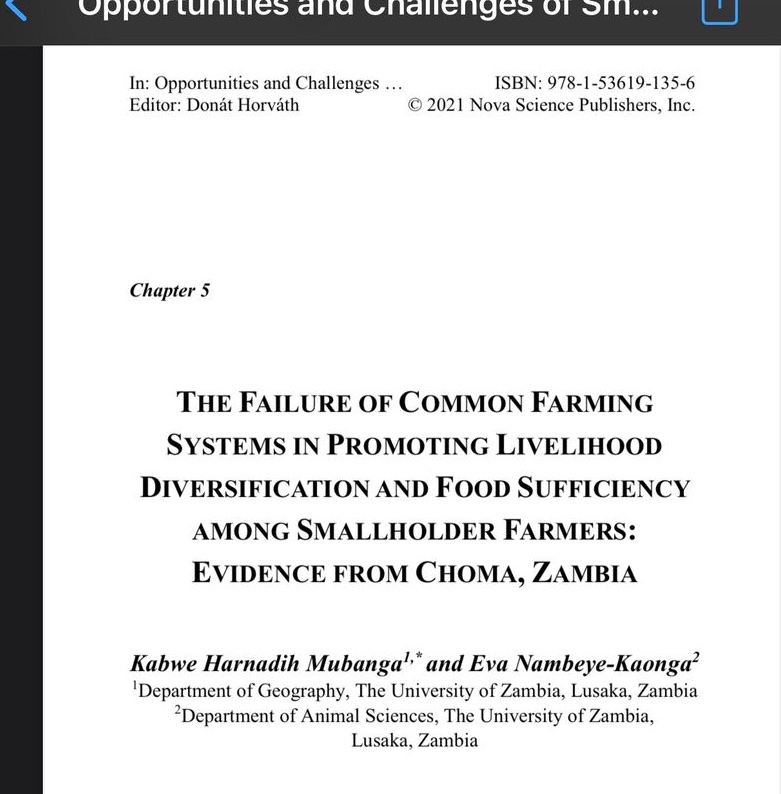
“Sustainable livelihood diversification should not be a reactive coping strategy when the main livelihood fails, but should be a sustained routine that regularly contribute to household incomes.”
Extracted from ”Opportunities and Challenges of Smallholders and Smallholding”
@BreeBwalya@Nachilala@STGeorgeZM It’s true that some fish spp of commercial importance are going extinct. But overall, DoF reports that there’s been an increase of 2.4% in fish production from capture fisheries. But this could be attributed to the increased # of fishers because catch per unit effort is decreasin