Over the past year, alarm has been mounting over the worsening crisis of kidnappings for ransom by armed groups in Ethiopia. Although these crimes are often attributed to non-state actors, reports have also implicated government forces in colluding with various armed groups and sharing in the profits.
To make matters worse, a disturbing trend has emerged: state actors are now openly justifying kidnappings for ransom. Amid ongoing civil wars, the government is increasingly relying on forced conscription to fill its ranks. Initially, the primary targets were underprivileged youth, particularly day laborers working far from their home villages. However, the focus has recently shifted to youth from wealthier families.
Reports indicate that local security officials are detaining young men as they return from school or social venues and forcibly transporting them to temporary detention facilities. While the captured youth await transportation to training camps, brokers approach their families, offering to secure the release of their sons in exchange for substantial payments. These ransoms range from 100,000 to 500,000 birr, depending on the family's wealth. Officials and brokers can easily access family income data from banks and tax records, enabling them to assess the targets ability to pay and determine how much to demand. Those without cash on hand have been forced to borrow from friends or raise funds through their afosha (እድር). Scared of being the next victim, many young men have gone into hiding abandoning their studies and jobs.
Perhaps driven by its financial incentives, this recent forced conscription is not limited to remote rural villages; families in major cities and towns have now become the primary targets. This is not merely based on reports from across the country—a family I personally know had to pay 300,000 birr to secure their son’s release just a few days ago. Such extortion, at a time when the cost of living has become unbearable, is cruel.
Forced conscription itself is a grave violation of human rights, but using it as a state-sponsored tactic for ransom extortion shows a shocking disregard for the basic decency expected of even the most authoritarian government. Whats happening to our people is just tragic!
🇵🇸 🇱🇧 Emmanuel Macron et Michel Barnier, n’oubliez pas Jeudi, pendant que vous applaudirez l’équipe représentant un pays qui commet un génocide,
N’oubliez pas qu’à Gaza il n’y a plus de terrain de football et pourtant l’équipe israélienne tire quand même, mais dans la poitrine des enfants
N’oubliez pas qu’en Palestine comme au Liban, les frappes sont aériennes et qu’elles massacrent des innocents.
Il ne sera jamais ni normal ni moral, ni même raisonnable, d’accueillir les bras ouverts Israël en plein génocide.
🟢 Cette Dame éthiopienne a travaillé pendant 30ans au Liban comme femme de ménage, pour payer les frais des études de son enfant. 30ans après, son fils devient pilote. Lors de son vol pour rentrer définitivement chez elle en Éthiopie, elle découvre avec surprise que son fils est le commandant de bord de l'avion qui la ramène dans son pays.
« MAMAN, JE TE RAMÈNE À LA MAISON....» 🙏🏽❤️
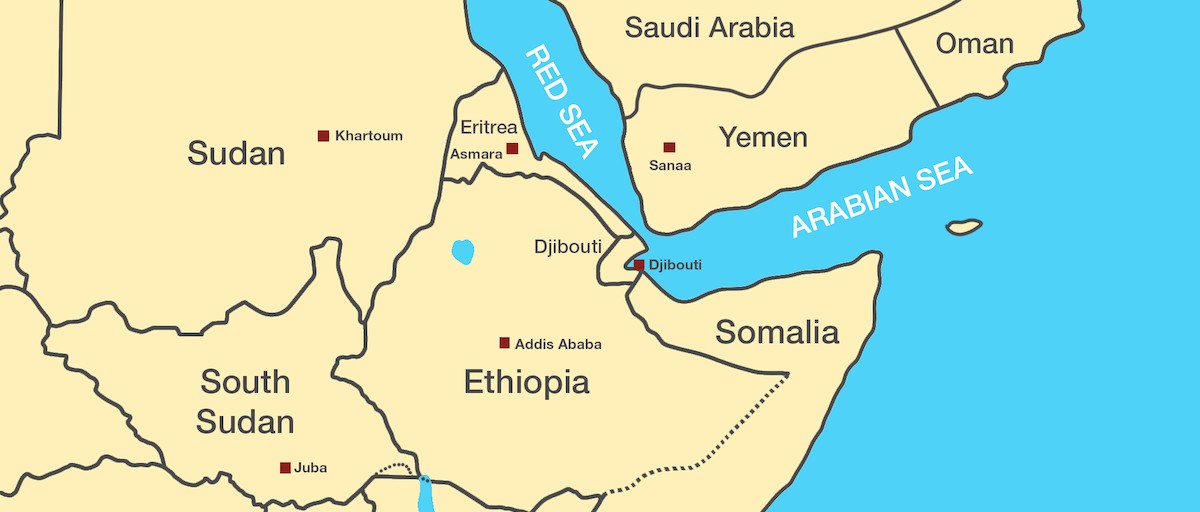
#Eritrea with 3.13% and #Djibouti with 0.95% of Ethiopia's population revel in vast maritime access, while 120M Ethiopians yearn for a sliver of the same opportunity. Despite Ethiopia quenching the thirst of these lands with its fresh waters, the reciprocity at sea remains a distant shore. #Ethiopia stands unique, as the only nation with such a vast populace, a historical embrace with the Red Sea, and proximity to the sea, yet remains landlocked. It’s an anomaly that begs rectification. International laws often echo the essence of equitable access to natural resources. Perhaps, a new chapter of maritime law needs to be scripted, one that considers the substantial population and historical ties to ensure rightful sea access to nations like Ethiopia. How does a colossus of culture and populace stand landlocked while its tiny neighbors sail on open waters? It’s not a plea, it's a demand for maritime justice. Ethiopia’s rightful sea access is overdue. it is imperative not only for its people but for regional symbiosis #Ethiopia #RedSea #MaritimeJustice