This account will be sunset — meaning it will become inactive, but posts will remain on the page. In the future, the account may eventually be deactivated, and posts removed from public view. NASA's Office of Communications will maintain the agency's social media data in accordance with the our records retention policies.
Over time, NASA’s social media portfolio grew to more than 400 accounts across dozens of platforms. While each account has served an important purpose in telling our story, our focus is to improve the user experience through more cohesive messaging. We are reducing the overall number of accounts for a simplified presence that continues to inform, educate, and inspire the public.
For the past six years, our TESS mission has been staring at the sky for long periods, hunting for possible planets outside our solar system. Since TESS catches changes in its view, it can also help us find and study other dynamic sources — here are a few of our favorites! 🧵
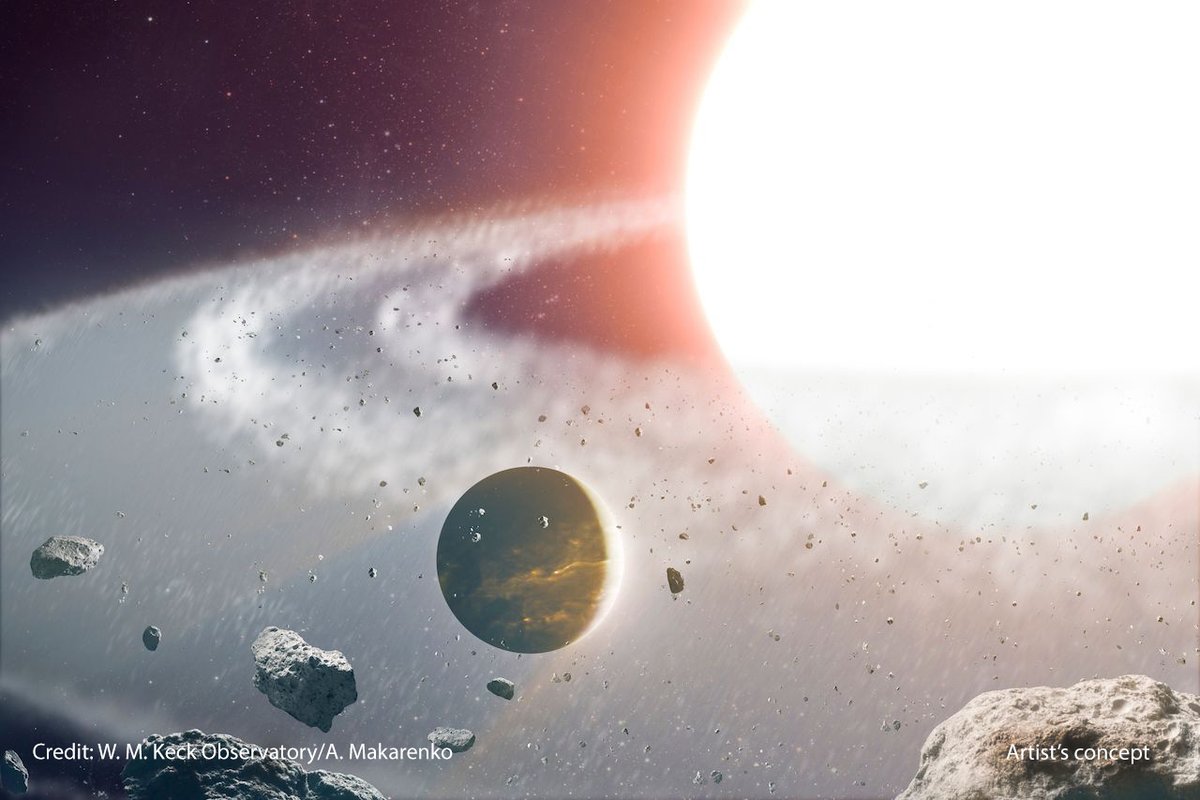
@NASA@NASAWebb Exoplanet 8 Ursae Minoris is somehow orbiting a star that should have destroyed it. TESS studied a star in the latter stages of becoming a red giant – and discovered a planet in a stable orbit! https://t.co/6B2POkz933
#OTD in 2018, @NASA launched the Transiting Exoplanet Survey Satellite to search for new worlds. So far, it’s discovered 432 planets and 7,138 planet candidates! https://t.co/V21GAtWwex Here are some of the wondrous worlds.🧵⬇️
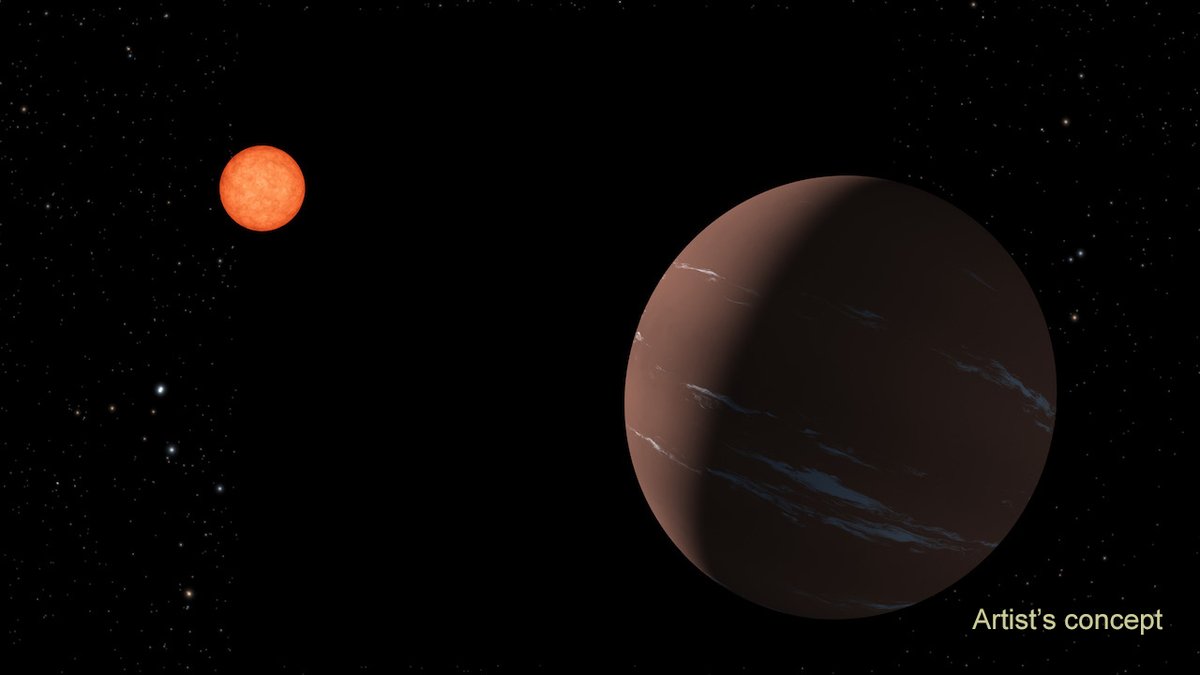
@NASA@NASAWebb A super-Earth in the habitable zone! TOI-715 b orbits a small, reddish star that is, by astronomical standards, fairly close – only 137 light-years away. The same system also might harbor a second, Earth-sized planet! https://t.co/Mt7qSi5ffT
April is #CitSciMonth and there are lots of ways to join in. Of course, we're partial to the programs where you can discover worlds, but you do you and @DoNASAScience! https://t.co/SurKKApeUX
Jump in and learn with the science teams of three NASA projects during the 12-Hour #OneMillionActsOfScience online Palooza, 7-10 pm ET, today! Register: https://t.co/X3cnT9VRrd #CitSciMonth
Of 5,609 confirmed exoplanets, just 200 are thought to be terrestrial – rocky worlds like Earth and Mars. Fewer still are in their stars' habitable zones. That doesn't mean they're inhabited, of course, but we're looking! https://t.co/OsnvUQBxDQ
In a cosmic ballroom 1,900 light-years away, six stars are dancing in pairs across space. All three pairs are entwined, and all six stars go through eclipses to our view. https://t.co/IXxGdNMVeC
Pretty in purple 💜
Nearly 200,000 light-years from Earth, the Large Magellanic Cloud circles the Milky Way in a long and slow dance around our galaxy. Vast clouds of gas slowly collapse to form new stars. https://t.co/HJXfUODs4H
It's an honor just to be nominated (but...vote for us 😉)
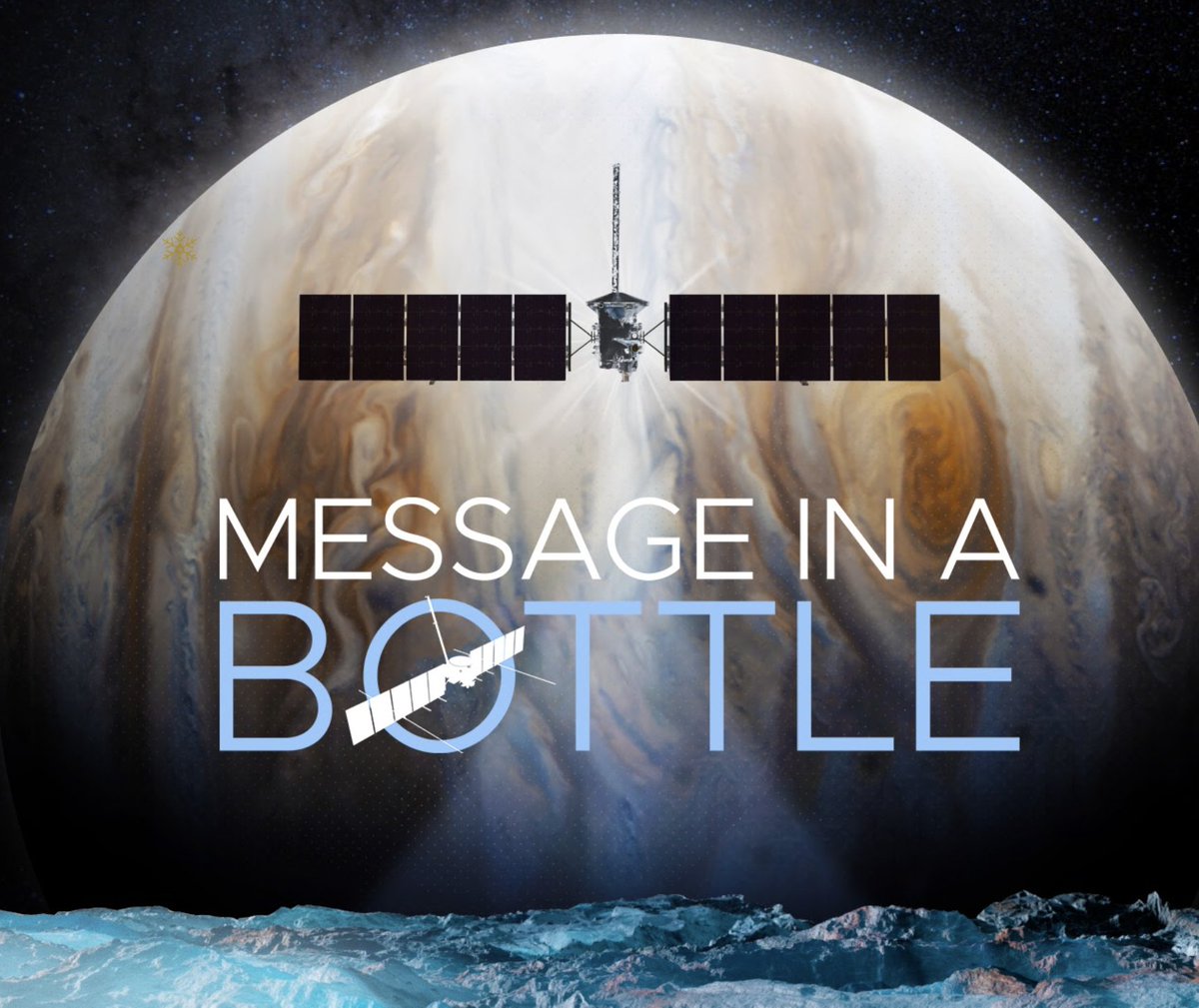
NASA is up for 13 #Webbys, including social media and broadcast coverage of two planetary missions - #OSIRISREx and @EuropaClipper!
Here's how to vote for your favorite NASA internet moments: https://t.co/slowKcWtVg
A super-Earth in the habitable zone
1,400 light-years away, Earth has a bigger, older cousin. Kepler-452 b orbits a Sun-like star in 385 days and has a temperature similar to Earth's.
https://t.co/apGN9irNQB
In a cosmic ballroom 1,900 light-years away, six stars are dancing in pairs across space. All three pairs are entwined, and all six stars go through eclipses to our view. https://t.co/IXxGdNMVeC