@c_bonsell@alinaCO2spera @ArcticLagoons @USLTER We haven't! I will try to find them next time we head out. Sounds much more dignified. Craig will be pleased.
PhD student @natakisgriffin visits Andrews Forest in Oregon (@HJA_Live) after the #HolidayFire ripped through its watersheds, and learns from scientists how fire will effect future research and the forest.
https://t.co/HpBkDQkviV
@Time2EatTheRich If you aren't on there already, join the PNW animal natural disaster/fire evacuation resource group on Facebook. Many people offering to help transport and shelter animals from evacuated/threatened areas.
Although exposed to the atmosphere for a _very_ long time (~millions of years), some Antarctic soils are uninhabited by microbes. I know, right? Check out our preprint: https://t.co/mAu5HKaSNA @NoahFierer
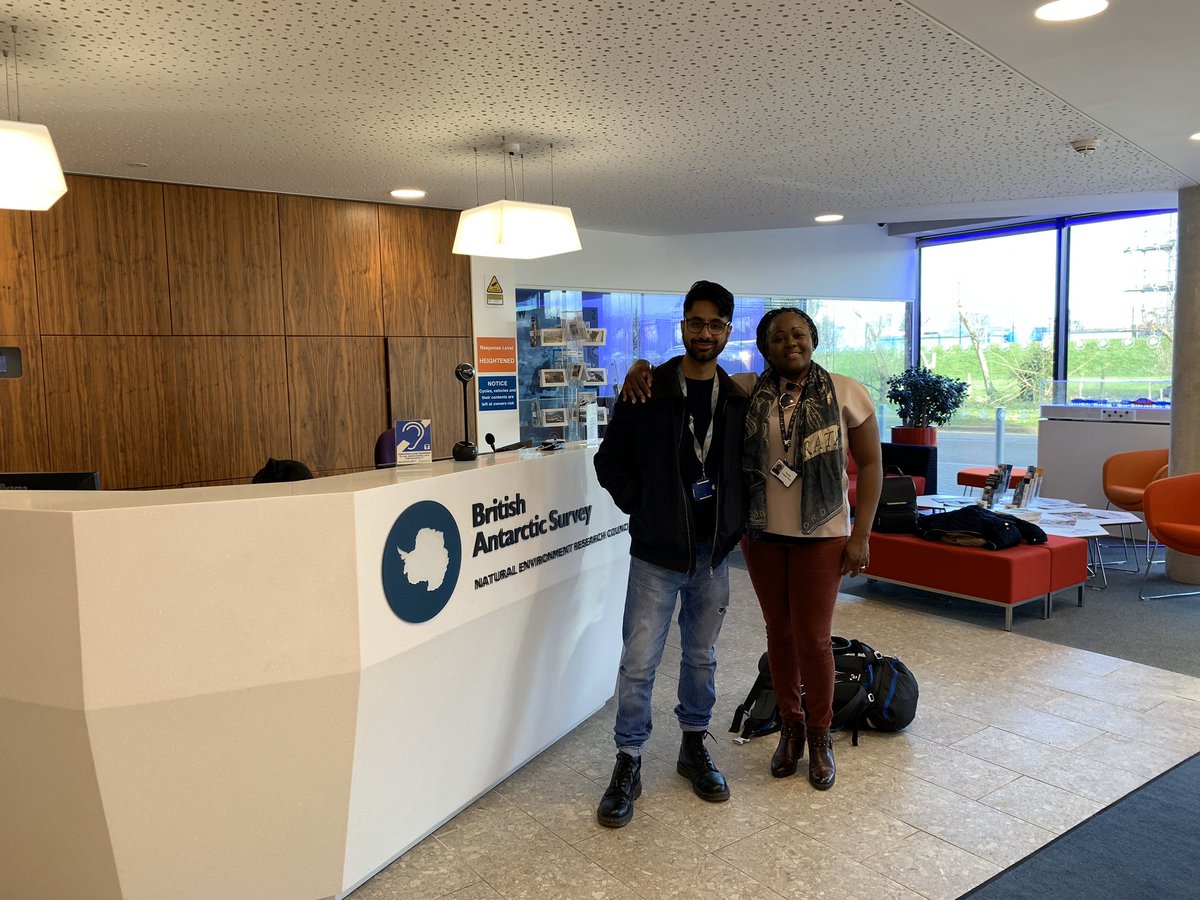
Whether it's as a scientist, engineer, doctor, estates manager (the list is endless!), If you're Black & have been involved in polar research, please say hi! We want to update the sepia toned image of Polar Explorers!
#BlackInNature#black2nature#BlackBirders#BlackAFinSTEM
I wrote about doing science in Antarctica with the @MCM_LTER's Wormherders for the @USLTER road trip blog! Featuring the awesome @frostyworms and @alyssaurousrex. Read it here: https://t.co/fmkqqXgrv0
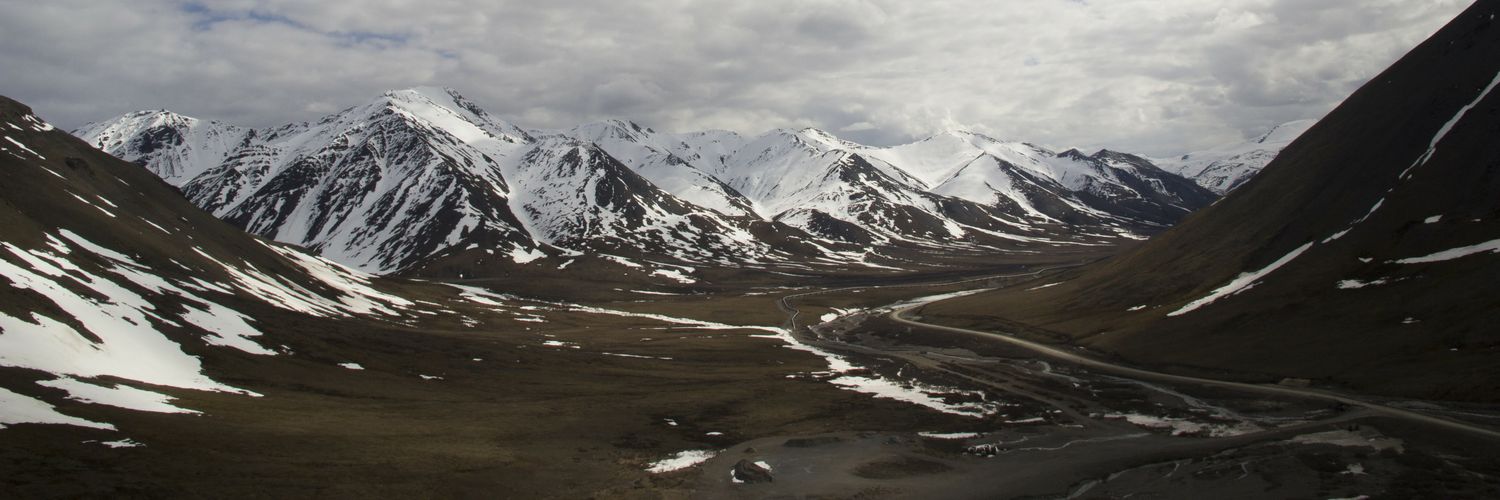
Calendar notified me that I was supposed to be out collecting samples on the Beaufort Sea coast today. Happy to be #FlatteningTheCurve and analyzing old data at home, but I sure miss the awesome @ArcticLagoons scientists. Throwback to a midnight trip near Prudhoe Bay last August.
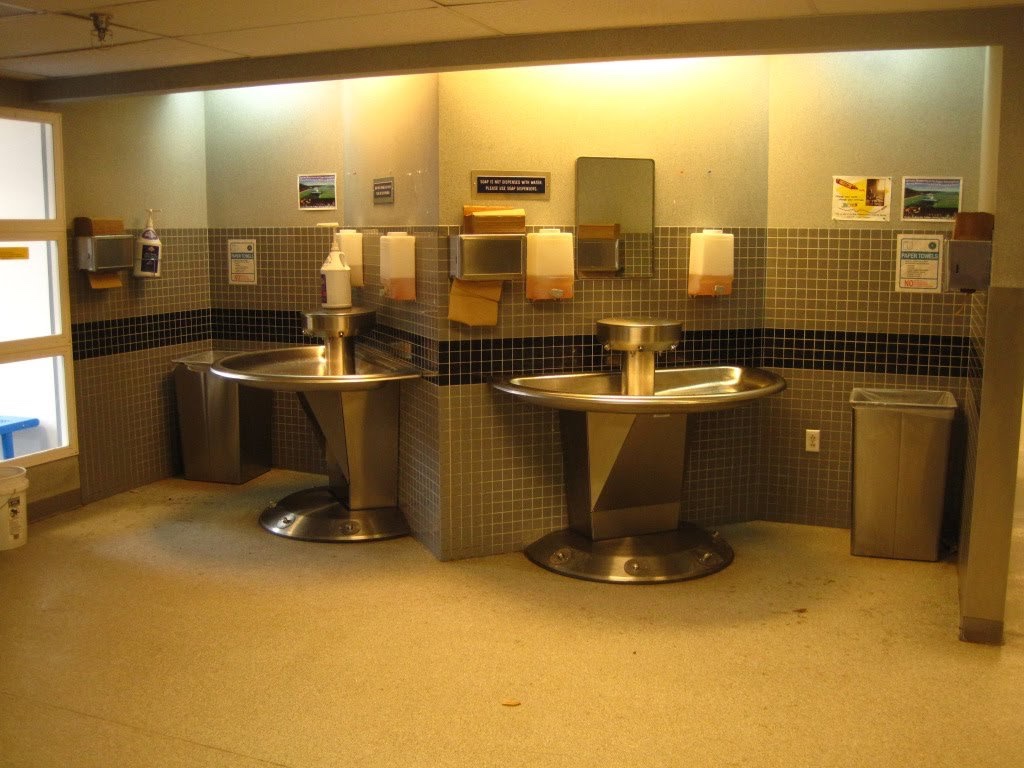
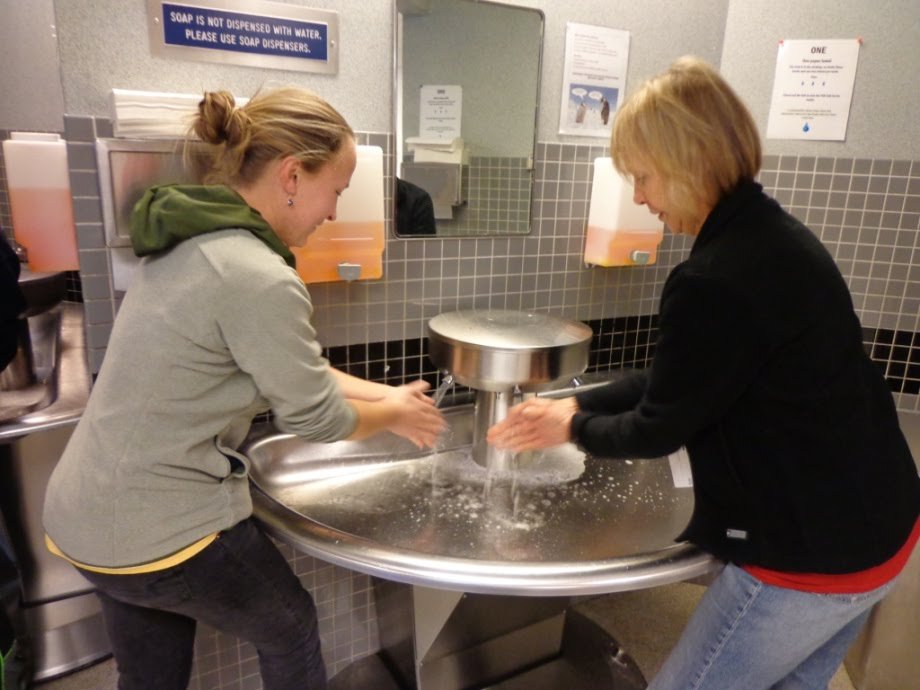
With hand washing being a hot topic I wanted to share this (social) tech from Antarctica.
At McMurdo galley entry, there’s a large communal hand washing station. Faucets operated by foot pedals. Everyone sees everyone washing before entering.
Would be cool to see elsewhere.
It's the perfect morning for a permafrost twitter-tour!
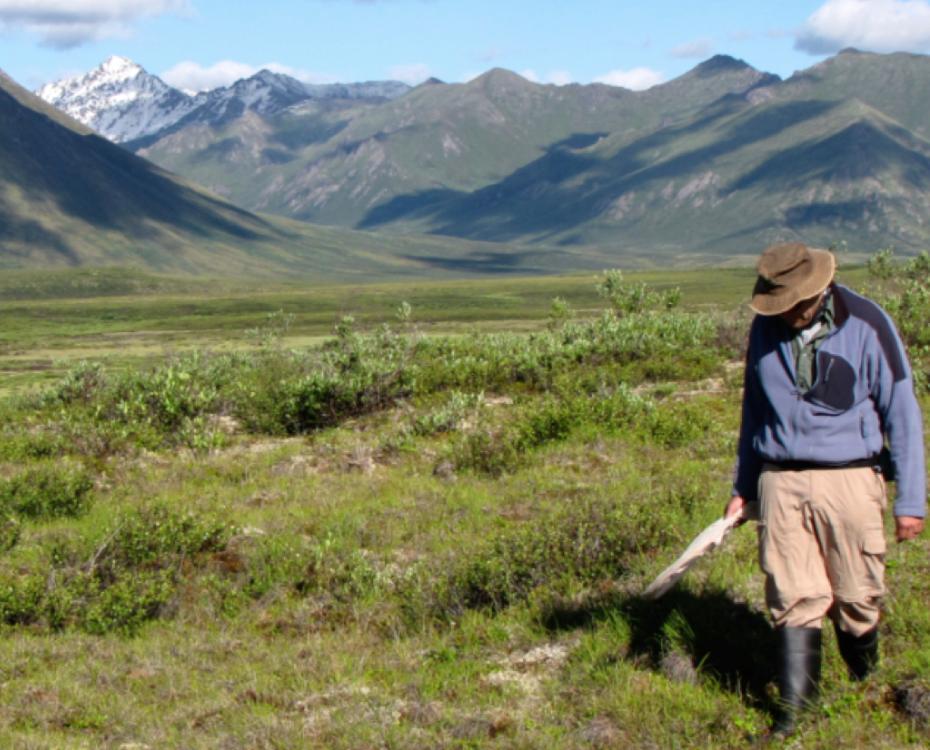
So what is permafrost? Permafrost is frozen ground that remains in a frozen state for multiple years. But it's way more complicated than that. You can be walking on permafrost & not even know it. Image: C.Buddle, McGill
Our paper about my Twitter namesake just came out! The story is twofold: 1. thermokarst could increase the permafrost climate feedback (PCF) by 50%, and 2. the PCF is relatively small compared to human emissions. Conclusion: reduce human emissions now. https://t.co/eDFDhI0sZH
My @OSUCEOAS classmates and I spent #AntarcticaDay working on the Wikipedia page for subglacial lakes. Our edits (featuring many cool microbes) will be published soon!
LIVE in 30 minutes: tune in to hear the otherworldly vocalizations of Weddell seals, broadcast from under the sea ice in McMurdo Sound, #Antarctica. https://t.co/m5RGgpCgqg
Models predict that large parts of the Arctic will cross the acidification threshold as early as 2030. As the corrosive water spreads, it will spill into neighboring regions, where it could impact the ocean food web and threaten important fisheries. https://t.co/Zh6zS1rsI8
Pleasure working with @ArcticPermafrst and ~70 others on this synthesis. Punchline: permafrost ecosystems lose 630 Tg/yr more carbon in winter than they gain all summer. Winter losses increase 40% for business-as-usual, but 17% if emissions are reduced. https://t.co/qHQTfdGkPS