These days, I am seriously considering to enter a secular institute where I can profess the evangelical vows while living and working in the world.
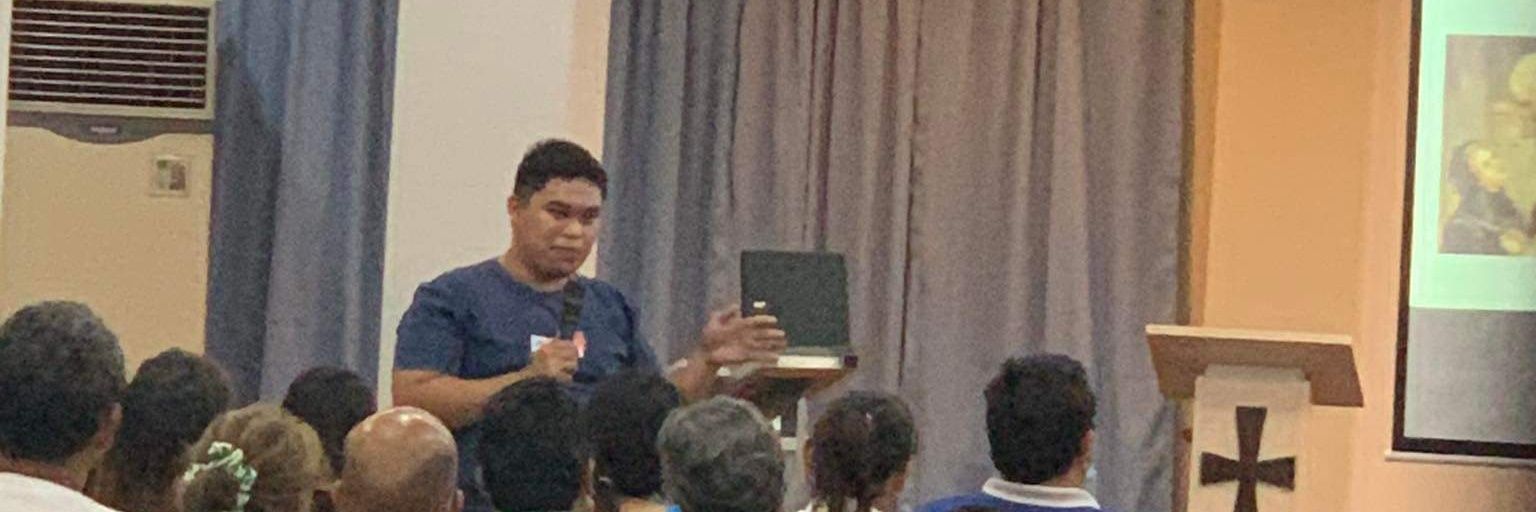
Teaching is a gift that God has given to me, and that priesthood is not the only form of consecration that I can give to God.
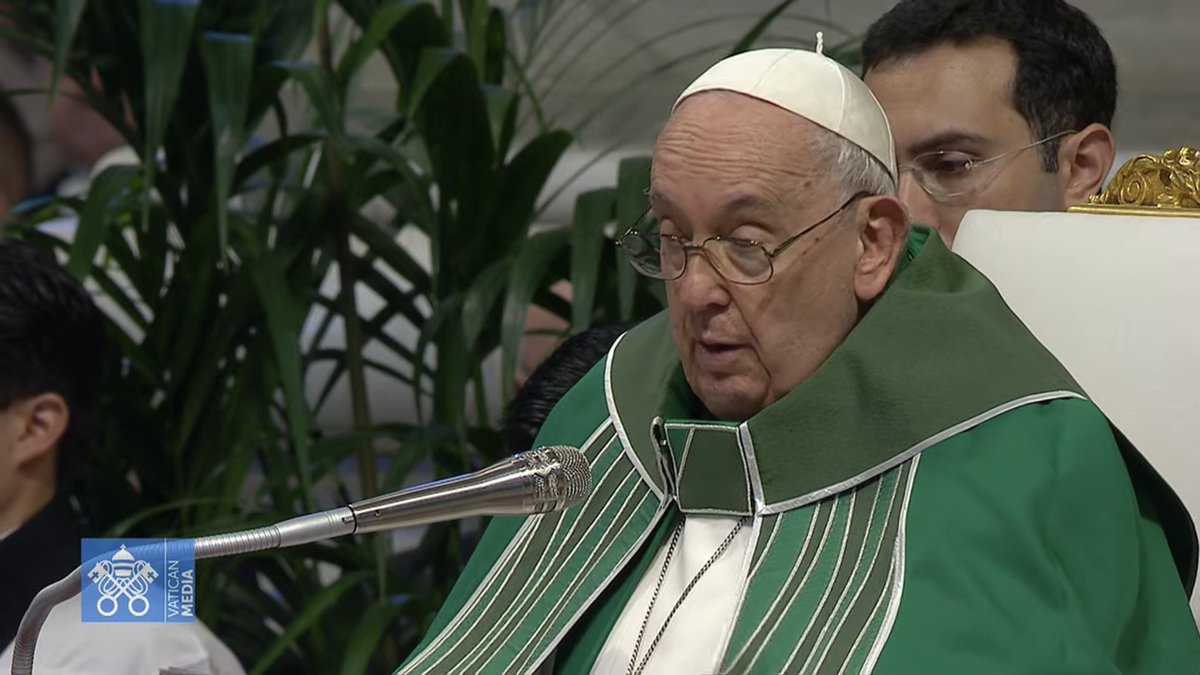
Pope Francis at Closing Mass of the Synod emphasises a return to Eucharistic Adoration that has gone out of fashion since Vatican II: “Let us return to worship, especially priests. Let us devote time everyday to converse with Jesus, the Good Shepherd, in the Tabernacle. Only in silent adoration can the word of God live in our words. Only in His presence will we be purified, transformed, and renewed by the fire of His Spirit. Brothers and sister let us adore Our Lord Jesus”
I expected it pero I still felt some pain inside me as it happened. Part of me wants to really go out and be kind, but part of me also understands the need for some rigor.
While I think it is wonderful that the American bishops have launched a 'Eucharistic Revival', I also think it should have been preceded by a year focusing upon the Sacrament of Penance. It was St. John Paul II who emphasized the connection between the two sacraments: "The two sacraments of the Eucharist and Penance are very closely connected. Because the Eucharist makes present the redeeming sacrifice of the Cross, perpetuating it sacramentally, it naturally gives rise to a continuous need for conversion, for a personal response to the appeal made by St. Paul to the Christians of Corinth: 'We beseech you on behalf of Christ, be reconciled to God' (II Cor 5:20). If a Christian's conscience is burdened by serious sin, then the path of penance through the sacrament of Reconciliation becomes necessary for full participation in the Eucharistic Sacrifice" (Ecclesia de Eucharistia, n. 37).
Seeing my former students achieve more than I could (laudes, honors, community involvement, being good parents) is a humbling but very happy experience.
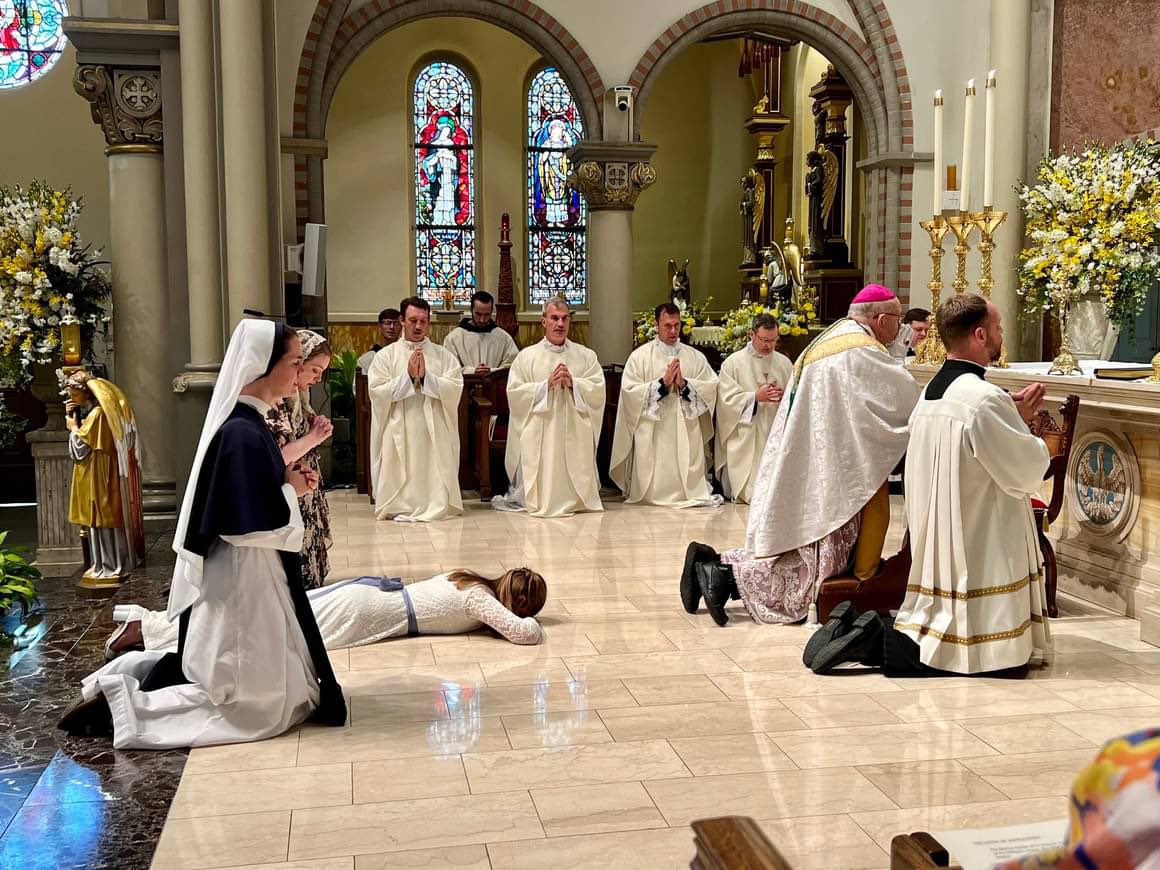
This happened today in the Diocese of Lafayette, Louisiana. What you see here is a woman (lying prostrate) being consecrated as a virgin, living in the world. She will not be a nun. She will simply live among us as celibate. She has given up marriage, sex and children for Jesus Christ. Believe it or not, this is becoming more common these days. The intense perversity of our modern world, contrasted to the intense purity of Jesus Christ, is drawing more men and women to a life of celibacy.
@pappiangela Kapansin mo usahay akong response sa misbehavior is iignore. Kakita ko sa una how my teachers lose their mind and their will to teach kay nag misbehave. So ako, my philosophy is "hala sige, pero ayaw ko pasanginli kung akong standards taas".
people don't excite me anymore. if no one talks to me, it's alright. if someone hates me, that's fine. i don't have enough energy to argue and give time to certain people who doesn't have anything good to do with my state of growing. if i needed to be alone, i'll go with it.
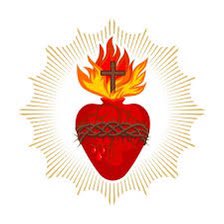
Devotion to the Sacred Heart can be pathetically cheapened by treating it as just another devotion. On the contrary, it contains in its doctrinal foundation what the popes have reminded us are the seven cardinal mysteries of our Catholic Faith, which the world denies but we accept.
These seven cardinal mysteries are:
1. God created the human race out of love. He did not need to create anything or anyone. Moreover, He elevated the human race to a supernatural destiny, nothing less than the vision of the Holy Trinity for all eternity. All of this not because He had to, but only because He loves.
2. God became man out of love for the sinful human race. He became a mortal man to die to prove how much He loves us. He assumed a human will that He might freely suffer. Do all humans suffer? Yes. Do all humans suffer willingly? No. The essence of love is to suffer willingly for the one you claim to love. God became man to suffer with a human will.
3. Christ, the Son of God who became the Son of Man, suffered and died not just for the predestined elect, but for all mankind.
4. God gives everyone enough grace to be saved. Is everyone saved? No. God wants all men to be saved yet gave us a free will with which we can choose either to love Him or love ourselves even to the contempt of God.
5. We have a free will by which we can really choose to love God. When we want what God wants then we are loving Him. Love unites two wills: the will of God, by which He offers us His grace; and our will, by which we correspond with the graces we receive.
6. We have a free will that can go beyond the call of duty. We can do more than just cooperate with God's grace to avoid sin. We can also love God more than we have to . . . more than we must. Read the letters of St. Margaret Mary. After twenty pages you will have to brace yourself. This loving God more than we have to means loving the cross. Christ joyfully chose the cross, and invites us to do the same, out of love for Him.
7. We believe that Jesus Christ gave us Himself in the Holy Eucharist, by which He remains now on earth, in the fullness of his humanity and with his living human Heart. In every Mass, He freely offers Himself to his heavenly Father, and through the Mass confers the graces He won for us on the cross. In Holy Communion, we receive Him with his Heart into our own hearts, to sustain our selfless love of Him by our enduring love for everyone whom He places into our lives.
Lord Jesus, we believe you are our God who became man so that you might have a human heart, so that you might evoke in our hearts a corresponding love for you. Strengthen our weakness and protect us from ever running away from the cross. Help us to love you here in this valley of tears by faith, so that we can continue loving you in that everlasting embrace for which we were made.
(Excerpted from an article by Fr. John Hardon, The Doctrinal Foundation of Devotion to the Sacred Heart, 1990)