🚨 New paper out!
We present a novel approach for automated epilepsy surgery planning using multimodal features and graph neural networks.
Smarter, data-driven decisions for better outcomes.
🧠🔗📊
Read here 👉 https://t.co/ohwS67R1iO
I'm proud to share our latest work showing that 5 min of iEEG can achieve similar results in localization of the epileptogenic zone as a model based on long recordings. BUT the segment must be carefully selected, preferably from NREM sleep. Else, it can give inaccurate results!
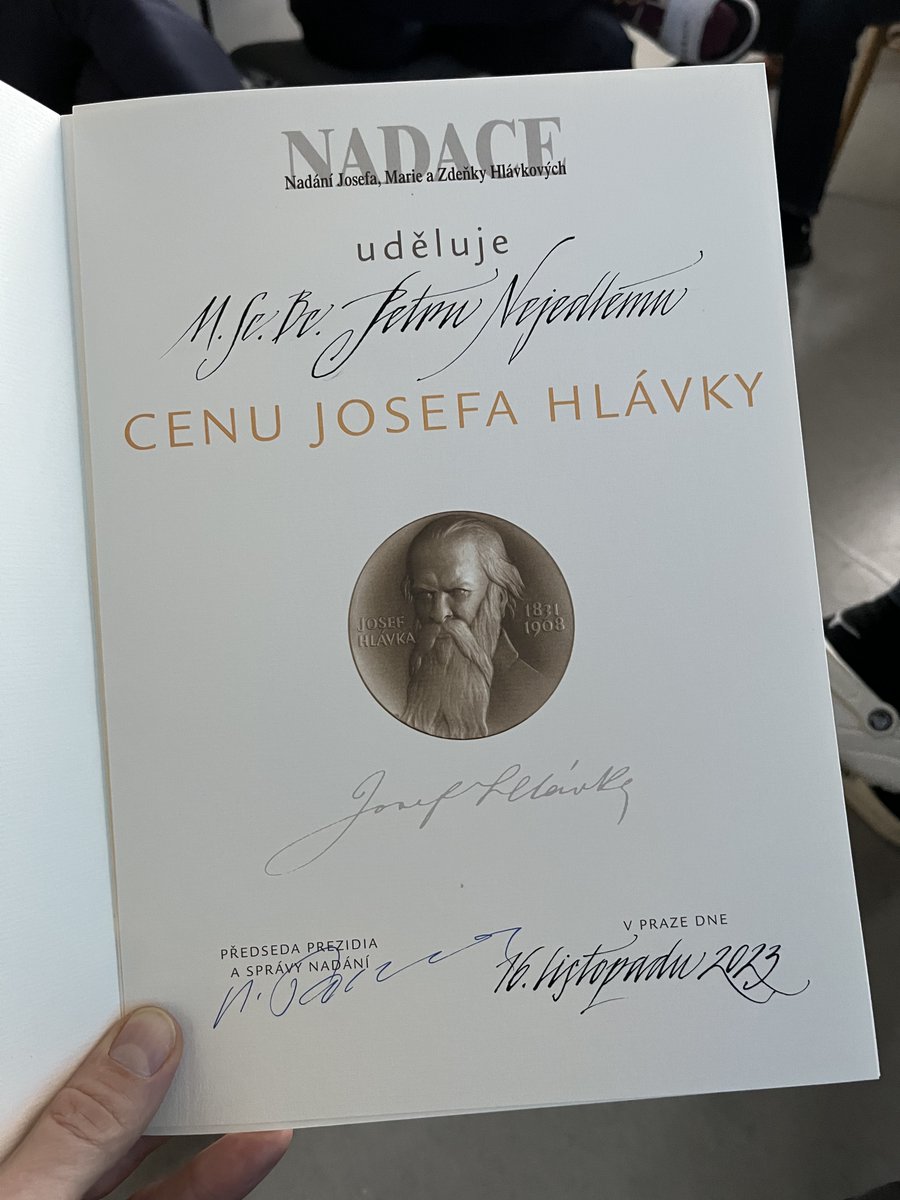
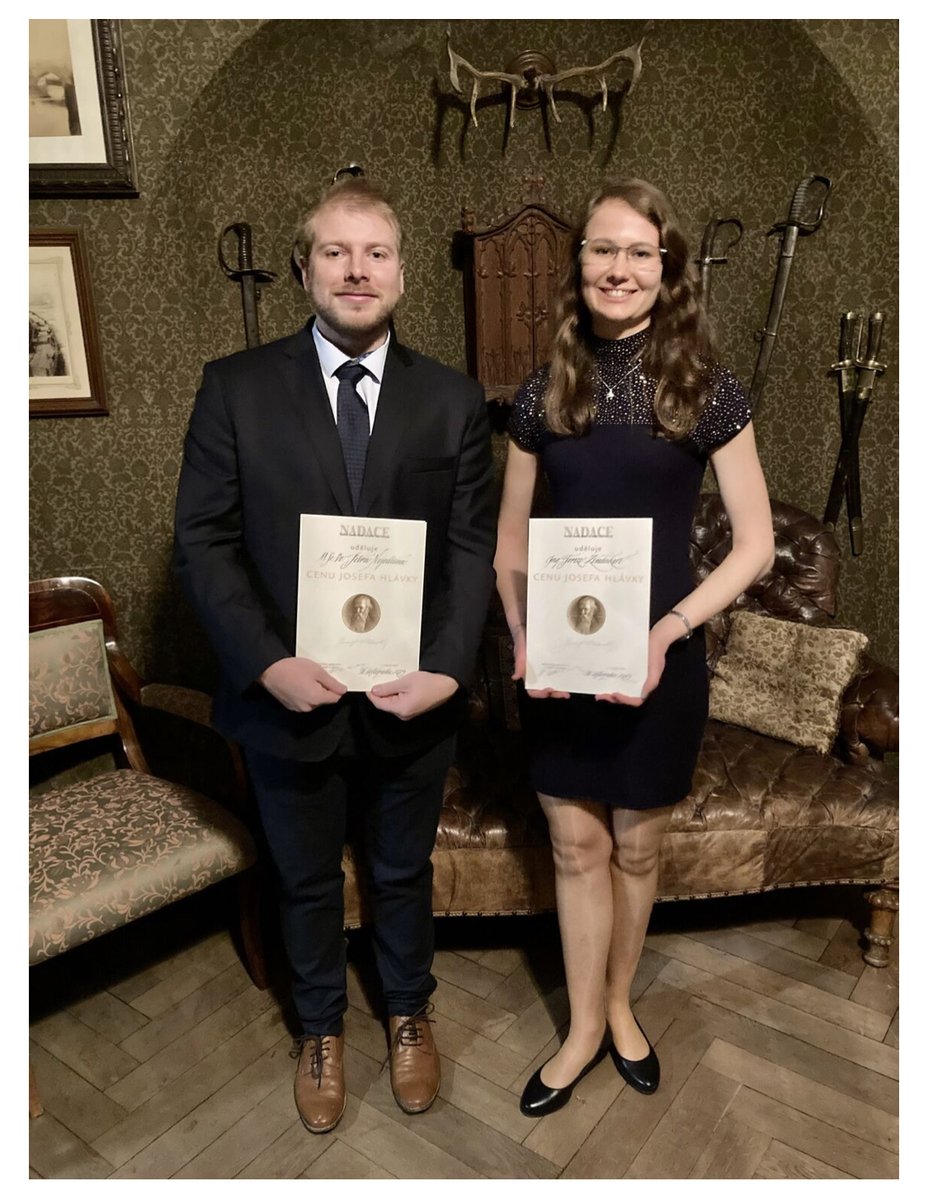
Congratulations to Petr Nejedly @petrnejedly5 from our department of Medical Signals and Tereza Zemankova from the department of Levitational Photonics on receiving the Josef Hlavka prize! 🥳🏆 @Akademie_ved_CR@BBEER_lab@AIMT_lab
What is a big patient cohort in intracranial EEG study? 50? We are submitting a grant proposal about a decentralized multicenter database aiming for 1000 patients and more! In cooperation with @GregoryWorrell MSEL lab and @AnphyLab. Wish us luck! 🤞
Take a moment to read this great thread by @BadBalticTakes, then share it far and wide.
Russian athletes are not neutral and you can't separate sports and politics.
Relative entropy localizes the epileptogenic zone with the same performance as HFOs, while computationally more efficient and with one threshold for all patients! Promising feature for generalized models!
@vodynus@AnphyLab@BenHBrinkmann@GregoryWorrell
https://t.co/IVTsFkaqe1
Very high-frequency oscillations (vHFO, >500Hz) are specific for the epileptogenic zone (Brazdil 2017). Now we show that their shadows can be detected in lower frequencies. This makes vHFOs visible in routine SEEG recordings with lower sampling rates.
https://t.co/i1qFQRBFvo
Don’t waste time annotating your data! Artificial intelligence can speed up the process! Check out our paper about the temporal autoencoder for semi-supervised machine learning and how it can help with expert annotations in large intracranial EEG datasets.
https://t.co/XXLT1ht5MD
@muzzacapulca @DrakMrak @DrabovaDana @DavidMi52138016 Jeste pro doplneni ohledne zaster s olovem. Chrani se tak tkane, kde dochazi k zvysenemu mnozeni bunek (stitna zlaza, pohlavni organy, ...). Tyto jsou nachylnejsi na poskozeni zarenim (zjednodusene receno), a muze tak dojit k nekotrolovanemu mnozeni bunek.