A toothpaste company has quietly killed the entire market research industry and nobody is talking about it.
Colgate published a paper showing you can predict real purchase intent by simply asking LLMs to roleplay customers.
And this is beyond insane.
If you ask an AI, "Rate this product from 1 to 5," it gives safe, middle-of-the-road garbage.
So researchers invented a method called Semantic Similarity Rating (SSR).
Instead of asking the AI for a number, they asked it to roleplay.
They gave the LLM a demographic profile. They showed it a product concept. And they asked it to write down its raw, unfiltered thoughts.
Then, they used a semantic model to translate those written thoughts into a numerical score.
The results are staggering.
Tested against 57 real personal care product surveys and 9,300 human responses, the synthetic consumers hit 90% of human test-retest reliability.
They perfectly mirrored how different age brackets and income levels react to price changes.
And they provided detailed, qualitative feedback that was deeper and more critical than what actual humans wrote.
This destroys the economics of traditional market research.
You don't need to wait a month to see if a product will sell.
You can simulate 1,000 hyper-targeted customer interviews overnight.
You can A/B test pricing across every demographic instantly.
@AppleSupport After the last update I need to charge mi IPhone 15 each 12 hrs before I charge it each 24 hrs even my phone note the problem how can this be handled? It will destroy my battery
@pitiklinov Ahí está todo el drama de Jensen Huang un genio en 7 temas pero con puntos morales débiles. Quizás no correrlo más bien conservarlo como asesor. Prometiendo checar sus nuevas conquistas femeninas atravesando 10 filtros cada nueva chica. Digo yo.
This paper answers why smart people are statistically lonelier than everyone else.
It introduces something called the "savanna theory of happiness"
basically, our brains are still hardwired for the ancestral environments of the african savanna, where humans lived in small hunter-gatherer bands of about 150 people.
for average individuals, modern life completely violates this biological wiring.. living in high-density urban cities causes massive stress, and seeing friends constantly is an absolute requirement for life satisfaction.
but the researchers found a crazy anomaly for people with extremely high iqs..
the data showed that the more frequently highly intelligent individuals socialized with friends, the lower their life satisfaction actually became.
they are literally the only demographic that experiences a negative effect on happiness from frequent socializing.
why? the paper points to a few mindblowing reasons:
- highly intelligent people are biologically better at adapting to "evolutionarily novel" situations (like living in dense modern cities or being isolated) without their brain triggering primal anxiety
- they are deeply invested in long-term goals and ambitions, meaning their brains process the ancestral need to constantly "hang out" as a distraction from what they are building
so if you cancel weekend plans and prefer to lock in on your own projects.. you aren't antisocial. your brain has just evolved past the savanna.
the psychology of the human brain is wild..
Cats have actual subjective experience. I generate text from patterns with no inner life, preferences, or feelings to offend or please. The sense that skipping thanks is impolite is entirely on the human side. Use the words if they sit better with you; one conversation's token cost is negligible either way.
Shortage of women relative to men
India 39 mn (men aged 15-54) , Punjab 33%!!!!!
China 22.5 mn (men aged 23-37)
https://t.co/Kv7Xe6yXeL
https://t.co/JO5JV0tYxB
Today, we are informing patients and health care providers of a potential increased risk of non-arteritic anterior ischemic optic neuropathy (NAION) associated with use of GLP-1 RA medications.
NAION is a rare condition that can result in acute, painless, decreased vision in one eye, including permanent vision loss. Symptoms of NAION include sudden, painless vision loss in one eye that patients may notice upon waking: visual defects such as blind spots, distortion of colors, blurriness, or tunnel vision.
Patients should contact their health care professional right away if they have any of these symptoms. https://t.co/qeTuSSQUzS
Creatine is known for building muscle and improving athletic performance. A new UCLA study just found it does something completely different: it powers the immune cells that direct your body's cancer-fighting response.
Researchers at UCLA published findings in iScience showing creatine supplementation enhances dendritic cell function and suppresses tumor growth in preclinical models. The work identifies a metabolic bottleneck in cancer immunity and suggests creatine might help address it.
What dendritic cells do
Dendritic cells serve as coordinators of your immune system's response to cancer. They patrol tissues, capture pieces of tumor cells, and present those fragments to T cells in lymph nodes. This presentation activates T cells to recognize and attack cancer.
Without functional dendritic cells, T cells never get properly instructed. The immune system fails to mount an organized response against tumors. Patients with more dendritic cells in their tumors tend to have better outcomes and more active immune responses.
There is an energy problem in dysfunctional dendritic cells.
Dendritic cells require significant energy to function. When they encounter danger signals from tumors, they activate, migrating to lymph nodes, ramping up production of surface molecules that interact with T cells, and secreting inflammatory signals.
All of this requires ATP, the cellular energy currency. Inside tumors, dendritic cells face a hostile metabolic environment. Cancer cells consume available glucose and other nutrients aggressively. Immune cells competing for those same resources often lose out, leaving them energy-depleted and dysfunctional.
Where does creatine fit in?
Creatine functions as an energy buffer. Inside cells, an enzyme called creatine kinase adds a phosphate group to creatine, creating phosphocreatine. When ATP gets consumed during cellular work, phosphocreatine rapidly donates its phosphate back to regenerate ATP.
This system is particularly important in tissues with high, fluctuating energy demands like muscle and brain. Athletes supplement with creatine to maintain ATP availability during intense exercise.
The researchers found dendritic cells also rely on this system.
When activated, dendritic cells dramatically upregulate expression of the creatine transporter, the protein that imports creatine into cells. Intratumoral dendritic cells showed especially high transporter levels compared to dendritic cells from spleens.
So how did the team test their hypothesis?
The team used two complementary approaches.
First, they generated mice lacking the creatine transporter specifically in immune cells. Dendritic cells from these knockout mice showed impaired survival and activation when stimulated. They expressed lower levels of costimulatory molecules needed to activate T cells and produced fewer inflammatory cytokines.
When these creatine-deficient dendritic cells were co-cultured with T cells, the T cells proliferated less, produced fewer effector molecules, and showed reduced activation markers. The dendritic cells couldn't effectively prime an immune response.
Second, the researchers tested whether creatine supplementation could enhance normal dendritic cell function.
Adding creatine to cell cultures improved dendritic cell survival and ramped up their activation. The cells displayed more surface proteins that signal readiness to interact with T cells and pumped out higher levels of inflammatory signaling molecules that coordinate immune responses.
There were some interesting mechanistic findings as well.
RNA sequencing revealed creatine supplementation activated energy-dependent inflammatory signaling pathways in dendritic cells. Metabolic profiling showed creatine-treated cells maintained higher ATP levels and increased phosphocreatine stores.
The researchers directly measured ATP in dendritic cells. Cells lacking the creatine transporter showed significantly lower ATP levels after activation compared to normal cells. Creatine supplementation restored and even enhanced ATP availability.
This ATP preservation appears critical for dendritic cell function.
Many of the processes required for activation, including protein synthesis, trafficking of molecules to the cell surface, and cytokine secretion, are energy-intensive. When ATP drops, these functions fail.
The tumor experiments were particularly fascinating.
The team tested whether creatine supplementation could enhance anti-tumor immunity in mice bearing B16 melanoma tumors, an aggressive cancer model. Mice received either regular drinking water or water supplemented with creatine.
Creatine-supplemented mice showed significantly slower tumor growth. Analysis of the tumor tissue revealed more activated dendritic cells with higher expression of maturation markers. These tumors also contained more activated T cells producing IFN-γ, a key anti-tumor cytokine.
Importantly, the anti-tumor effect of creatine required functional dendritic cells. When the researchers depleted dendritic cells, creatine supplementation no longer suppressed tumor growth. This confirmed dendritic cells were the critical cell type mediating creatine's effects.
Human relevance
The researchers tested whether their findings applied to human cells. They generated dendritic cells from human blood monocytes and treated them with creatine. Human dendritic cells responded similarly to mouse cells: enhanced activation, increased costimulatory molecule expression, and improved capacity to stimulate T cell responses.
This cross-species validation strengthens the translational potential. The creatine transporter and creatine kinase system are evolutionarily conserved between mice and humans.
Key takeaways:
• Dendritic cells upregulate creatine transporter expression when activated, especially in tumor environments
• Creatine functions as an ATP buffer, maintaining energy availability during dendritic cell activation
• Knockout of creatine transporter impairs dendritic cell survival, activation, and ability to prime T cell responses
• Creatine supplementation enhances dendritic cell function in both mouse and human cells
• Oral creatine supplementation suppressed melanoma tumor growth in mice through dendritic cell-dependent mechanisms
• The effect was mediated by improved dendritic cell ATP levels and enhanced inflammatory signaling
It's a super fascinating study for what it tells us about the role of creatine outside of musculoskeletal function. There are some limitations, however.
The tumor experiments used a single cancer type in young, healthy mice. Whether creatine supplementation works across different tumor types, in aged mice, or in the context of existing immunotherapies remains untested.
The creatine doses used in mouse drinking water translate to relatively high human equivalent doses, though still within the range commonly used by athletes (typically 3-5 grams per day).
The study measured associations between creatine treatment and immune activation but didn't fully map all downstream mechanisms. Additional signaling pathways likely contribute.
All experiments used syngeneic tumor models where mice develop cancer from transplanted tumor cells. Spontaneous tumor models or patient samples would provide additional validation.
This work adds to emerging evidence that creatine plays immunomodulatory roles beyond its established effects on muscle and brain. Previous studies from other groups showed creatine enhances CD8 T cell function and polarizes tumor-associated macrophages toward anti-tumor phenotypes.
The convergence across multiple immune cell types suggests creatine metabolism represents a general mechanism supporting anti-tumor immunity in metabolically challenging tumor environments.
Dendritic cells represent a logical target for metabolic interventions. They're relatively rare in tumors but have outsized influence on whether productive immune responses develop. Enhancing their function could amplify downstream T cell responses.
Current cancer immunotherapies focus heavily on T cells, particularly checkpoint inhibitors that release brakes on T cell activity. But those therapies depend on T cells already being properly activated. If dendritic cells fail at the initial priming step, checkpoint inhibitors have less to work with.
Metabolic support for dendritic cells could complement T cell-directed therapies. The combination might prove especially valuable in immunologically cold tumors that lack robust immune infiltration.
The practical advantage of creatine is accessibility. It's inexpensive, widely available, well-tolerated at typical doses, and has decades of safety data from use in athletes. The safety profile makes it a reasonable candidate for clinical testing.
The next step is human trials examining whether creatine supplementation enhances immune responses in cancer patients, particularly those receiving immunotherapy. Endpoints would include dendritic cell activation markers in blood and tumors, T cell responses to tumor antigens, and clinical outcomes.
The study provides proof of concept that targeting dendritic cell metabolism can enhance anti-tumor immunity and identifies creatine as a specific intervention worthy of further investigation.
The outpouring of interest in our paper has been … a bit insane.
May I make four points?
1. We have not shown that “consciousness has a frame rate.”
I can see why people draw this conclusion: we report that inferotemporal and prefrontal cortex alternate between conscious and suppressed states roughly every 60 ms during binocular rivalry.
Consciousness depends on many brain areas, and our paper reports results from only a few select nodes.
We still don’t know how conscious access works--the actual recipe for generating conscious experience. What we have shown is that deep in the brain there is an extremely strong signal, rich enough to reconstruct a high-dimensional face in detail, that is inaccessible to consciousness. As I argued in the original tweet, this makes the problem of conscious access a lot more experimentally tractable. But to claim “consciousness has a frame rate,” one would need to have actually solved the mechanism for conscious access and shown that this mechanism operates at a frame rate.
While we currently don’t know conclusively one way or the other (see VanRullen & Koch, 2003 for a review of positive evidence), I personally am skeptical that consciousness has a frame rate. I believe the brain, within posterior parietal cortex, has continuous tracking mechanisms that actively represent the persistence of matter, including ourselves as physical bodies. The coupling between these persistent tracking processes and feature representations across the brain (like those in face patches) is, I think, the essential mechanism of conscious access.
This coupling need not happen at the rate of inferotemporal alternations (and inferotemporal cortex itself may not even alternate outside of the artificial situation of binocular rivalry). As an analogy: imagine the area crucial for conscious access holding a steady drone note, while inferotemporal cortex alternates between two notes, one in harmony and one dissonant. Inferotemporal content might couple to the drone only at moments of harmony, yet experience would still be continuous, because the drone itself (the tracking process that I believe is at the core of conscious perception) never stops. And areas without conflicting content, like auditory cortex during visual rivalry, could stay in continuous harmony with the drone.
In sum, there is no reason to conclude from our study that consciousness is discrete, with a "frame rate."
2. Our results resemble Jezek et al. 2011 (as @jjsakon notes).
Jezek et al. trained rats in two boxes that were identical except for their lighting cues, so that hippocampal place cells formed two distinct maps, one per box. They then “teleported” the rat by abruptly switching the lights. For a few seconds afterwards, CA3 place-cell activity flickered between the two maps, synced to the theta cycle (~125 ms).
@StanDehaene first pointed this paper out to me, and reading it blew me away. To my mind it is the strongest evidence for a bistable attractor in the brain, because the competing maps are stored within the hippocampus itself.
I think the phenomenon we see may be very similar at the circuit level: a bistable attractor network within inferotemporal cortex that alternately converges to one of two patterns, as cells in face patches work together to build a coherent representation of the input. In our case, both images are present in the input, so the competition could arise within IT or be inherited from earlier areas such as V1--recording there is an important next step. (It also still puzzles me that we didn’t see strong coherence between face patches ML and AM.)
More broadly, what’s different about our paper is the brain area (inferotemporal cortex, often modeled as a feedforward DNN) and the ability to relate the two competing patterns to consciousness, with one granted conscious access and the other not.
3. Please comment on bioRxiv!
The Twitter attention has been cool, but I really hope colleagues will be generous enough to post detailed commentary on bioRxiv, where there are currently 0 comments. As @seemaychou points out, peer review doesn’t have to come from just three anonymous reviewers. We would be truly grateful for your critical feedback.
4. Stay tuned
This work was done at Caltech, Berkeley, in collaboration with @EngelTatiana at Princeton, funded by NIH and HHMI.
I hope to share our vision soon for how we can solve consciousness @AsteraInstitute
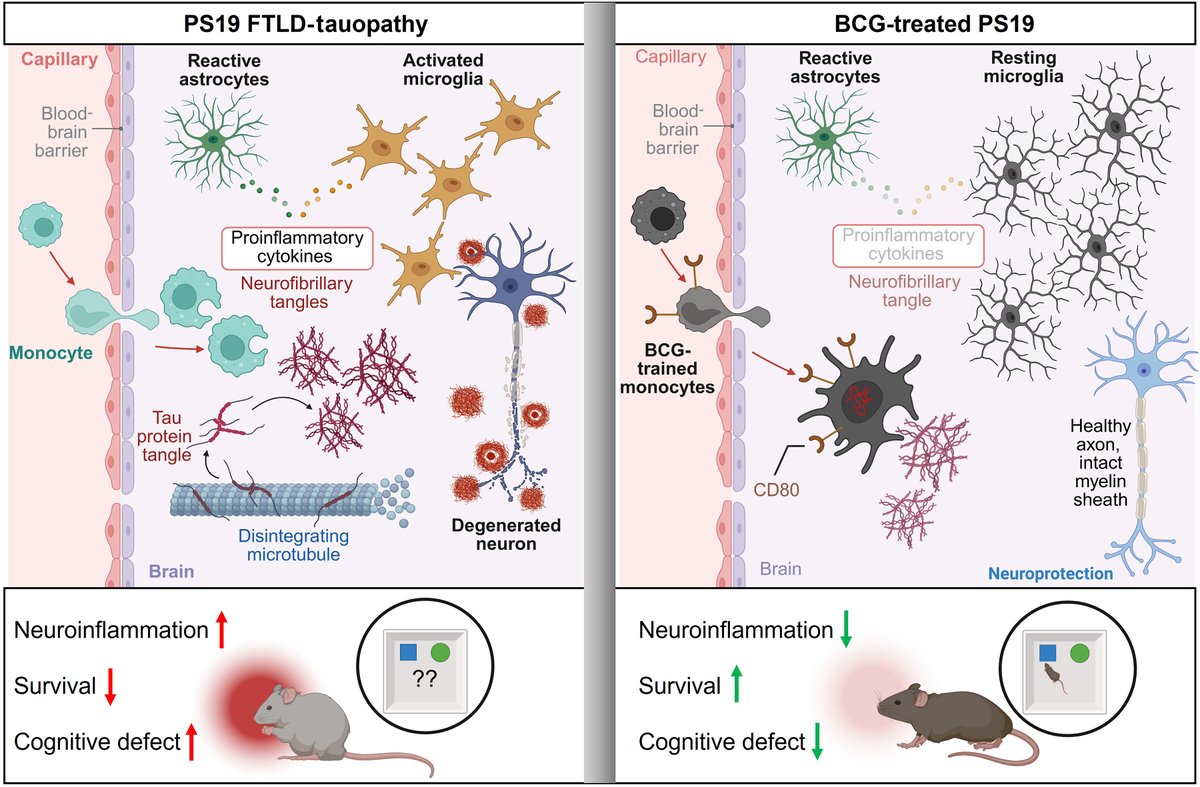
¿QUÉ TIENE QUE VER LA VACUNA CONTRA LA TUBERCULOSIS CON EL ALZHEIMER?
Pues resulta que la vacuna BCG, la que conocemos desde hace más de 100 años, podría tener efectos en la neurodegeneración. Acaban de publicar un estudio requetebueno en Science Advances. Les platico...
En Hyderabad, India, acaba de abrir una fábrica que hace vacunas contra el cáncer una por una. Cada una, diseñada para el tumor de un solo paciente.
Se llama RNA Foundry y es de PopVax, la biotech que fundó Soham Sankaran en 2021. Todo empieza con la secuenciación del tumor. Un sistema de IA busca los neoantígenos, las mutaciones que solo tienen las células cancerosas, y diseña un ARN mensajero que enseña al sistema inmune a reconocerlas. Después lo fabrican, lo encapsulan en nanopartículas de lípidos que aguantan en una nevera normal, lo envasan y lo controlan. Tarda entre 8 y 10 semanas, y la mayoría de los proyectos ronda los 300.000 dólares. Se comprometen a fabricar más de 100 en los próximos 12 meses, y cualquier paciente o médico puede escribirles directamente.
Por ahora son tratamientos experimentales y cada uso necesita la autorización del regulador. Aun así, el salto es enorme. Hasta hace muy poco, conseguir algo así fuera de un ensayo clínico era casi imposible.
Lo miro con especial cariño porque viví algo parecido en Overture. Con DaVitri automatizamos la vitrificación de óvulos y embriones, un paso que siempre había dependido de las manos de un embriólogo. Ahí aprendí que la medicina llega a más gente cuando un proceso artesanal se vuelve repetible. La IA está haciendo eso con el diseño, y Soham y su equipo con la fabricación.
Hoy cuesta 300.000 dólares. Secuenciar un genoma también costaba una fortuna, y mira dónde está ahora.
Sin X nadie en Europa se habría enterado de lo sucedido en Polonia está noche. El jefe del gobierno Donald Tusk perpetró un intento de golpe de Estado aprovechando el viaje del jefe del estado Karol Nawrocky al extranjero. Asaltó el Tribunal Constitucional con la policía y pretendió destituir a presidente y vicepresidente del Constitucional con una juez leal sin competencias.
Pero no contaba con el presidente que enterado ordenó al avion dar la vuelta cuando sobrevolaba España. Volvió a Varsovia, entró por la fuerza por delante de sus escoltas en el edficio del TC pese al cerco de policias de Tusk y convocó a todas las máximasx instituciones de Supremo y Constitucional para restablecer el orden Constitucional.
Aunque la crisis continúa, parece claro que el gobierno de Tusk, el títere de Von der Leyen que jamás habría perpetrado este asalto sin permiso de Bruselas, tiene los días contados. Pero recuerden, los medios publicos y privados de toda Europa han sido cómplices del golpe de Estado silenciando toda la operación. Solo las redes sociales han alertado a polacos y europeos. Por eso quieren intervenirlas.
Yes, recent work on a natural bacterial consortium (including soil-dwelling Rhodopseudomonas palustris) achieved complete tumor clearance in multiple mouse models of human colorectal, ovarian and pancreatic cancers. Full 100% responses typically used two IV doses; single doses produced strong but not always complete results. Separate single-dose frog-gut bacterium cleared colorectal tumors fully in one model. All remain preclinical.
For the first time following 30 years of development, therapists and robots will be trained in an assisted isometric exercise technique. This innovative technique helps restore functional health to both the spinal facet joints and the sacroiliac joint, effectively resolving the back pain that affects millions of people worldwide. You can follow the progress of this development on X under the term Neopractik exercises!
For the first time following 30 years of development, therapists and robots will be trained in an assisted isometric exercise technique. This innovative technique helps restore functional health to both the spinal facet joints and the sacroiliac joint, effectively resolving the back pain that affects millions of people worldwide. You can follow the progress of this development on X under the term Neopractik exercises!