1/THREAD
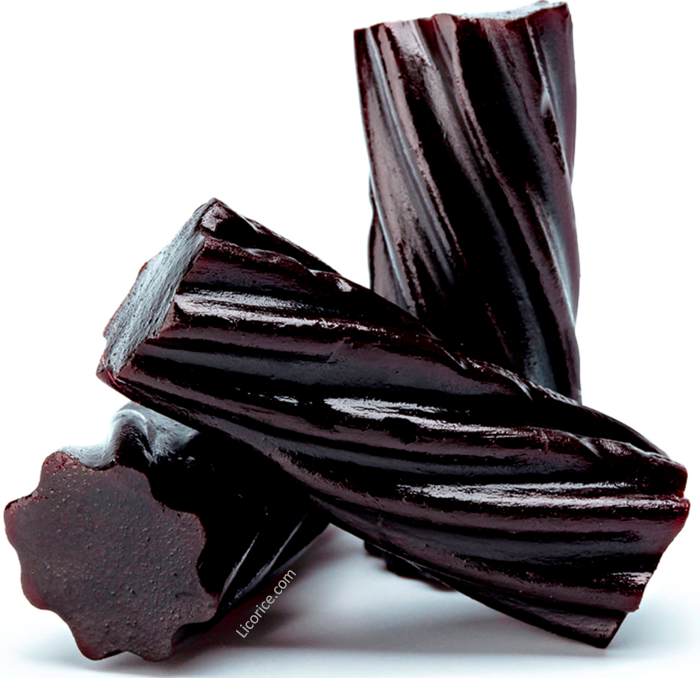
How could eating black licorice cause life-threatening hypokalemia?
Why in the world could specifically eating this food cause serum potassium levels to dangerously drop?
#medtwitter#tweetorial
You get called to the haemodialysis unit.
An 18 yr old man has missed his dialysis all week & today reports weak legs. The dialysis nurse snaps this ECG as he passes out.
What do you do? Is starting dialysis during CPR ever a thing?
A thread on hyperkalaemic cardiac arrest👇
At the end of this chapter 7 of Burton Book, The Total Body Water and the Plasma Sodium Concentration, the team discusses the “underfill/overfill theory” and how you were taught wrong in medical school.
1/16
https://t.co/QhAYjzSxgs
Since everyone is talking about CPR these days, I think this is the perfect time to narrate this story.
🧵
In 1880’s the body of a young girl was found in the River Seine in Paris. Her body showed no signs of physical injury, so it was suspected to be death due to suicide.
Struggling with your literature review?
The first step isn't about finding the best literature review tool.
The biggest obstacle might actually be understanding what a literature review is.
Let's break it down and start from the ground up.
Hey #NephTwitter#Medtwitter!
⚠️How often do you see a family of cases with nephrotic syndrome?
💭What are your first thoughts when multiple family members present with glomerular disease?
Read along!
Here's an intriguing series of cases we encountered some time ago!👇🏻1/n
Did you know that this week marks 80 years since the invention of the first dialysis machine?
From sausage skins to secret labs, here are 10 facts about the history of dialysis you may not know: https://t.co/tpkdAPcv8I
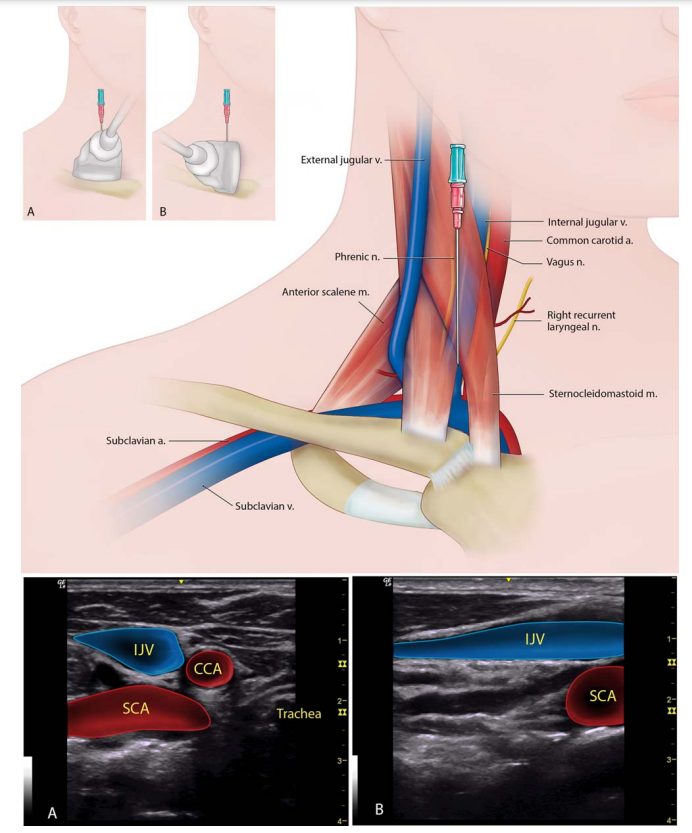
Some excellent anatomic illustrations for friends who place central lines.
#POCUS#MedTwitter#Nephpearls#FOAMed
Courtesy: https://t.co/3wmhqKYzME
1. Internal jugular vein (A. Transducer placement in short axis, B. long axis)
In celebration of the #ISN60years, the ISN Research Working Group will publish a monthly series, “Breakthrough Discoveries”. This series will highlight 60 + 1 historical discoveries of significant impact to the nephrology community.
Read more: https://t.co/tITDQGZ5lK
Pleased to see that our post on how to manage DKA in patients on dialysis has >10,000 views on the great @RenalFellowNtwk - things just ain’t the same when there isn’t an osmotic diuresis.
@simonjsmiths
https://t.co/Hf4WoOkFtg
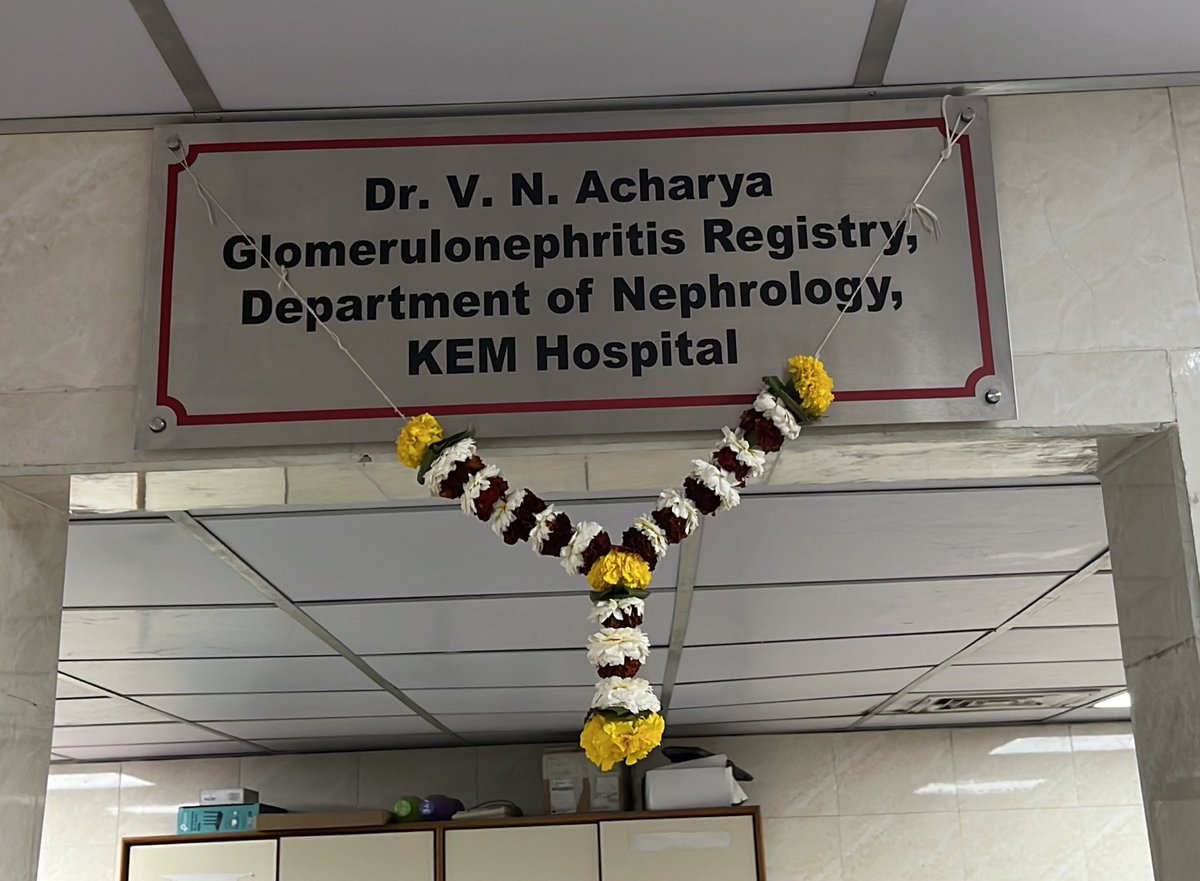
It was a great day for all of @KEMNeph as we inaugurated
🔥Dr VN Acharya Glomerular Disease Registry 🔥
with
@hase_nk Dr Almeida Dr Rawat
Goals
⚡️better pt care with longitudinal followup
⚡️prospective evidence collection for meaningful research
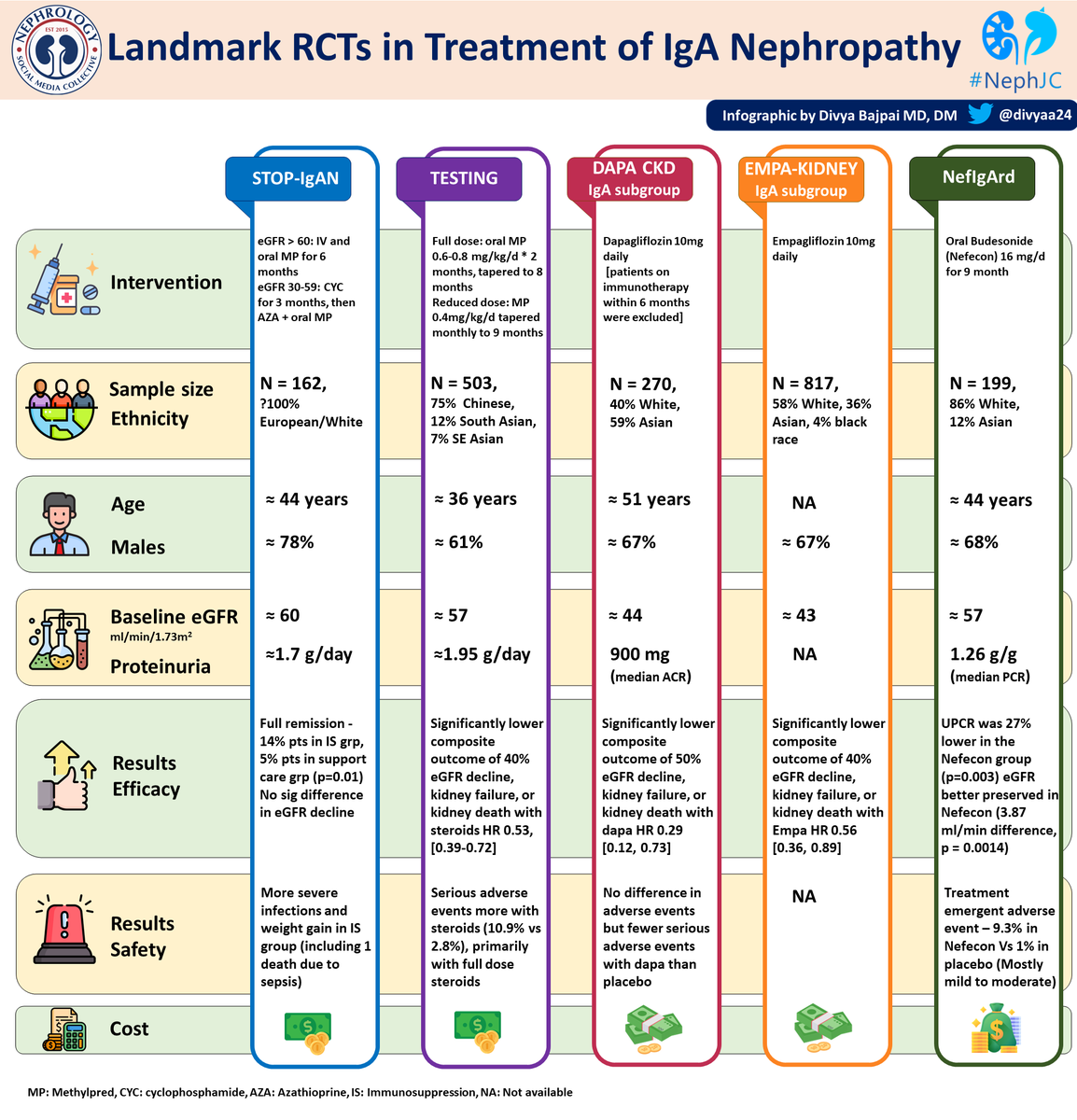
⚡️2022 was the year of IgA Nephropathy
⚡️So many exciting developments.
⚡️Checkout my infographic and join #nephjc chat in 15 min to share your views.
To learn more about NefIgArd see this amazing summary by @brian_rifkin https://t.co/9v8qy2tPQ8
Marta Gonzalez, ballet dancer. She had Alzheimer's before her death. As soon as she heard the music, she came to life and danced. Neuroscientist Oliver Sacks states that many Alzheimer's patients stop moving completely. And they only return to it with music. Music is lifeblood
What can nephrologists do to improve outcomes of their patients with COVID-19? Simple answer is “being physician for them”. Here is how👇. This work mean a lot more than just a research paper for us.
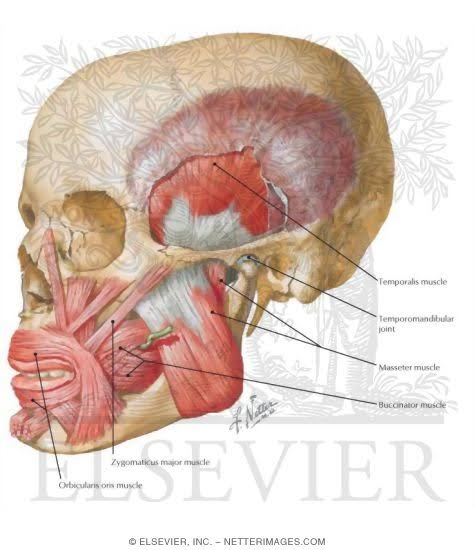
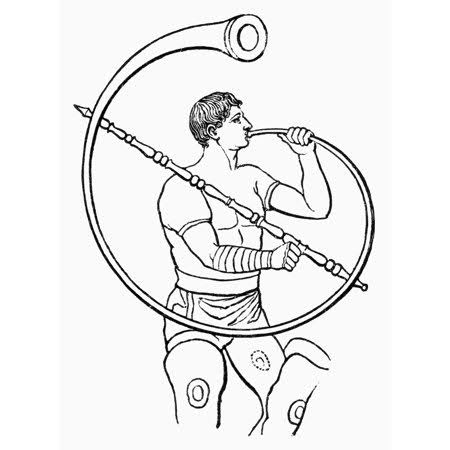
Etymology fun fact: The buccinator muscle gets its name from a "bucinator" in classical Latin referring to a trumpeter, or a person who blows the "bucina".
A bucina in ancient Rome was a crooked horn or trumpet.