Combining radiotherapy with #Immunotherapy to improve #Cancer treatment: https://t.co/sAq4JQApgJ
Many solid tumors are immunologically “cold”; they lack T cell infiltration and are therefore resistant to immune checkpoint inhibitor therapy. By inducing immunogenic cell death, radiotherapy offers a promising approach to convert the tumor microenvironment from “cold” to “hot” and enhance the response to immunotherapy. In this Review, Lu Lu & Liufu Deng @sjtu1896 discuss the mechanisms underlying this synergy and the potential to use new technologies to personalize treatment combinations.
#Cancer
For readers interested in drugs targeting members of the TNF and TNFR superfamilies such as BAFF and APRIL, here's a Review
https://t.co/T9RirqrjR2
https://t.co/wVACpgCGB1
For readers interested in drug discovery targeting GPCRs, this Review covers trends in the field: https://t.co/HvOMxs9Oya
https://t.co/xKvg0LDfqi
and this Review covers opportunities from understanding of functional dynamics: https://t.co/5TYJhx5a90
https://t.co/2u8mgeHygz
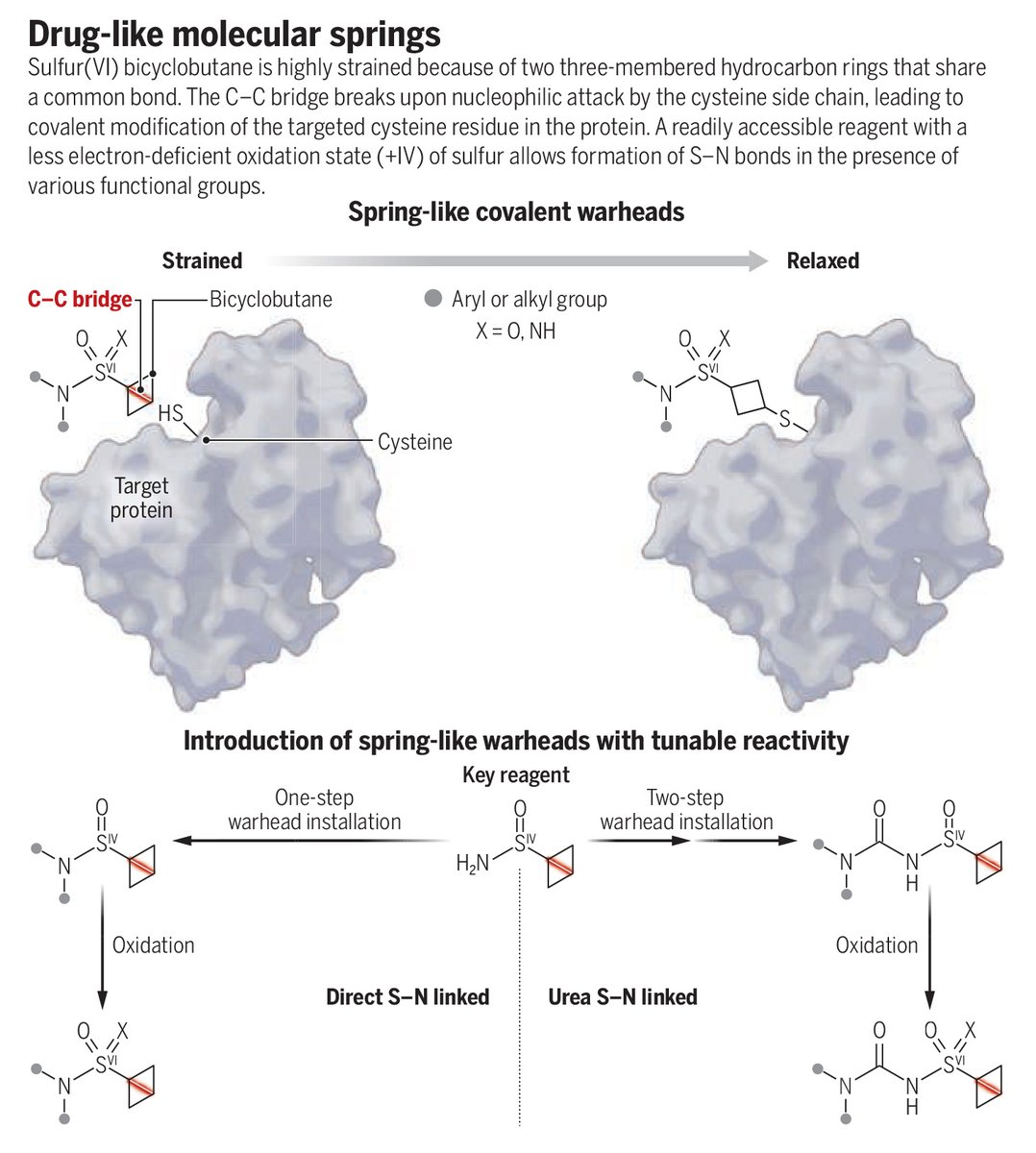
Drug candidates that form covalent bonds with their targets were historically avoided because of toxicity concerns. However, covalent drugs with controlled reactivity are now recognized as promising agents that combine manageable safety with substantial advantages, including enhanced potency, prolonged target residence times, and access to challenging targets.
This shift is reflected in recent covalent drug approvals, particularly those targeting protein-phosphorylating enzymes (kinases) and cancer drivers such as the oncogenic protein KRAS. A central feature of these drugs is a “warhead” reacting with an amino acid residue in the target protein to form a covalent bond. Yet the repertoire of drug-like, chemically accessible reactive moieties remains limited.
In a new Science study, researchers report streamlined access to an underexplored warhead type with well-tempered reactivity that can be appended to complex scaffolds late in synthesis, enabling practical use in drug discovery.
Learn more in a new #SciencePerspective: https://t.co/zvnUNfkBNP
Dendritic cells don't just accompany tertiary lymphoid structures (TLSs)—they build and sustain them.
A new Science study identifies mature CCR7⁺ cDC1 dendritic cells as the central organizers of intratumoral TLSs, revealing that they coordinate local T-cell and B-cell immunity through simultaneous antigen presentation to both CD4⁺ and CD8⁺ T cells.
Key findings
• Early TLS formation requires IFN-γ-driven cDC1 maturation, migration to tumor-draining lymph nodes, WDFY4-dependent cross-presentation, and recruitment of activated T cells into tumors.
• Once tumors progress, TLS maintenance becomes independent of lymph node T-cell egress and instead relies on intratumoral CCR7⁺ mature cDC1s localized within CCL19⁺ stromal hubs.
• Mature cDC1s simultaneously present antigen through MHC-I and MHC-II, maintaining:
TFH cells
germinal centers
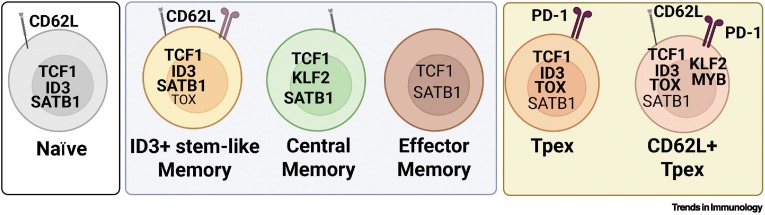
progenitor exhausted (TPEX) CD8⁺ T cells
tumor-specific IgG production
Loss of cDC1s rapidly disrupts TLS architecture and function.
• Conditional depletion of cDC1s after TLS establishment markedly reduced:
TLS number and size
germinal centers
TFH cells
tumor-specific antibodies
CD8⁺ T-cell responses
demonstrating that cDC1s remain essential long after TLSs have formed.
• Mechanistically, CCR7 directs cDC1 migration toward CCL19-producing stromal niches, where dendritic cells create local immune interaction hubs with TFH, TPEX, and B cells. Blocking CCR7 prevented cDC1 localization and destabilized TLSs.
• Importantly, both MHC-I and MHC-II antigen presentation were required simultaneously. Removing either pathway impaired TLS maintenance, while eliminating both produced the strongest disruption, establishing concurrent CD4⁺ and CD8⁺ T-cell engagement as the core mechanism sustaining functional TLSs.
Therapeutic implications
Rather than viewing TLSs as static biomarkers of good prognosis, this study positions them as actively maintained immune organs that require continuous dendritic-cell support.
Therapies that expand or activate cDC1s—including FLT3L and CD40 agonists—expanded TLSs experimentally, suggesting a strategy to enhance checkpoint blockade by strengthening local immune architecture rather than acting solely on T cells.
This work reframes mature CCR7⁺ cDC1s as the architects of intratumoral immunity, integrating spatial organization, antigen presentation, T-cell differentiation, germinal-center biology, and antibody production into a single mechanism that supports durable anti-tumor immune responses.
For readers interested in AI in drug discovery, this Review in the July issue discusses the application of AI-driven approaches for therapeutic target exploration, including challenges, limitations and case studies
https://t.co/ueiXGjZDFS
https://t.co/Ltliv6JJCw