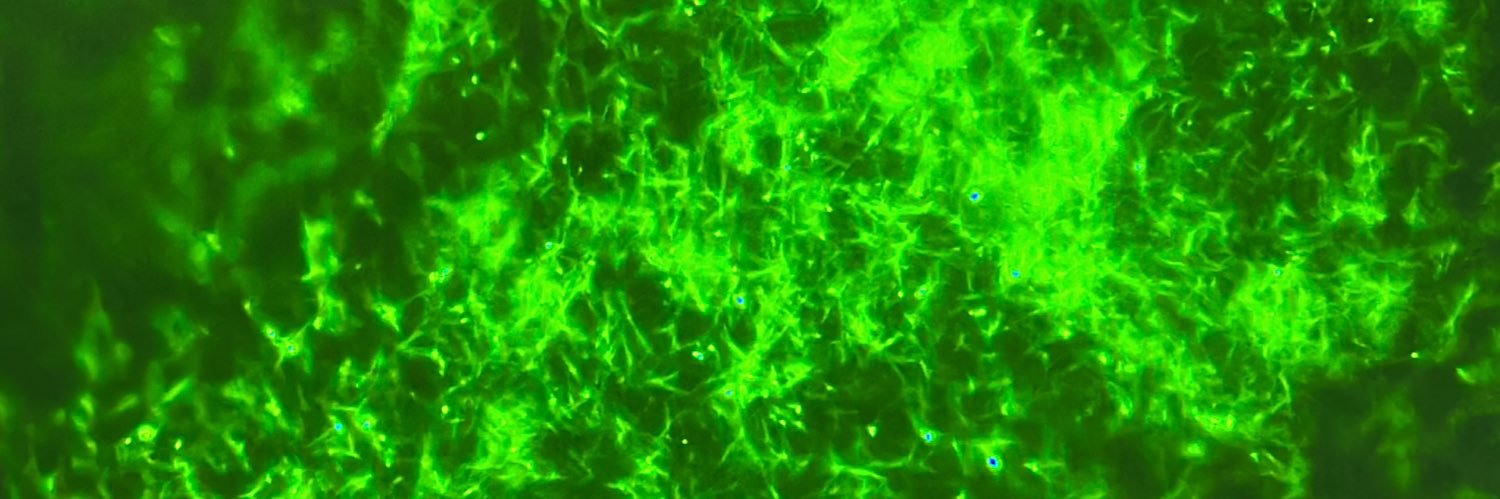
🧠“We’re trying to understand the fundamentals of how neurons can be adaptively tuned to solve problems,” said #BaskinEngineering Ph.D. student Ash Robbins, who helped train brain organoids to solve a goal-directed task.
Via @singularityhub: https://t.co/5sFndlsozJ
Want to know how electrical activity emerges in human brain #organoids? ⚡🧠
Scientists review current knowledge on the molecular and electrophysiological determinants of neuronal maturation and network computations.
https://t.co/x2WnUAyvFF
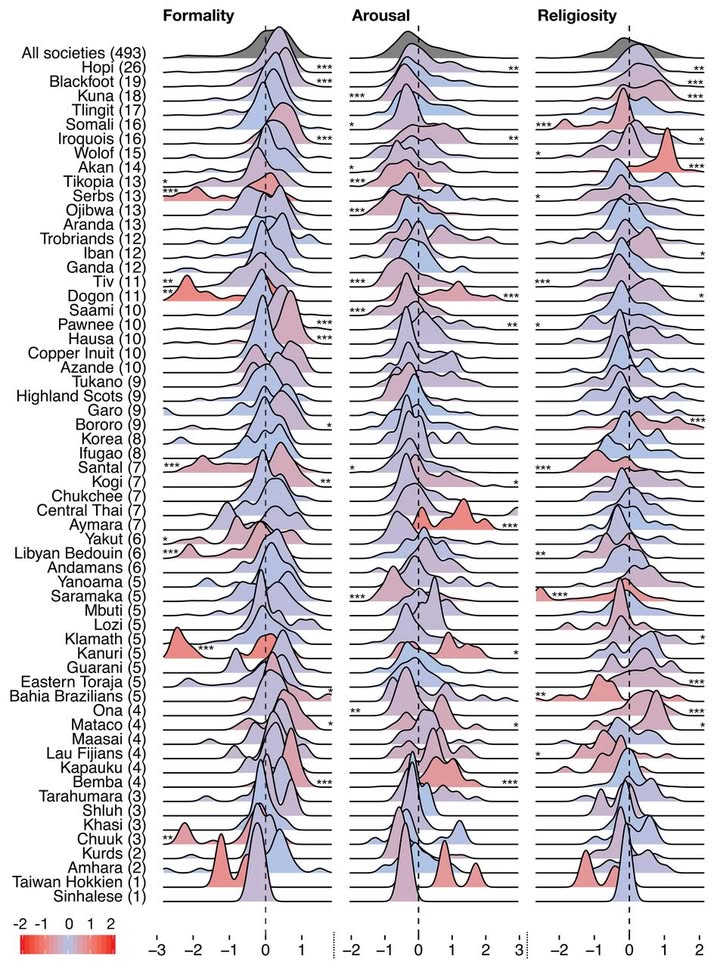
From love songs to lullabies, songs spanning the globe—despite their diversity—exhibit universal patterns, according to the first comprehensive scientific analysis of the similarities and differences of music across societies around the world.
Learn more on #WorldMusicDay: https://t.co/1zGEZN2TZv
MIT engineers have figured out how to turn skin cells directly into neurons — skipping the stem cell stage entirely. This could fast-track therapies for spinal cord injuries, ALS, and more. https://t.co/NYNeurrjMX
Why mouse organoids? We can directly compare their development to well-documented stages of actual mouse brain development in vivo. This is crucial for validating our models in a way that's simply not feasible with early human development due to ethical and practical constraints
Excited to share our new preprint! https://t.co/Jc4fuZV7mC We investigated how brain circuits may arise in models deprived by sensory input as mouse forebrain organoids🧠. #Neuroscience#Organoids#BrainDevelopment
This may suggest that simply changing the cellular recipe (more inhibitory neurons) significantly alters how neural circuits self-organize and mature. VF organoids showed patterns closer to in vivo development, like refined hub dynamics and stable connectivity.
Ignoring the cerebellum is hindering progress in neuroscience
Opinion by Bangjie Wang (@BangjieWang), Amanda LeBel (@AmandaLeBel3), & Anila D’Mello (@aniladmello)
Free access before April 1: https://t.co/9Ny4uBiV5b
Open neuroscience: @gershbrain discusses how making data (and code) useful for yourself automatically makes it useful for others.
https://t.co/M9PWnfeK8O
New review from our lab discussing "Precision drug delivery to the central nervous system using engineered nanoparticles” in @NatRevMater with @MrJeffKarp. Huge Congratulations to @jgao_umass and the team. https://t.co/pyd2LtwXke
@massgeneralbrigham @harvardmed@BrighamWomens
Our paper on splicing isoforms in developing human brain is finally out in @ScienceMagazine! So grateful to @LTULab and @mikejg84 for letting me be part of this amazing work. Congrats @ashokpatowary Pan Zhang @connorjops! https://t.co/JsygvGznDK
Demis -- I think AlphaFold3 is really exciting. As Reviewer #3, I got great results from the server. I tried hard to get @Nature to urge you to release the code but was unsuccessful. I did not get it for re-review so I don't know if you responded. So why no code? @GoogleDeepMind
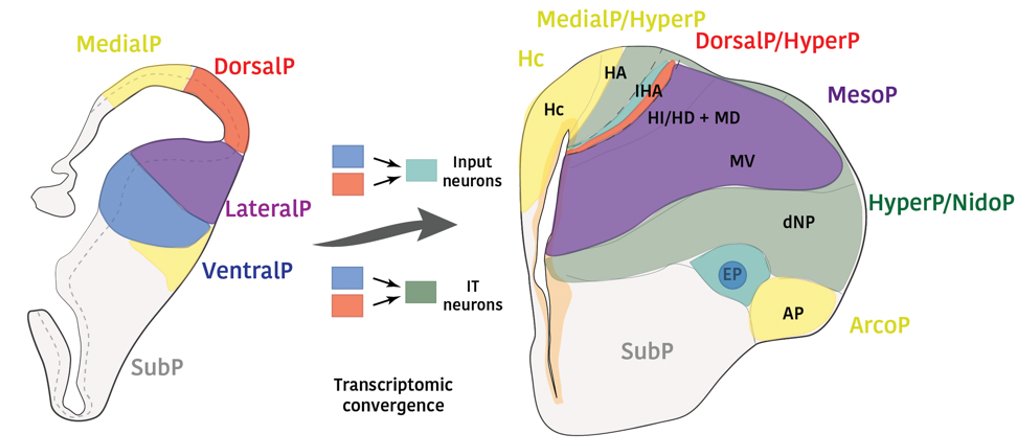
We are delighted to share our new preprint entitled “Developmental origins and evolution of pallial cell types and structures in birds” https://t.co/5t8IJko0P6