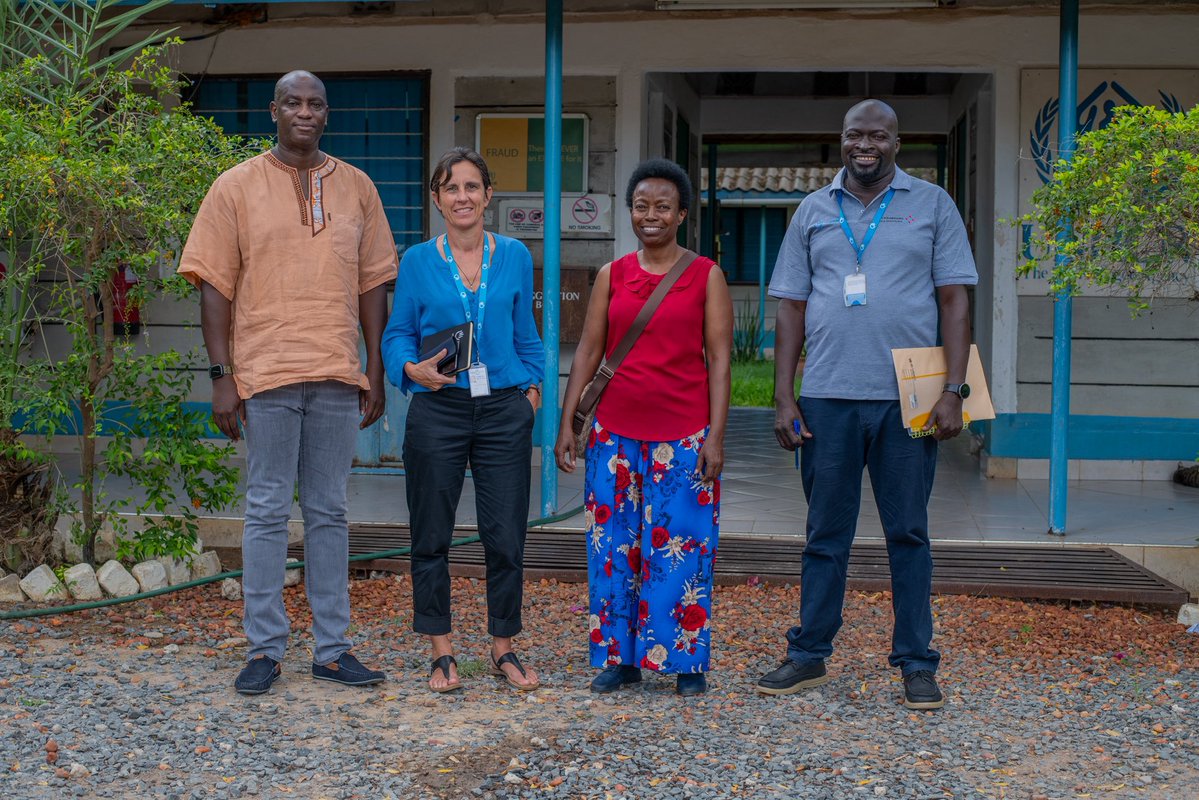
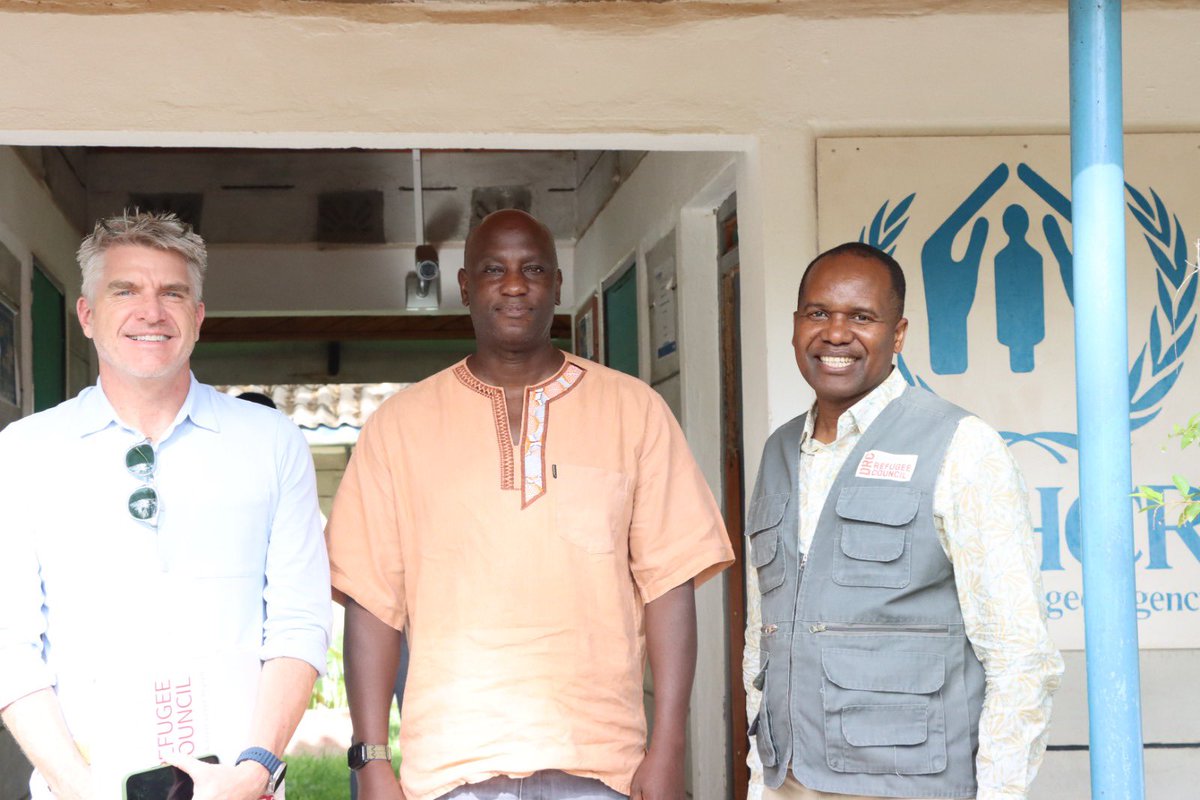
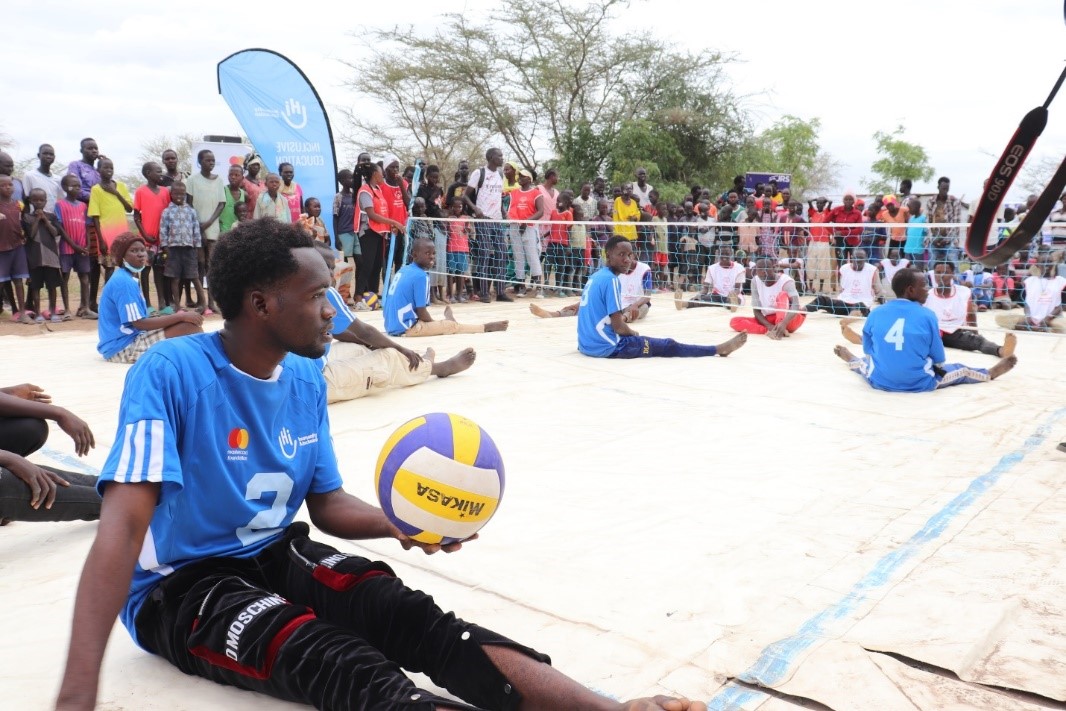
Earlier this week in Dadaab, I had the honour of receiving delegations from Humanity & Inclusion (HI) and the Danish Refugee Council (DRC), two partners whose sustained presence and principled engagement continue to shape protection and inclusion outcomes for refugees and host communities in one of the world’s most protracted displacement contexts.
Dadaab today faces complex, overlapping challenges: chronic underfunding, camp congestion, climate‑induced shocks, deteriorating infrastructure, rising protection risks, and growing psychosocial distress driven by prolonged uncertainty. These pressures are compounded by a large population of women and children, youth, older persons, persons with disabilities, survivors of violence, and individuals living with less visible vulnerabilities, whose needs too often remain under resourced.
In discussions with Margaret Nguhi, HI Country Director, and Marie‑Cécile Turner, Regional Director for Central, Eastern and Southern Africa, we reflected on HI’s critical work, from physical rehabilitation, provision of assistive devices, and functional therapy, to disability inclusion mainstreaming and community‑based psychosocial support. We agreed on the urgent need to scale up Mental Health and Psychosocial Support (MHPSS), particularly for refugees experiencing trauma, social isolation, and long‑term dependency. Equally important is strengthening support for older persons and people with unseen or multiple vulnerabilities, whose dignity, autonomy, and care are increasingly strained by service gaps and resource constraints.
My engagement with Simon Nzioka, DRC Country Director, and James Curtis, Executive Director for East Africa and the Great Lakes, underscored the centrality of high quality protection services at a time when humanitarian financing continues to shrink. DRC’s work in Dadaab, including protection monitoring, legal assistance, child protection, GBV prevention and response, and community‑based protection remains vital as risks related to documentation, movement restrictions, negative coping mechanisms, and violence persist. We reaffirmed the need to protect quality, accountability, and access, even as we adapt to fiscal realities.
Looking ahead, we must collectively improve inter‑agency coordination, invest in data and evidence to better target limited resources, and strengthen community engagement, ensuring affected populations are agents of change rather than passive recipients. As we advance the implementation of the SHIRIKA Plan and the continued rollout of the GISEDP, deeper collaboration, inclusion, and innovation will be essential to navigating today’s constraints while laying the foundations for more sustainable outcomes.
I commend both HI and DRC for their impactful and principled work in Dadaab, and I look forward to strengthening our partnership as we collectively respond to evolving needs with clarity, solidarity, and resolve.
#Dadaab #HumanitarianAction #Protection #DisabilityInclusion #MHPSS #Refugees #Partnership #AgingWithDignity #SHIRIKA #GISEDP #LeaveNoOneBehind
CRA @DRSKenya met Humanity & Inclusion's Margaret Nguhi & discussed integrating persons with disabilities in Shirika Plan in the camps & need to focus on PWD disability units in health facilities, compliant policies, institutional capacity building for sustainability @Stanyale
The CRA @burugu_j today consulted with Margaret @nguhim1 on how @HI_EARegion will work with @DRSKenya on integrating persons with disabilities & vulnerable populations in Shirika Plan, disability units in health facilities, policies, and community outreach #Inclusion#refugees
.@DeganAli: “Giving is an essential part of our DNA in the Global South. We do it everything and we do it without thinking about it.
We do it because we are a part of the community, not for recognition.”
#WINGSForum2023
.@benbellegy, shares 3 mindset shifts to #TransformPhilanthropy
1. See ourselves as enablers of change, not achievers. We can use our independence to take risks, fail, think long-term, lose control, distribute power, and trust others. #WINGSForum2023
Yesterday, I participated in a fantastic panel discussion @AidExGlobal event with experienced professionals and experts in mental health and psychosocial support (MHPSS) - all-powerful women ❤️
First thing: we must internalize the fact that there is #NO#health without #MENTAL #HEALTH.
#MHPSS is not just the implementation of psychological first aid. For systems, #development and #humanitarian #nexus strengthening, we need long-term, flexible and sustained investment.
DO YOU KNOW ME? – GICHAGI - KANGEMI. Bryton & Olipa (4 & 3 yrs) were found on 21/05/2021. Please share alert to help reunite them with family. Thanks. #MISSINGCHILDKE@MTotoNews@KenyanTraffic
@Ma3Route
"There’s a need for a greater understanding of the work @filmaidkenya does; I remember FilmAid Kenya screening for us content on Cholera during a Cholera outbreak in the camps that created awareness in our targeted community," Margaret, @HI_EARegion Kenya Country Director.
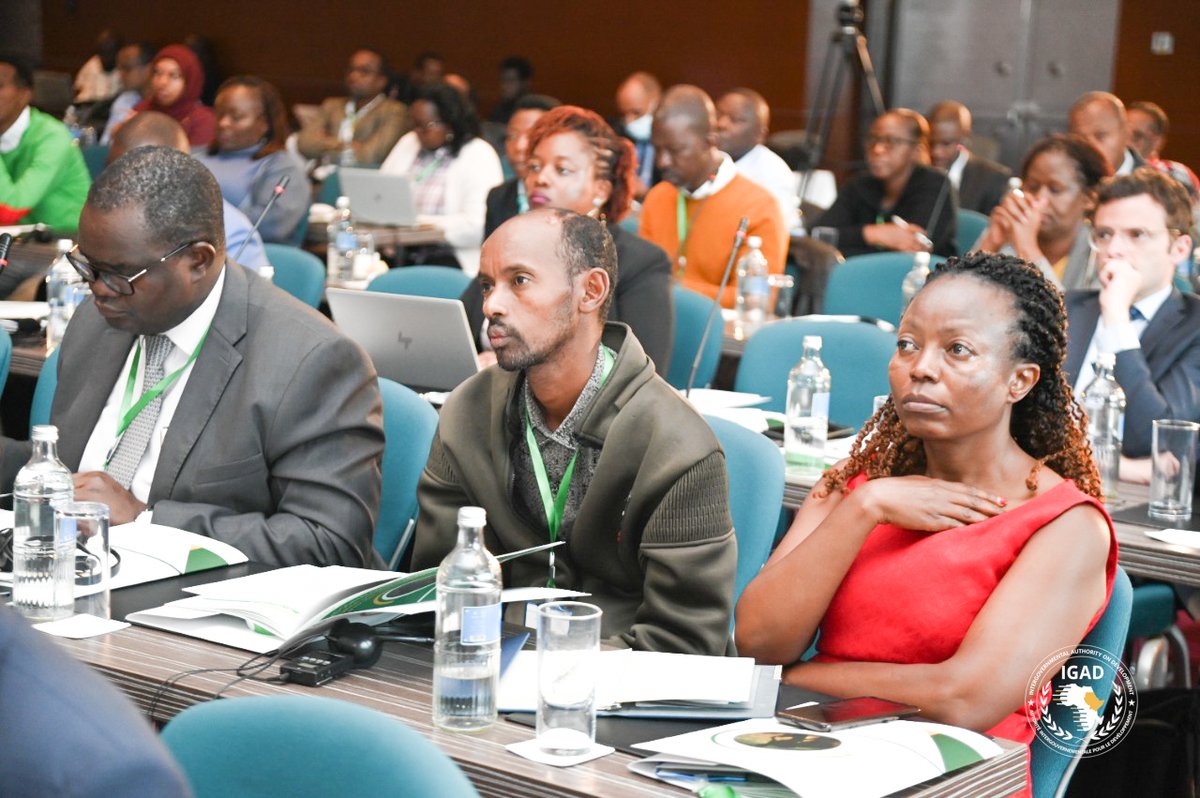
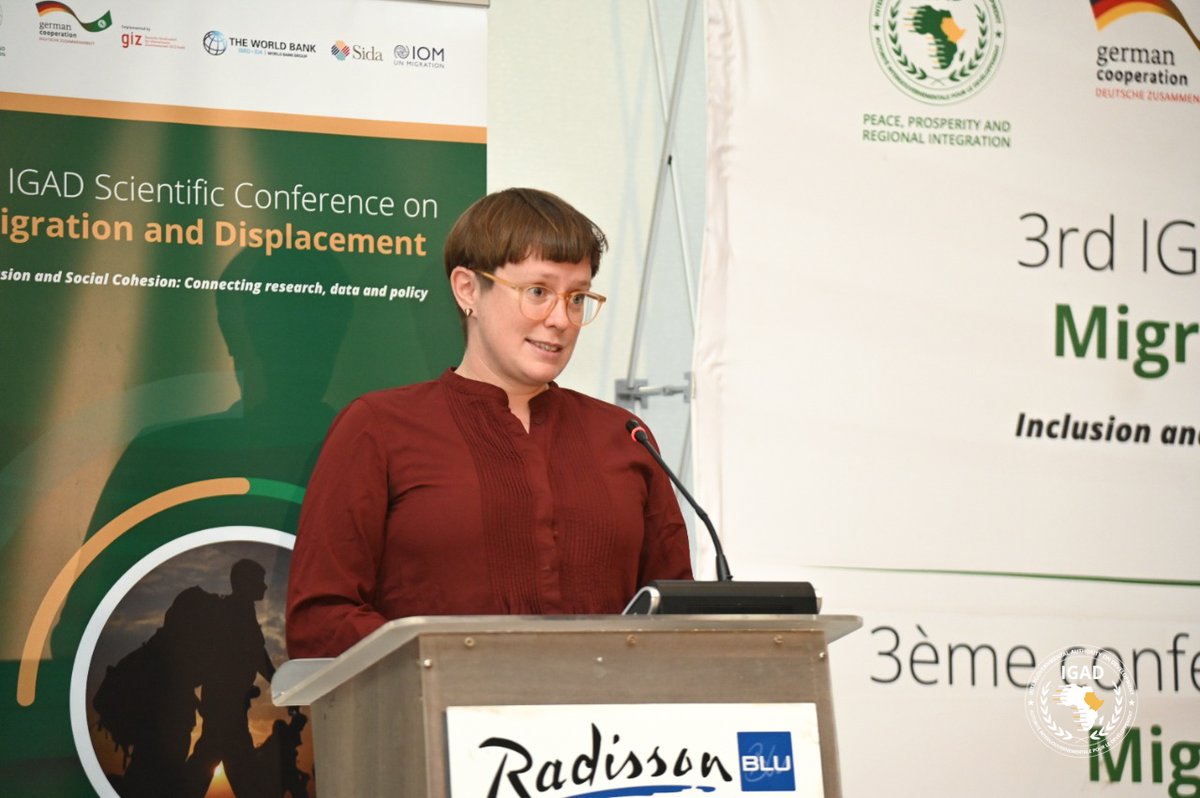
Day 2 of the 3rd #IGAD Scientific Conf on Migration & Displacement
Themes being covered this morning are
✅social cohesion before the backdrop of climate change
✅(Un)equal opportunities due to gender, age, ability, ethnicity & their intersections
#IGADScientificConf2022
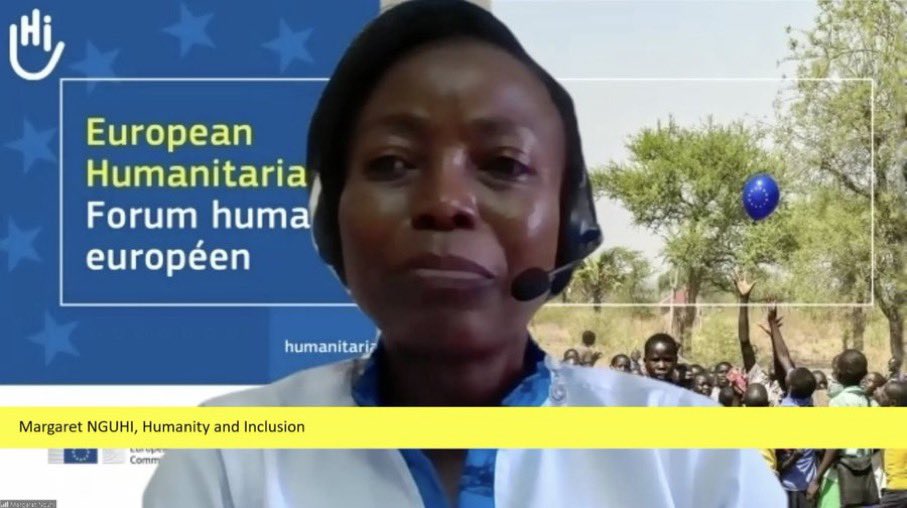
Our #Kenya Country Manager, Margaret Nguhi, speaking at the #EHF on inclusive education, the impact of the pandemic and how @eu_echo supports persons with disabilities and vulnerable populations in the refugee context.
It is an honour to serve on the Humanity and inclusion board. My 2nd term and I have learnt alot; overwhelmed yet inspired by stories of people with disabilities.
Was great to see the rest of the board as we look back & envision the future of the organisation.
#ThisAbility
"I’m Kenyan, from Nairobi. I initially worked as a healthcare manager and then moved into the humanitarian sector. [...]. I’m now Country Manager of HI in Kenya." 💬
Hear more from Margaret "Maggie" Nguhi this #WorldHumanitarianDay! 🌍
⤵️ https://t.co/o4evyUUMJF