💡 Study finds time-restricted feeding reduces body mass index, visceral adiposity, systemic inflammation, and clinical disease activity in adults with #CrohnsDisease. Read more at: https://t.co/bw7zpX6P7c
@nhaskeyRD
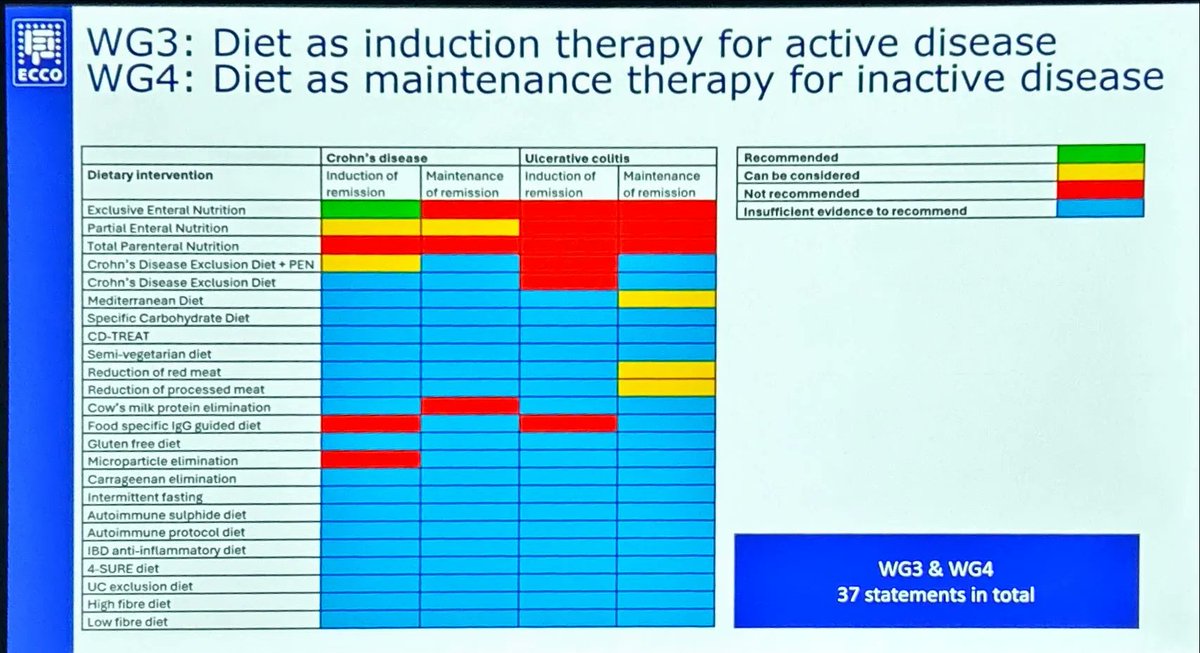
ECCO reinforces that diet is not a replacement for medical therapy, but an essential pillar in comprehensive IBD care.
Key takeaways 👇
🥣 Crohn’s disease: Evidence supports the Crohn’s Disease Exclusion Diet (CDED + partial enteral nutrition) for induction and maintenance.
🌿 Ulcerative colitis: Mediterranean-style, high-fiber diets favored in remission; avoid ultra-processed and high-fat foods.
🧫 Microbiome focus: Limit emulsifiers and artificial sweeteners; encourage prebiotic-rich foods where tolerated.
💊 Nutrition matters: Regular monitoring of vitamin D, iron, B12, and protein intake remains vital.
ECCO also calls for precision nutrition—personalized strategies guided by microbiome and metabolomic insights.
@nehagastrord@TodaysDietitian@PlantDietitian @NTforIBD @nhaskeyRD@ThereziaRD@GenelleLunken
How are you integrating dietary guidance into your IBD practice or counseling?
European Crohn’s and Colitis Organisation consensus on dietary management of inflammatory bowel disease https://t.co/mJaiGmmVAF
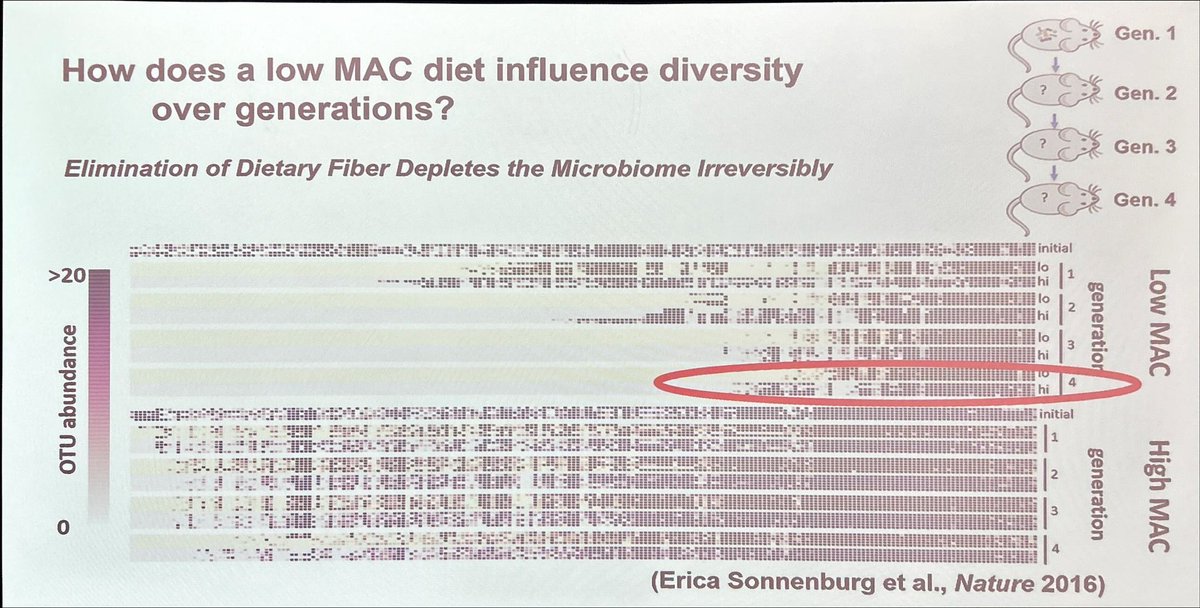
📢 It's a myth that you can't eat fiber if you have #IBD@nhaskeyRD clarifies the dos and don'ts of dietary fiber in IBD
✅ Fiber boosts gut microbes with anti-inflammatory properties
✅ Tolerance varies: patients with stricturing disease should be careful about the types of fibre and texture they introduce into their diet (ask your registered dietitian for advice)
✅ If you’ve limited fiber, add it back gradually to support tolerance
Join us for the 3rd Annual Nutrition & IBD Education Session to learn about UPFs, surgical nutrition optimization, obesity and GLP1s, diet & IBD prevention, and nutrition for patients with IBS & IBD. Registration below!
https://t.co/sUrDcaJNZ7
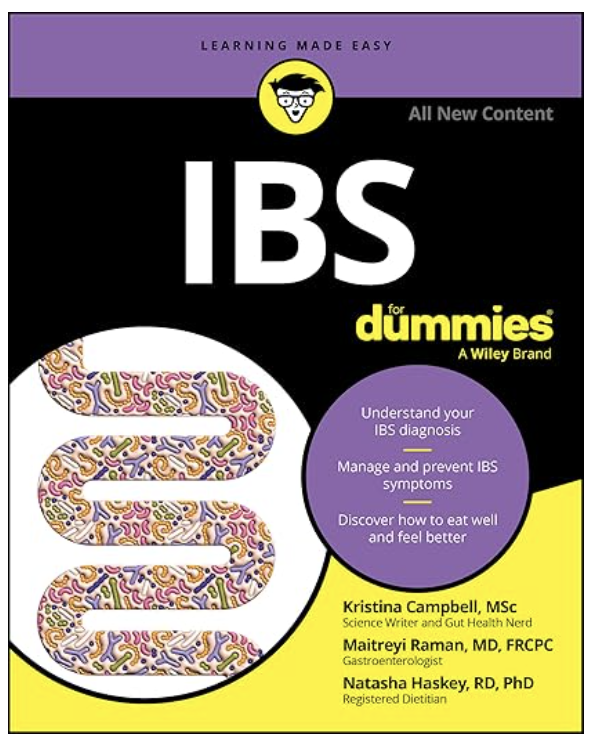
Must-have resource - IBS For Dummies (https://t.co/HCSPgNzcGr) by @bykriscampbell, @nhaskeyRD & Dr. Maitreyi Raman.
Easy to read, science-based guide for clinicians & patients—covering emerging treatments, eating well with IBS (including recipes) & the gut-brain connection.
Looking for a summer reading on which dietary and non-dietary options are science-backed for #IBS?
🎓 @nhaskeyRD, @bykriscampbell & Dr. Maitreyi Raman have just published this new book designed to help those living with IBS
👇👇👇
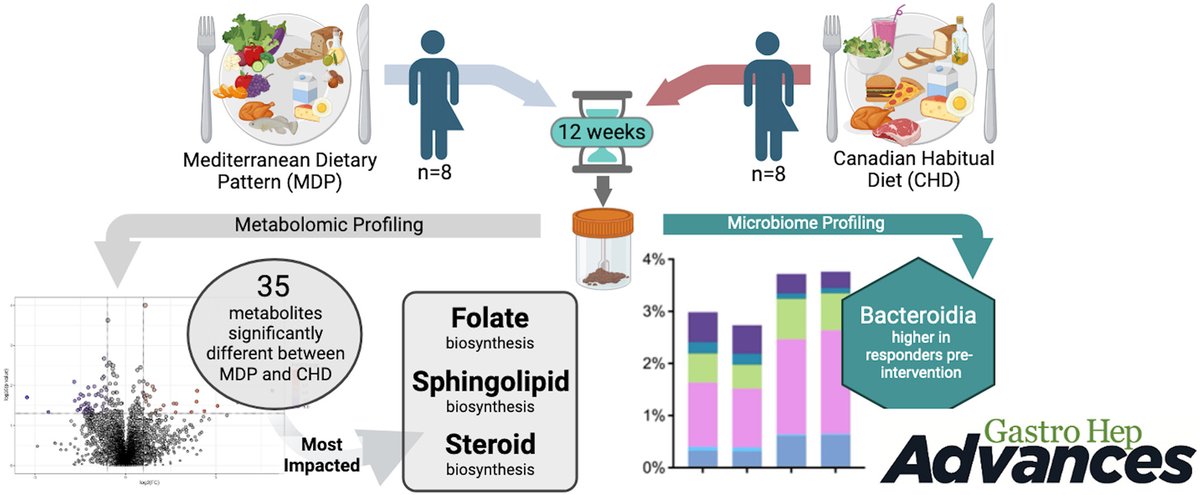
What if metabolites produced by a Mediterranean diet contribute to its benefits in #ulcerativecolitis❓
@nhaskeyRD & colleagues found that following a Med diet is associated with specific metabolite changes linked to ⬇ inflammation in UC:
✅ ⬇ fecal sphingolipids
💡 These are components of the intestinal cell membrane involved in initiating the inflammatory cascade
✅ ⬇ corticosterone and cortisol levels
💡 This might contribute to a better intestinal barrier and can trigger flares in IBD
✅ Gut microbes help predict which patients with UC will respond to the Med diet
💡 Individuals with ⬇ Bacteroidia in their stool at baseline were less likely to respond positively
✅ ⬆ pesticides, herbicides, environmental chemicals, food additives, and flavorings
💡 Even a healthy diet, such as Med diet, poses potential risks that should be further evaluated in people with IBD
📚 @nhaskeyRD et al. @AGA_GHAdvances. 2025;4:100606.
Final publication of my PhD work demonstrating some potential hypotheses on how the metabolites produced by a Mediterranean diet contribute to beneficial health effects in UC ⬇️
From GHA ➡️ The Mediterranean diet is linked to health-promoting gut microbes. This study highlights diet can drive beneficial changes in gut chemicals, offering potential to reduce inflammation in ulcerative colitis.
👨⚕️ @nhaskeyRD
Read now 🔗 https://t.co/YoP27CYchf
Today is #WorldIBDDay and we join IBD warriors, health care providers, researchers, & caretakers to raise awareness & make #IBDvisible! Use these toolkits to help guide your care for patients.
💜 #Crohns toolkit: https://t.co/cDRfdQqzXf.
💜 #UC toolkit: https://t.co/9R9PymCe4u.
This World IBD Day, we're shining a light on the 322,000+ Canadians living with Crohn's or colitis—people like Katryna, who faced her wedding day amidst a flare-up.
Read her full story: https://t.co/FHAbOeFkRq
This #WorldIBDday let’s bring awareness to nutrition therapy and its pivotal role in IBD care. Diet matters and can help:
-nutrition status
-quality of life
-manage disease & symptoms
-improve outcomes & response to therapy
-surgical outcomes
…and more!
Cheers!
Nutrition occupied a central space at the 20th ECCO conference
💡Here we bring you the most relevant nutritional highlights from bench to bedside:
✅ Genes and lifestyle work together in shaping IBD risk:
🔸 Methionine, folate, choline, and betaine, which are highly found in fruits, green leafy vegetables, and legumes, can act as methyl donors or cofactors for enzymes that shape gene expression
🔸 People with the highest dietary methyl donor's intake had a ⬇ risk of UC and CD (risk stronger for heavy smokers and people exposed to air pollution)
✅ New ECCO consensus on diet and nutrition in IBD is coming @VaioSvolos@PaedsRH
✅ Just because a diet is plant-based doesn't mean it's healthy
🥧🧁🍟🧃Unhealthy plant-based diets (refined grains, sugary beverages) are linked to:
-Higher IBD risk
-Double risk of IBD-related surgery
🥦🍓🍊☕️ Emphasizing whole, minimally processed plant foods (fruits, vegetables, whole grains) is associated with:
-A 25% lower IBD risk
-A 50% lower risk of IBD-related surgery
✅ An exclusive whole-food diet is comparable to an only-liquid diet for:
🔸inducing clinical and biological remission
🔸in children and young adults with mild-moderate uncomplicated CD
✅ First clinical trial to show restricting food additive emulsifiers may improve CD @ProfWhelan@AaronBancil
✅ Depression and lack of exercise were potentially modifiable factors associated with increased risk of hard flare in UC and IBD unclassified @LauranneDerikx
📚 Read the full article in the first comment
#ECCO2025
This study explores how the Crohn’s Disease Therapeutic Diet Intervention influences fatty acid composition & oxidative stress. Findings suggest increased n-3 PUFA intake & reduced pro-inflammatory markers, supporting dietary strategies in #CrohnsDisease
🔗https://t.co/L7SVmOTgXw