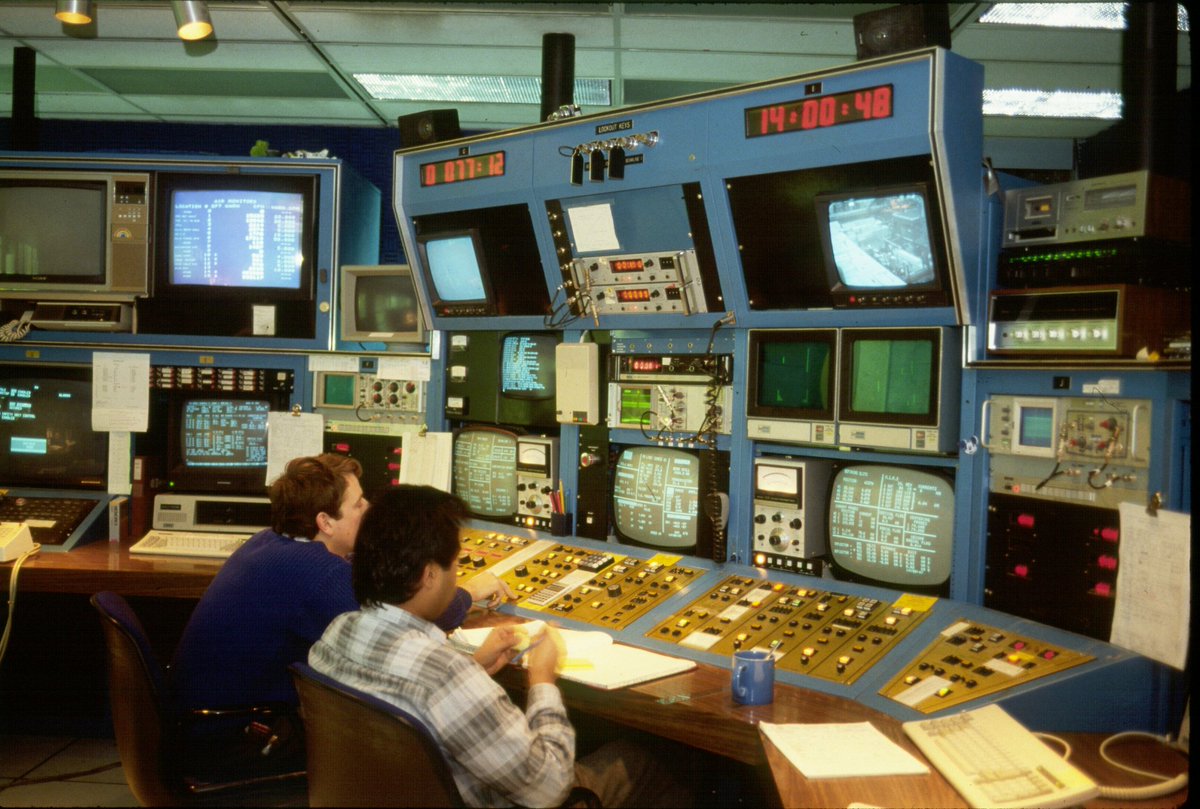
Voyager 1 is 24 billion kilometers from Earth.
It communicates with us using a 23-watt transmitter.
Less than a refrigerator light bulb.
The signal takes 22 hours to reach us, traveling at the speed of light.
By the time it arrives, it's 20 billion times weaker than the power of a digital watch battery.
NASA's Deep Space Network picks it up using 70-meter dish antennas cooled to near absolute zero to reduce electronic noise.
The engineering required to hear a 23-watt signal from 24 billion km away is arguably more impressive than the spacecraft itself.
Launched 1977.
Still transmitting.
Still being heard.
We built something that works perfectly, 47 years later, in conditions no one has ever tested in.
That's what engineering for the long term looks like.
SpaceX is such a bad ass company. In their IPO filing, they wrote this:
• The first private company to develop and launch a liquid-fuel rocket to reach orbit (2008)
• The first private company to successfully dock a private spacecraft with the International Space Station (2012)
• The first to successfully propulsively land (2015) and refly orbital-class rocket boosters (2017)
• The first to begin deploying a large-scale LEO broadband satellite constellation (2019);
• The first private company to transport astronauts to orbit, returning America's ability to fly astronauts to and from the International Space Station (2020)
• The first to manufacture consumer-grade phased-array user terminals at scale (2022);
The first to deploy a large-scale LEO satellite-to-mobile constellation (2025)
• The first to build a gigawatt-scale Al training cluster and largest coherent supercomputer (2026)
• The first gigawatt-scale Megapack battery installation (2026); and
• The only company capable of building orbital AI compute at scale.
BOOM.
The math on this image is insane.
New Horizons transmitted at 2,000 bits per second from 3 billion miles away. Slower than a 1990s dial-up modem. It took 16 months to download all the flyby data.
The spacecraft had to hit a target box 100km wide, arriving within 150 seconds of schedule, after 9 years of flight. Miss it and the preloaded observation commands point at empty space.
Ten days before arrival, the spacecraft crashed and went into safe mode. Engineers had 72 hours to restore everything.
The probe is now 5 billion miles out, still whispering data back to Earth. We got 50 gigabits of Pluto photos using technology slower than your phone’s bluetooth.
Everything about yesterday's Starship launch was outstanding, but this might just register as insane.
@elonmusk everyone wants to know, what kind of camera did the work here and why isn't it a pile of ash?
Tonight’s launch of ‘Symphony In The Stars’ will deploy a single satellite to a 650km LEO for a confidential commercial customer.
Lift-off time as been set for:
🚀NZT | 7:08 p.m.
🚀UTC | 07:08
🚀EDT | 03:08 a.m.
🚀PDT | 12:08 a.m.
The 9th Flight of Starship is scheduled to fly on May 27th, 2025. (Local time)
This will be a repeat of the previous two flights, which ended earlier than expected.
Link to the high resolution of this Infographic in the comments below!
S35:
- Sides of the TPS shield are now smooth, along with a buffer zone of ablative material between the TPS shield and bare metal.
B14:
- First Booster to be reused!
- This will be it's second mission, flown previously on Flight 7, with S33.
#SpaceX #Starbase #Starship #Superheavy #S35 #B14 #Flight9 #GatewayToMars
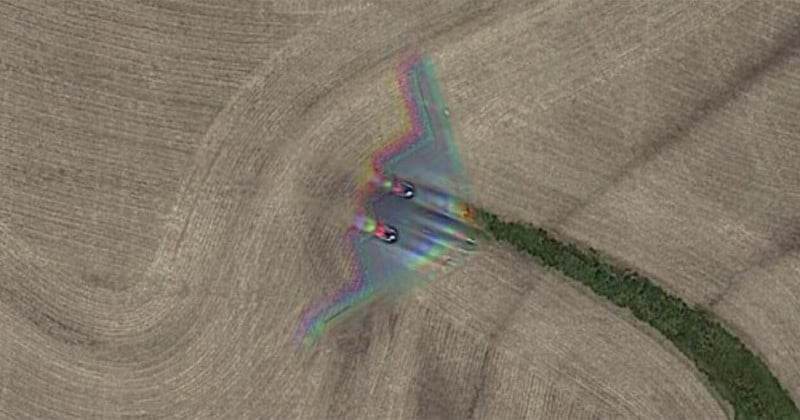
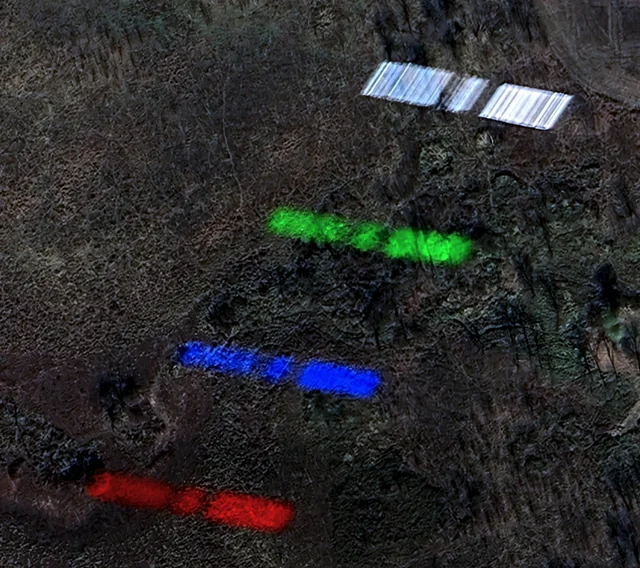
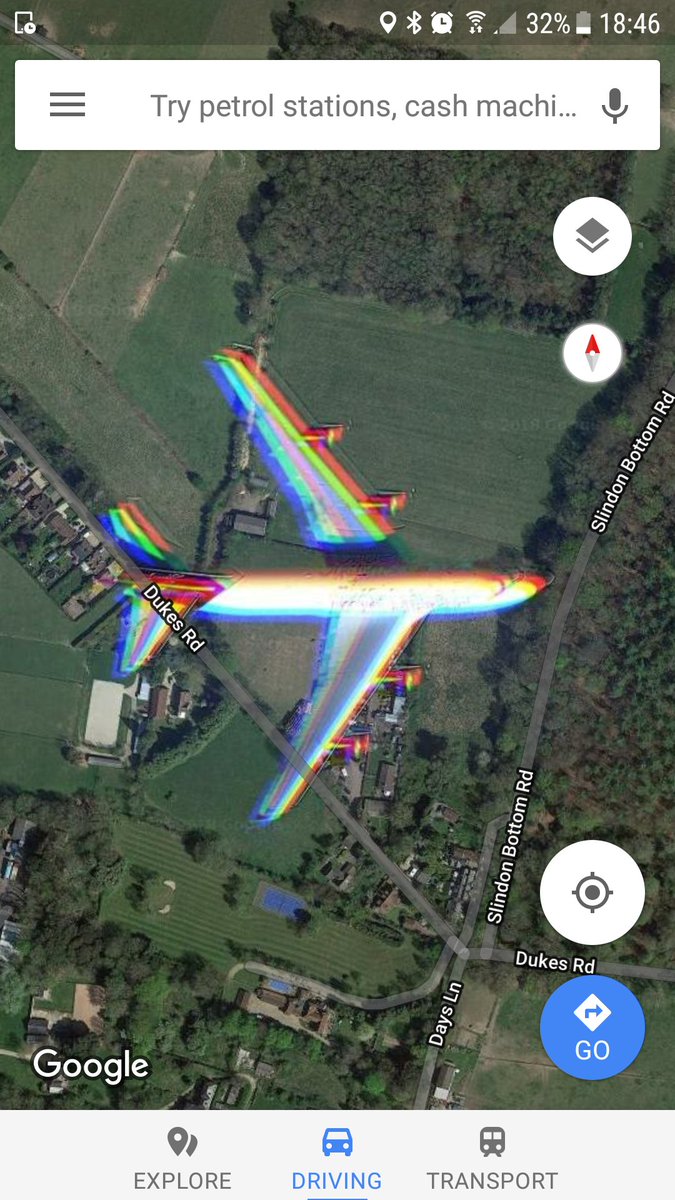
Awesome pic of a Starlink sat photobombing a Google Earth image. Relative velocity was so high that the chromatic aberration on the image isn't even overlapping. Look at the difference compared to airplanes photographed under similar circumstances
We have confirmation #BlueGhost stuck the landing! Firefly just became the first commercial company in history to achieve a fully successful Moon landing. This small step on the Moon represents a giant leap in commercial exploration. Congratulations to the entire Firefly team, our mission partners, and our @NASA customers for this incredible feat that paves the way for future missions to the Moon and Mars.
Standby for the first image, expected in the next 30 minutes! #BGM1
2025 = 45^2
It's a perfect square. It will probably be the only perfect square year you ever get to live in.
The last time that occurred was in 1936. The next will be in 2116.
So, make 2025 a perfect year for you.