Neurologists are attracted to microscopes and psychiatrists to wide angled lenses
Neurologists are noticers psychiatrists are listeners
Soulful neurologists and sensitive psychiatrists combine both approaches to explore the pathology of self
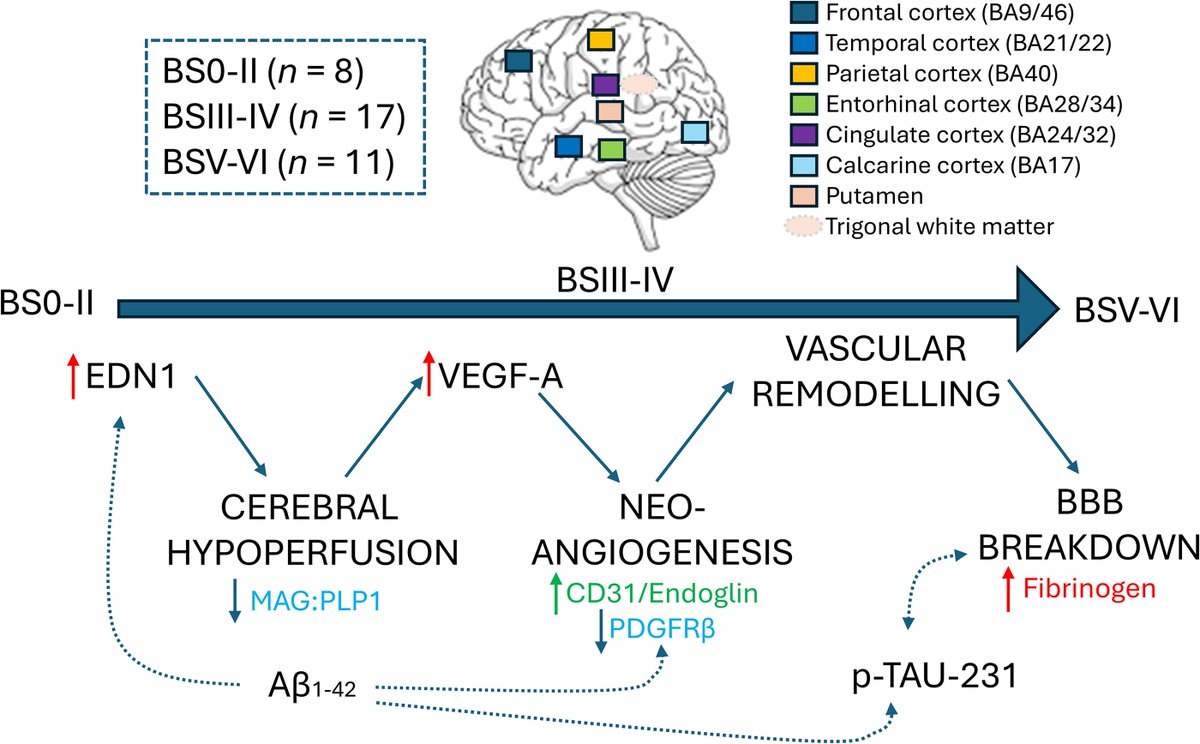
By analysing post-mortem brain tissue, Asby et al. show that reduced blood supply in AD promotes the growth of new but leaky blood vessels. These vascular changes are widespread even in early disease stages. https://t.co/srqeQlJQBG; https://t.co/MD6eAlo8KJ
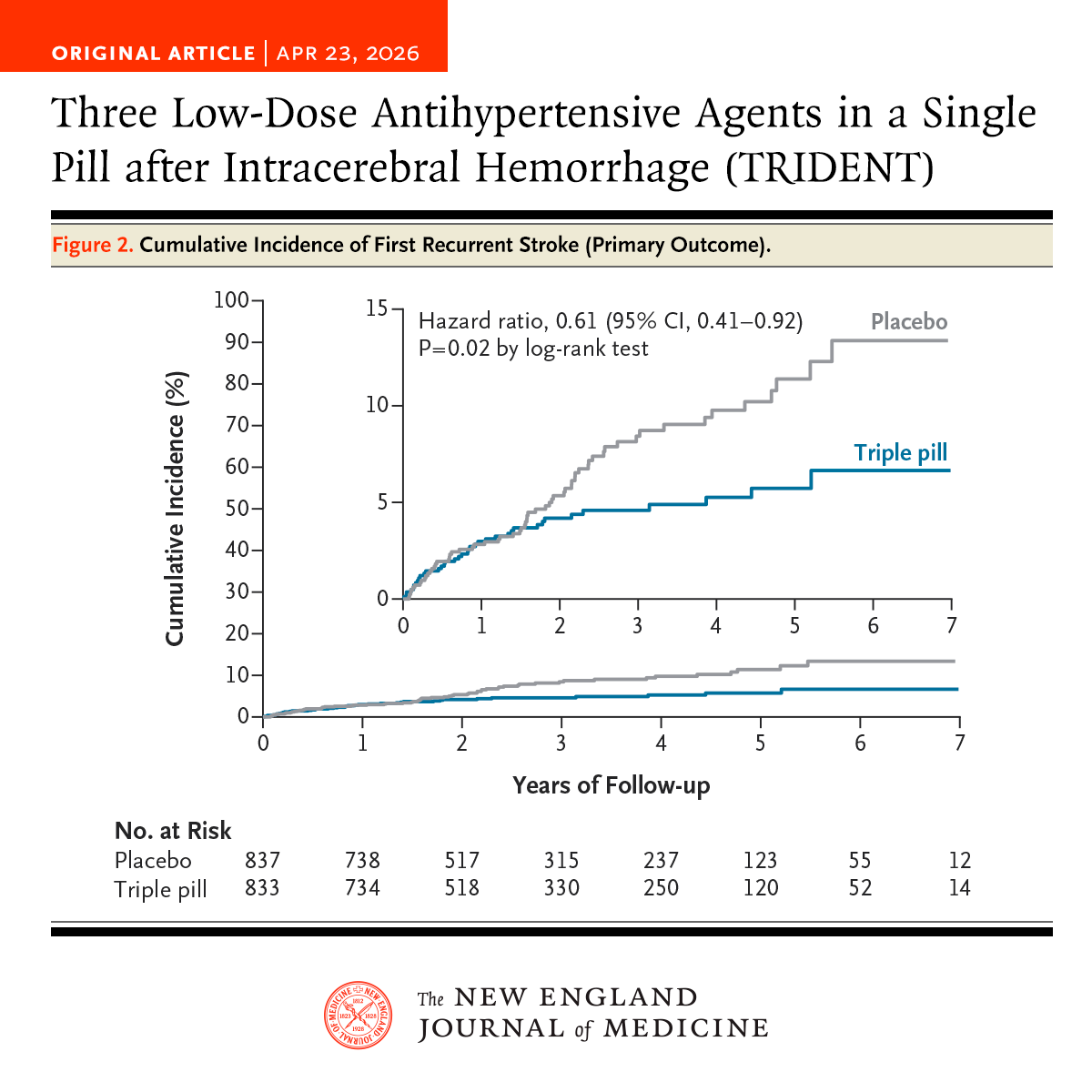
Among survivors of intracerebral hemorrhage, a single pill with three low-dose antihypertensive agents added to standard care was associated with a lower incidence of stroke and major cardiovascular events than placebo. Full TRIDENT trial results: https://t.co/0tiij1H7tb
Editorial: Blood-Pressure Control after Intracerebral Hemorrhage — An Unbroken Glass Ceiling https://t.co/Me1YWely2x
Why dementia rates differ across the globe may unlock prevention. This is a very important paper I hope folks don’t miss reading. Incidence means the number of new cases of a disease that develop over time in a population. Hendrie and colleagues describe in a new paper in JAMA how dementia and Alzheimer disease rates differ between older Yoruba adults in Nigeria and African Americans in Indianapolis.
Key Points:
- Dementia and Alzheimer disease incidence rates were significantly lower in Yoruba (residing in Nigeria) compared to African Americans in the United States.
- The study used identical methods across both populations, strengthening the validity of the comparison.
- Differences in vascular risk factors, environment and possibly gene interactions may contribute to these striking differences.
My take: This is a landmark study because it forces us to rethink dementia as not inevitable. When rates differ this much across populations, it suggests there are modifiable factors we can target. The brain is telling us a story here and we need to listen carefully.
Here are 5 points that resonated w/ me:
1- Dementia risk is not uniform across the globe and this opens the door to prevention strategies.
2- Lifestyle and vascular health may play a bigger role than we previously appreciated.
3- Studying diverse populations is essential to uncovering why diseases start and how they progress.
4- Lower rates in one population should push us to identify protective factors and apply them broadly.
5- The future of dementia care will depend on understanding environment, biology and access to care and of course it will depend on us working together.
https://t.co/qtSG1hWMbN #alzheimer #parkinson @ParkinsonDotOrg
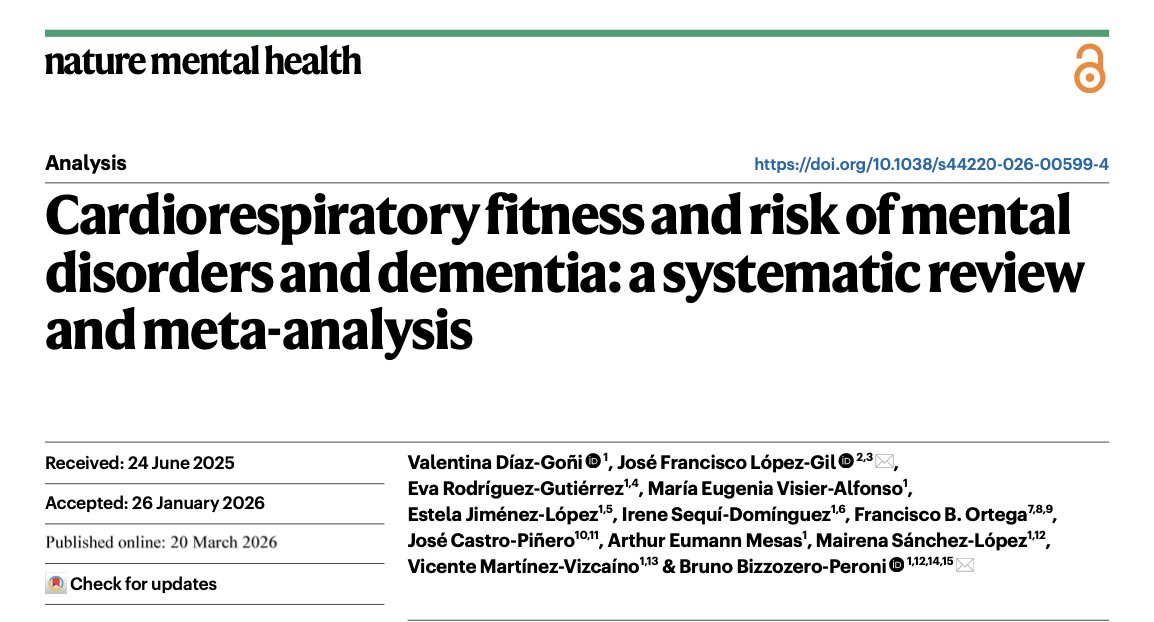
🚨Cardiorespiratory fitness may be one of the keys to mental and brain health
Not an app. Not a therapy. Not a medication.
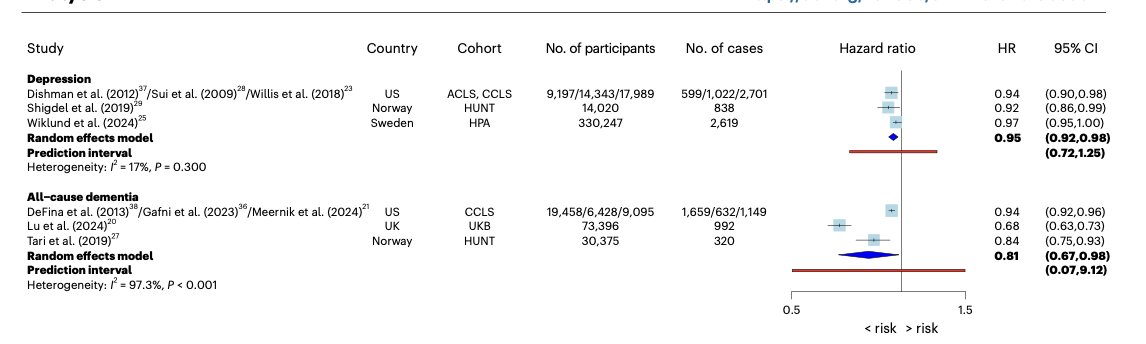
📊In our latest paper in @NatMentHealth (more than 4 million participants), a higher CRF🏃...
↓39% dementia
↓36% depression
↓29% psychotic disorders
CSF Proteomic Profiles Associated With White Matter Integrity in Cognitively Normal Older Adults With and Without Amyloid Pathology: https://t.co/vbjah7Vsp2
Our study is out in @ScienceMagazine! It shows that CAR-expressing astrocytes (CAR-A) can recognize and clear amyloid aggregates, reducing pathology and restoring microglial homeostasis in AD models.
Led by Yun Chen, Alex Liu and @khainotkaiorky!
https://t.co/toBkTydEpT
Get ready for this. These Chinese investigators report a cohort of 121 malignant MCA infarction patients age >60, 47 of whom underwent drill-assisted sterotactic aspiration of the infarcted tissue from 24-72 hrs after onset. Check out the CT images and the 70 mL of nectrotic brain tissue in the image below to give you an idera of what they were doing.
Retrospective, not randomized -- but the results were great.
Herniation: 47% vs 9%
Death: 65% vs 9%
Favorable mRS (0-3): 3% vs 26%
Not only #curingcoma –– cheating death.
https://t.co/uUULG3qAFb
"Productivity, I’ve come to see, is not measured only by research papers and grants. It is also sustained by presence, rest, and the relationships that give meaning to the work." #ScienceWorkingLife https://t.co/wdvcDr1qMt
The stroke field had major developments since 1993 when the TOAST criteria were proposed. We need move on to a different system that incorporates new mechanisms/tools/testing and standardizes the minimum workup. Introducing ISPS25 #stroke#WSC25#meded https://t.co/Tv3xYXBznX
One in two people in the US is affected by a neurological disease or disorder, according to a new systematic analysis by the American Academy of Neurology and @IHME_UW.
Read the new research published in @JAMANeuro: https://t.co/vOTsqng94L
#BrainHealth#AANscience#Neurology
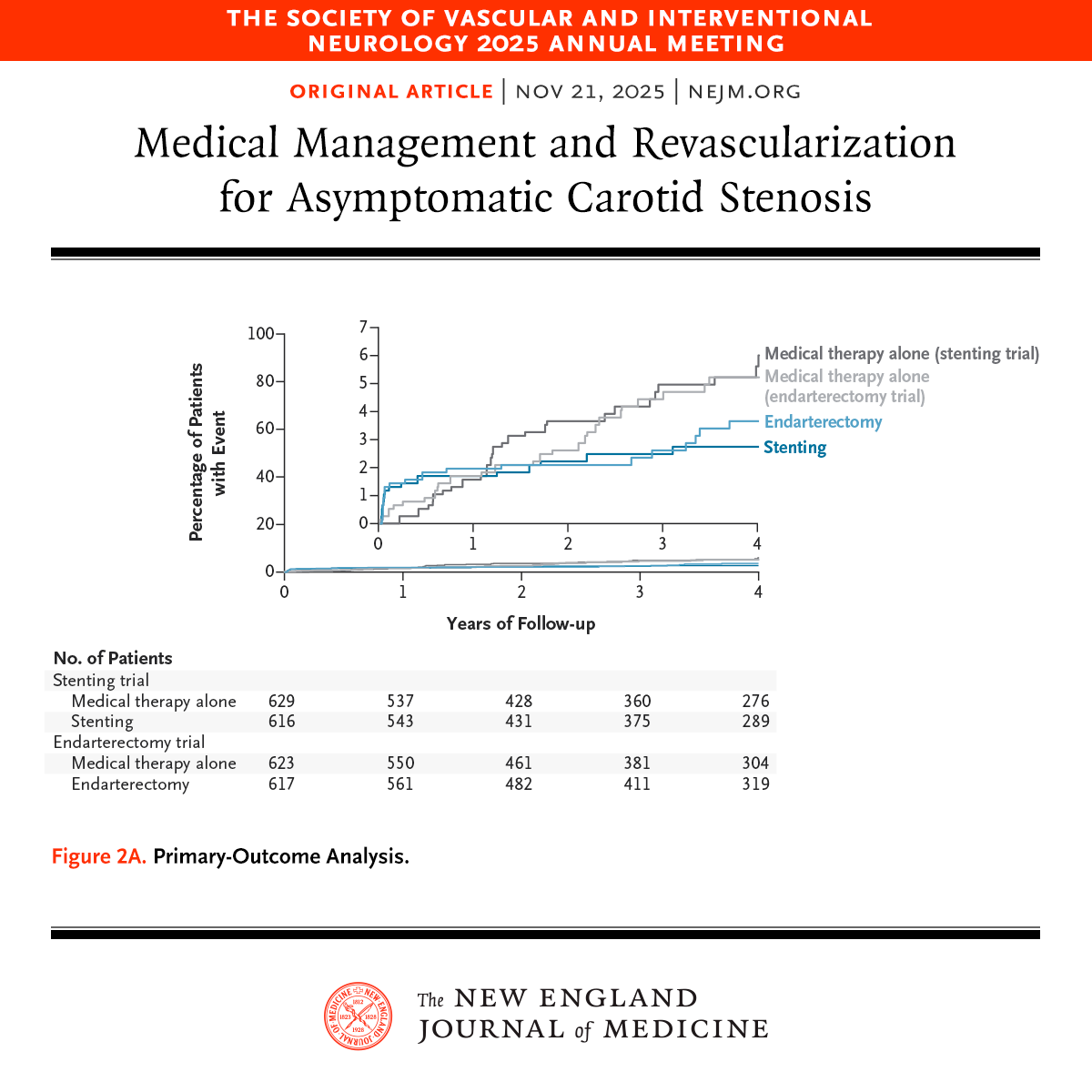
My Neutral Martian take of the CREST 2 trial of asymptomatic carotid vascular disease. On @Sensible__Med
Yet another medical reversal. Wow.
https://t.co/PSPg3nRlL0
Presented at #SVIN25:
CREST-2: In high-grade asymptomatic carotid stenosis, addition of stenting to medical therapy led to a lower risk of stroke over a 4-year period. Endarterectomy did not lead to a significant benefit. Full results: https://t.co/ojge1CjqiU
Editorial: Managing Asymptomatic Carotid Stenosis https://t.co/D9LH89Edyk
@svinsociety
In an analysis based on CHANCE-2, the Posterior Circulation Ischemic Stroke Outcome Score (PCISOS) provided effective risk stratification in minor PCIS, identifying subgroups with heterogeneous outcome risks and differential response to ticagrelor-aspirin. https://t.co/ELpbj5GRwH