🚨 10 striking conclusions from ESC 2026
1. HFmrEF is essentially gone.
ESC now defines HFrEF as LVEF <50% and HFpEF as ≥50%.
2. MRAs have broken the EF barrier.
Mineralocorticoid receptor antagonists now have a Class I recommendation in chronic HF irrespective of LVEF. Semaglutide/tirzepatide receive Class IIa recommendations for HFpEF with obesity.
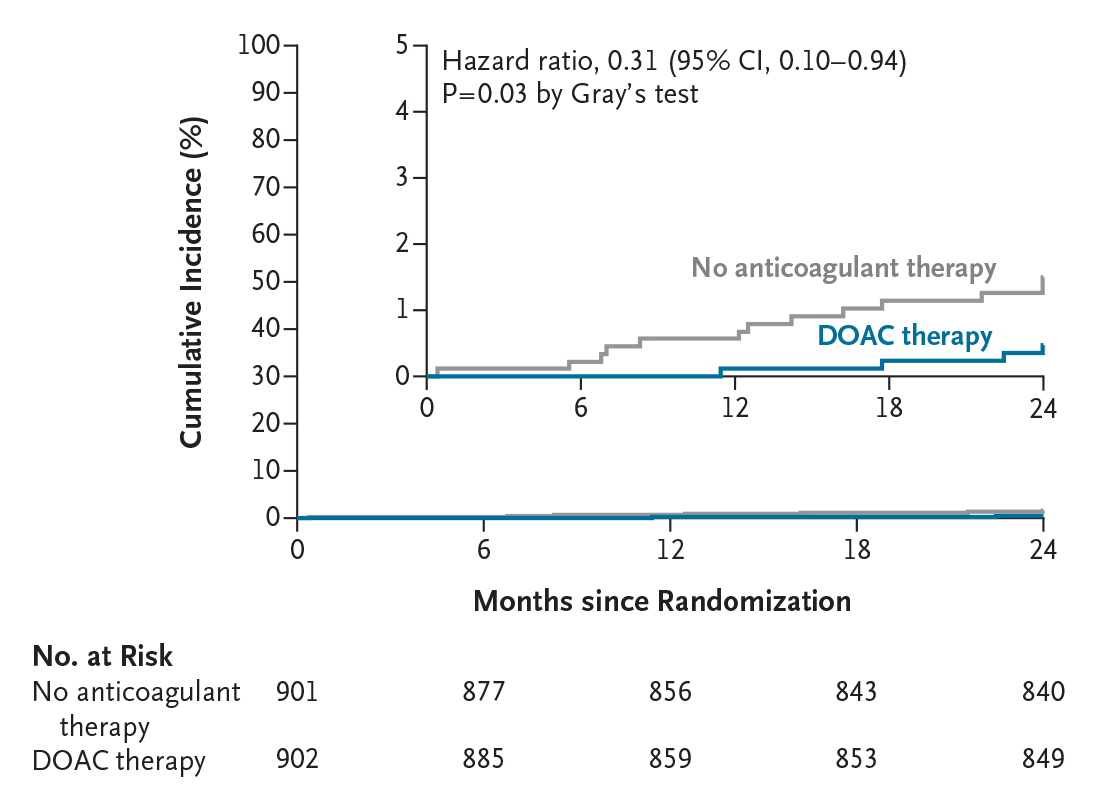
3. SINGLE-AF: anticoagulation may start earlier than we thought.
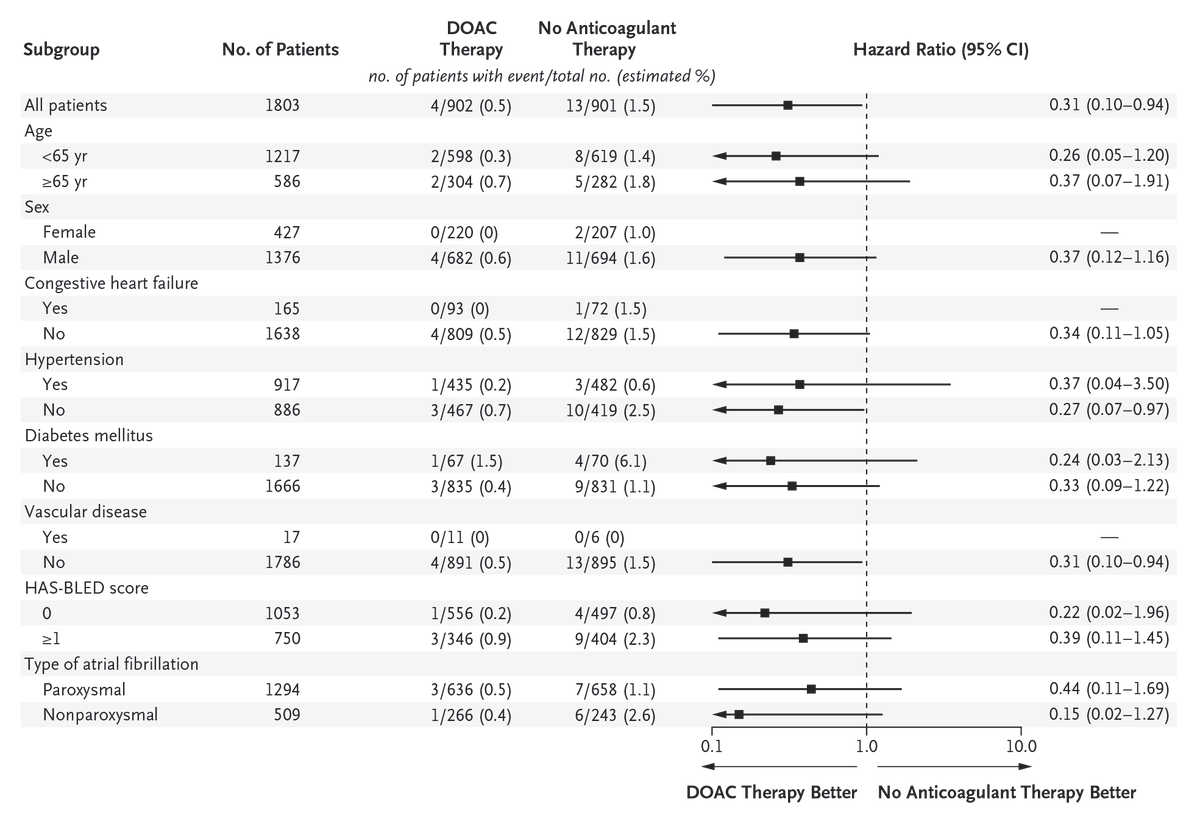
In AF patients at intermediate stroke risk, DOAC therapy reduced adverse clinical outcomes by 69% versus no anticoagulation.
4. Severe TR is no longer just “give diuretics and watch.”
TRIC-I-HF: transcatheter tricuspid repair reduced HF hospitalisation and all-cause mortality compared with medical therapy alone.
5. Unexplained syncope deserves early prolonged ECG monitoring.
ASPIRED: immediate 14-day monitoring did not prevent recurrent syncope, but substantially improved arrhythmia diagnosis/treatment and was associated with lower mortality.
6. Intermediate–high-risk PE may be entering the catheter era.
PRAGUE-26: catheter-directed thrombolysis improved short-term clinical outcomes versus anticoagulation alone, without an obvious major bleeding penalty.
7. Cardiac arrest + no STEMI ≠ automatic immediate cath lab.
DISCO: immediate angiography after OHCA without ST elevation did not improve 30-day survival.
8. Being ≥70 is not a reason to abandon primary-prevention statins.
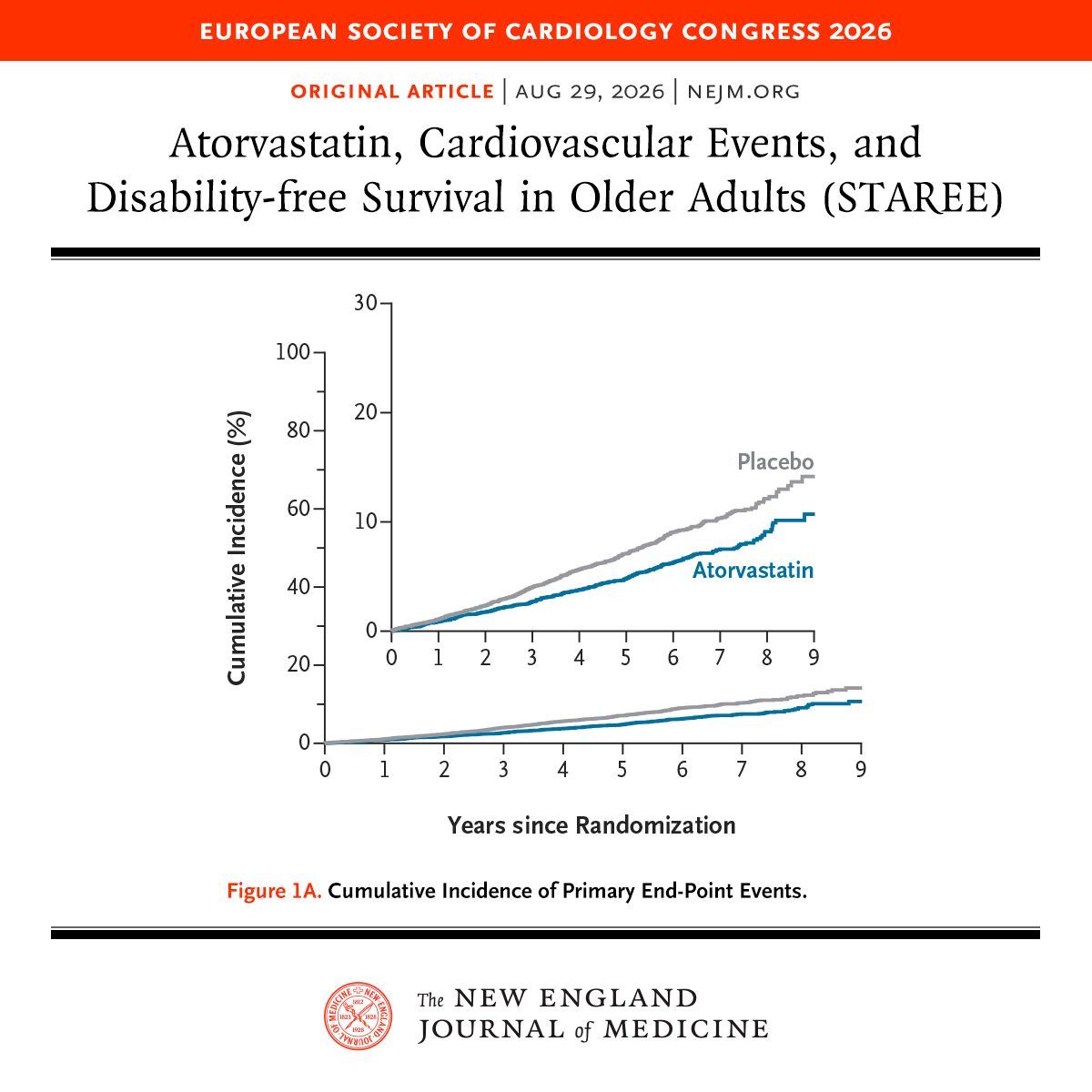
STAREE: atorvastatin reduced major cardiovascular events by about 30% in older adults without known CVD, although disability-free survival was unchanged.
9. AF ablation has a surprisingly large placebo component for symptoms.
PVI-SHAM-AF: ablation reduced AF recurrence, yet improvement in AF-related quality of life was not significantly greater than sham treatment.
10. Even the definition of MI has changed.
The 5th Universal Definition of MI replaces the traditional numbered framework with primary MI, secondary MI and procedure-related MI, while incorporating sex-specific troponin thresholds and greater use of imaging.
🔥 The one-line ESC 2026 message:
Treat HF across the EF spectrum, anticoagulate selected AF patients earlier, intervene on TR, monitor syncope sooner—and stop rushing every post-arrest patient without STEMI to the cath lab.
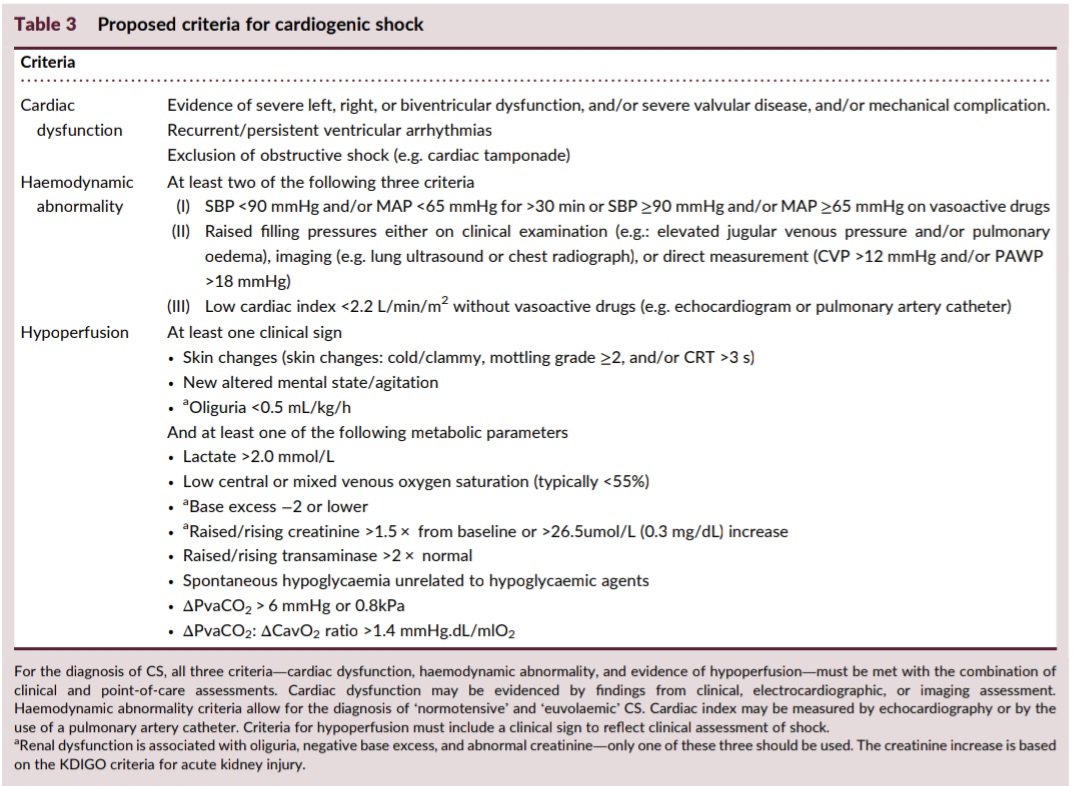
Choque cardiogénico: criterios diagnósticos. 🔎🫀💥
🔱 Consenso @escardio 2026.
🔴El SC no debe definirse únicamente por hipotensión. Se propone estandarizar su diagnóstico alrededor de 3 pilares obligatorios: disfunción cardíaca + alteración hemodinámica + hipoperfusión de órganos en reposo.
1️⃣ Disfunción cardíaca: debe existir una alteración cardíaca suficientemente grave para explicar el shock➡️ disfunción severa del VI, VD o biventricular, valvulopatía grave, complicación mecánica o arritmias ventriculares recurrentes/persistentes (debe excluirse una causa obstructiva, como taponamiento cardíaco).
2️⃣ Alteración hemodinámica: se requieren ≥2 de 3 criterios➡️ ① Presión arterial: PAS <90 mmHg y/o PAM <65 mmHg durante >30 min, o necesidad de vasoactivos para mantener cifras ≥ esos valores ; ② Presiones de llenado elevadas: por clínica o imagen, o invasivamente PVC >12 mmHg y/o PCP >18 mmHg ; ③ Bajo gasto: índice cardíaco <2.2 L/min/m² sin vasoactivos, medido mediante ecocardiografía o catéter de arteria pulmonar.
3️⃣ Hipoperfusión: se requiere ≥1 signo clínico + ≥1 marcador metabólico➡️ Signos clínicos: piel fría/húmeda, mottling ≥2, llenado capilar >3 s, alteración nueva del estado mental/agitación u oliguria <0.5 mL/kg/h ; Marcadores metabólicos: lactato >2 mmol/L, SvO₂/ScvO₂ típicamente <55%, exceso de base ≤−2, aumento de creatinina >1.5× basal o ≥0.3 mg/dL, transaminasas >2× normal, hipoglucemia espontánea, ΔPvaCO₂ >6 mmHg o ΔPvaCO₂/ΔCavO₂ >1.4.
📝🆓️⤵️ @ESC_Journals
https://t.co/UpL3d44dxQ
https://t.co/pEBjnGpnQu
New ESC EACVI/CCP consensus in the European Heart Journal: a practical guide to cardiac CT for every cardiologist, from first-line CCTA in suspected coronary disease to calcium scoring for statin decisions.
https://t.co/DNvlllrq8p
🚨 ESC 2026 | HOT LINE TRIALS
📊 16 ensayos en una tabla: qué se estudió, qué cambió la práctica y qué quedó en negativo o con matices.
🟢 Positivo | 🟡 Mixto | 🔴 Negativo
#ESCCongress#ESC2026
💡Happy to share our new paper focused on the role of 3D Echo for aortic valve and aortic root, from an repair-orientated perspective published on European Heart Journal - Imaging methods and practice.
Thanks to Prof Patrizio Lancellotti @cardiopole and Dr Tommaso Viva for the brilliant idea!
👉 https://t.co/N67wU8sSpz
Presented at #ESCCongress:
In patients with severe tricuspid regurgitation and heart failure, transcatheter tricuspid-valve repair plus medical therapy was superior to medical therapy alone in reducing hospitalizations for heart failure and deaths. Full TRIC-I-HF trial results: https://t.co/zJpLtFsASP
@escardio
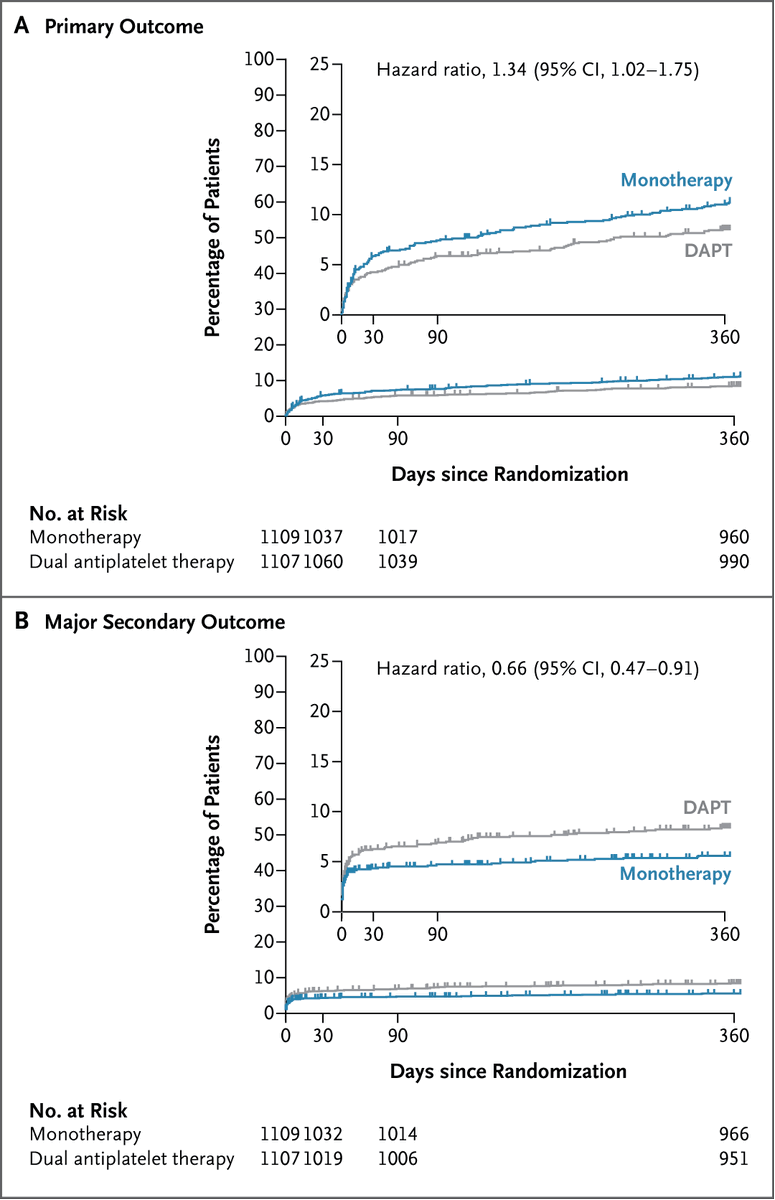
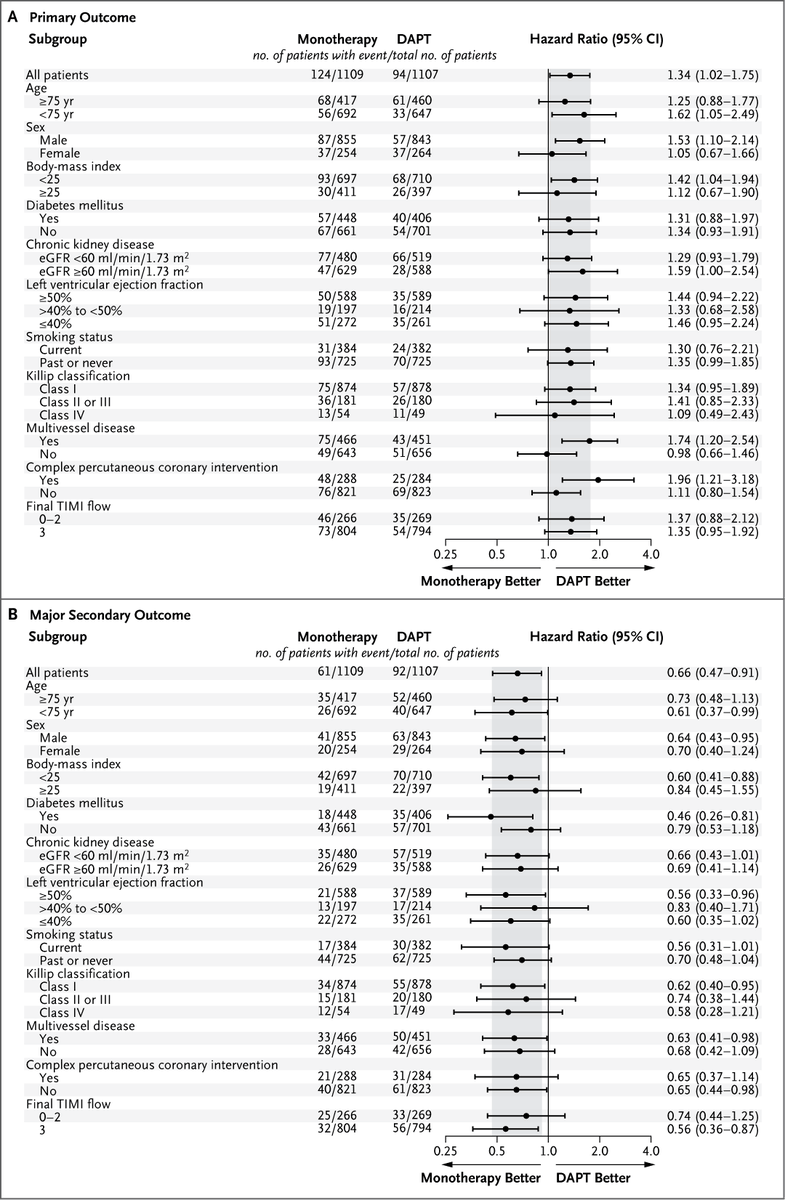
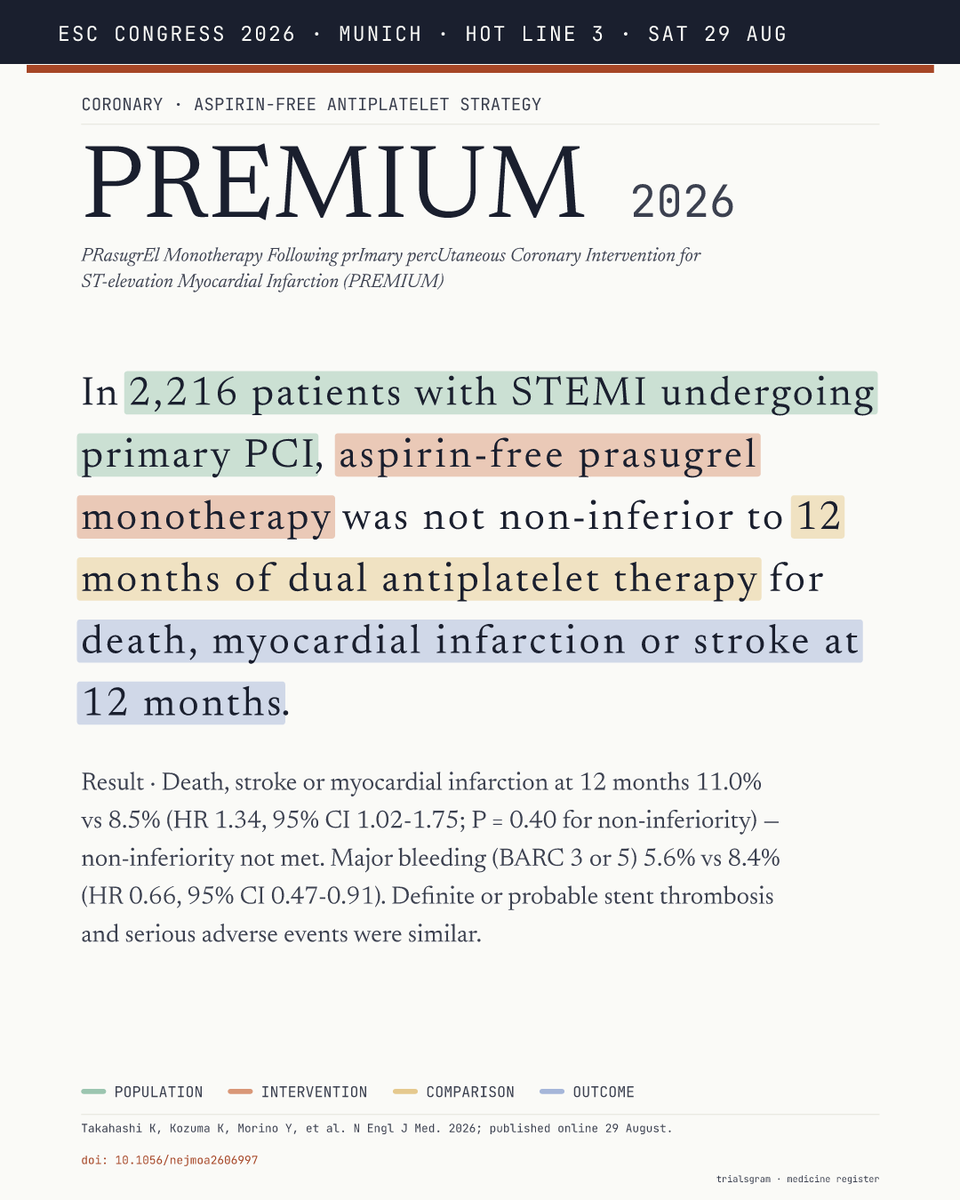
Original Article: Aspirin Omission at the Time of Primary Percutaneous Coronary Intervention in STEMI (PREMIUM trial) https://t.co/tESRNkN1uY
#ESCCongress | @escardio
Presented at #ESCCongress:
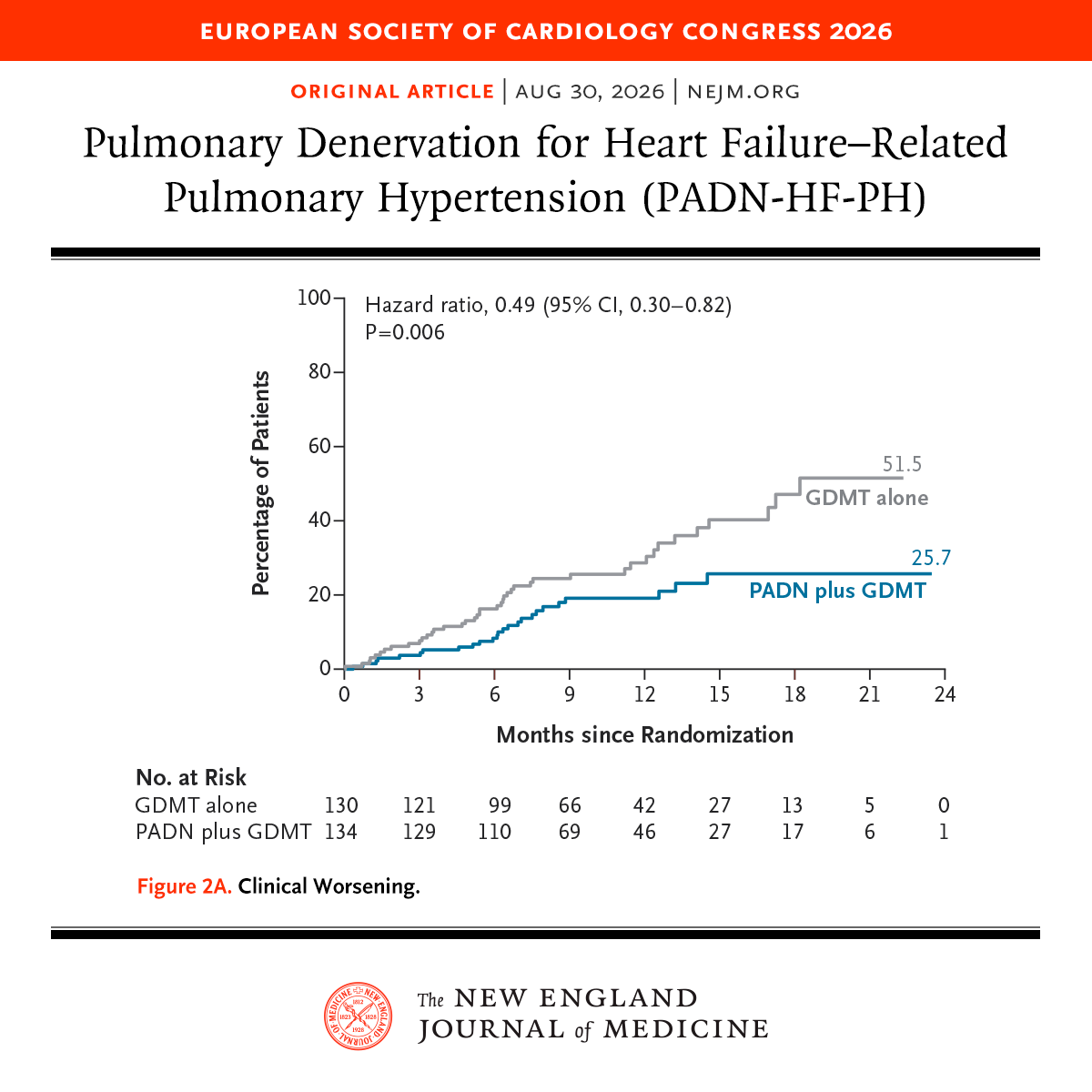
In pulmonary hypertension associated with left heart disease and heart failure, pulmonary-artery denervation reduced clinical worsening and recurrent heart failure events as compared with guideline-directed medical therapy alone. Full PADN-HF-PH trial results: https://t.co/NdEJGo5dpb
@escardio
Presented at #ESCCongress from @JAMA_current:
After #TranscatheterAorticValveImplant, factor Xa inhibitor non–vitamin K antagonist oral anticoagulant monotherapy reduced hypoattenuated leaflet thickening vs acetylsalicylic acid monotherapy.
https://t.co/aLY3mdBmL8
Presented at #ESCCongress:
In older adults without cardiovascular disease, treatment with atorvastatin led to a lower risk of major cardiovascular events than placebo at a median of 5.9 years but did not result in longer disability-free survival. Full STAREE trial results: https://t.co/LLJtTGssg8
@escardio
⚡️CARDIO-TTRansform = largest trial in patients with ATTR-CM to date
📌 Eplontersen + stabilizer therapy did not confer added CV benefit
📋 Baseline standard care may have influenced results
More ⬇️
#ESCCongress#ESC365@escardio
https://t.co/nZQda1PciN
Results from the STAREE trial presented at #ESCCongress found that atorvastatin lowered the risk of major CV events compared with placebo over ~6 years, though it did not extend disability-free survival.
Read more: https://t.co/JQ0fzZSYxk
#ACCIntl#cvPrev
🩺 New findings from the Phase II TRANQUILITY study presented at #ESCCongress show pacibekitug produced sustained reductions in inflammatory markers in patients w/ #CKD at high inflammatory risk, w/ no clear dose-related safety signals identified.
More: https://t.co/I3S7XpPDOW
Original Article: Anticoagulation for Atrial Fibrillation with Intermediate Stroke Risk (SINGLE-AF trial) https://t.co/fsN8QZhgYh
Editorial: Anticoagulation for Atrial Fibrillation with a Single Risk Factor for Stroke https://t.co/RX8U46dRZb
#ESCCongress | @escardio
LIBREXIA ACS — In 14,194 patients with a recent acute coronary syndrome, milvexian added to antiplatelet therapy did not reduce cardiovascular death, myocardial infarction or ischaemic stroke compared with placebo.
https://t.co/bQjQNhjAyl
@escardio#ESCCongress#ESC2026#EBM
PREMIUM — In 2,216 patients with STEMI undergoing primary PCI, aspirin-free prasugrel monotherapy was not non-inferior to 12 months of dual antiplatelet therapy for death, myocardial infarction or stroke at 12 months.
https://t.co/VsWxAC28PC
@escardio#ESCCongress#ESC2026#EBM