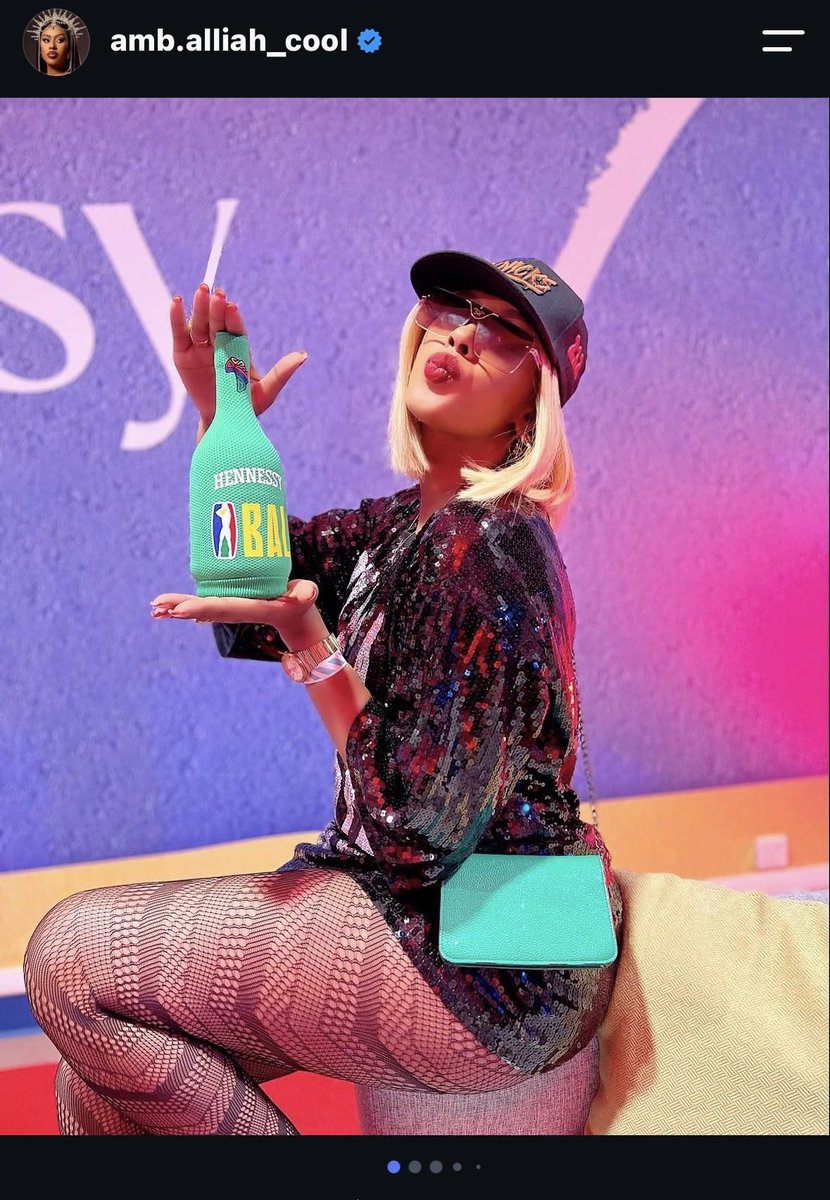
@CharityKeza She should first go delete these pictures they’re very indecent , since she wants to support the gov’ts wrongs so bad. Ubanza tujya twiyibagiza ko natwe ibintu byatw’affecta nk’abandi.
I hope you’all are watching the intergenerational debate unfolding on X. I fear the day Rwandans become truly SOBER, Free from political manipulation, alcoholism , institutional incompetence and injustice. When that clarity comes, no political machine will be able to contain it. Let’s hope that awakening comes peacefully.
@PaulKagame@rpfinkotanyi@NewTimesRwanda@RwandaGov
you’ve been referencing Article 143 of Law Nº68/2018. i want you to explain to me what constitutes public indecency and how the women we saw in the photos/videos of last night violated that specific article. the less subjective and the more objective it is, the better.
@nmukazayire Big congs to our girls frl, rubato inyuma cyane.
Ariko Minister ikibazo cy’imyambarire nacyo mucyigeho, soon these ladies will be crucified for what they’re wearing ( abantu batitaye ko Bari gukina and there’s a reason that’s the attire appropriate for the game)
Mutuvugire 🙌🏿
Dear @XandrineUmutoni,
you spent paragraphs explaining who shapes people’s clothing choices while dodging the simplest question: why should the State have any role in policing them? Does Cabinet approve what you wear as State Minister? If not, spare citizens the paternalism. Promote Rwandan culture, challenge commercial trends, educate young people but stop confusing cultural advocacy with government authority over people’s bodies.
@NewTimesRwanda@Umuryangonews@RwandaYouth@RwandaYouthArts
Hon. Minister, among the questions we should be asking is why we continue to resort to victim-blaming when addressing sexual predators, rather than confronting the issue at its root. Clothes don’t cause rape. Rapists cause rape. This isn’t a case of fashion choices.
@tantineishere Honestly I’m scared for the plus size girlies, I feel like anything they wear will be sexualized (big bums, heavy chest)
Ndahangayitse nukuri
Dear Sandrine, I have taken the time to read your post carefully point by point, and I want to offer a different perspective on this debate. Please bear with me as it will be long.
While I agree that corporate commodification and media algorithms deserve critical scrutiny, the conclusions you have drawn here, can be quite dangerous as they overlook key historical truths and dismiss personal autonomy.
1. you frame revealing or modern fashion solely as a product of Western commercialization/exploitation, contrasting it with authentic local culture. But that's not entirely true. Indigenous African clothing cultures across the continent including pre-colonial dress in many regions often featured minimal clothing, wraps, and exposed bodies without inherently linking skin to sexual desirability. Framing full coverage as the only culturally authentic alternative is actually an adoption of european modesty standards introduced during colonization, not indigenous heritage.
2. You argue that young women who choose revealing fashion are merely passive victims of algorithms, industries, and foreign influences who lack critical thinking. This infantalizes young people, especially women. It assumes that if a woman chooses to wear modern, body-conscious fashion, she must be brainwashed by western media, rather than exercising genuine personal style, comfort, or agency. Suggesting someone only chooses an outfit because they lack critical thinking is another form of policing.
3. You attempted to redefine freedom not as the right to choose what to wear, but as understanding what shapes our choices. But real freedom requires both critical awareness and the bodily autonomy to wear what one chooses without state, cultural, or moral judgment. One can critically understand how fashion industries work and still choose to wear a short dress simply because they like how it looks. Redefining freedom to exclude bodily choice sets up a dangerous slope toward state regulation under the pretense of protecting people from themselves.
4. You ask why sexual visibility is so disproportionately expected of the female body framing exposure as an expectation forced upon girls. You are partially correct but expecting women to modify their expression to resist commercialization unfairly make women's bodies as the battleground for cultural integrity. Men also consume globalized fashion (streetwear, suits, western labels), yet their choices are rarely framed as a threat to national identity or cultural erasure.
Critiquing global capitalism as you did is valid, but using that critique to invalidate women's personal choices and police their bodies is not. True cultural confidence lies in trusting young people especially women to exercise their bodily autonomy freely.
The issue has always been the oversexualization of women's bodies rather than the clothes they are wearing. You should ask yourself how do we create a society where no matter what a woman wears she won't be sexualized and her body won't be a battleground of cultural integrity
there's aba mama on here that are excited about the ban on miniskirts thinking that this will tame their unruly husbands, lol.
umva tantine, that man was cheating on you way back mukiba i burundi before mini skirts were even a thing.
this conversation is not about clothes…. It is about what we are teaching women about their bodies and rights
when a male officer gets to decide whether you are “decent” enough by inspecting what put on, what are we teaching young girls about who owns and controls their bodies?