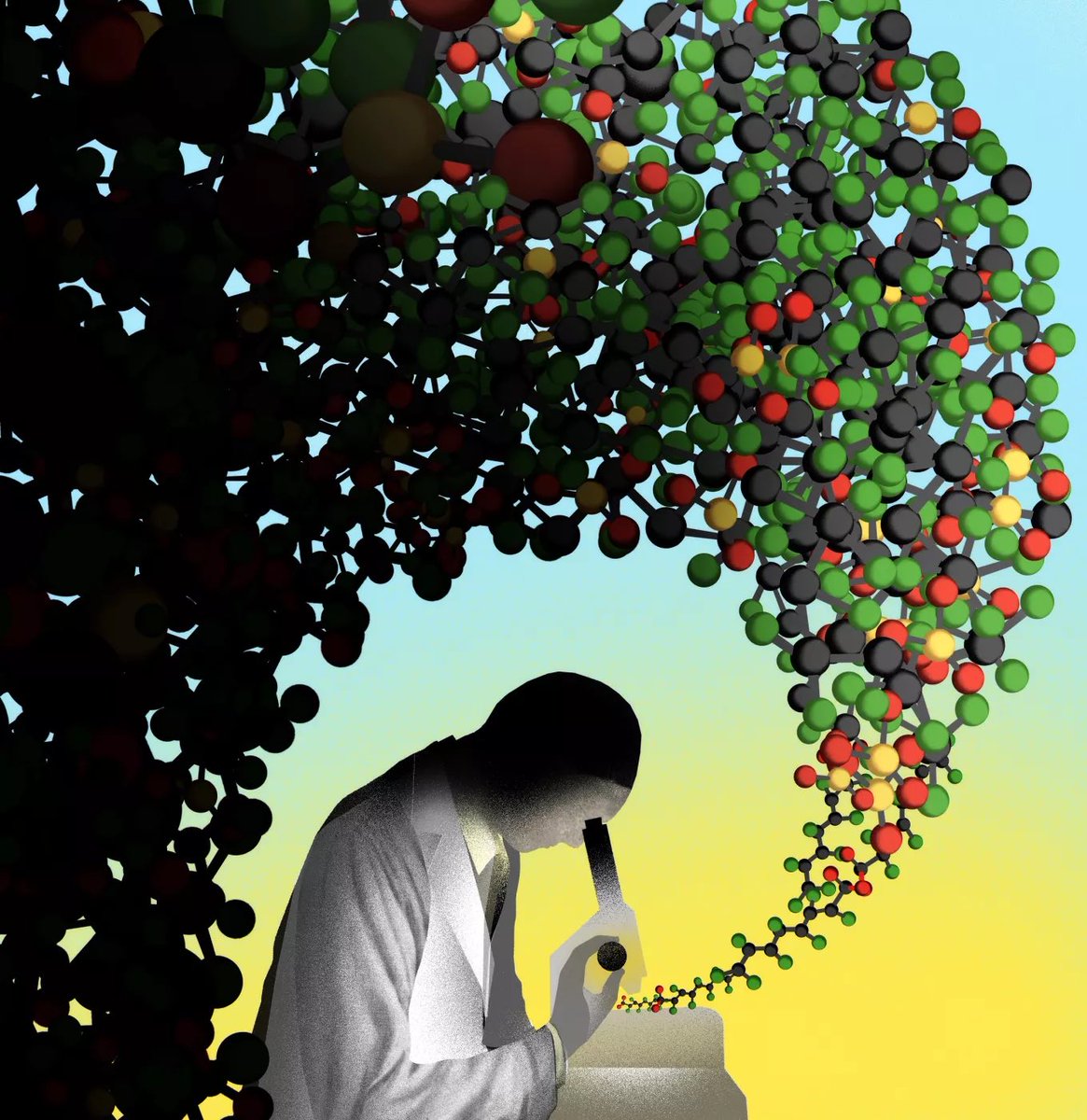
My latest for @NRDC features @risestjames's fight to halt petrochemical expansion in so-called Cancer Alley—and to help usher in a cleaner, healthier future starting with solar development. Both have been an uphill battle. https://t.co/5C8ipjIGLS
"Electric bills keep going up—seemingly with no limit in sight...But utilities can’t just raise prices on their own—they must seek approval from public utility commissions, or PUCs," reports @nmgreenfield. Read more on @ConsumerReports ⤵
https://t.co/SVh6EkF5lK
Scoop: In the notice, USDA said the regs are “obsolete,” but they were also one of the only potential sources of data on when, where, and how “restricted use” pesticides are used. @CivilEats https://t.co/SnBtMFrbcp
"During President Donald Trump’s administration, they said, their managers at the EPA began pressuring them to make new chemicals they were vetting seem safer than they really were. They were encouraged to delete evidence of chemicals’ harms..." https://t.co/3JyJ7l5LVk
Most plastic items are too small for recyclers to bother sorting and processing, or they're assembled in such a way that it's less expensive to just make new plastic. In fact, only 5% of Americans’ plastic finds new life.
https://t.co/aIDgs2S2Ph
Today, @grist published a 5-part series in collaboration with @voxdotcom and @19thnews on how climate change is impacting reproductive health, from menstruation to conception to birth.
This is a brilliant, critical package. Please read and share: https://t.co/rn23oIxIZz
For years, I wished someone inside 3M could give me insight into the company’s decision to keep making and selling “forever chemicals” even though they were accumulating in people. Then I met Kris Hansen... https://t.co/vsBSK04gY3
In 1971, my mother was part of a dual self-immolation. For the @latimes I wrote about how today mirrors that time and where to place my mother’s act in a lineage of burning—a question I explore fully in my memoir, Love is a Burning Thing, out May 7 https://t.co/iUkje9u9xu
The US will soon learn how bad its PFAS crisis is. But Maine has already begun to look—and is waking up to a nightmare. For @TheAtlantic I spoke to a family realizing they drank toxic water for 30 years, and what it may have cost them. Maine is a warning: https://t.co/kbiQnMW7Ri
new: plastic producers have known for 30+ yrs that recycling is not an economically or technically feasible plastic waste management solution. but they promoted it anyway, a new @climatecosts analysis shows.
the report is full of new docs & evidence.
https://t.co/XDBBVZAcWB
since july, i've been talking with residents of east palestine about their efforts to confirm whether pollution lingers in their homes, and how it will affect the rest of their lives. this is the story: https://t.co/cCnLMg28RU
New: Ahead of a groundbreaking treaty to reduce plastic pollution, a group of independent scientists fear that the United Nations is legitimizing industry-backed proposals such as chemical recycling. https://t.co/i8gLb3aDS2
People who work in restaurants, factories, and schools could all be exposed to dangerously hot conditions, which can cause heat-related illnesses—and even be fatal. These workers urgently need protections from extreme heat indoors. https://t.co/gIAYxGl3ne
This week's Record High newsletter is about why FEMA doesn't respond to heat waves. The law that governs the agency doesn't recognize heat as a disaster, and the costs of heat are often invisible, making it harder for states to access federal resources. https://t.co/DB5hBid2Pl
Thankfully, @NRDC scientists, lawyers, and advocates have been on top of this issue for years. One critical solution: Regulate *all* PFAS as a single class of chemical, not one by one: https://t.co/bh8OuSORef