~0 tweets per week on 3D graphics & geometry, computer vision, and HCI/AR/VR through research papers, github repositories, & articles. Curated by @ddiakopoulos
To operate on large and complex meshes, we need data structures that are efficient and compact. Halfedge data structure is great for traversing the mesh by bringing in a new entity named halfedge. Here we look at some basics about the data structure.
✨New year and a new dream role on my team. I'm hiring for a Senior AR/VR UX Prototyper. Diverse backgrounds welcome. Onsite preferred but remote possible in select cities for exceptionally experienced folks. DMs open for additional questions! https://t.co/J45QW5reKi
Graphics engineer Björn Ottosson (@bjornornorn) proposes Oklab, a new perceptual color space that improves upon CIELAB by producing smoother color transitions between gradients and maintaining hue while boosting saturation. https://t.co/hH5Tv4u2Vq
Bart Wronski (@BartWronsk) writes on his experience working on titles like Witcher 2 + Far Cry 4. He highlights the challenges of integrating graphics algorithms while managing the complexity of pipeline integration, tooling, performance, and more. https://t.co/iKFpOwVWun
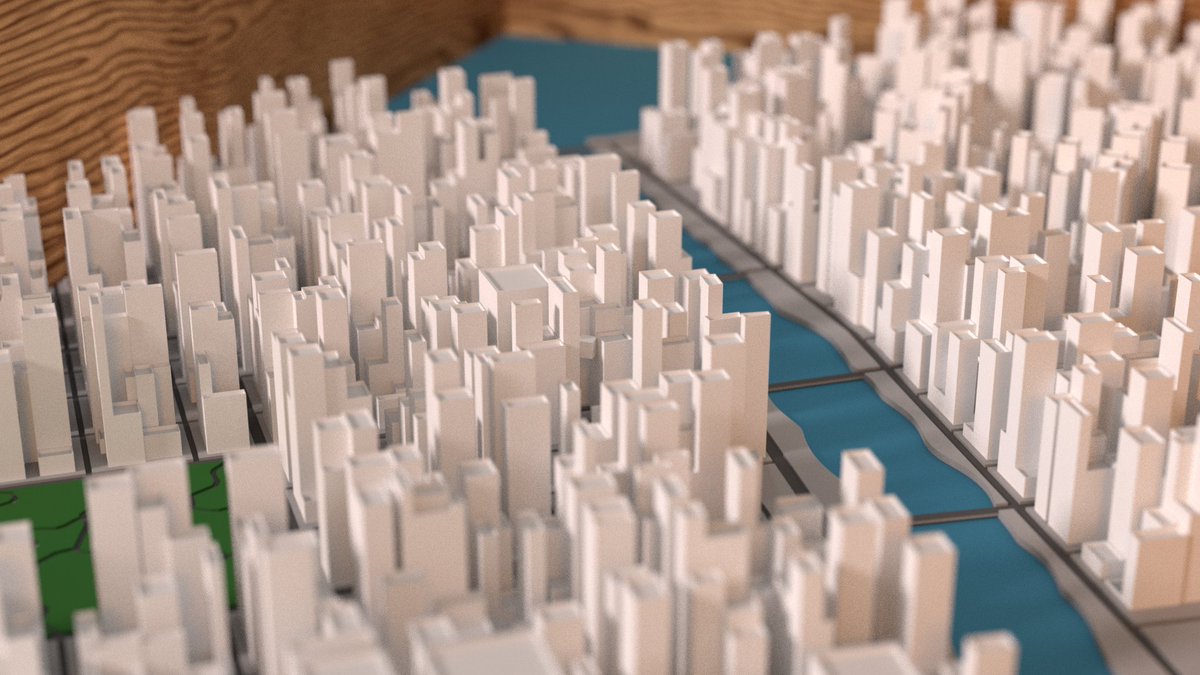
Fun Friday: Procedural City Generator is an open-source project by @probabletrain that algorithmically models American-styled cities with a variety of rendering styles and export formats like png, heightmap, svg, and stl https://t.co/3T8nEgOYD4
Eulearian? Lagrangian? 2D? Incompressible? LOD support? Foam? Spray? Deep? Shallow? Turbulent? Water simulation & rendering has a long history in computer graphics practice & theory. This page via @crest_ocean provides an index of helpful resources https://t.co/aifqyrUDF0
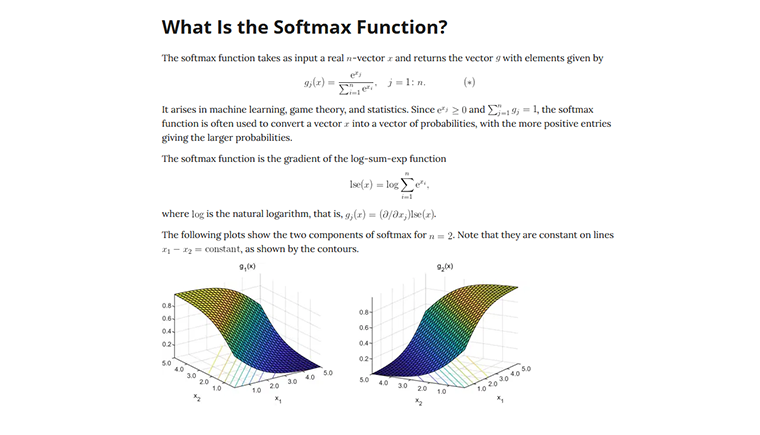
Mathematics Prof. Nick Higham (@nhigham) writes a series of "What Is" articles that detail important concepts in numerical analysis & linalg. Not for an introductory audience, they cover topics like the generalized inverse, QR factorization, and much more. https://t.co/5SGwKRf93g
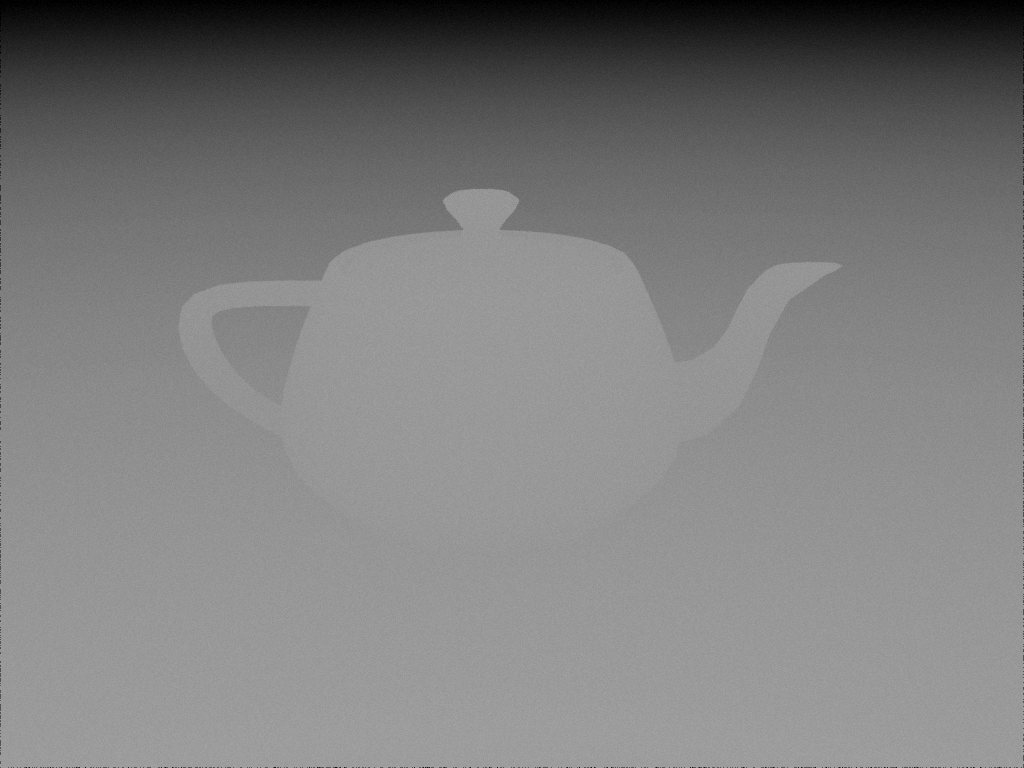
Few mobile devices have a hardware depth camera, making monocular depth estimation an important component in popular computational photography apps. Google presents new open-source work that marries a typical SfM pipeline with a learning-based prior. https://t.co/zCbQwrryGw
Graphics programmer Simon Coenen (@simon_coenen) details the major render passes and pipeline decisions made in id Tech 7, the pure Vulkan renderer used in Doom Eternal https://t.co/WSwuDxgW3R
Fun Friday: an open-source virtual computer keyboard simulator with configurable layouts, languages, and color schemes resulting in a relaxing visual ASMR environment. https://t.co/mRGTgEtpfI
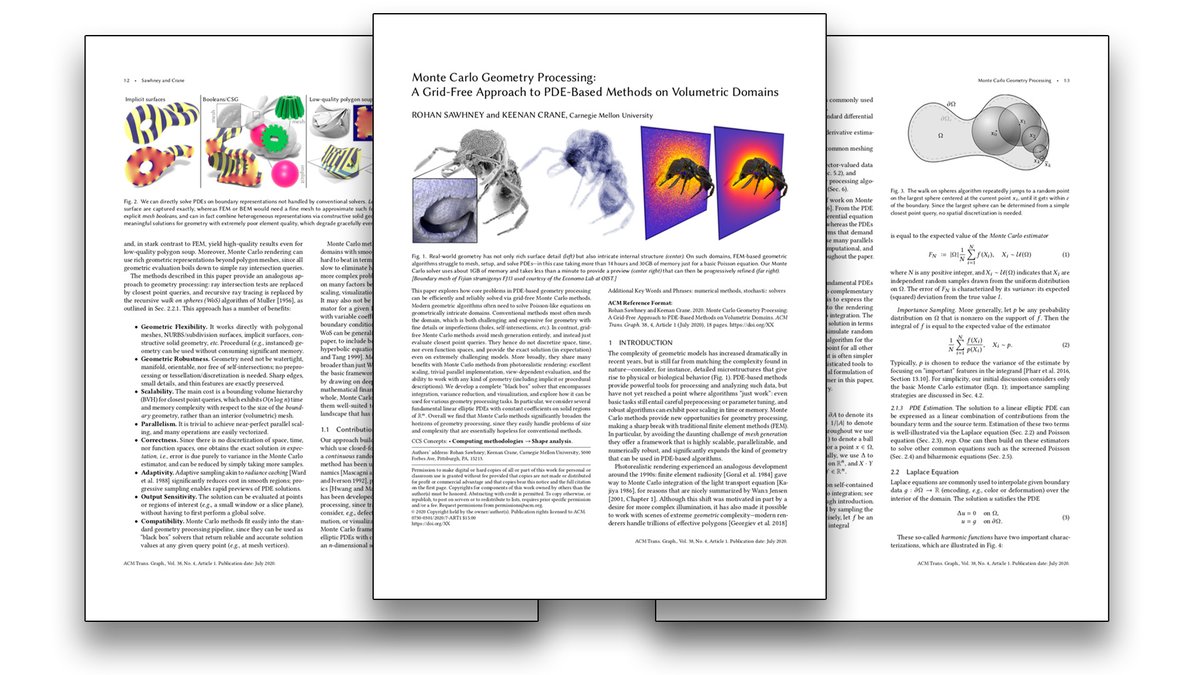
Monte-Carlo Geometry Processing @ SIGGRAPH 2020 from @rohansawhney1 & @keenanisalive describes a new method to efficiently solve geometric PDEs (e.g. Laplace/Poisson kernels) on many types of boundary representations like polygon-soup or implicit surfaces. https://t.co/x5uLDZOKc6
Matt Pharr released a preview of the PBRT-v4 renderer on Github, a WIP look at the system described in the forthcoming 4th ed. of Physically Based Rendering. PBRT-v4 focuses on a unified pathtracing architecture inclusive of both CPU + GPU acceleration. https://t.co/eJADHUXSyX
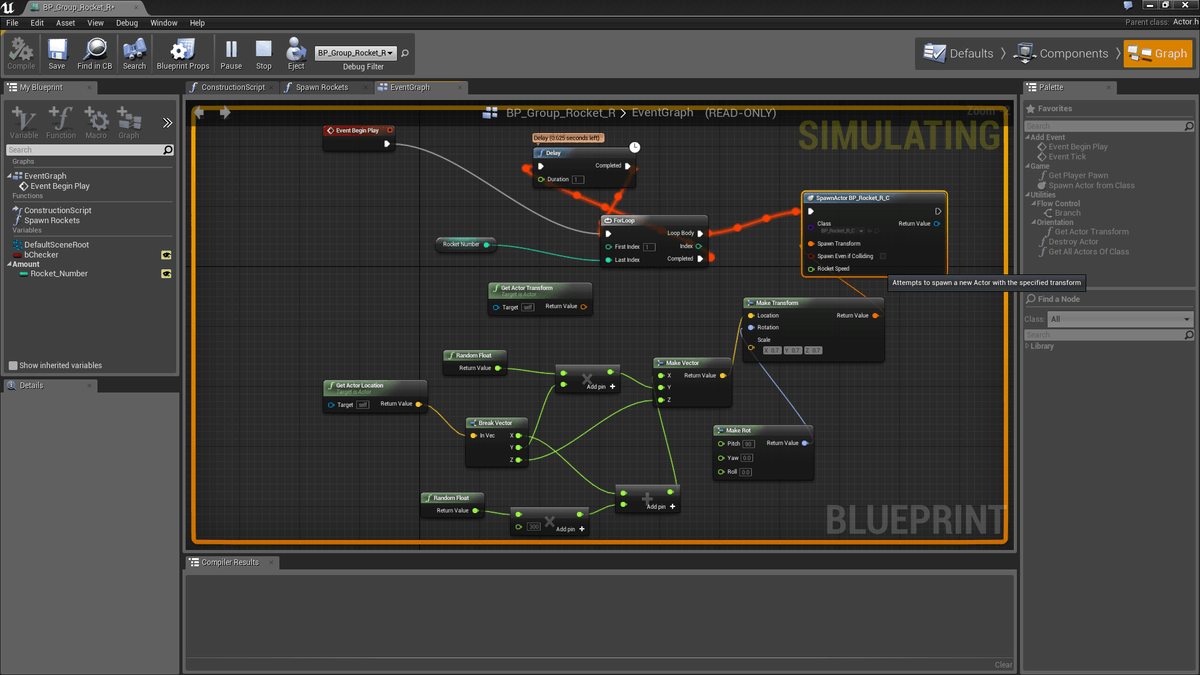
Visual programming languages (like Unreal's Blueprint) are commonplace in content toolchains. Ivan Reese (@spiralganglion) maintains a curated collection of visual programming resources, cataloging specific products & critical reflections on VPLs https://t.co/bBOwCEa5Rz
For this week's wildcard Friday link, we highlight the Women in Graphics Research organization (@wigraphorg), a group of researchers offering networking and mentorship towards robust and inclusive representation of women in the field. https://t.co/L3UOLDCdSc
Unity Graphics Engineer Evgenii Golubev (@zalbard) offers a quantitative look at reverse Z-buffering, a widely adopted technique in modern rasterized engines to eliminate (or mitigate) float point depth buffer precision issues. https://t.co/wBSnhTAeLw
The NYT R&D Team (@nytimesrd) builds an interactive web experience that bring viewers through the capture, refinement, and annotation of high-quality "journalistic scenes" reconstructed with an offline photogrammetry process https://t.co/n0YCc68oEk