Our latest study dives into the barriers hindering the implementation of the improved Community Health Fund (iCHF) electronic-claim (e-claim) process in primary healthcare services in Singida region, Tanzania.
https://t.co/Iaq9WWo0cF
Depression is increasingly common among young adults transitioning to adulthood.
A Review in The Lancet Psychiatry explores the factors that affect the resilience of young adults to depression: https://t.co/aS7cSCaQXW
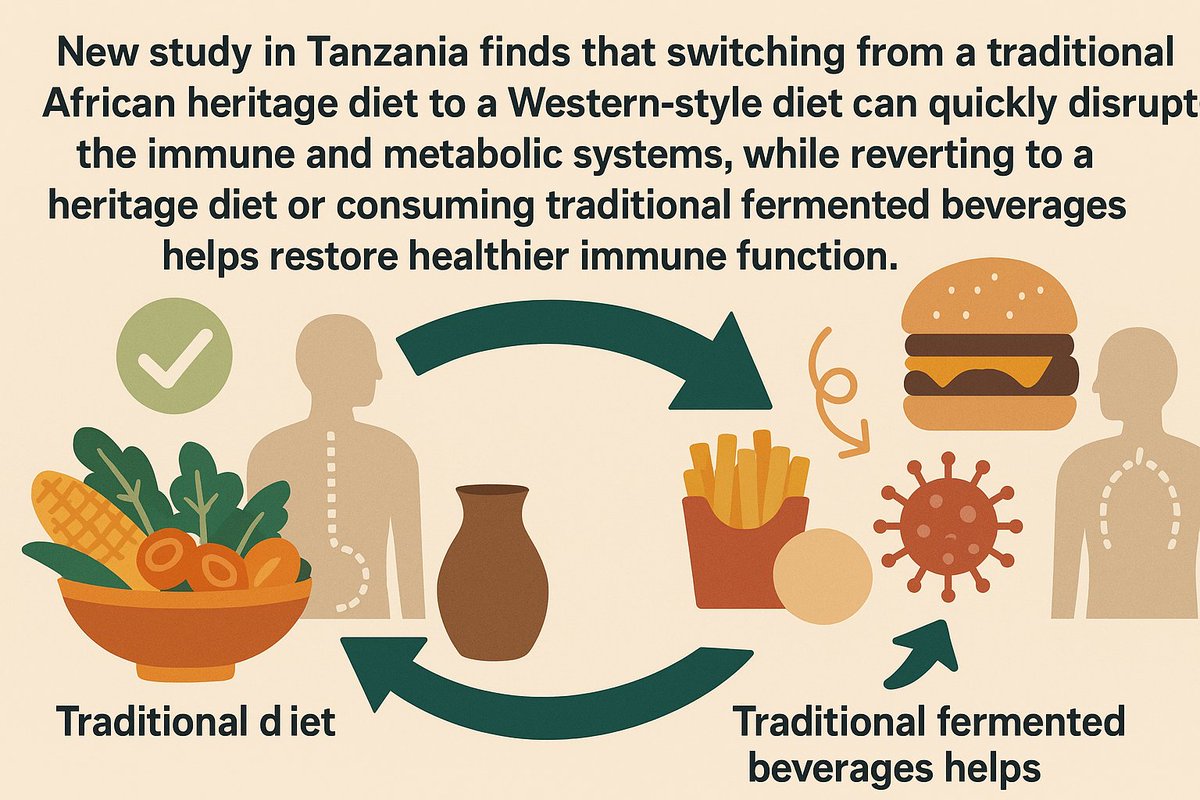
New study in Tanzania finds that switching from traditional African foods to a Western-style diet can quickly disrupt the immune and metabolic systems, while reverting to the heritage diet or consuming traditional fermented beverages helps restore healthier immune function.
~
Researchers hypothesized that the growing shift away from plant-based, fiber-rich traditional diets (like those of the Chagga people in Kilimanjaro) toward calorie-dense, processed Western diets may drive chronic inflammation and noncommunicable diseases (NCDs). So they did a randomized trial, monitoring 77 healthy young men who either swapped diets for two weeks or added a traditional fermented banana drink called Mbege for one week. The team assessed changes in immune responses, inflammation markers, gene expression, and metabolism. They found that switching to a Western diet increased weight, promoted inflammation, reduced the body’s ability to fight infections, and activated immune cells in ways linked to chronic diseases. In contrast, returning to a heritage diet or drinking Mbege had anti-inflammatory effects and improved immune signaling, with some benefits lasting weeks after the interventions ended. The researchers concluded that preserving traditional diets and fermented foods could help prevent the rising burden of NCDs in sub-Saharan Africa.
In other words, you should Mbege and eat magimbi, ndizi, z=viazi maharagwe etc etc;
Fikra za wazalendo zidumu milele
~
Temba et al 2025: Immune and metabolic effects of African heritage diets versus Western diets in men: a randomized controlled trial https://t.co/6Q9RfU6oYx
A BIG STUDY in Nature Medicine:
Which food makes you age faster?
Scientists looked at 105,000 people in 30 years.
The statistics is impressive.
The study is open-access, so everyone can read it.
📍 Findings:
The diet that ROCKS: fruits, vegetables, whole grains, unsaturated fats, nuts, legumes, and some dairy products.
Adherence to this diet gives (on average):
- 86% higher odds of healthy aging at 70 years
- 224% greater odds for 75 years.
This was independent of other lifestyle factors, including physical activity level, smoking and BMI!
Basically, the diet should be LOWER in trans fats, sodium, and red and processed meats.
📍 Interesting points to note:
1. Olive / vegetable oil is best.
NOT Peanut oil. NOT processed Canola oil.
Look for extra virgin oil. It has less trans fat.
2. Wine is on the positive list. This is interesting, given all the controversy over its consumption.
3. Eggs make aging worse. I don’t know why.
One guess - maybe it’s due to BCAA (branched chain amino acids) that are assumed to accelerate aging? BCAA concentration in eggs is smaller than in salmon, chicken, or cheese. Yet, fish is better than eggs, but eggs are better than poultry. This is interesting.
4. Red meats are the worst. It’s even worse than sweets and desserts.
❗My point is simple:
Thinking of buying donuts? Skip it.
Thinking of going to McDonald's? Skip it.
Adding fries to your order? Go for a salad instead.
BUT for most people it’s hard.
Why? Because of survival instincts.
Our brain rewards sugar & fat with dopamine.
This is why we fancy junk food when we’re tired.
This is why big industry makes cheap unhealthy food.
This is why it’s so hard to break the addiction.
1. “Rewire” your brain by slowly changing habits. It takes time & money (healthy food is more expensive). DO invest into it. Break this dopamine loop.
2. Reduce your stress as much as possible. It plays a big role in unhealthy eating habits. There are many resources & podcasts that explain how to do it.
Age should be a number.
Not a disease.
Job Opportunities for Academic Positions at MUHAS!
📌 Read the full announcement: https://t.co/EubuHs7KZW
📅 Application Deadline: 25th March 2025
📩 Apply via the Recruitment Portal: https://t.co/VSvrfDZpzf
Don’t miss this opportunity!
#CareerAtMUHAS#JoinMUHAS
Beginning a new chapter!!
Excited to join the University of Cape Town as an Associate Professor in Physiological Sciences. A journey of growth, challenges, and new opportunities to advance research & education in exercise physiology and metabolism. Grateful & ready
Outcomes of a Program to Reduce Birth-Related Mortality in Tanzania
Benjamin A. Kamala, Hege L. Ersdal, Robert D. Moshiro, Godfrey Guga, Ingvild Dalen, Jan T. Kvaløy, Felix A. Bundala, Ahmad Makuwani, Ntuli A. Kapologwe et al.,
https://t.co/cuGSdGYigH
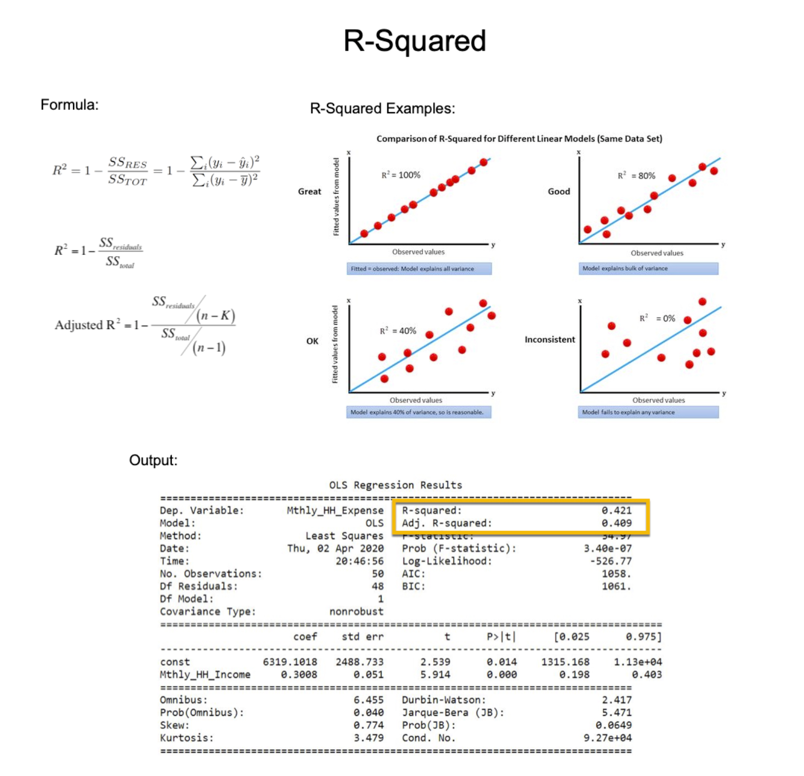
R-squared is one of the most commonly used metrics to measure performance.
But it took me 2 years to figure out mistakes that were killing my regression models.
In 2 minutes, I'll share how I fixed 2 years of mistakes (and made 50% more accurate models than my peers). Let's go:
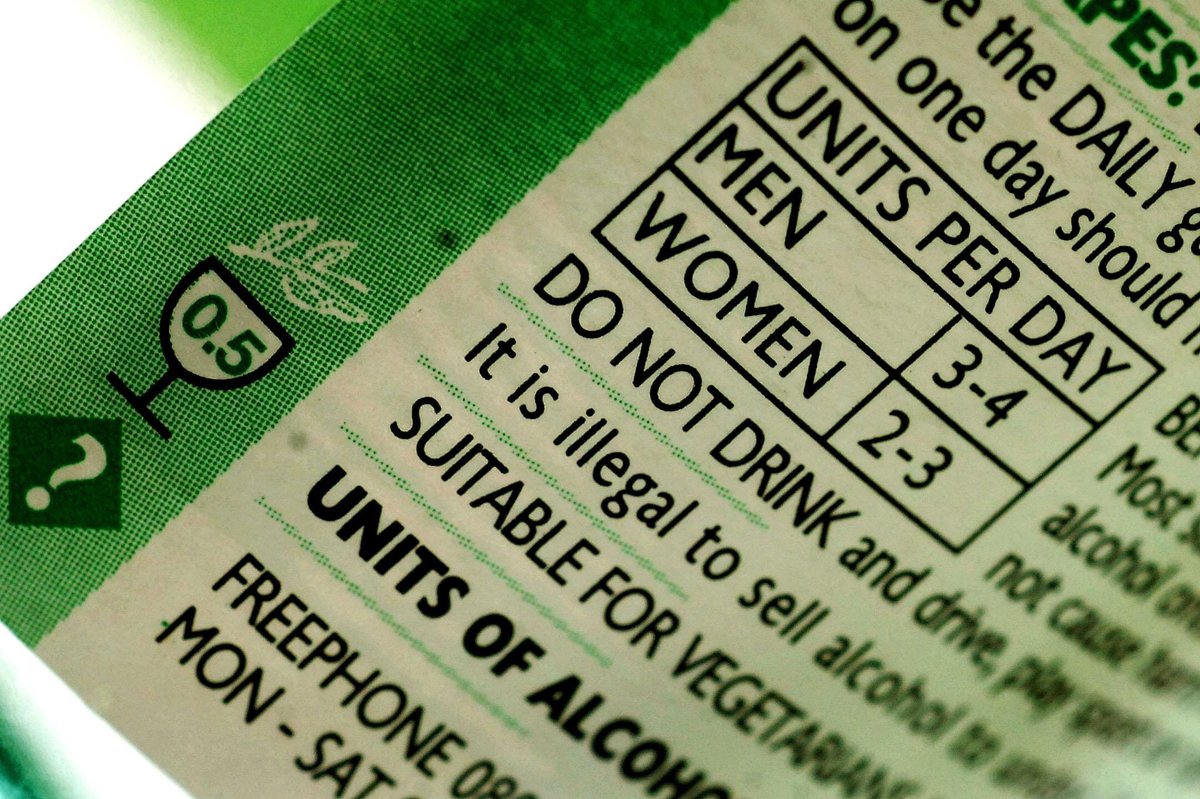
Associations between alcohol consumption and cancer are scientifically well established, but the public are often unaware of the links.
Should alcohol carry cancer warning labels?
On #WorldCancerDay, a new World Report explores this question: https://t.co/ThNF6JbPC8
A recent study showed that morning coffee drinkers had a 12% lower risk of all-cause mortality and a 31% lower risk of dying from cardiovascular disease over a 10-year period.
This benefit was specific to morning coffee drinkers, as no similar protective effects were observed when coffee was consumed in the afternoon or evening.
Moderate coffee consumption stood out as being most beneficial for reducing all-cause mortality among morning drinkers:
- 1–2 cups per day was associated with a 16% lower risk
- 2–3 cups per day was associated with a 28% lower risk
- 3+ cups per day was associated with a 21% lower risk
There were no additional benefits associated with "all-day" coffee drinking, which was defined as drinking coffee in the morning, afternoon, and evening.
Even though morning intake was uniquely protective, higher coffee consumption—regardless of timing—was linked to a 14–19% lower all-cause mortality risk and an even greater 28–40% lower risk of dying from cardiovascular disease.
While this study can't prove causation, there appears to be a health benefit associated with enjoying this beverage early in the day that might relate to the unique polyphenols, motivation to exercise, better sleep, or resetting circadian rhythms.
Study PMID: 39776171
This is a wake-up call. We need to invest in preventative care, chronic disease management, and public health initiatives that promote healthy aging. Lifestyle choices also play a significant role.
#fitness
Sure, we are living longer.
But are we actually living better?
A new analysis of 183 WHO member states found the average healthspan-lifespan gap widened in the last two decades:
➡️From 8.5 years in 2000
➡️To 9.6 years in 2019
This widening gap suggests although we are living longer, more of these years are spent burdened by disease.
The US had the widest healthspan-lifespan gap at 12.4 years (24% larger than predicted based on expected lifespan), closely followed by Australia at 12.1 years, while women had an average healthspan-lifespan gap 2.4 years greater than men.
The take home?
The widening healthspan-lifespan gap is a universal threat to healthy longevity.
Unakuta mtu kavaa jacket anakimbia Dar. Au mtu mnagombana ukiwasha AC gym. Joto linapunguza uwezo wa mwili kuchoma mafuta na uwezo wa kufanya mazoezi muda mrefu. Wenzetu wanavaa ma jacket kwa sababu ya baridi kali
Bipolar disorders are chronic psychiatric conditions, affecting over 1% of the global population.
A new Review in @LancetRH_Europe offers a comprehensive update on bipolar disorders to guide further research & address ongoing challenges: https://t.co/xazqcaGnG4
By 2050, diabetes is anticipated to affect over 1.3 billion people.
In @TheLancetEndo, authors explore type 2 diabetes from a genetic standpoint and highlight the pathophysiological and precision medicine insights derived from genetic studies: https://t.co/SMGQSjJ7Ab
The spread of health misinformation and disinformation poses a serious threat to public health.
How can we respond to the danger and combat the tide of misinformation and disinformation to protect public health?
Find out more in our latest Editorial: https://t.co/5PDk66YOfw
Over 1 billion people live with #obesity. There is an urgent need for a universal definition & diagnosis.
🆕 A @TheLancetEndo Commission introduces a new model with categories: clinical obesity (an illness) & pre-clinical obesity. This reframing identifies medically meaningful targets for prevention & treatment.
Find out more ➡️ https://t.co/jH7rf43iQ4