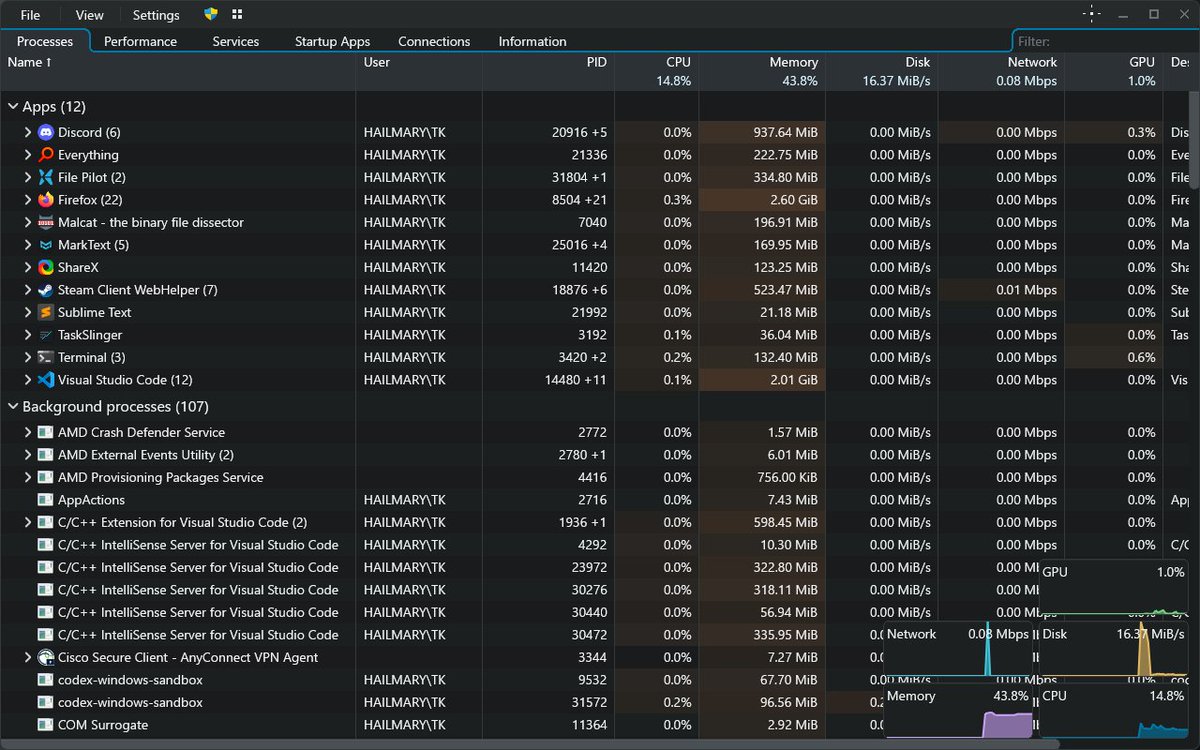
Exactly two weeks ago, TaskSlinger launched and the response has been incredible!
Today, I am releasing the first major update,with more metrics, customizable graphs, ARM64 support, a lot of polish, and much more.
Highlights below or try it now: https://t.co/pOVuGotjLc
↓↓
@thomasklemenc Many thanks for the update!
It would be cool to have a tab with currently/recently used files across multiple drives if that's something viable to implement.
The time has come.
TaskSlinger launches into open beta today at 15:00 UTC.
A faster, cleaner task manager replacement for Windows, built from scratch for people who care about performance.
Get the free beta: https://t.co/pOVuGotRAK
@machines_sad@Geiger_Capital Because it's easier. A humanoid robot can be put into a factory without rebuilding the production line. Humanoids are also going to work on the Moon and on Mars.
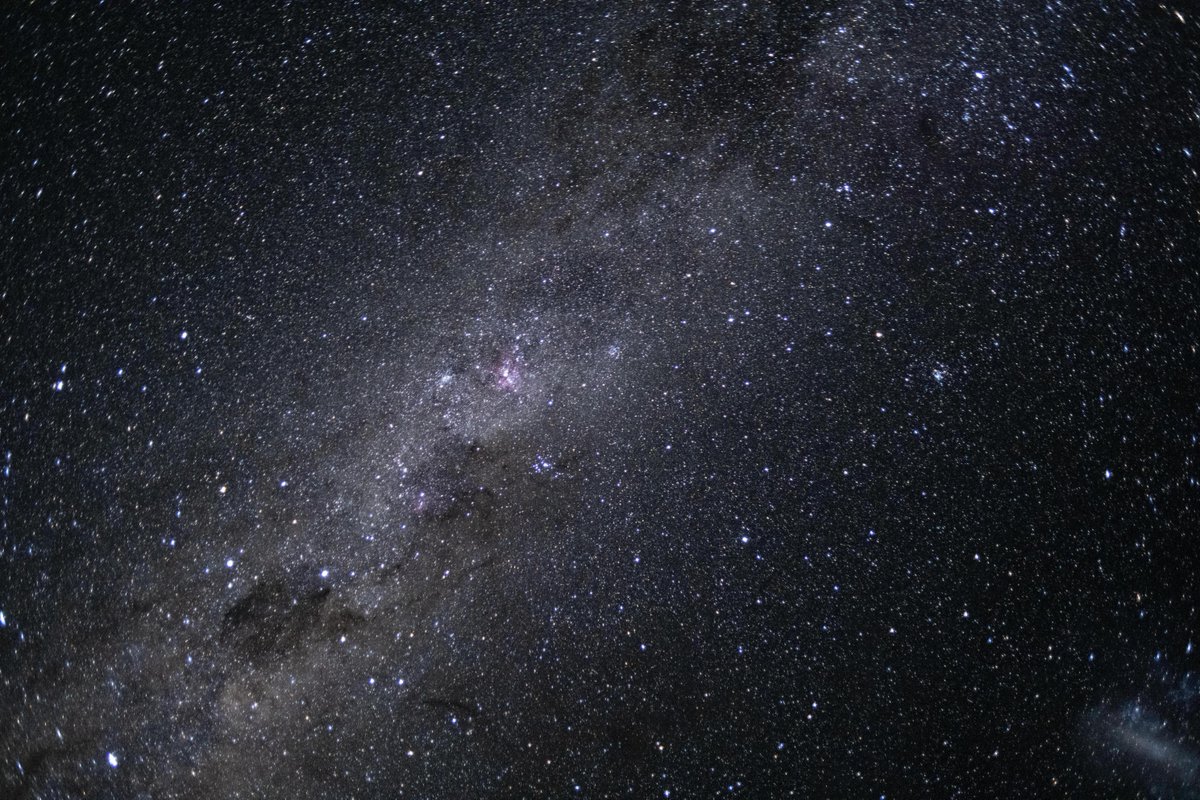
Sky full of stars.
Following a successful lunar flyby, the Artemis II astronauts captured this breathtaking photo of our galaxy, the Milky Way, on April 7, 2026.
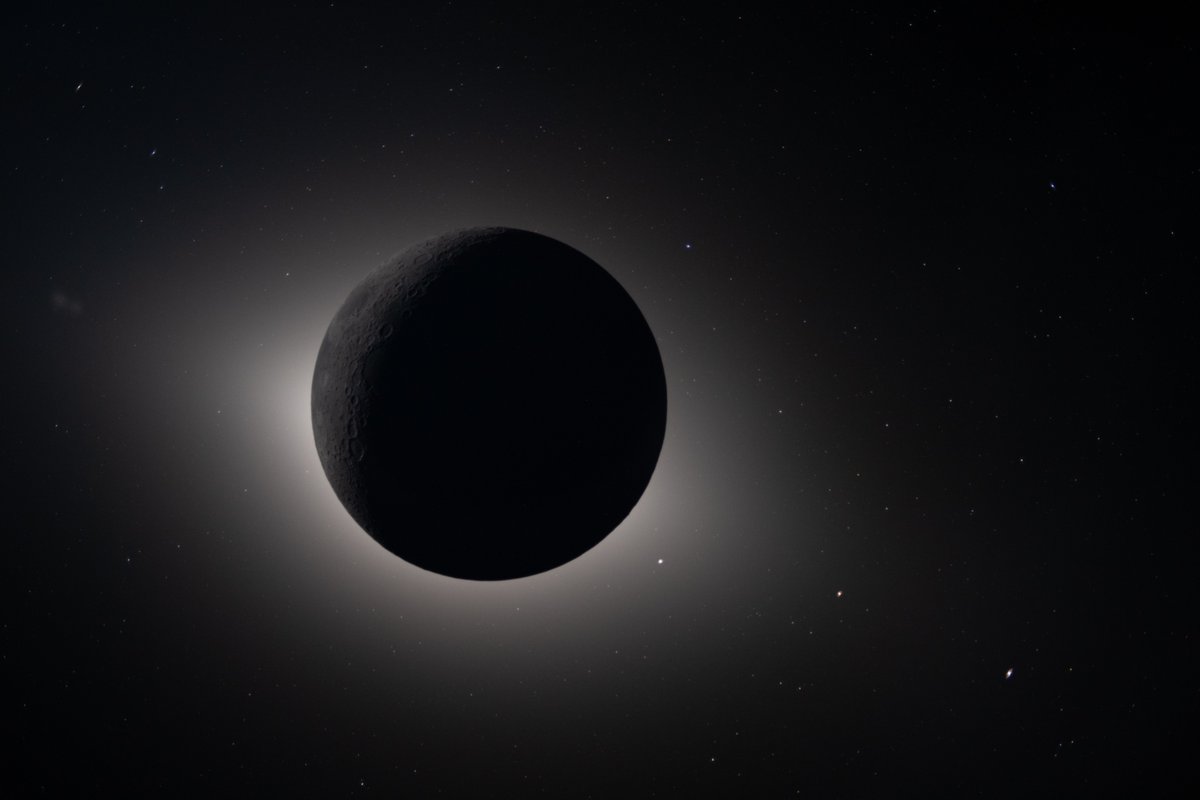
The eclipse from Orion.
On April 6, external cameras attached to the Orion spacecraft's solar array wings captured the Moon backlit by the Sun during a solar eclipse.
Hello, Moon. It’s great to be back.
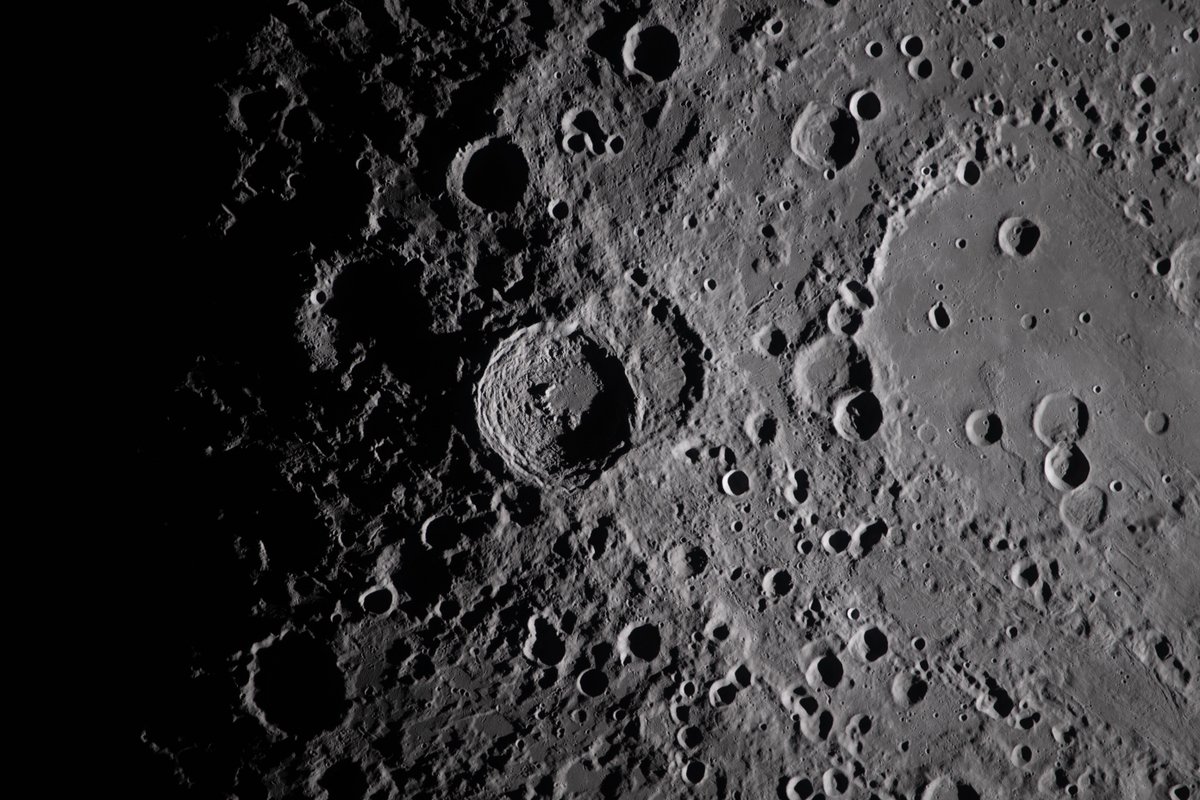
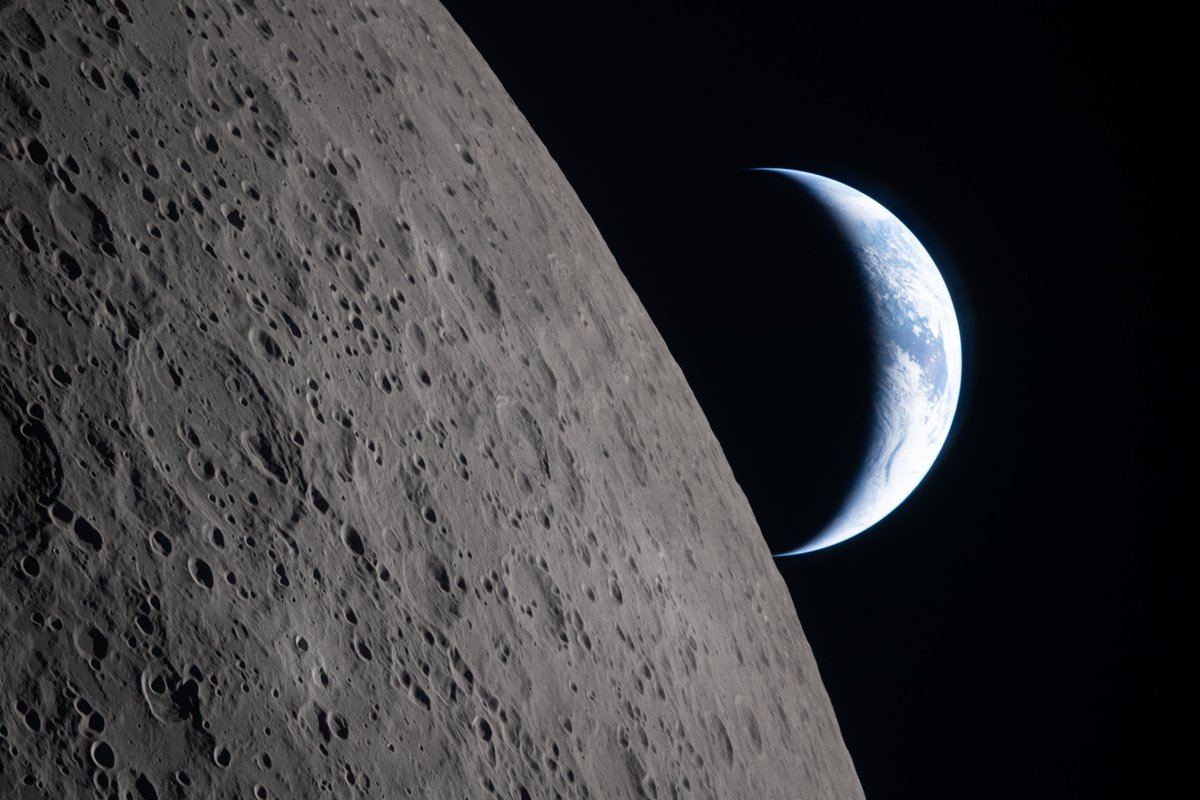
Here’s a taste of what the Artemis II astronauts photographed during their flight around the Moon. Check out more photos from the mission: https://t.co/rzM1P0QbOl
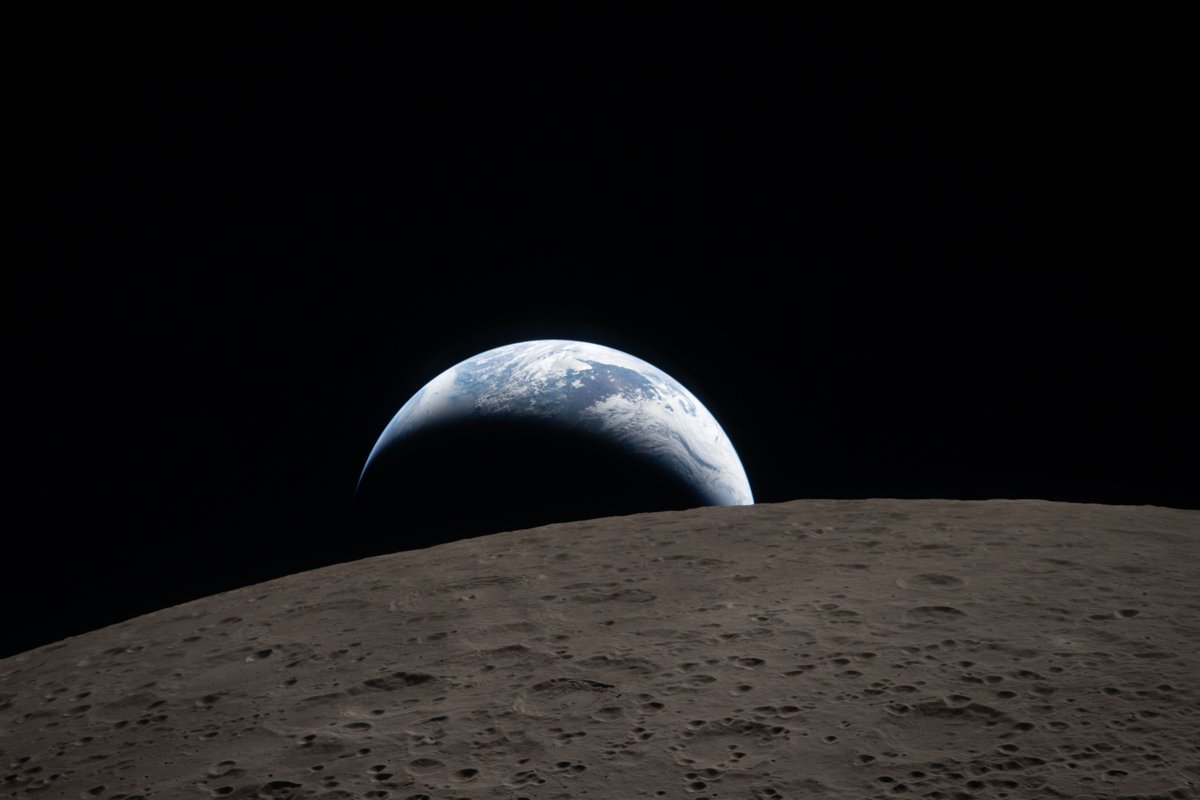
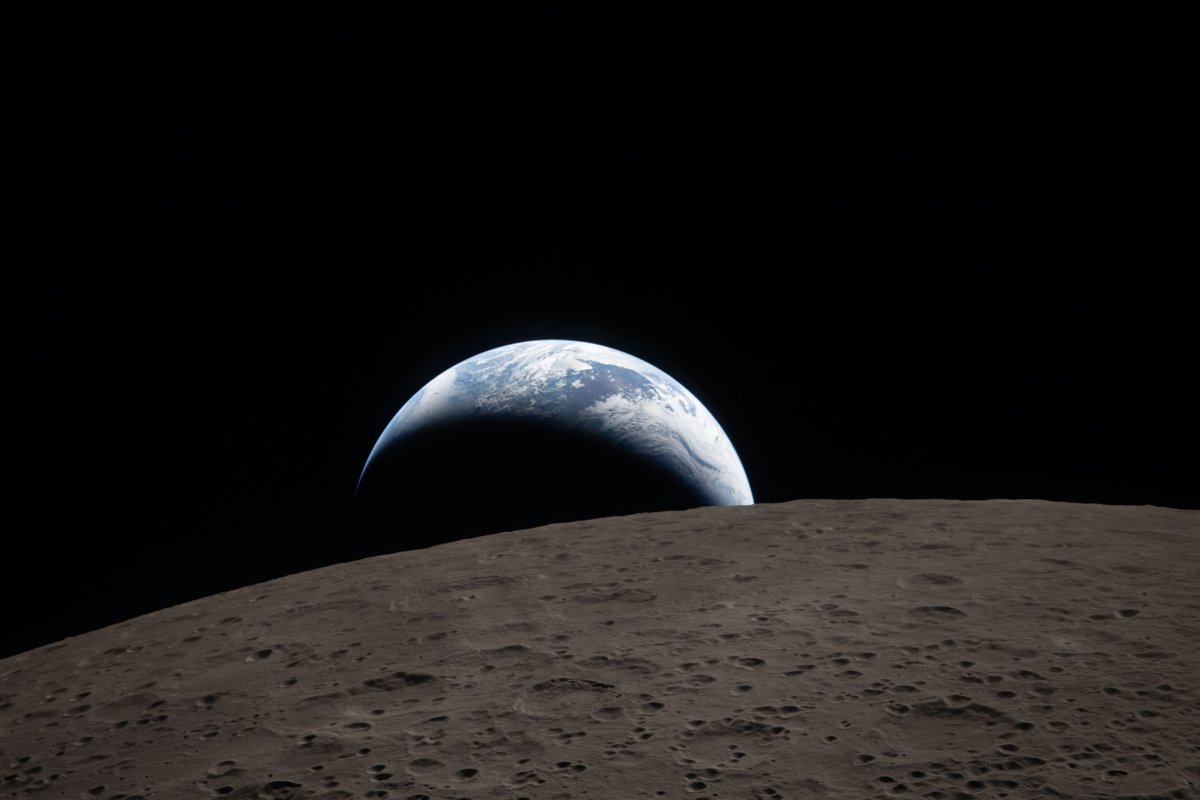
The Artemis II crew's Earthset and eclipse images are now on https://t.co/OOSOoeWeyD in full resolution:
Earthset: https://t.co/pVFle2FKFb
Captured with a Nikon D5 and Nikon 80-400mm f/4.5-5.6 at 400mm, 1/1000, f/8, ISO 400
Eclipse: https://t.co/Ig6WT3s5q1
Captured with a Nikon Z9 and Nikon 35mm f/2D at 2", f/2, ISO 1600
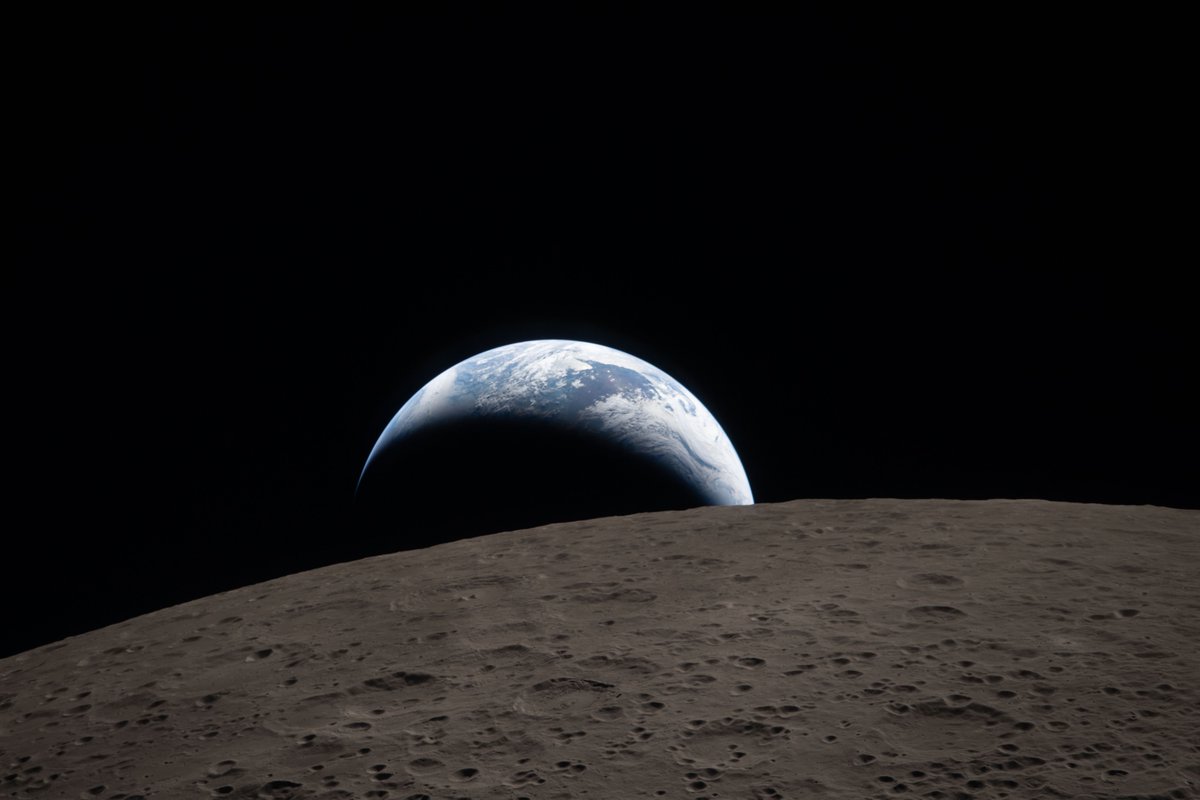
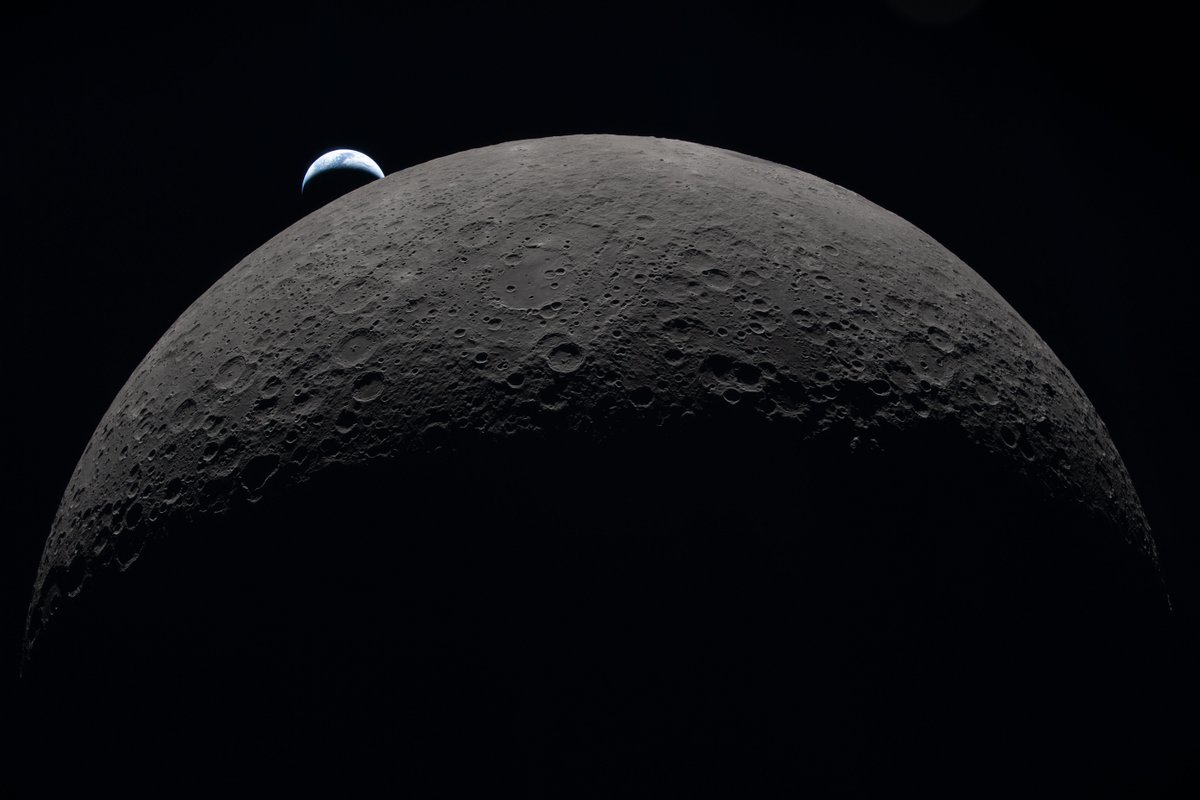
Earthset.
The Artemis II crew captured this view of an Earthset on April 6, 2026, as they flew around the Moon. The image is reminiscent of the iconic Earthrise image taken by astronaut Bill Anders 58 years earlier as the Apollo 8 crew flew around the Moon.