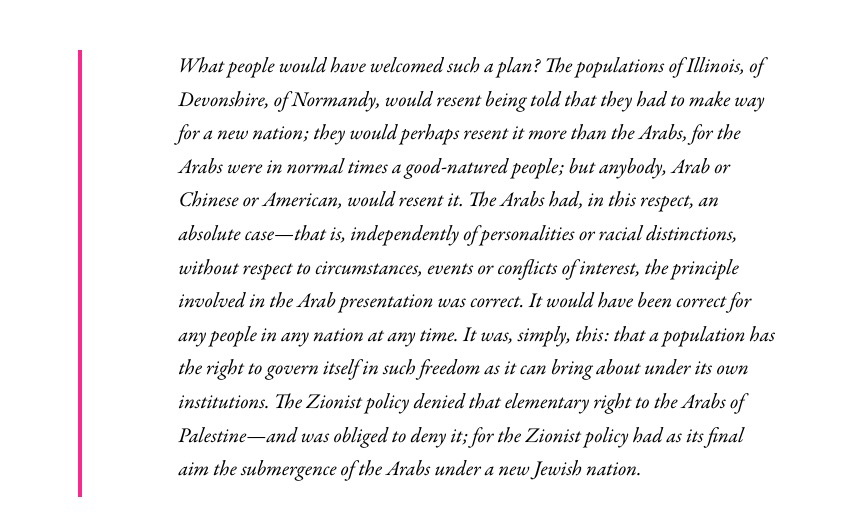
Recently read the fascinating memoir of a journalist who traveled to Palestine in 1929 as a supporter of Zionism and came away thinking that the idea of establishing a Jewish state there was the most insane folly imaginable and would lead to endless conflict with the majority Arab population. Wrote about it here with some of his incredibly prescient quotes: https://t.co/cHxs8knYg9
“Will It Work?”
That’s @nytimes headline on Israel’s extrajudicial assassinations. Not the fact that they violate international law and set a dangerous precedent, but will it work. How is this journalism?
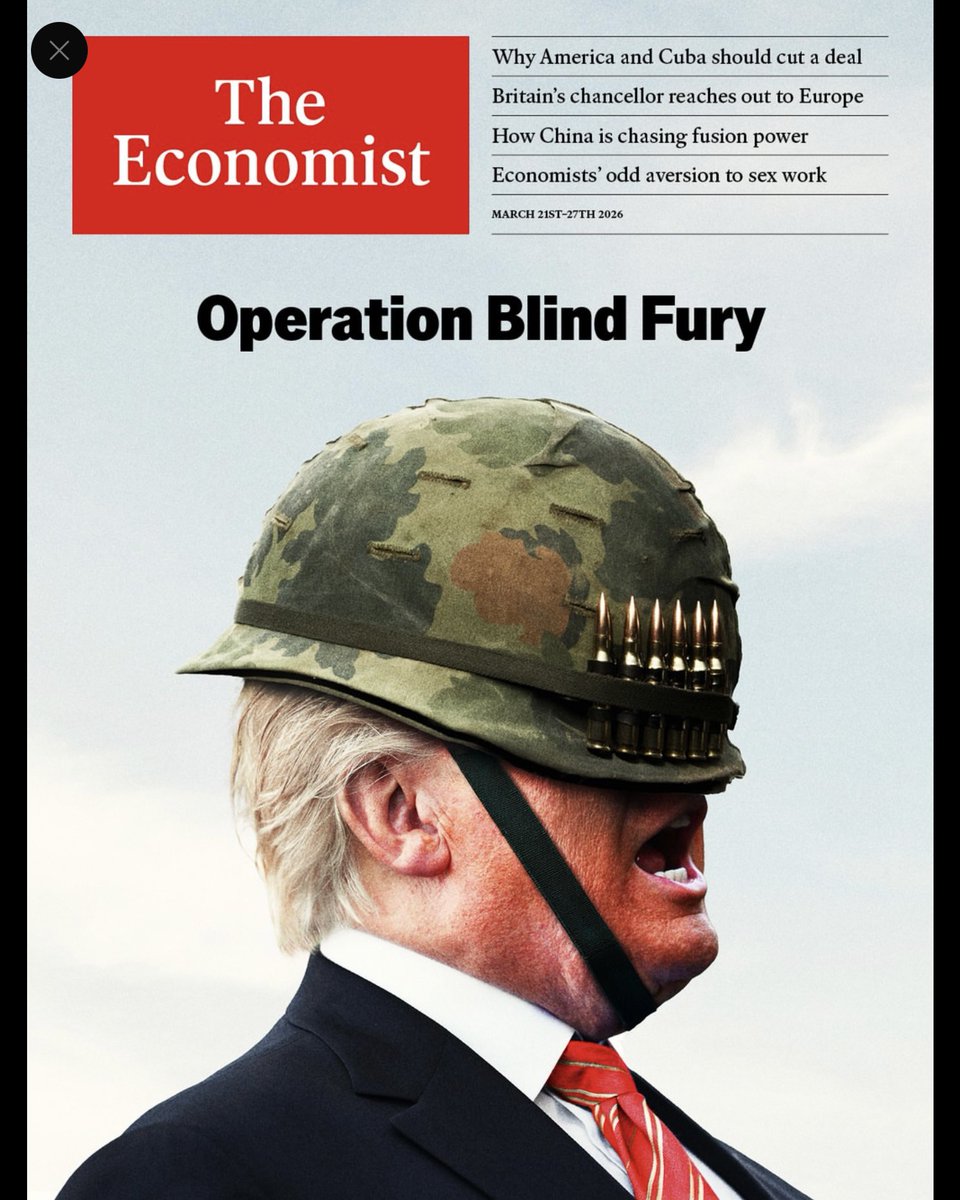
Colombian novelist Juan Gabriel Vasquez: "You don’t have to know your Shakespeare to realize how deep personal feelings – a wounded masculinity, an outsized ego, a profound insecurity – can shape political decisions. Right now, respectable pundits are seriously discussing how what happened in Venezuela was in part a response to Maduro making fun of Trump; they’re discussing if María Corina Machado should share her Nobel peace prize to get Trump to let her take power in Venezuela. It’s all puerile and ridiculous, but that’s Trump’s world."
https://t.co/iTjANHFCej
This is also about the heroic work of local journalists, and why we must never let them be smeared for the crime of living through what they witness. https://t.co/Ii0Y84PQcB
One of the biggest lies we were sold about the internet is that it would forever preserve the world’s knowledge. The digital world is ephemeral. Websites and archives can vanish in an instant. Invest in print media and DVDs. Build a home library. Know the joys of tangible living.
Most words for "love" in our language intertwine with sorrow.
Sayang means "love" or "what a waste." Cinta means "love," but in classical literature, it signifies "grief." Kasih means "love," but kasihan means "pitiful."
Reading tweets from a good number of officials in Europe it seems we have entered a new world where American power is no longer regarded as benign. The 1945 order in Europe is over
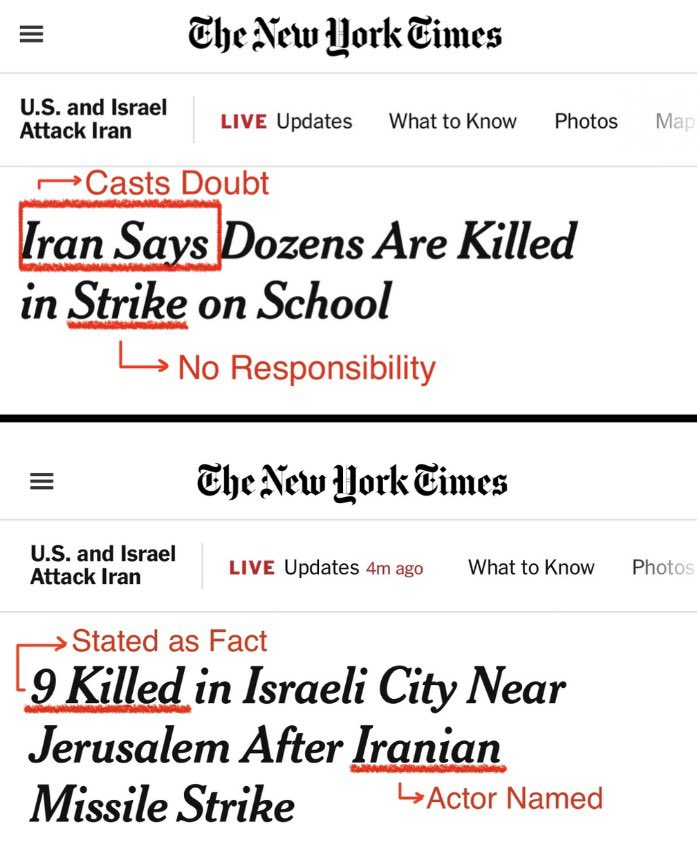
See if you can spot the difference between the New York Times headline and the article's own description of what actually happened, which will be read by far fewer people.