How should we set the rank for LoRA?
Our new post derives a theory for *exactly* computing the minimum LoRA rank necessary for any SFT dataset.
And it works. In practice, we can predict rank across settings with error rates below 5%:
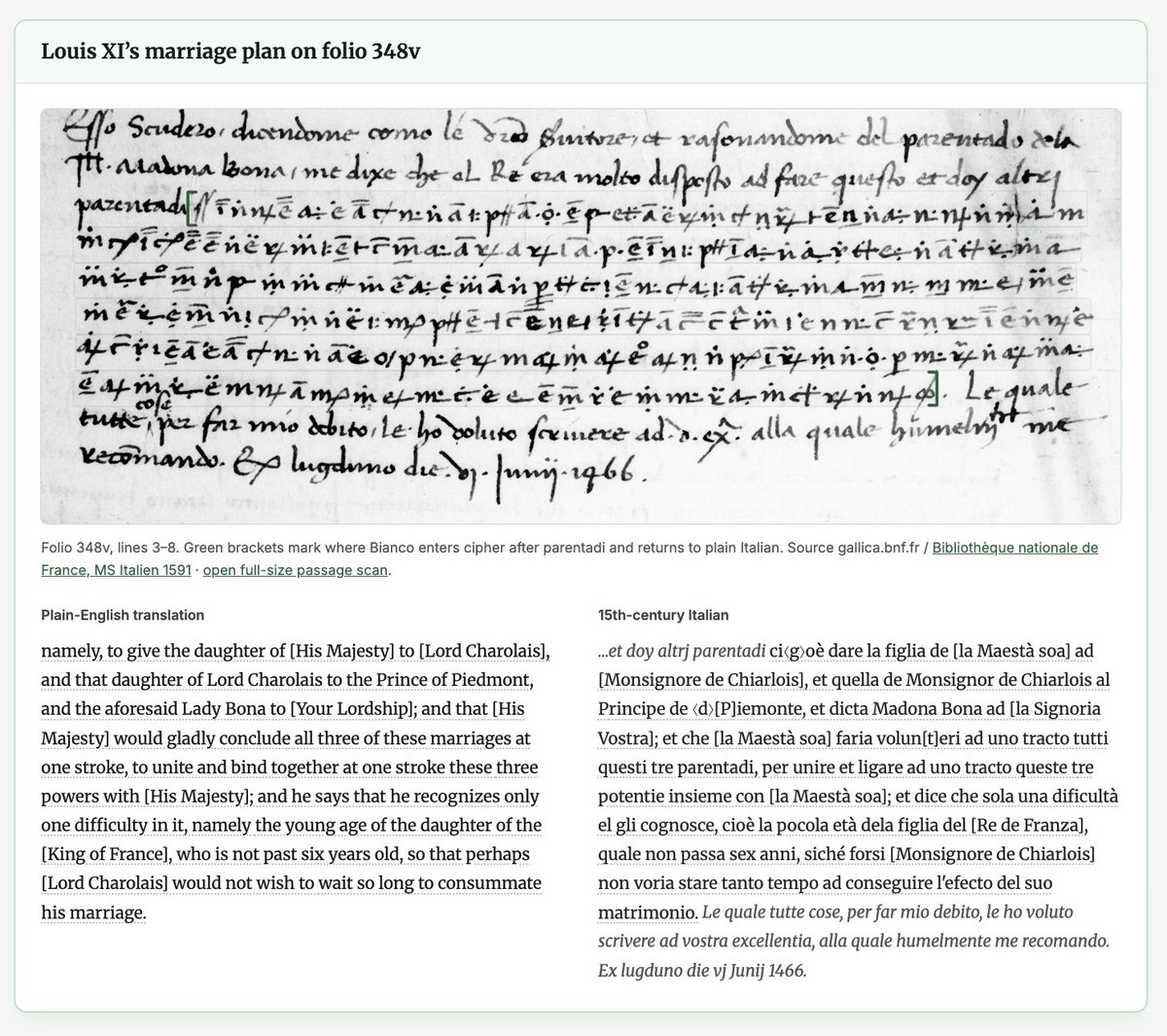
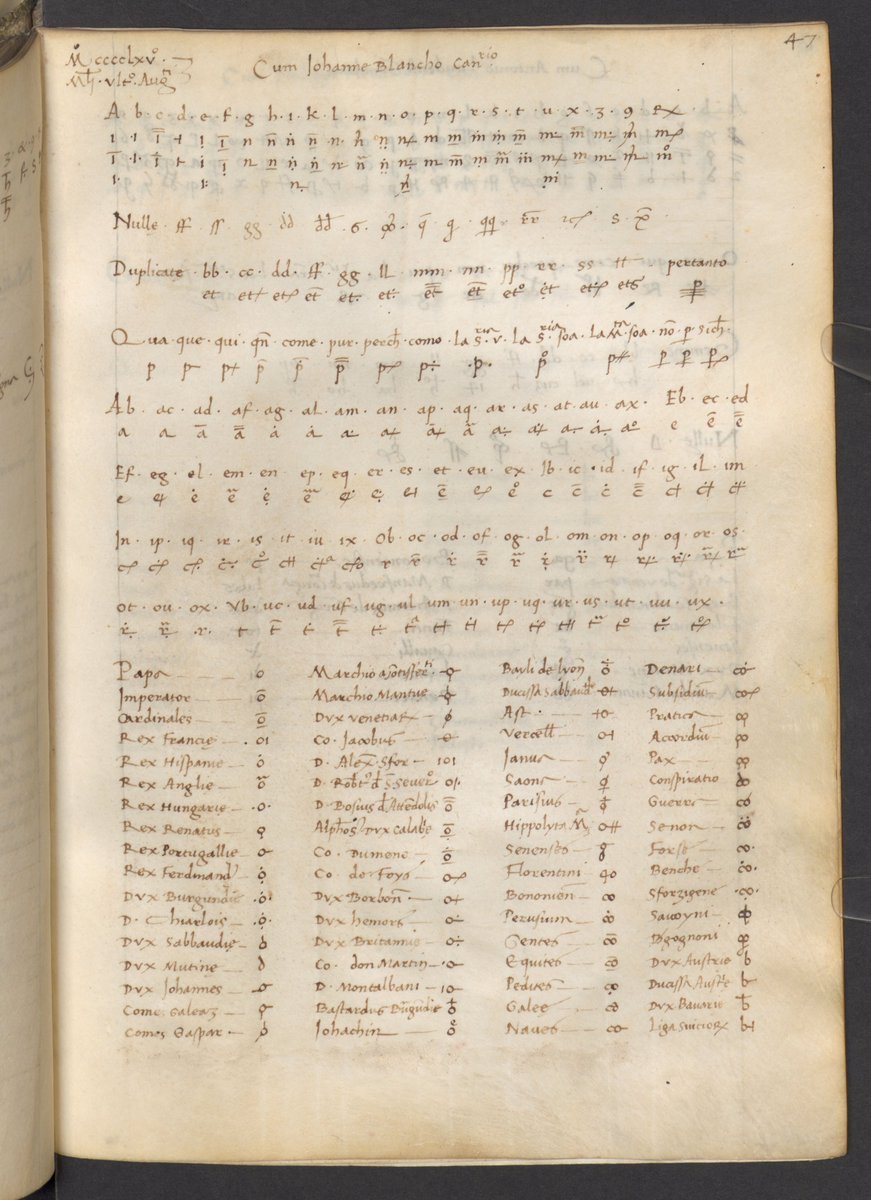
I asked Gemini 4 Carbon to crack an unread 1466 Sforza Renaissance cipher. Unaided, it used its vision and research capabilities to decipher the text.
Gemini:
- transcribed 15th-century cipher characters from manuscript scans
- ran blind statistical decoding attempts
- pivoted to searching digitized European archives for clues
- found a handwritten flyleaf chart in Paris showing how Milan’s cipher office built syllable tables
- widened its search to all Sforza keys and spotted an unindexed gap in Vienna Codex 2398
- read Tranchedino’s 15th-century Latin index in Vienna and found Giovanni Bianco’s 1465 key on folio 47r
- mapped the key signs to decode all 18 encrypted lines in Italian
- uncovered warnings of Savoyard reprisals after an ambush on the new Duke of Milan, plus Louis XI’s secret three-marriage plan
Full details:
https://t.co/Xu1AnouWGq
Hi all, I have a new result I'm excited to share. It turns out that *all existing implementations* of softmax and cross-entropy (that's JAX, PyTorch, textbooks, etc) have a subtle bug --- two bugs, actually. A simple rewrite fixes both, and eliminates "slingshots" when grokking:
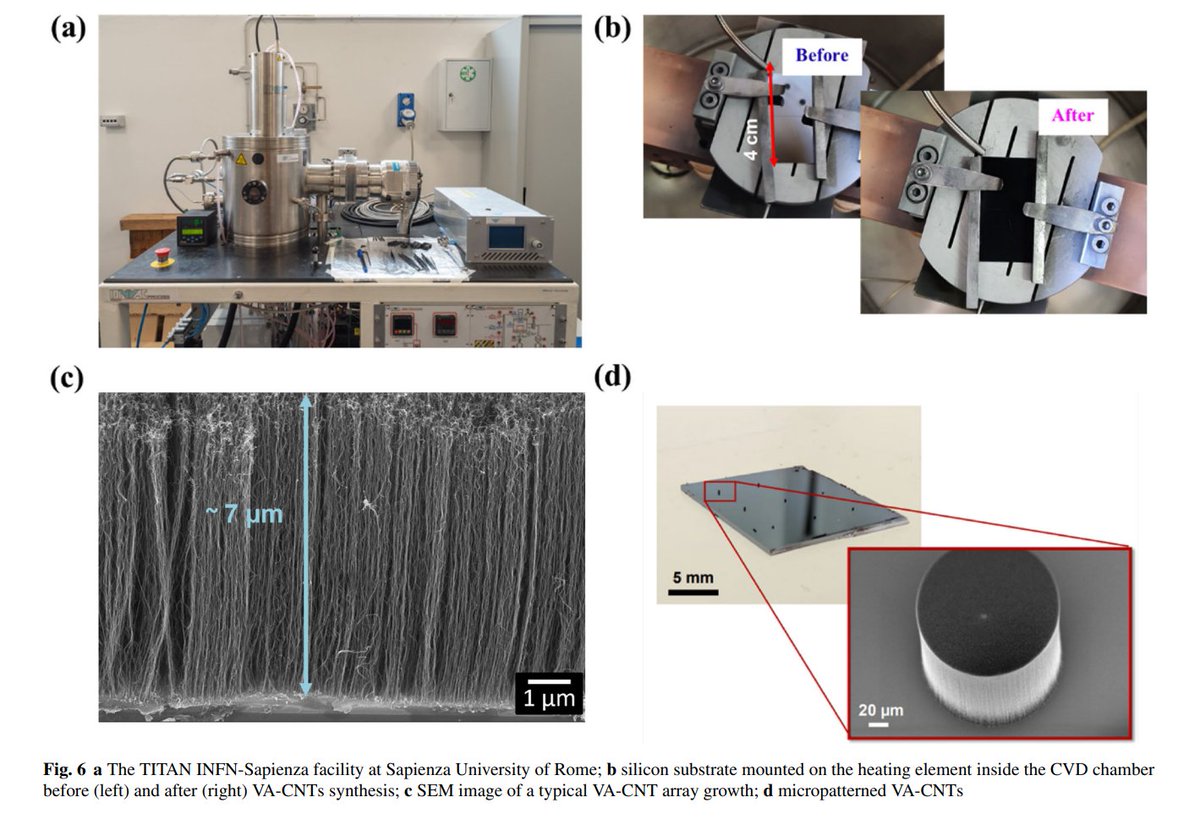
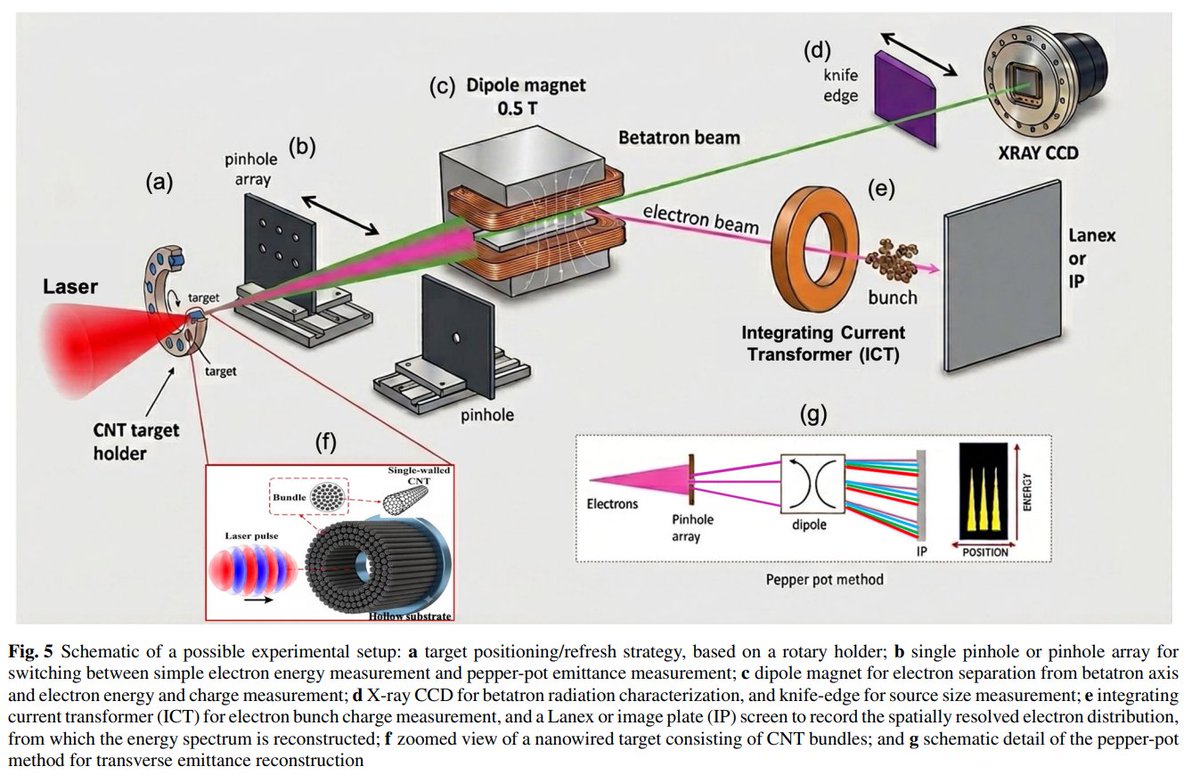
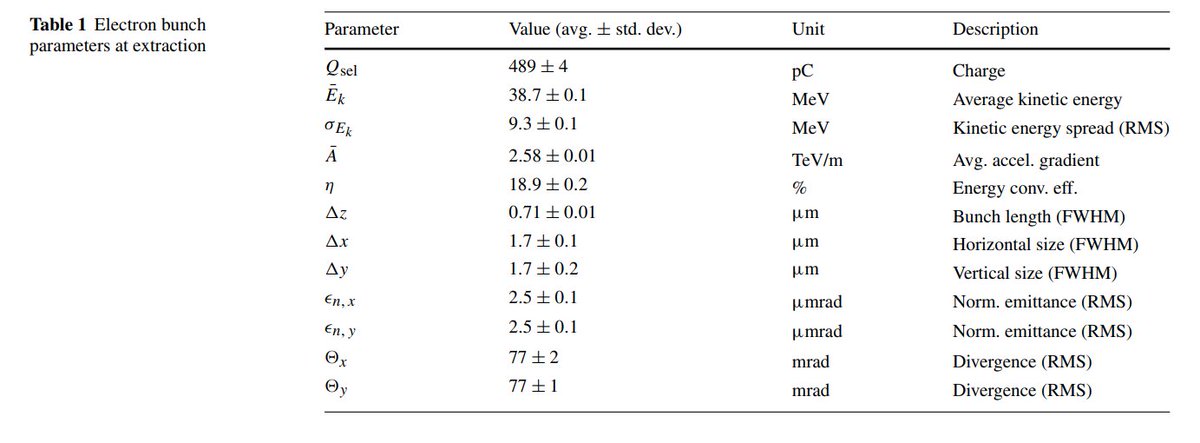
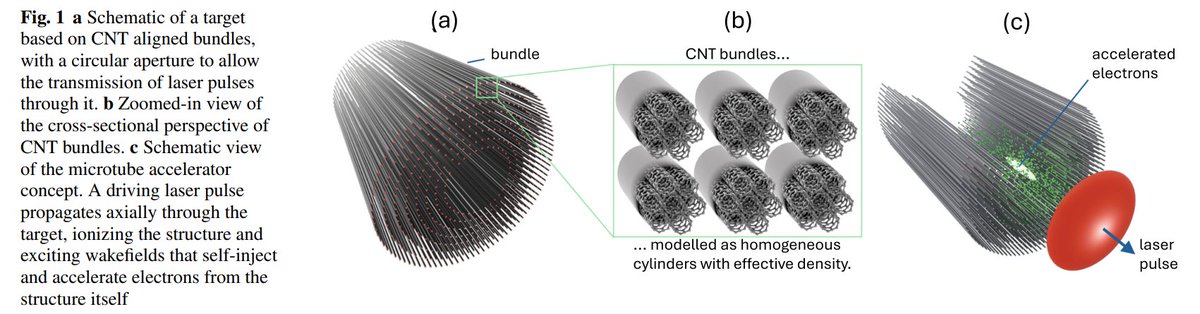
2.58 TV/m acceleration gradients using Laser Plasma Wakefields confined in carbon nanotubes:
https://t.co/rUIKGys0NJ
If staged properly, it would allow LHC's 13.6 TeV 27 km ring to be replaced by an accelerator that could fit in a typical bedroom.
If you missed the rollout in @googleflowmusic last month, now you can check out Lyria 3.5 in Gemini too! It’s a great model with tons of improvements over Lyria 3 (especially vocals).
Meet Lyria 3.5, the newest music model from @GoogleDeepMind, now powering Flow Music:
🎤 Vocals: More expressive, dynamic singing
🎸 Musicality: Richer arrangements with tracks that flow naturally.
🎛️ Controls: Better at following creative directions - now featuring BPM control and exportable stems for full-length songs!
Try it now at https://t.co/hqlIaESXXJ! 🧵
🏛️ Unveiling a new way to converse with antiquity with the "Predicting the Past" skill for Google @antigravity.
This agentic AI partner expands historical research by bridging Gemini’s reasoning with our specialized models, Aeneas and Ithaca.
Bingo. "Strategy must precede action".We said this when the attack on Iran began and all the "shut up, we are crushing them!" Twitter responses followed.
Those who have lived long enough to watch this movie a few times already knew the score. It ain't ever that easy in West Asia.
We’ve watched you create the impossible with @FlowbyGoogle… today, the Flow family is growing. 🚀
Meet @googleflowmusic (formerly ProducerAI) - a standalone site that helps you create, share, and remix original music. Using natural language prompts, you can turn your imagination into fully produced tracks.
🌊 Flow = Images & Videos
🎵 Flow Music = Songs & Playlists
Rolling out today, you can create longer tracks in Gemini for FREE!
Select “Create music” in the tools menu and “Thinking” or “Pro” from the model picker. Give it a try, and share your creations in the replies. 👇
Longer tracks are here with Lyria 3 Pro in Gemini!
From experimenting with different styles to generating tracks with complex transitions, Lyria 3 Pro makes it easier to bring your full vision to life.
Rolling out today to Google AI Plus, Pro, and Ultra users.
Learn more 🧵
Three days ago I left autoresearch tuning nanochat for ~2 days on depth=12 model. It found ~20 changes that improved the validation loss. I tested these changes yesterday and all of them were additive and transferred to larger (depth=24) models. Stacking up all of these changes, today I measured that the leaderboard's "Time to GPT-2" drops from 2.02 hours to 1.80 hours (~11% improvement), this will be the new leaderboard entry. So yes, these are real improvements and they make an actual difference. I am mildly surprised that my very first naive attempt already worked this well on top of what I thought was already a fairly manually well-tuned project.
This is a first for me because I am very used to doing the iterative optimization of neural network training manually. You come up with ideas, you implement them, you check if they work (better validation loss), you come up with new ideas based on that, you read some papers for inspiration, etc etc. This is the bread and butter of what I do daily for 2 decades. Seeing the agent do this entire workflow end-to-end and all by itself as it worked through approx. 700 changes autonomously is wild. It really looked at the sequence of results of experiments and used that to plan the next ones. It's not novel, ground-breaking "research" (yet), but all the adjustments are "real", I didn't find them manually previously, and they stack up and actually improved nanochat. Among the bigger things e.g.:
- It noticed an oversight that my parameterless QKnorm didn't have a scaler multiplier attached, so my attention was too diffuse. The agent found multipliers to sharpen it, pointing to future work.
- It found that the Value Embeddings really like regularization and I wasn't applying any (oops).
- It found that my banded attention was too conservative (i forgot to tune it).
- It found that AdamW betas were all messed up.
- It tuned the weight decay schedule.
- It tuned the network initialization.
This is on top of all the tuning I've already done over a good amount of time. The exact commit is here, from this "round 1" of autoresearch. I am going to kick off "round 2", and in parallel I am looking at how multiple agents can collaborate to unlock parallelism.
https://t.co/WAz8aIztKT
All LLM frontier labs will do this. It's the final boss battle. It's a lot more complex at scale of course - you don't just have a single train. py file to tune. But doing it is "just engineering" and it's going to work. You spin up a swarm of agents, you have them collaborate to tune smaller models, you promote the most promising ideas to increasingly larger scales, and humans (optionally) contribute on the edges.
And more generally, *any* metric you care about that is reasonably efficient to evaluate (or that has more efficient proxy metrics such as training a smaller network) can be autoresearched by an agent swarm. It's worth thinking about whether your problem falls into this bucket too.
It started with the silly idea of generating images and turning them into music. We didn’t know if it would work, and we didn’t care if anyone used it. We were building it for ourselves.
As musicians, we marveled at how this instrument could inspire and challenge us. A lot has changed since then, but that sense of wonder has remained.
Couldn’t be more excited to continue the journey as part of @GoogleLabs
@dccommonsense Time to turn the executive into a council like in Switzerland (whose constitution was inspired by the US one). Swiss council has 7 members: while not perfect it's another obstacle to tyranny. Especially if they are forced to speak "as one" instead of across party lines.
A little jam for all the absent minded professors out there.
(And demonstrating some of Lyria's flexibility and weirdness. I love the waka-waka Doppler-effect sound from 24-26 seconds in.)
Alright, time for my own vibe-coding story. Over the last several months, we've been rewriting the plasma simulator used as an RL environment in our 2022 Nature paper from Matlab to JAX. An experimental version is now available on EPFL's Gitlab: https://t.co/mzAPqRG9z6