Which degraded ecosystems are most in need of restoration as we implement the Global #Biodiversity Framework?
By identifying which #ecosystems are close to collapse, IUCN's Red List of Ecosystems is a key tool to guide action.
https://t.co/wMOcIl9xtH
Invasive alien species are a threat to #nature, nature’s contributions to people, and good quality of life. 🦟🌱
Read the @ipbes#InvasiveAlienSpecies Report at: https://t.co/ChFiNOwJKl to learn more.
Whenever some unpalatable truth penetrates the controlled media-bubble, this hobby-horse of One Nation One Election is trotted out as a diversion. Sharing my old article where I’ve highlighted how undemocratic & unconstitutional this proposition is. https://t.co/6uWmj3JsmV
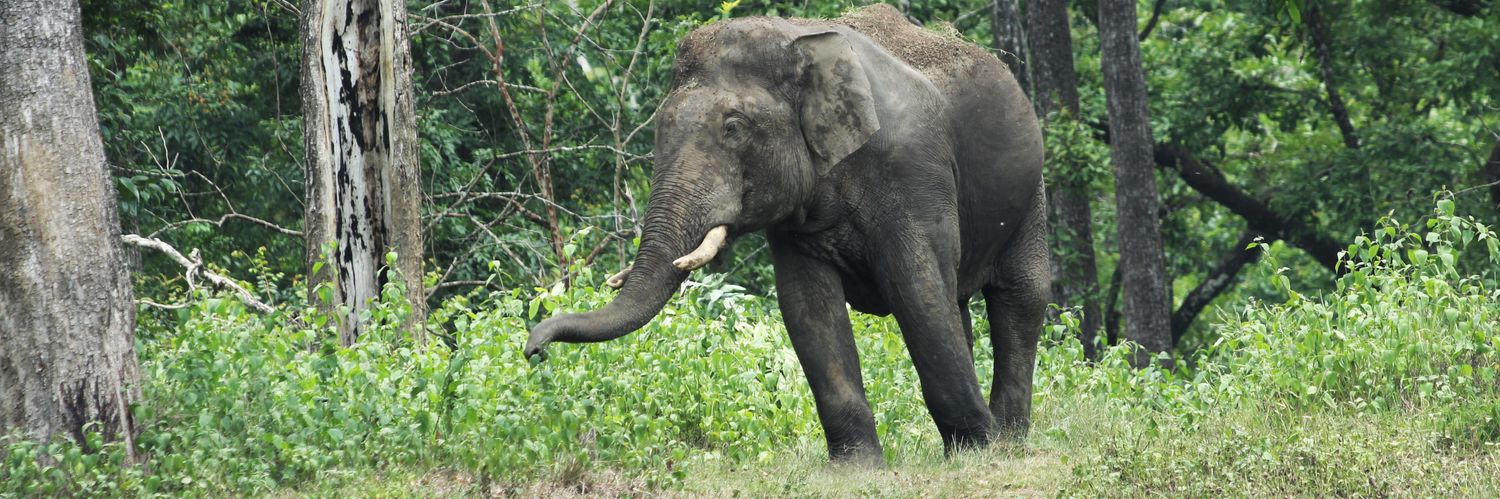
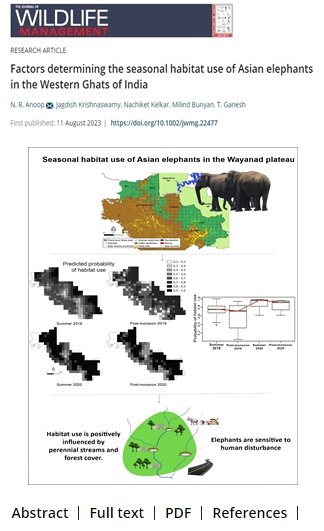
On this World Elephant Day, we are thrilled to share our recent manuscript on the seasonal habitat use of Asian elephants in the Wayanad plateau, Western Ghats. Check out the paper in ‘The Journal of Wildlife Management’
https://t.co/8NoPjQjQ0t
Elephants are not scared anymore: locals in Wayanad speak of changing #elephant responses to mitigation methods. New study also highlights the impact of #invasivespecies on #HEC & urgency to study 🐘 evolving behaviour
@nranoop@atree_org
For @DeccanHerald
https://t.co/REl5eS2gLI
New Research: Elephants in the farm – changing temporal and seasonal patterns of human-elephant interactions in a forest-agriculture matrix in the Western Ghats, India #conservation https://t.co/KdMcF4wiDS
Senna spectabilis, an invasive plant has been creating havoc in Mudumalai. It does not allow native species to grow. In an innovative excercise #TNForest has started a massive excercise to remove these in partnership with TN Newsprint & paper Ltd which is using it to make paper
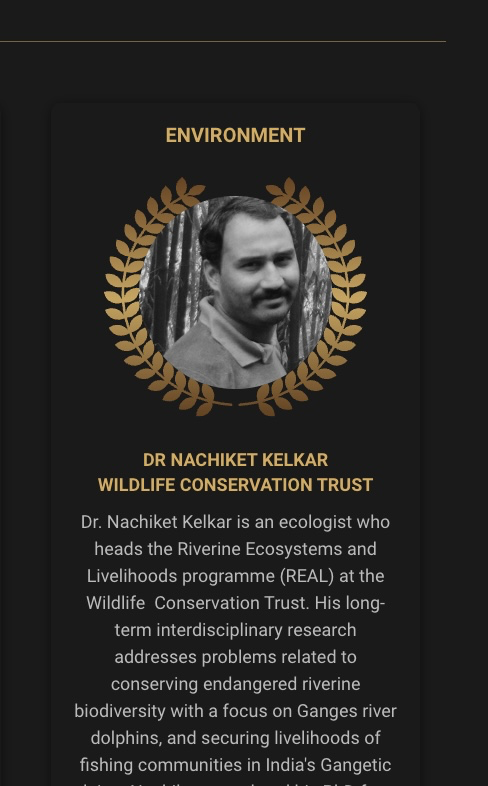
Join us in congratulating Dr. Nachiket Kelkar, ecologist who heads the Riverine Ecosystems and Livelihoods programme (REAL) at the Wildlife Conservation Trust. Nachiket completed his PhD from ATREE on resource conflicts in fisheries of the Gangetic plains.
Our alumnus, Dr Nachiket Kelkar bagged the NDTV True Legend - Future of Young India Award in the "Environment" category. Congratulation! @MSc_Wildlife@NCBS_Bangalore@atree_org@WCT_India https://t.co/RRDShtM4Sd
Many of the protected areas in the Western Ghats are already threatened by the spread of various invasive alien plant species. A survey in the Western Ghats to map areas where Senna spectabilis is present is required, & monitoring changes to curb the future spread is imperative.
Globally, invasive species are a major conservation challenge, threatening native biodiversity, causing extinctions, & hampering natural evolutionary processes. When alien plants are dispersed by native animals, it disrupts native mutualisms that evolved over evolutionary time.
This graphic helps me wrap my head around the magnitude of the problem. Notice the amount of current biomass for wild mammals (in green) versus that for livestock and humans. No wonder we have converging crises of biodiversity, fresh water, and climate. https://t.co/bca7h18Sbp
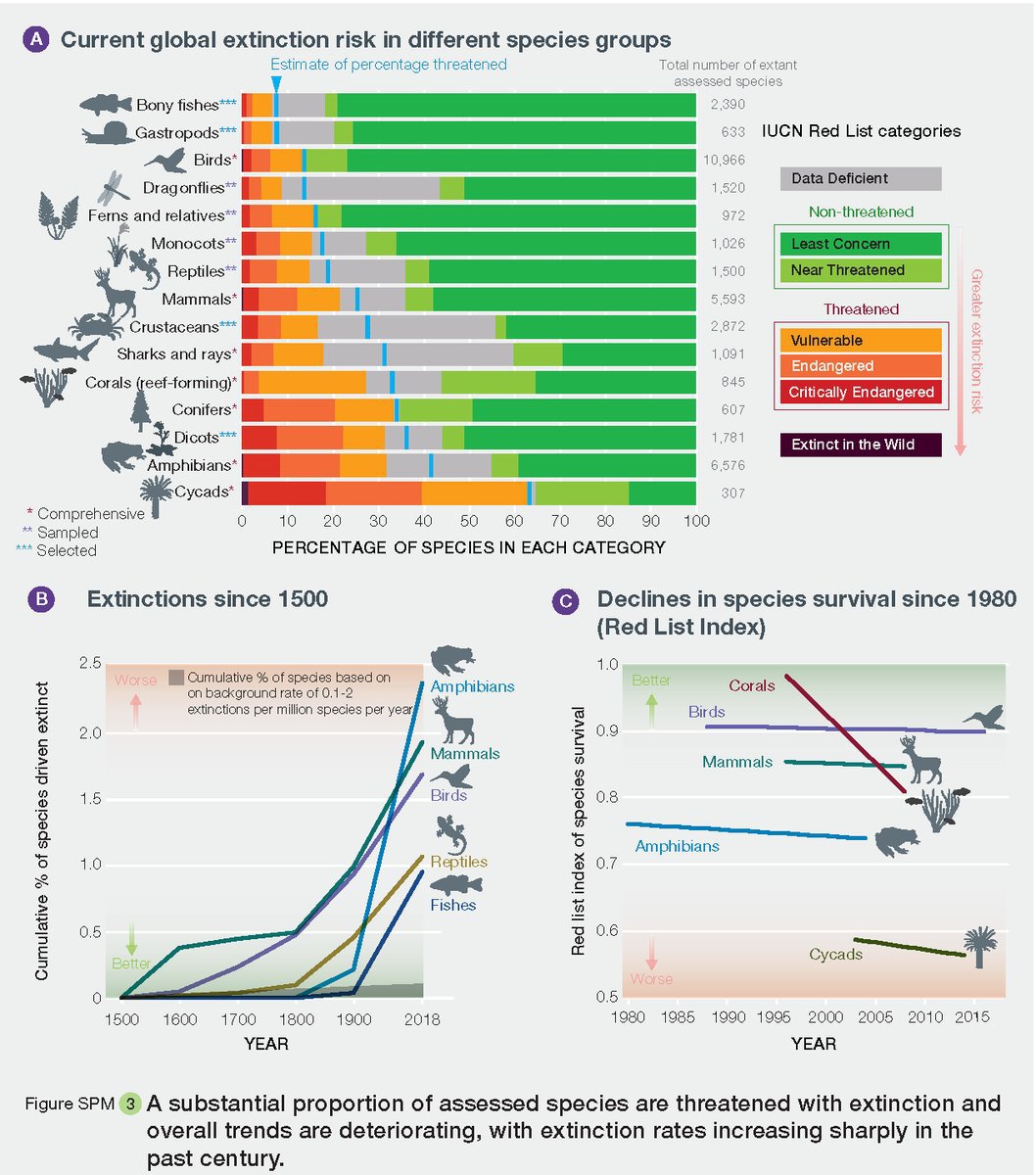
The current rate of species extinction is far higher than the average during the past 🔟 million years.
Curbing #biodiversity loss is essential to ensure the health of people and our planet👫🌏
Learn more from @ipbes#GlobalAssessment: https://t.co/qUUHKmTMij
Strongly recommend this upcoming talk by India's finest environmental historian Prof. Mahesh Rangarajan, titled "How the tiger became Indian (& why): Ecology, Society & Culture in India, 1972 to 2022", followed by a discussion with foremost wildlife historian Dr. Divyabhanusinh.
Using fossil pollen, molecular data, and fossil amber records, a new Science study finds that dipterocarpaceae, a tropical rainforest tree family, originated in Cretaceous Africa, then dispersed through India to tropical Southeast Asia. https://t.co/SHowD2PjqX #FossilFriday