Jorden Steckloff shows the now “obligatory JWST slide of Uranus” 😄 as a kick off to a discussion of what we know about the moons’ surface chemistry - I think JWST will be super important for this just sayin’
Going goblin mode.
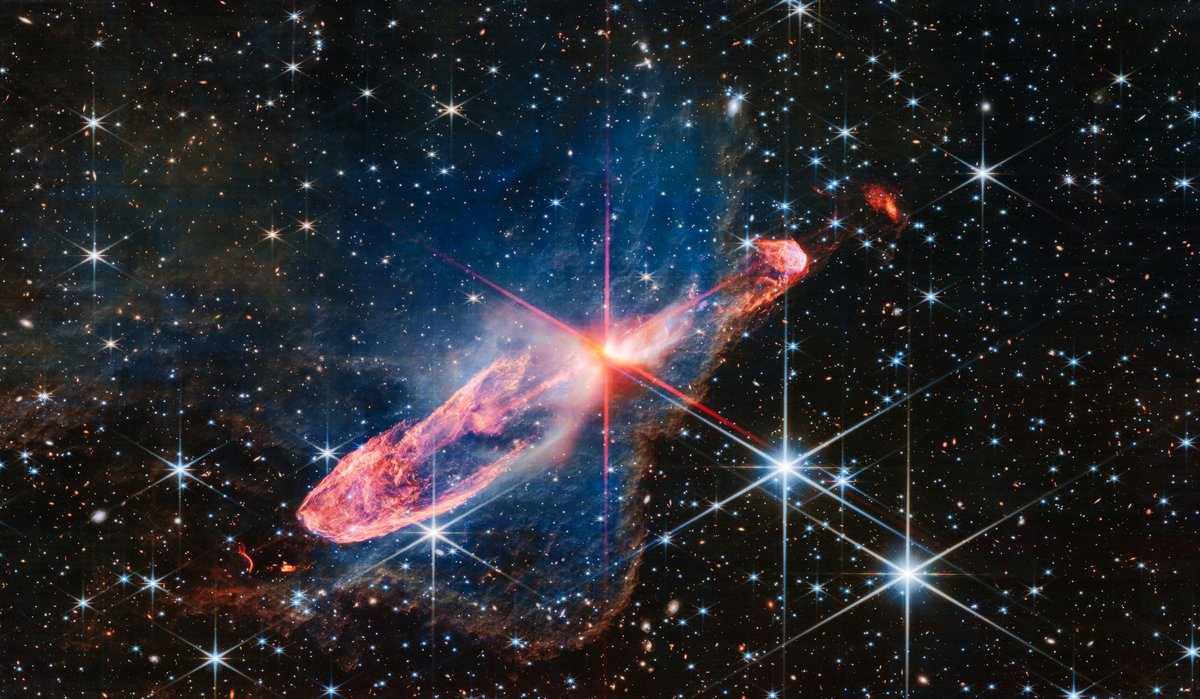
Within the orange-white splotch at the center of this image are 2 chaotic baby stars. Over thousands of years, the pair repeatedly gobbled up, then spat out the gas and dust around them — producing those fiery orange lobes: https://t.co/lSOy5uyCYD
Very nice and important session, on Day 1, about Diversity, Inclusion, Equity and Accessibility at the #Uranus conference @Caltech: @NRoweGurney@That_Astro_Chic, Elizabeth Turtle, Christina Richey giving useful tips with contagious and inspiring energy. Thank you. @NASA@NASAJPL
I'm thrilled to share that my proposal won the NASA FINESST fellowship!! 🩵❄️🧊🩵❄️🧊
A special thanks to both of my advisors and all of my collaborators! 🙏🏽🩵🧊❄️
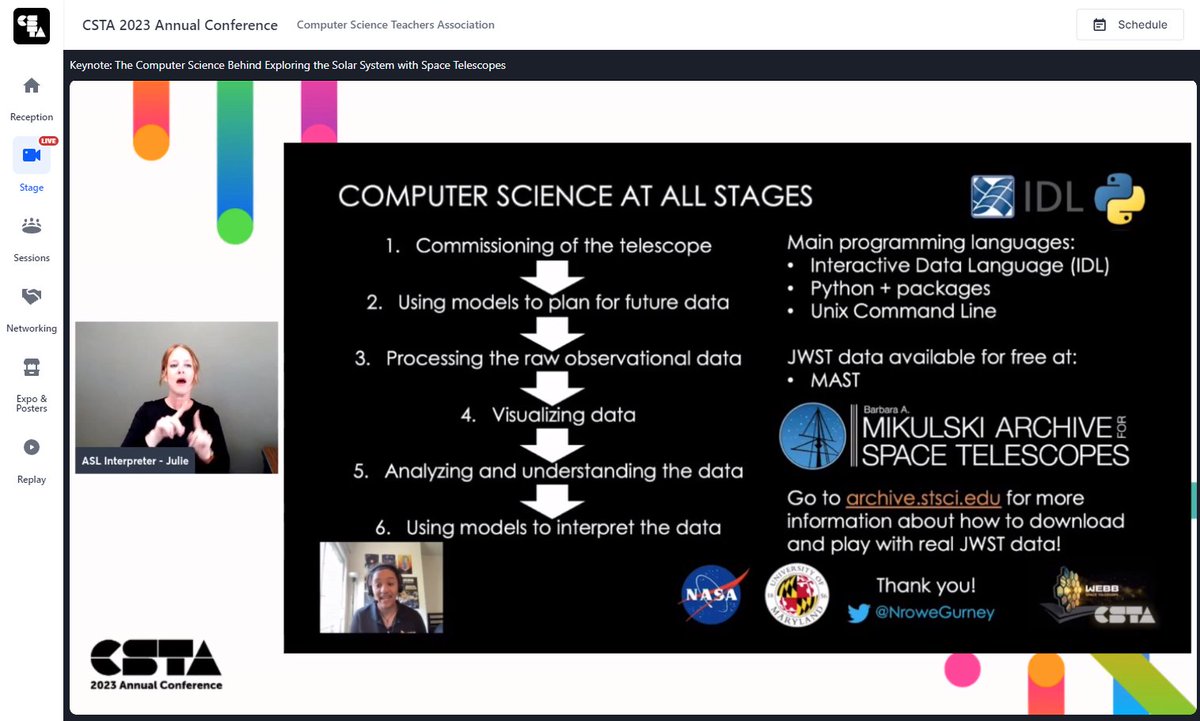
Embark on a journey of cosmic exploration with NASA scientist Naomi Rowe-Gurney (@NRoweGurney), uncovering the secrets of the planets, moons, and small bodies within our Solar System.
How will the JWST continue to help shape our understanding of them? https://t.co/EJid1hUXkA
Cheers to our first year! 🥂
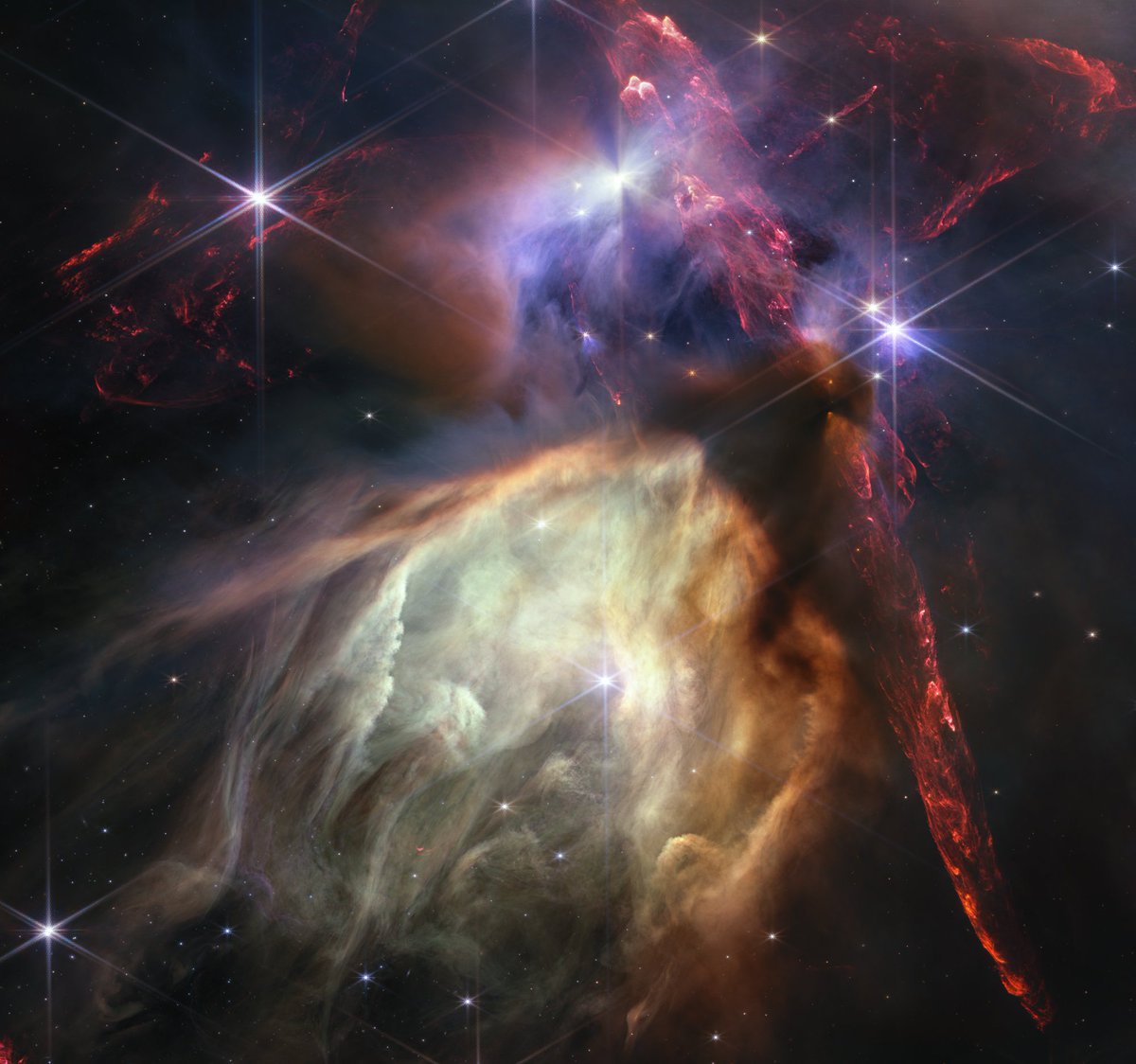
Let’s celebrate one year of Webb science by taking a brand-new look at Sun-like stars being born, in this detailed close-up of Rho Ophiuchi, the closest-star-forming region to Earth. https://t.co/jXJgjb4mFj
#NASAWebb’s raw images are black and white! Alyssa Pagan, a science visuals developer at STScI, shares how she assigns color and composes Webb’s full-color images. She also explains how infrared light is different than visible light. Details: https://t.co/ldXG6bzOX9
Delighted to see former @PubSci speaker, Ambassador for the James Webb Space Telescope, and all round good egg, @NRoweGurney will be back at @Ri_Science in July talking us through the first year of observations by @NASAWebb. https://t.co/im1ahrIWYC
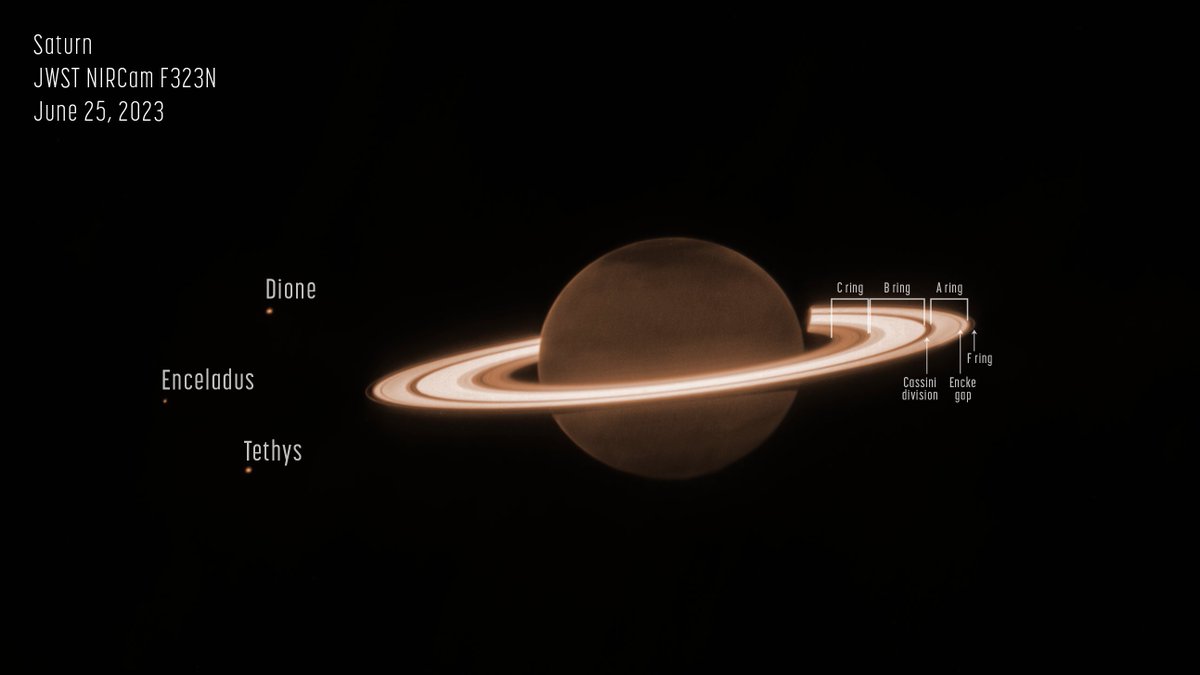
This science program was designed to test Webb’s capacity to detect Saturn’s faint moons and study its bright rings. Take a closer look here at the planet's ring system, as well as the moons Dione, Enceladus, and Tethys.
What discoveries has the JWST operation made, and how do they contribute to our understanding of the Universe?
Join NASA scientist @NRoweGurney as she illuminates how these discoveries help us uncover the mysteries of our celestial neighbourhood. https://t.co/EJid1hUXkA
We’re so excited that Dr. Jane Rigby will be the new senior project scientist for @NASAWebb! Jane is an astrophysicist at Goddard and was one of Webb’s three commissioning scientists. She even helped reveal Webb’s first image to the world a year ago!
https://t.co/Qib6uva5tw
Embark on a journey of cosmic exploration with NASA scientist Naomi Rowe-Gurney (@NRoweGurney), uncovering the secrets of the planets, moons, and small bodies within our Solar System.
How will the JWST continue to help shape our understanding of them? https://t.co/EJid1hUXkA
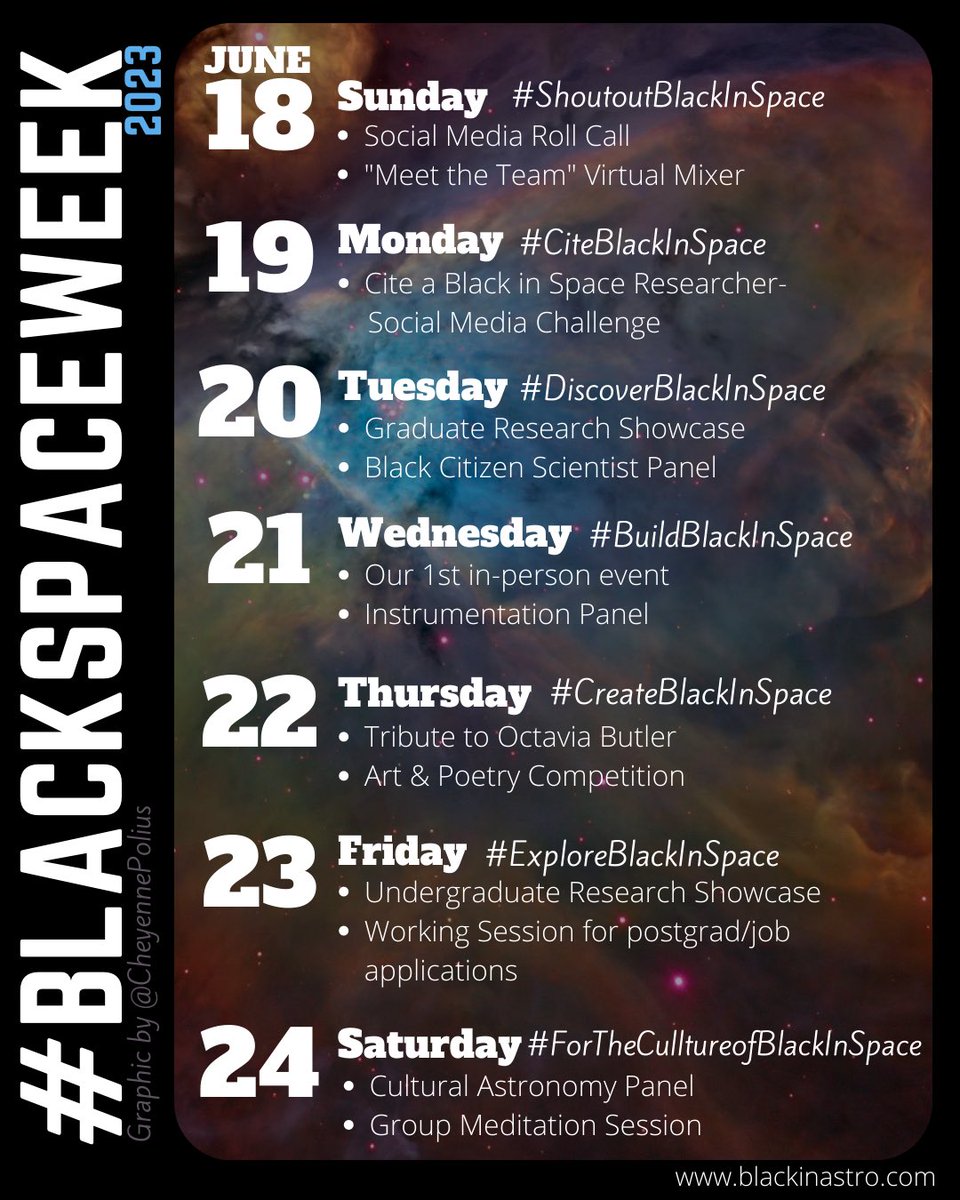
This thread has ALL the information you need to join the fun of #BlackSpaceWeek2023!
#BlackInAstro made a special effort to make the week’s events as accessible as possible for all to enjoy. Thank you to @VidmanBarber for this video to kick off this thread! Everyone is welcome🫶🏼
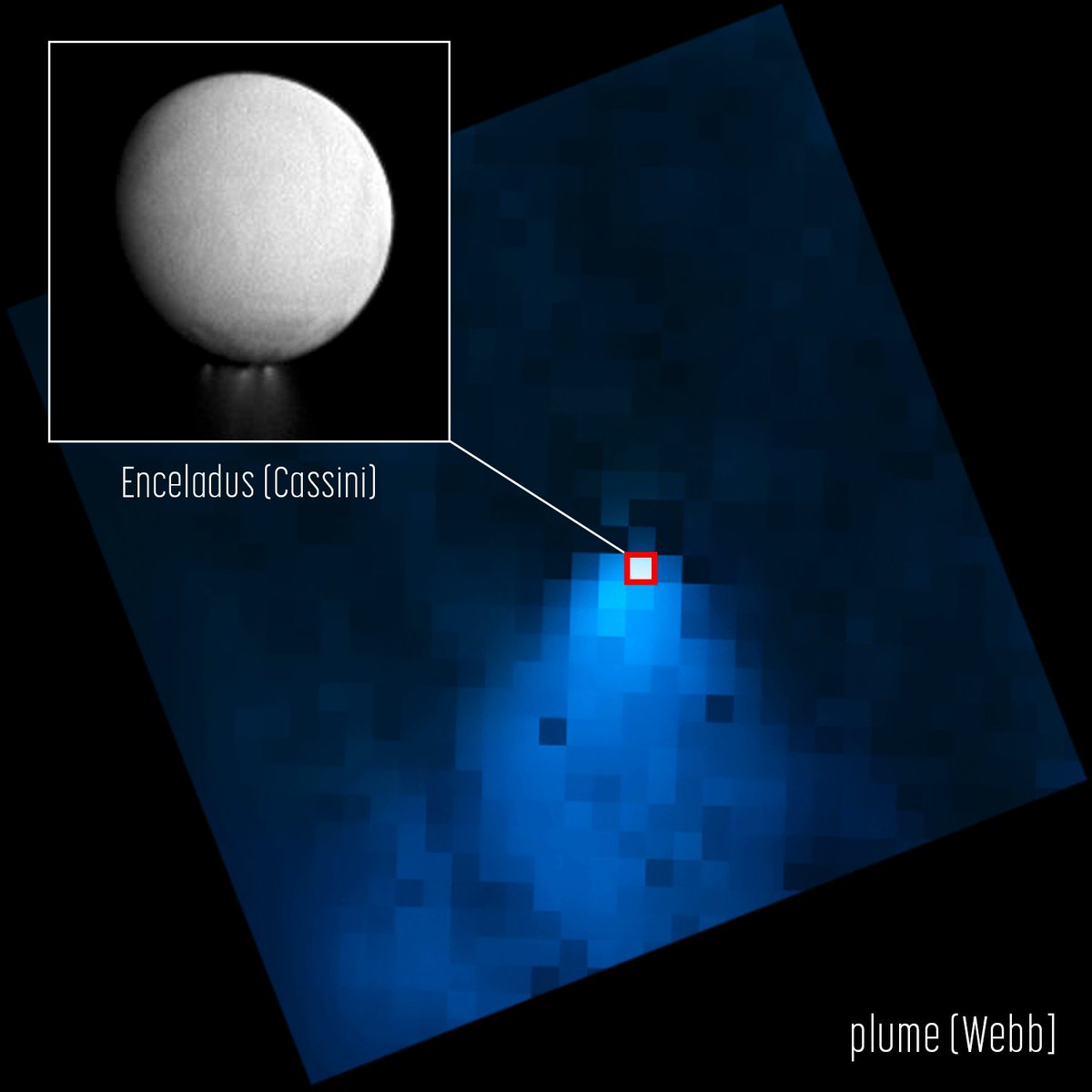
1/3 Our JWST team sees a HUGE plume of water spraying from Saturn's moon Enceladus! Enceladus (Cassini image w/ south-pole jets) fits inside the tiny red box, but EVERY blue point in the JWST image has a corresponding spectrum that shows water! See https://t.co/yea4T8LhdP 1/3
Daily hydration reminder 💧
Webb spotted a massive water emission from Saturn's moon Enceladus, spanning over 6000 miles and gushing out at 79 gallons per second. (Webb's data shows Enceladus as a white pixel. Compare its size to the water jet below!) https://t.co/VdOVcyGwGF