An autonomously swimming biohybrid fish has revealed the importance of feedback mechanisms in muscular pumps, such as the heart. The findings in Science could one day help inform the development of an artificial heart made from living muscle cells. https://t.co/IFM5tLAHpn
This International Day of #Women & Girls in #Science, we are shining a well-deserved spotlight on our talented women faculty & the importance of diversity & inclusion in #STEM. (UF BME Faculty: 50% Women)
#WomenInScience#WomenInSTEM
"Scientists have built a school of robotic fish powered by human heart cells. The fish, which swim on their own, show how lab-grown heart tissue can be designed to maintain a rhythmic beat indefinitely, a team reports in [@ScienceMagazine]" @NPRjonhamilton https://t.co/PaiLAZsCNZ
Another video of our autonomously swimming human biohybrid fish published in Science. Genetically human, but functionally fish.
https://t.co/m64dt5MWc2
Ok South Korea, here’s some really good news. Only 4 new cases of coronavirus have been reported in last 24 hours and they were all found at the airport.
0 from within the country.
Let me repeat that one more time. ZERO locally transmitted COVID19 cases in last 24 hours.
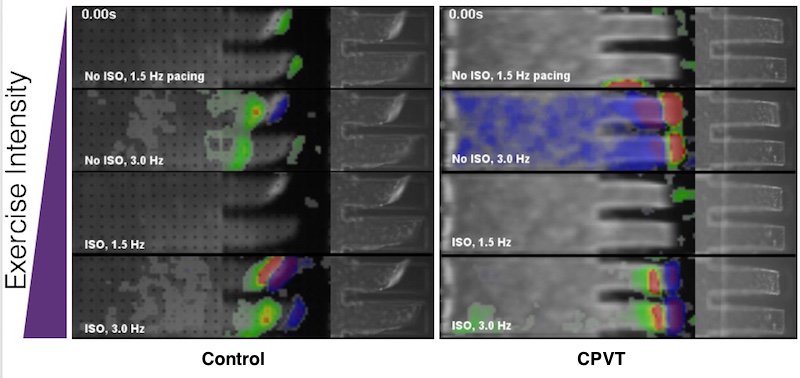
Gene therapy for a heart #arrhythmia, and insights from beating #organoids made from patients’ cells from the labs of William Pu and Kevin Kit Parker: https://t.co/fEdZYmdV60
Researchers engineer human tissue model of #CPVT, the top cause of sudden cardiac death in youth, and reverse it in mice with gene therapy: https://t.co/vV2CzZO9bO
CPVT, a deadly heart #arrhythmia, is a top cause of sudden death. New work from Boston Children's, informed by tissue models from patient cells, hints at a potential cure in gene therapy: https://t.co/u8u3wpJfKe
Exercise test in a dish: Patient-specific tissue models suggest a new gene therapy for a heart arrhythmia: https://t.co/nDRca4x7Oo #organsonchips#iPSC#cardiology
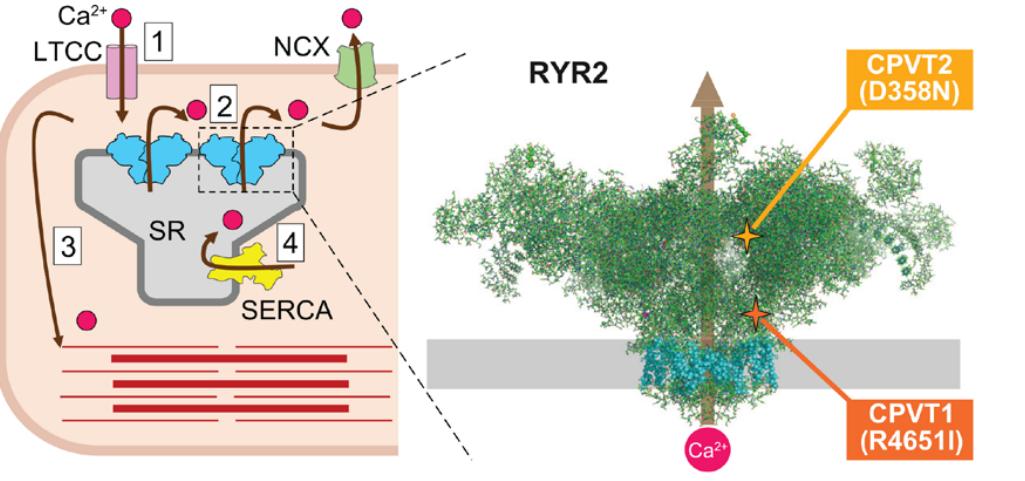
Activation of CaMKII and CaMKII-mediated phosphorylation of RYR2 at serine 2814 are critical events that are required to unmask the arrhythmic potential of CPVT-causing RYR2 mutations https://t.co/FCunyhwHFr | #AHAJournals@BCH_Innovation@hseas@wyssinstitute
Also, @hseas Kit Parker on the bits-of-spinach-and-bacteria hybrid synthetic cell that captures light and photosynthesises like a chloroplast. via @NatureBiotech . Nice #synbio
https://t.co/CCEQbLre5c