Walks, gardening, and an occasional drink.
A man of few words.
I don't own much, and I don't want much.
Tokyo born and raised.
Still working at my own pace.
Coucou la @RATPgroup je suis au Japon. Il fait 40 degrés. Et aucun train n'est ni en retard ni annulé à cause de la température. C'est fou non ? Bisou
PS : ah, il fait même frais à bord des trains. Encore plus fou !!
With wildfire smoke creating poor air quality across the U.S., the AVMA is reminding the public that wildfire smoke can pose serious health risks to pets and livestock. Watch for signs of irritation and contact your veterinarian if needed. Learn more: https://t.co/6FH8WKZ65V
Wildfire smoke drifting south from Canada is worsening air quality across the United States, prompting health warnings for millions of people. Here's what to know about the health risks of wildfire smoke and how to protect yourself and pets: https://t.co/P2MGhxAf5Q
A 1980 BBC documentary shows Japanese bank tellers counting money with precise, ritualistic care, reflecting Japan’s dedication to order, harmony, and perfection.
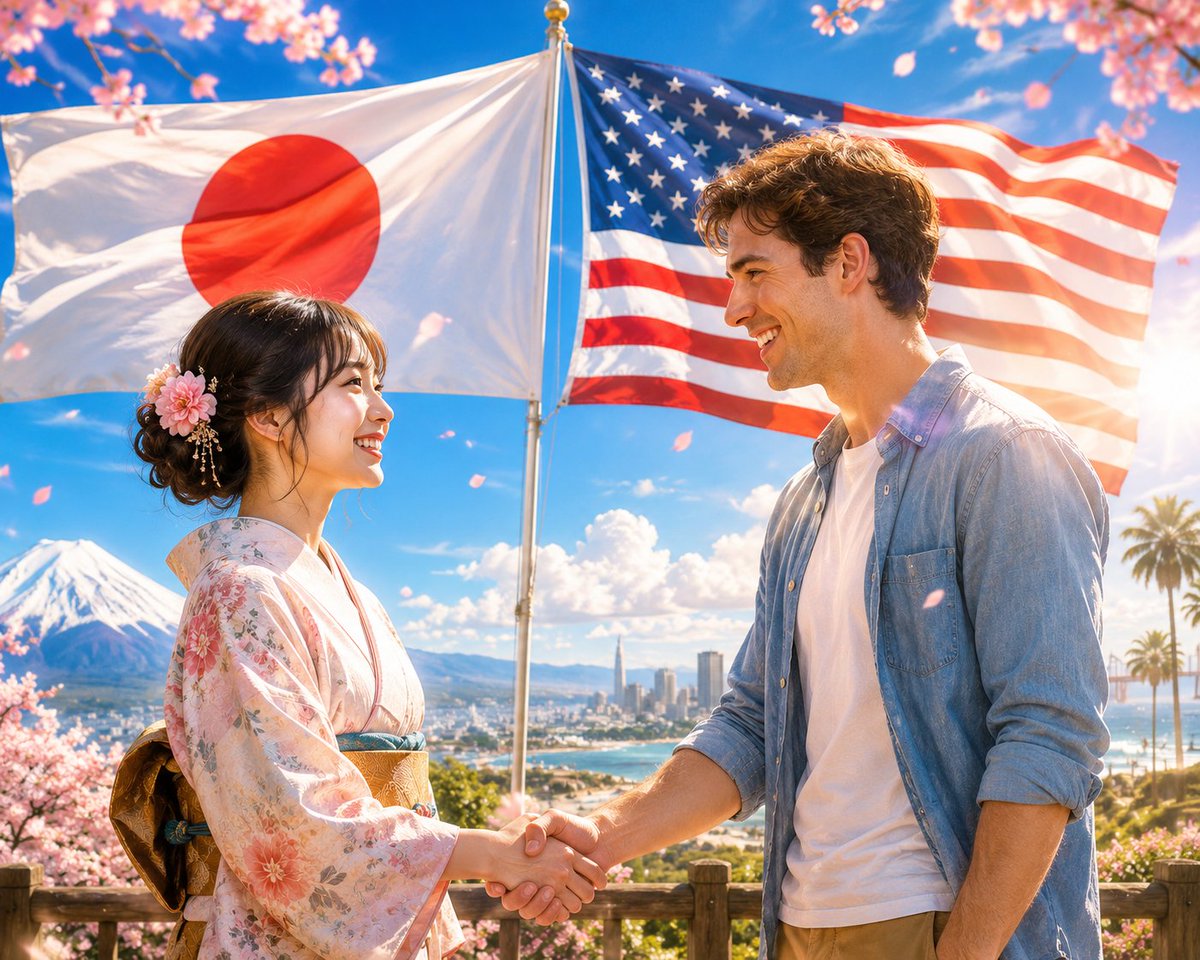
I saw some posts from overseas expressing surprise that Japanese people don’t hold hatred toward America, even after the atomic bombings of Hiroshima and Nagasaki.
Many people seem to wonder why.
Here are a few reasons why most Japanese people don’t carry that kind of resentment:
First, Japan made a conscious decision after the war to focus on rebuilding and moving forward, rather than staying trapped in hatred.
Second, America played a major role in helping Japan recover after the war, which laid the foundation for the close relationship we have today.
And third, Japan has a cultural tendency to “let things flow” — to not let past suffering define the future or poison current relationships.
Instead of holding onto anger, Japan chose reconciliation and partnership.
As a result, we were able to build one of the strongest and most positive alliances in the world.