Ksh10.3B Maternal Health Deal:
Health Ministry signs Ksh10.3B maternal health partnership
Duale says deal will boost maternal health outcomes
Beginnings fund to support programme for five years
CS calls for closer national-county collaboration
#CitizenMondayReport
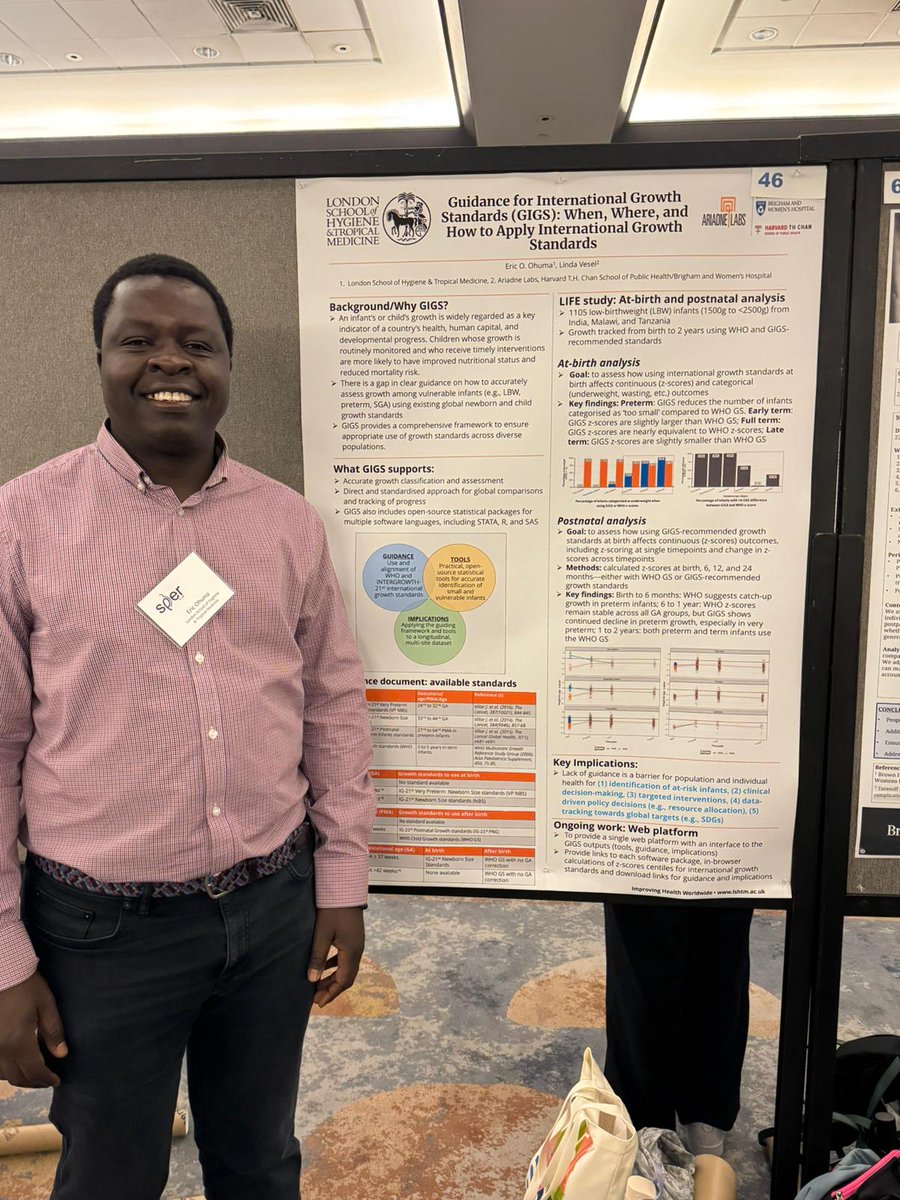
𝘈 𝘙𝘦𝘯𝘦𝘸𝘦𝘥 𝘊𝘢𝘭𝘭 𝘧𝘰𝘳 𝘜𝘱𝘵𝘢𝘬𝘦 𝘢𝘯𝘥 𝘈𝘱𝘱𝘭𝘪𝘤𝘢𝘵𝘪𝘰𝘯 𝘰𝘧 𝘐𝘯𝘵𝘦𝘳𝘯𝘢𝘵𝘪𝘰𝘯𝘢𝘭 𝘎𝘳𝘰𝘸𝘵𝘩 𝘚𝘵𝘢𝘯𝘥𝘢𝘳𝘥𝘴 – we highlight why accurate growth monitoring is critical for child survival and development
https://t.co/WZY3FWVuc3
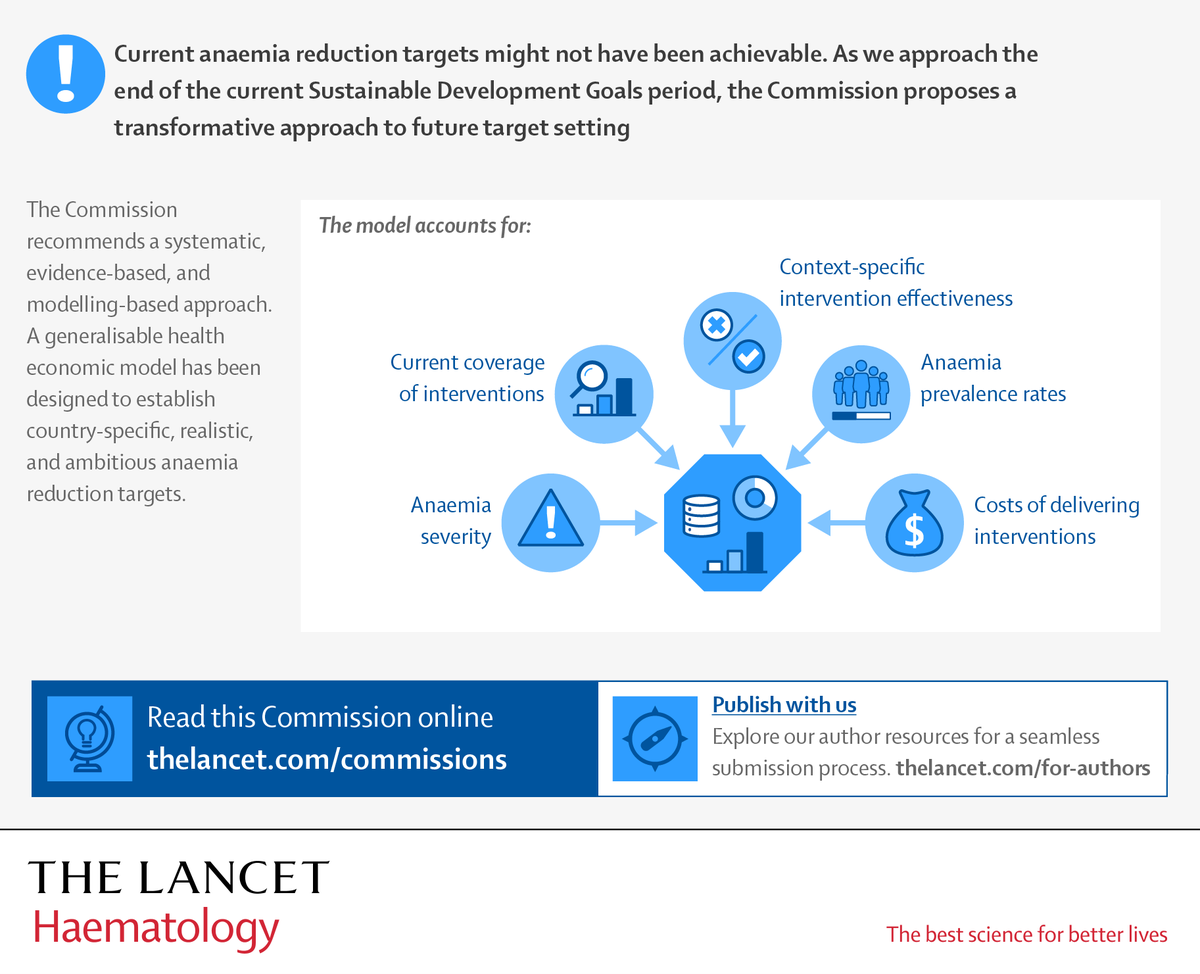
Current anaemia reduction targets might not have been achievable.
As we approach the end of the current Sustainable Development Goals period, the Commission proposes a transformative approach to future target setting.
7/8
The success of these projects relies heavily on international cooperation and funding from major bilateral donors.
Recent changes in global foreign aid policies pose a substantial threat to global efforts to understand and reduce the burden of anaemia.
5/8
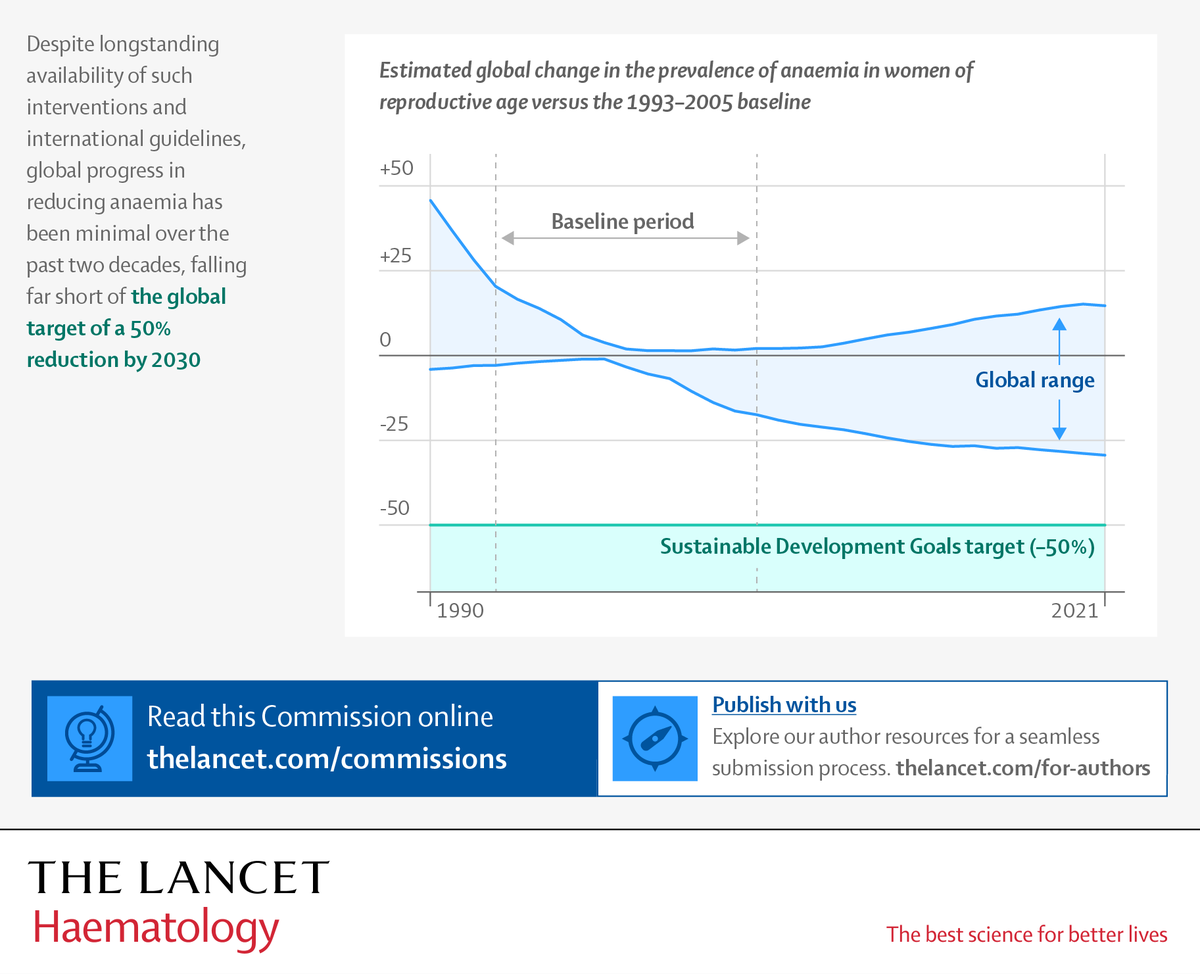
Up to 2 in 5 women & children globally are affected by anaemia.
Despite the availability of numerous interventions & international guidelines, progress in reducing anaemia has stalled over the past 20 years, falling short of the global target of a 50% reduction by 2030.
3/8
Understanding the diverse causes of anaemia is crucial for effective intervention, and global collaboration is key to making progress.
Anaemia arises from a complex interplay of fundamental drivers, intermediate risk factors, and direct causes.
2/8
Global efforts to reduce anaemia are stalling & political decisions risk progress.
A new Commission aims to address gaps in evidence, implementation, governance, & target-setting to reinvigorate efforts in anaemia control.
👇
https://t.co/GutTSTvMcg
1/8
Pleased to have contributed to this amazing Lancet commision on "Getting back on track to meet global anaemia reduction targets" https://t.co/B9PtF0UHqz
@TheLancetHaem@JHenryC@LSHTM@MARCH_LSHTM
PUBLICATION ALERT: Changes in service readiness across 65 facilities in Kenya, Tanzania, Nigeria, and Malawi https://t.co/1VfisySVaP @joylawn@MARCH_LSHTM@rpenzias@LSHTM@JHenryC