I stopped maintaining CapTipper 4 years ago since the decline of exploit kits.
To my surprise, I learned the tool is still being used in DFIR toolkits and networking courses in colleges.
So I found some time to fix a few bugs and port the code to Python3:
https://t.co/JwEs8VIUye
@executemalware@lennyzeltser So I had a couple of days to make the transition to Python3. pushed it to GitHub in a new branch:
https://t.co/JwEs8VIUye
I made sure the major capabilities work fine and also fixed a few bugs. probably would still need some work but I think this version is pretty stable.
A malicious picture can trigger an Instagram vulnerability potentially resulting in RCE on mobile devices.
Read our full technical paper here:
https://t.co/lkvDSPkCUj
After 7 years at Check Point Research, I'm moving on to my next endeavor. Leading the vulnerability research team at @_CPResearch_ was an inspiring position, and it is truly one of the best places in infosec. See you guys down the road!
@executemalware@lennyzeltser Hi! I stopped maintaining the code a while ago, as I was under the impression it's not really used since exploit kits drive-by attacks has decreased substitantly. I'm really glad to hear it still provides some value, so will try to find time soon and update. I'll keep you posted
@ZephrFish@ZoomerX@CheckPointSW Being familiar with the trend of creating malicious fake exploits, I was mainly interested in warning against downloading malicious POCs. I was wrong including your POC in this statement, my apologies
We're getting asked whether the registry workaround for SIGRed works on Windows Server 2003 and the answer is YES.
However, if your organization still runs it there are probably multiple other ways to pwn it other than using CVE-2020-1350
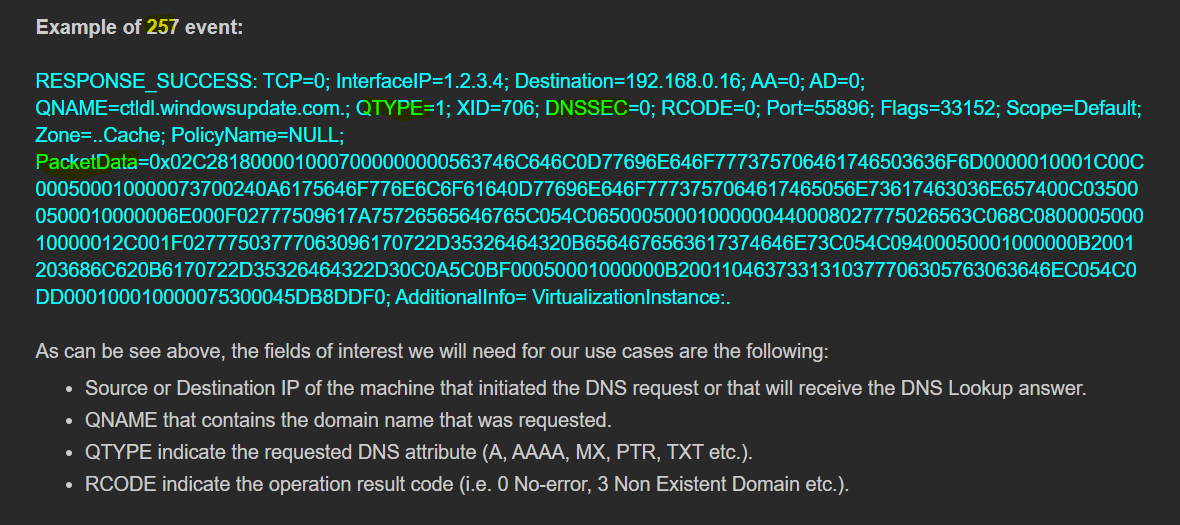
Turning ON Analytical Logs in Windows DNS could allow for the detection of the SIGRed vulnerability. Looks like the logging of the crafted SIG query is written even if the exploitation fails and the server crashes
this is an e.g. of MS DNS Logs (256, 257) for Query and Response, contains good info for hunting and detection (Packet details, QTYPE will be eq to 24 for SIG and res-packet size can be also deducted with some manips (if >64KB + maybe DNSEC!=1) ->
https://t.co/KWYuI7B0uy
We just disclosed SIGRed (CVE-2020-1350): Critical Vulnerability in all Windows DNS Servers (by @sagitz_).
Bonus: can also be triggered using the browser through a malicious link. #SIGRed
https://t.co/MMnjPwIUAp