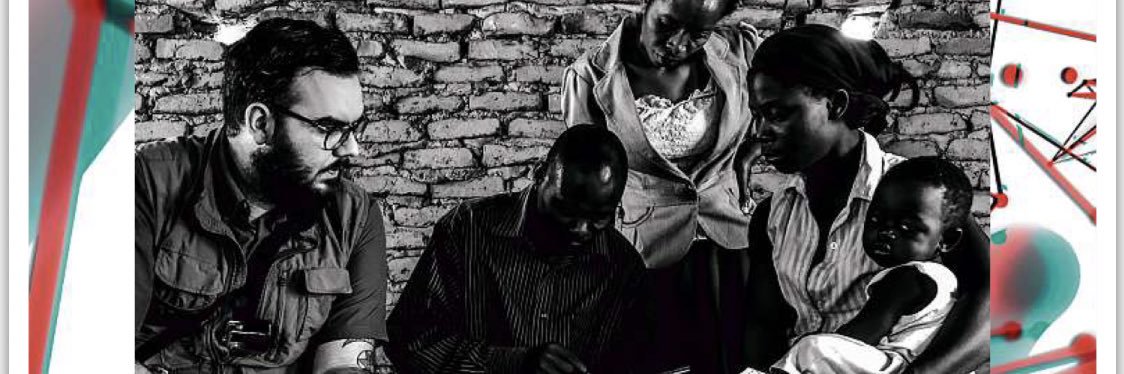
Empowering rural communities for cholera outbreak detection using participatory disease surveillance! 🌍 Dr. Onicio Leal Neto shares his study in JMIR Public Health and Surveillance. Learn more: https://t.co/926DJVDwIi
#MyJMIRResearch@onicioneto@UAZPublicHealth
Researchers from ETH Zurich, EPFL and the ISI Foundation are developing a wearable tracking system for healthcare facilities that can identify the risks of infections. Initial tests in Switzerland and Africa show its potential. 💓 https://t.co/uGuMUUJf4E #TrackingSystem#COVID19
JMIR Public Health: #Digital Transformation of #PublicHealth for Noncommunicable Diseases: Narrative Viewpoint of Challenges and Opportunities https://t.co/Nxg05hmsHy
@glichand@ejustin46 Understanding its infodemiology nature and combining with other key metrics, like lab results, would be a great step to get away from Google flu trends fiasco.
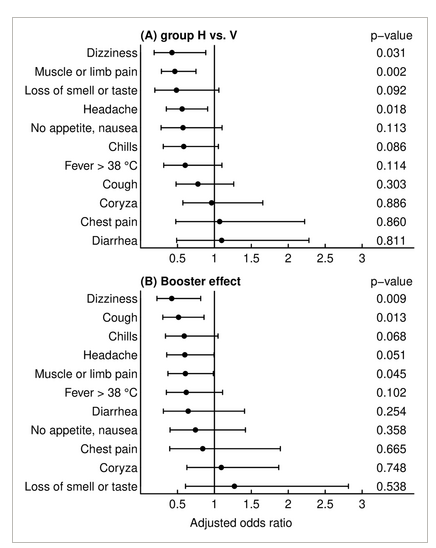
Our new study is out! It shows hybrid immunity reduces certain symptoms during SARS-CoV-2 breakthrough infections. Additionally, booster doses further lower symptom frequency. Key findings in the ongoing fight against #COVID19. Access full paper here https://t.co/pZ7rTIxuIu
Excited to kick-start our groundbreaking scientific project in Africa, leveraging the power of #DigitalContactTracing to foster pandemic preparedness. Stay tuned for an exclusive sneak-peek into our project. cc @SrdjanCapkun @ciro@BorisDanev@carmelatroncoso@CSatETH
Had an amazing Sunday! Implemented #ChatGPT via MacOS terminal using #Homebrew & @OpenAI API. Its intelligence, understanding #GlobalFluView's importance for pandemic preparedness, blew me away! 🚀 Check https://t.co/e4rdAprkpX for real-time flu trends. #AI#PublicHealth
Our results shed light on the potential advantages and limitations of using Participatory Surveillance data. Link to the paper: https://t.co/dDlWQzWtIJ
(5/5)
@glichand@danielapaolotti@jmirpub
💥Our latest article comparing participatory surveillance (PS) and traditional surveillance (TS) data on COVID-19 infection rates in 9 Brazilian cities. PS data can be used for early detection and combined with TS data to increase accuracy in forecasting models. (1/5)
In our data, forecasting models integrating both approaches increased accuracy up to 3% relative to a 14-day forecast model based exclusively on TS data. Furthermore, we showed that PS data captured a population that significantly differed from a traditional observation. (4/5)
New paper alert 🚨
Latest result from our healthcare workers cohort in eastern CH.
Booster vaccination might further reduce both the risk of Omicron breakthrough infection and the number of reported symptoms, although this benefit fades over time.
https://t.co/ObQkN5rAL2
@ArthurWelle@Colab_re ...porém ainda estou com dificuldades para achar uma tabela que tenha o código de município do TSE linkado com o código de município do IBGE. No mapa acima, estou com uma perda considerável para região Norte. (2/2)
Lichand et al. find that remote learning in São Paulo during the pandemic substantially decreased learning outcomes. Middle and high school students learned 27.5% of the in-person equivalent and dropout risk increased by 365%. @glichand@onicioneto
https://t.co/3uWCxzq1FX