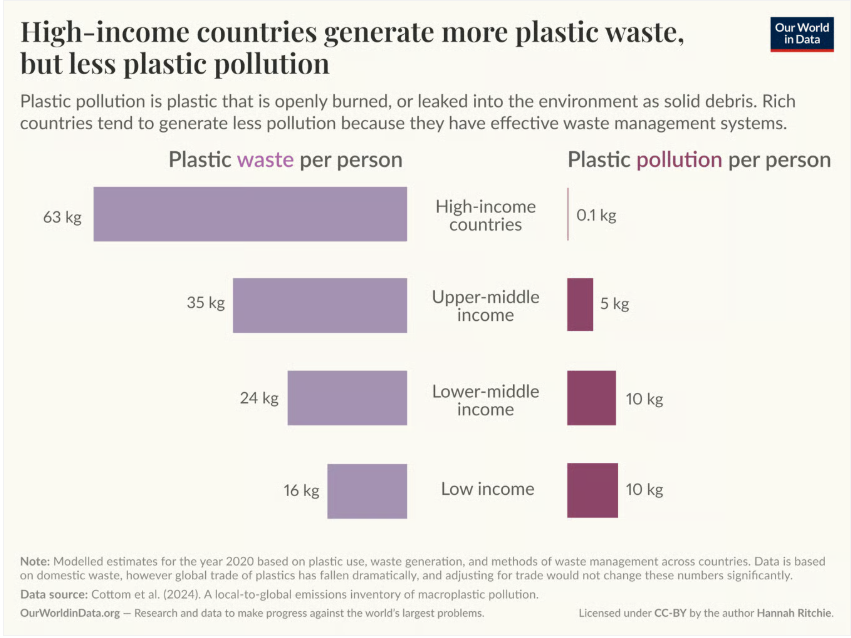
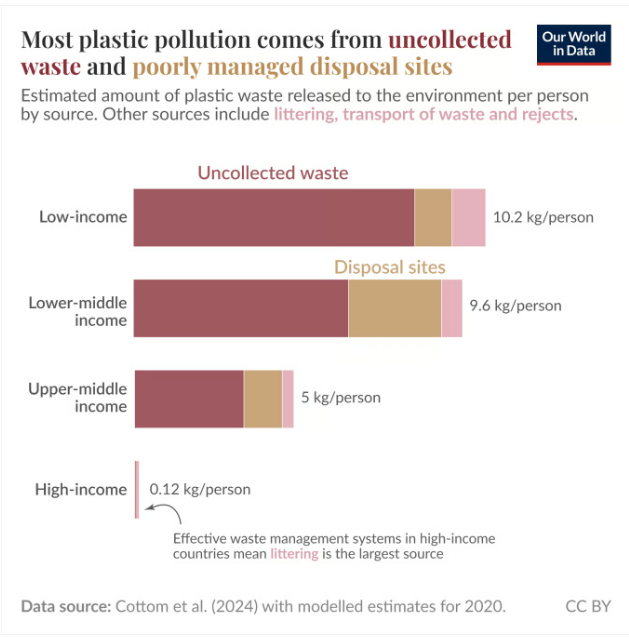
If low and middle-income countries managed plastic waste the way rich countries do, plastic pollution could drop by 98%.
Turns out managing waste better is far more effective than reducing plastic use.
Btw, the World Bank classifies our country as a lower-middle-income economy.
Link in comments.
The sun was free. They sold you SPF 50 and a vitamin D deficiency.
Sleep was free. They sold you an app, a pill, and a wearable that tells you your sleep was bad.
Walking was free. They sold you a treadmill, a fitness tracker, and a £180 pair of trainers.
Fasting was free. They sold you meal replacement shakes and the anxiety that skipping breakfast would wreck your metabolism.
Cold water was free. They sold you a £3,000 plunge barrel and a podcast episode about it.
Silence was free. They sold you a meditation app with a premium tier.
Animal fat was cheap. They sold you seed oils, then supplements to replace what the animal fat contained.
Tallow was cheap. They sold you a seventeen-step skincare routine and a clinical trial proving your face needs ceramides.
Meat was cheap. They are currently selling you the idea that you shouldn't eat it.
The 20th century removed access to everything the body needs to function.
The 21st century is selling it back, one subscription at a time.
Your great-grandmother had none of the products.
She had all of the things.
Last one on this topic, and I have been holding this in myself for a while.
For centuries, class divides kept the labor of the poor invisible to the rich. Factory workers toiled behind walls, farmers in distant fields, domestic help in backrooms. The wealthy consumed the fruits of that labor without ever seeing the faces or the fatigue behind it. No direct encounter, no personal guilt.
The gig economy shattered that invisibility, at unprecedented scale.
Suddenly, the poor aren't hidden away. They're at your doorstep: the delivery partner handing over your ₹1000+ biryani, late-night groceries, or quick-commerce essentials. You see them in the rain, heat, traffic, often on borrowed bikes, working 8–10 hours for earnings that give them sustenance. You see their exhaustion, their polite smile masking frustration with life in general.
This is the first time in history at this scale that the working class and consuming class interact face-to-face, transaction after transaction. And that discomfort with our own selves is why we are uncomfortable about the gig economy. We want these people to look our part, so that the guilt we feel while taking orders from them feels less.
We aren't just debating economics. We are confronting guilt. That ₹800 order might equal their entire day's earnings after fuel, bike rent, and app cuts. We tip awkwardly, or avoid eye contact, because the inequality is no longer abstract. It's personal.
Pre-gig era, the rich could enjoy luxury without moral discomfort. Labor was out of sight. Now, every doorbell ring is a reminder of systemic inequality. That's why debates explode. It's not just policy. It's emotional reckoning. Some defend the system (“they choose it”), others demand change (“this isn't progress, its exploitation”).
And here’s the uncomfortable twist: the unsaid ask of clumsy ‘solutions’ isn’t dignity. It is about returning to invisibility.
Ban gig work and you don’t solve inequality. You remove livelihoods. These jobs don’t magically reappear as formal, protected employment the next day. They disappear, or they get pushed back into the informal economy where there are even fewer protections and even less accountability. Over-regulate it until the model breaks, and you achieve the same outcome through paperwork instead of slogans: the work evaporates, prices rise, demand collapses, and the people we claim to protect are the first to lose income.
And then what happens?
The rich get their old comfort back. Convenience returns without faces. Guilt dissolves. We go back to clean abstractions and moral posturing from a distance. The poor don’t become safer, they become invisible again: back in cash economies, back in backrooms, back in shadows where regulation rarely reaches and dignity isn’t even debated.
The gig economy just exposed the reality of inequality to the people who previously had the luxury of not seeing it. The doorbell is not the problem. The question is what we do after opening the door.
Visibility is the price of progress. We can either use this discomfort to build something better (which we keep doing continuously as delivery partners are our backbone), or we can ban and over-regulate our way back into ignorance. One of those choices improves lives. The other simply helps the consuming class feel virtuous in the dark.
"50% of global AI researchers are Chinese, and 70% of last year's AI patents came from China."
~ Jensen Huang
And even beyond China's own geography, Chinese brains continue to play a major role in U.S. and Silicon Valley AI research.
One long standing principle within the company is that no employee is allowed to praise the leadership, including me, in public. We remind people of this rule periodically and it has become a core part of our culture.
The spiritual principle I have tried to follow in life is to let neither praise nor abuse get to me. I don't read or watch videos about me. I am not that important to me and do not want to carry the burden of being important.
I think of being alive and conscious, drawing breath, as the ultimate gift bestowed by the creator and remind myself to be thankful for that gift. Satchitananda सच्चितानन्दः
I do read critical feedback of our products or the company. They are important.
I remind myself and our employees to be thankful for the fact that we even receive that feedback, because the natural or default state for any product or idea is to be completely ignored. The fact that people take the time to tell us is a gift we must be thankful for.
📽️The real story of the Tianjin summit where Putin, Xi & Modi are meeting isn't just the handshakes. It's something deeper.
It's the question of whether we'll look back on the Ukraine war as the moment geopolitics as we know it changed forever.
I explain, via, yes, some charts👇
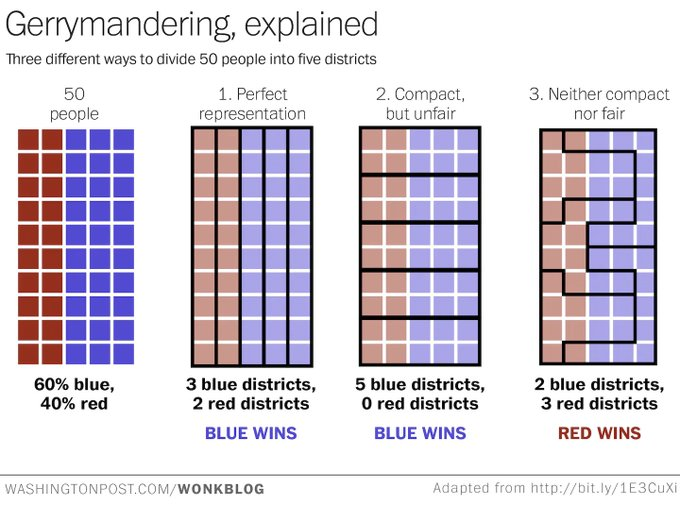
One important geospatial concept has a MASSIVE impact on election results.
It's called the Modifiable Areal Unit Problem.
Here’s what you need to know about it:
Tomorrow, I will tell the story of how SpaceX was forced by the government to kidnap seals, put earphones on them and play sonic boom sounds to see if they seemed upset
It’s not my place to say this but dear @narendramodi there will never be someone as deserving of the Bharat Ratna than Bharat’s Ratan. Inspiring by personal example he gave millions hope through his philanthropy…and a true Indian to boot…it will only make the award look good🙏
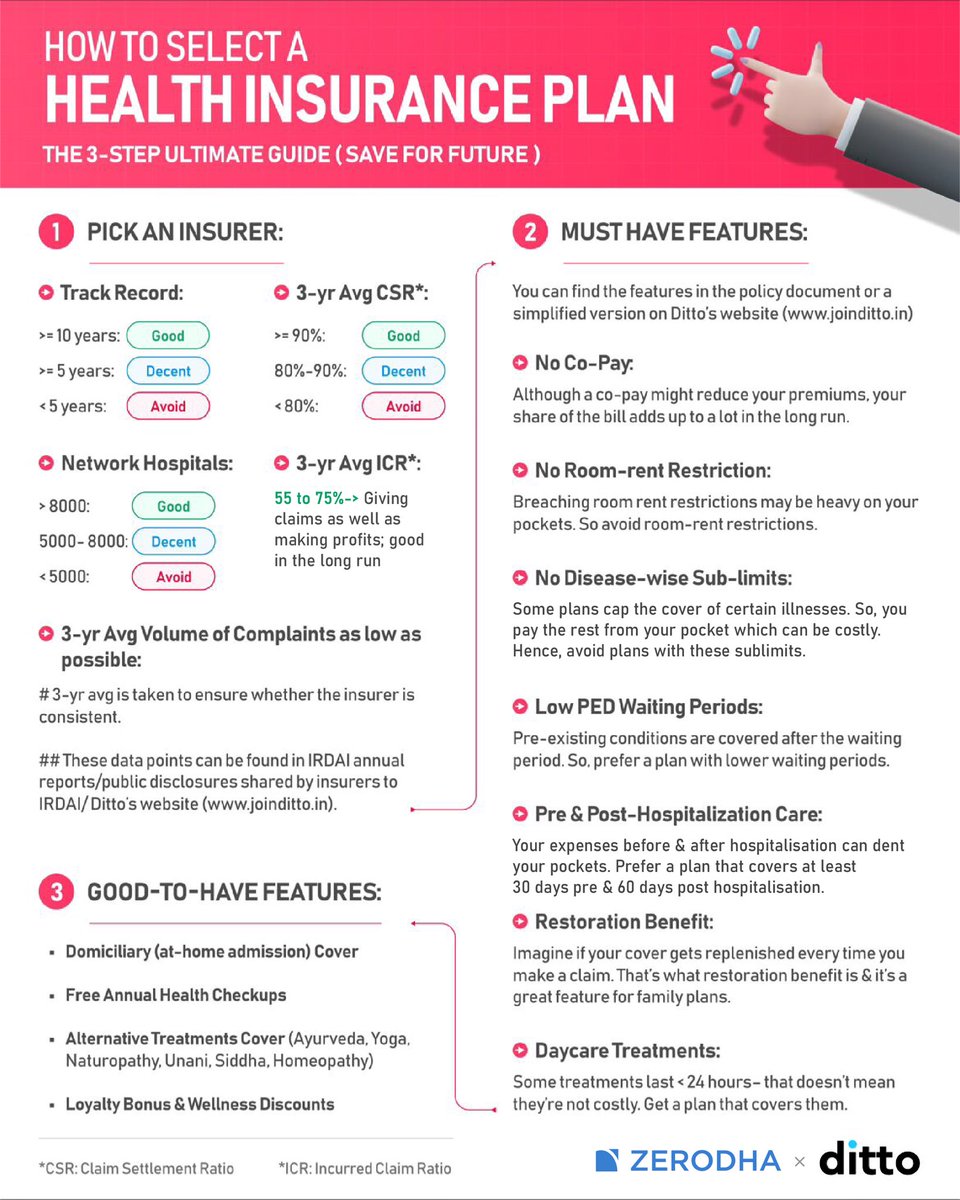
The Union Cabinet, chaired by Prime Minister Narendra Modi, has approved the health coverage to all the senior citizens aged 70 years and above irrespective of income under the flagship scheme Ayushman Bharat Pradhan Mantri Jan Arogya Yojana (AB PM-JAY). This aims to benefit approximately 4.5 Crore families with six (6) crore senior citizens with 5 Lakh rupees free health insurance cover on a family basis: Cabinet
Two truths everyone needs to hear:
1. You are greater than your circumstances.
2. Someone's opinion of you does not have to become your reality.
Les Brown spitting facts. 😤