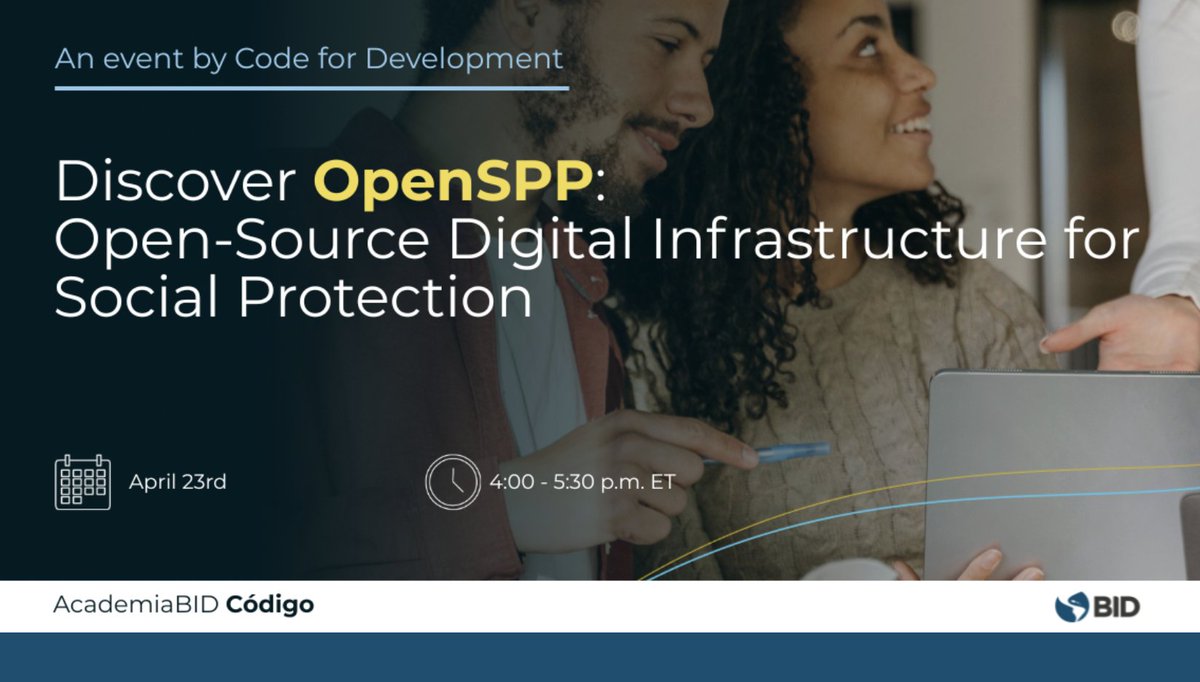
🚨 𝗪𝗲𝗯𝗶𝗻𝗮𝗿 𝗔𝗹𝗲𝗿𝘁 🚨 Join us for the next Code for Development webinar, organized by the @the_IDB, where we will present @OpenSPP and its role in supporting the management of social protection programs through open, interoperable digital infrastructure.
🕓 23 April - 4:00 to 5:30 p.m. ET
👉 Register here: https://t.co/khgpTxgsYq
#Code4Dev #SocialProtection #DigitalPublicGoods #OpenSource #GovTech
🚨 𝗪𝗲𝗯𝗶𝗻𝗮𝗿 𝗔𝗹𝗲𝗿𝘁 🚨 Today, our lead developer Edwin Gonzales joins the 9th Interoperability in Action webinar, hosted by Digital Convergence Initiative (DCI), to demonstrate how social protection systems can connect to early warning systems to enable anticipatory action and improve response timeliness.
This session sits at the heart of what we build for. OpenSPP is designed from the ground up to be open and interoperable, supporting governments and implementing organizations to link their social registries with the wider data ecosystem, including civil registries, identity systems, and humanitarian platforms. Connecting social protection infrastructure with early warning systems is a natural and critical extension of that vision.
With OpenSPP v2.0 Biliran, teams can now deploy disaster response capabilities, area-based targeting, and consent-aware data sharing, a foundation needed to move from early warning signals to coordinated, on-the-ground action.
We are pleased to contribute to this conversation alongside other organizations, including @giz_gmbh, @WFP, #PRISM, @Google, and representatives from #Rwanda and beyond.
The webinar is live today, March 24, at 12:00 GMT, with live interpretation in French, Spanish, and Portuguese.
#Interoperability #SocialProtection #EarlyWarningSystems #AnticipatoryAction #ResponseTimeliness #DigitalPublicInfrastructure #DigitalPublicGoods #OpenSource #GovTech
𝗟𝗮𝘀𝘁 𝗺𝗼𝗻𝘁𝗵, 𝘄𝗲 𝘀𝗵𝗮𝗿𝗲𝗱 𝗮 𝗽𝗿𝗲𝘃𝗶𝗲𝘄 𝗼𝗳 𝗢𝗽𝗲𝗻𝗦𝗣𝗣 𝘃𝟮. 𝗧𝗼𝗱𝗮𝘆, 𝗢𝗽𝗲𝗻𝗦𝗣𝗣 𝘃𝟮.𝟬.𝟬 𝗕𝗶𝗹𝗶𝗿𝗮𝗻 𝗶𝘀 𝗼𝗳𝗳𝗶𝗰𝗶𝗮𝗹𝗹𝘆 𝗿𝗲𝗹𝗲𝗮𝘀𝗲𝗱.
OpenSPP Biliran is a complete social protection platform built on Odoo 19, covering the full program lifecycle. This includes everything from registration and eligibility through payments, grievances, and compliance. The modular architecture means governments and implementing organizations can deploy only what they need, from a standalone farmer registry to a full SP-MIS with disaster response and case management.
A few highlights from this release:
𝗗𝗥𝗜𝗠𝗦: A Disaster Response Inventory Management System for managing the full lifecycle of emergency relief supplies, linked to hazard incidents and geographic areas.
𝗙𝗮𝗿𝗺𝗲𝗿 𝗥𝗲𝗴𝗶𝘀𝘁𝗿𝘆: Built on the FAO WCA 2020 model, with crop, livestock, and land parcel management natively integrated with the eligibility engine.
𝗦𝘁𝘂𝗱𝗶𝗼: A no-code configuration layer with 13 pre-built Logic Packs, covering cash transfers, PMT targeting, child benefits, disability assistance, and more. A built-in governance model keeps rule changes reviewed and versioned before they go live.
𝗚𝗜𝗦: Area-based targeting and map-based visualization, allowing for geographic analysis without exposing individual-level data.
This release reflects the work of our team and the feedback of early adopters and contributors who tested the preview. Thank you to everyone who has been part of this phase.
#DigitalPublicInfrastructure #DigitalPublicGoods #OpenSource #SocialProtection #GovTech
𝗦𝘁𝗿𝗲𝗻𝗴𝘁𝗵𝗲𝗻𝗶𝗻𝗴 𝗦𝗼𝗰𝗶𝗮𝗹 𝗣𝗿𝗼𝘁𝗲𝗰𝘁𝗶𝗼𝗻 𝗗𝗲𝗹𝗶𝘃𝗲𝗿𝘆 𝗶𝗻 𝘁𝗵𝗲 𝗣𝗵𝗶𝗹𝗶𝗽𝗽𝗶𝗻𝗲𝘀
The digital transformation of the Pantawid Pamilyang Pilipino Program (4Ps) continues to move into live implementation.
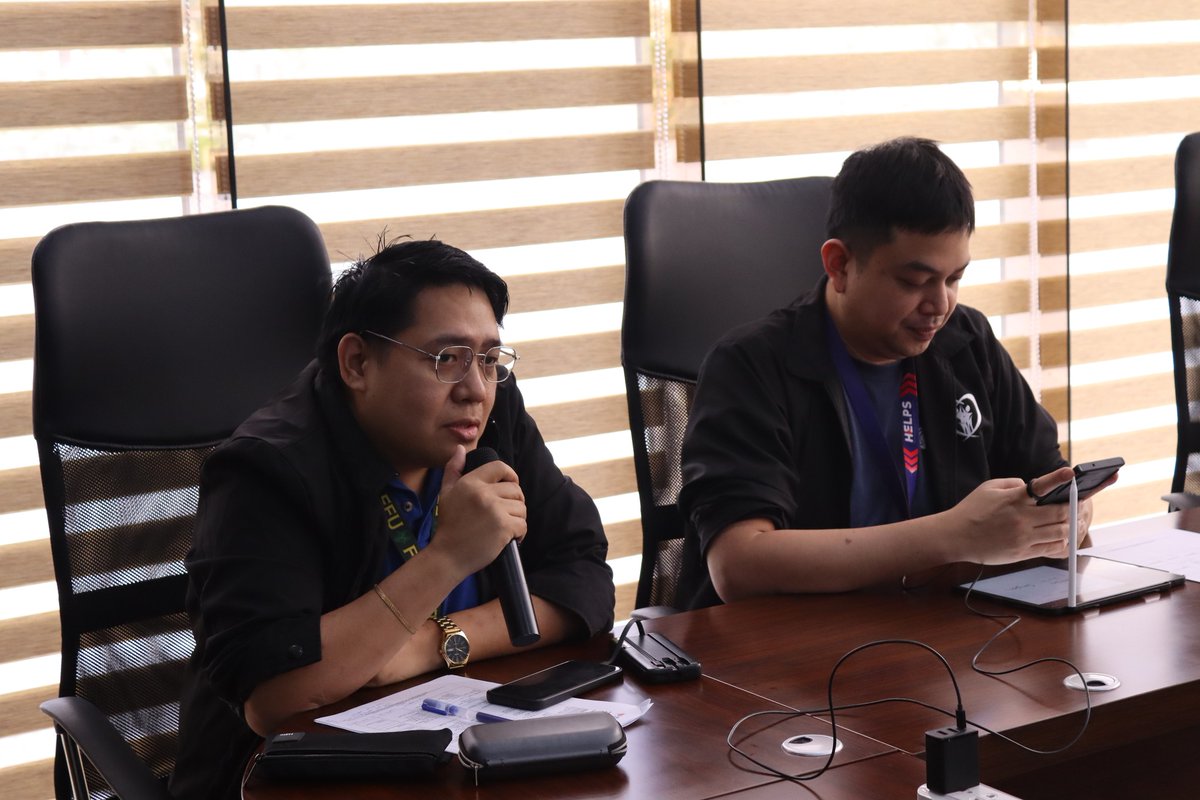
This week, the Department of Social Welfare and Development (DSWD) Field Office VII – Central Visayas conducted pilot testing of the re-engineered 4Ps digital platform, an important step in modernizing one of the country’s largest social protection programs.
Serving 4.4 million households nationwide, 4Ps requires systems that are reliable, transparent, and built for scale. The three-day activity focused on system upgrades and process automation, including live database testing in urban centres, field visits to identify and log real-time system issues, and hands-on engagement from DSWD’s ICT and program teams.
Implementation is being delivered by @newlogic, our system integration partner, working closely with DSWD to ensure the platform supports operational realities on the ground.
This milestone reflects how open, interoperable Digital Public Infrastructure (#DPI) can support national social protection systems, not only in theory but in day-to-day program execution.
We commend DSWD Field Office VII - Central Visayas for their leadership and hands-on engagement throughout this phase.
Photos and activity details courtesy of DSWD Field Office VII - Central Visayas (Facebook page).
#DigitalPublicInfrastructure #DigitalTransformation #SocialProtection #GovTech #OpenSource #DSWD #Philippines
𝗦𝘁𝗿𝗲𝗻𝗴𝘁𝗵𝗲𝗻𝗶𝗻𝗴 𝗦𝗼𝗰𝗶𝗮𝗹 𝗣𝗿𝗼𝘁𝗲𝗰𝘁𝗶𝗼𝗻 𝗗𝗲𝗹𝗶𝘃𝗲𝗿𝘆 𝗶𝗻 𝘁𝗵𝗲 𝗣𝗵𝗶𝗹𝗶𝗽𝗽𝗶𝗻𝗲𝘀
The Department of Social Welfare and Development is advancing the digital transformation of the Pantawid Pamilyang Pilipino Program (4Ps), one of the largest social protection programs in the country.
As reported by the Philippine News Agency, this modernisation effort is designed to strengthen program management, improve data integrity, and enhance service delivery for 4.4 million households nationwide.
OpenSPP is being used as the foundational platform in this reengineering effort. Built as an open and interoperable system, OpenSPP enables large-scale programs to evolve toward more integrated, data-driven, and resilient delivery models.
This nationwide implementation of OpenSPP demonstrates how open Digital Public Infrastructure (#DPI) can support social protection delivery at scale.
Full article in the comments.
#DigitalPublicInfrastructure #SocialProtection #GovTech #OpenSource #4Ps #DigitalTransformation
𝗢𝗽𝗲𝗻𝗦𝗣𝗣 𝗮𝘁 𝗠𝗢𝗦𝗜𝗣 𝗖𝗼𝗻𝗻𝗲𝗰𝘁 𝟮𝟬𝟮𝟲
We’re excited to share that Jeremi Joslin is joining MOSIP Connect this week in Rabat, Morocco, where governments, implementers, and Digital Public Goods come together to advance secure and interoperable Digital Public Infrastructure (#DPI).
𝗔𝘁 𝘁𝗵𝗲 𝗲𝘃𝗲𝗻𝘁, 𝘄𝗲’𝗹𝗹 𝗯𝗲 𝗰𝗼𝗻𝘁𝗿𝗶𝗯𝘂𝘁𝗶𝗻𝗴 𝘁𝗼 𝘁𝗵𝗿𝗲𝗲 𝗸𝗲𝘆 𝘀𝗲𝘀𝘀𝗶𝗼𝗻𝘀:
- Live demo: From birth registration to child enrollment using #DCI standards
Demonstrating how open standards enable continuity of identity from civil registration through child enrollment across systems. This shows how interoperable building blocks reduce fragmentation and support implementation at scale.
- OpenSPP support for MOSIP Claim 169 QR specification
We’ll present how OpenSPP integrates with MOSIP’s Claim 169 QR framework to enable offline identity verification for #SocialProtection delivery. This is particularly critical in last-mile contexts where connectivity is limited, but services must still be secure and reliable.
- #DPGs4DPI workshop
A collaborative session exploring how Digital Public Goods (#DPGs) supporting identity, registries, payments, and sectoral platforms can work together as modular and interoperable systems. DPI delivers impact when components are connected and aligned.
For us, this is what DPI is about.
Not standalone systems. But interoperable, real-world delivery.
If you’re in Rabat for MOSIP Connect, reach out to Jeremi Joslin. We’d love to exchange ideas and explore collaboration.
#MOSIPConnect #DigitalPublicInfrastructure #DigitalPublicGoods #SocialProtection #OpenSource #GovTech
𝗢𝗽𝗲𝗻𝗦𝗣𝗣 𝘃𝟮 𝗶𝘀 𝗻𝗼𝘄 𝗮𝘃𝗮𝗶𝗹𝗮𝗯𝗹𝗲!
We’re making OpenSPP v2 available in preview today, starting with the SP-MIS modules. These are the core modules of the new OpenSPP architecture, redesigned around configuration, interoperability, and embedded governance.
𝗔𝗴𝗶𝗹𝗶𝘁𝘆, 𝗜𝗻𝘁𝗲𝗿𝗼𝗽𝗲𝗿𝗮𝗯𝗶𝗹𝗶𝘁𝘆, 𝗮𝗻𝗱 𝗦𝘂𝘀𝘁𝗮𝗶𝗻𝗮𝗯𝗶𝗹𝗶𝘁𝘆 𝗳𝗼𝗿 𝗦𝗼𝗰𝗶𝗮𝗹 𝗣𝗿𝗼𝘁𝗲𝗰𝘁𝗶𝗼𝗻 𝗦𝘆𝘀𝘁𝗲𝗺𝘀
Complex social protection systems usually need heavy customization. Every policy change, new rule, or integration requires significant and lengthy rework, often resulting in high costs, slower implementation, and sustainability challenges.
OpenSPP v2 offers a different direction. It introduces a configuration-driven architecture where program rules, change requests, and integrations are structured within the platform rather than hardcoded into custom builds.
By embedding governance, interoperability, and data protection are embedded at the core, the platform allows programs to evolve without being rebuilt.
The SP-MIS modules now available are ready for implementation and integration. They are built to anchor new deployments and partner ecosystems. Teams can now begin integrations, develop custom modules, and test real-world program scenarios.
We’ve also updated the documentation to reflect the new architecture and configuration model, so teams can move from exploration to implementation with clarity.
Start exploring the new modules today, stay tuned for deep-dives into v2, and get in touch for feedback or questions.
OpenSPP v2 is landing at the end of January and we’re now in final testing with partners.
This release represents a major step forward in how information management systems and registries for social protection are built and sustained.
For too long, Digital Public Infrastructure (#DPI) has depended on costly customization for even the smallest change. With OpenSPP v2, we’re changing that.
Our goal is simple: 80% of real-world program needs should be configurable through program configurations.
With the new Studio interface, pre-built configuration packs, and best practices embedded into the platform, local teams gain real control and are able to operate, adapt, and scale their programs long after the initial implementation.
What’s new in OpenSPP v2:
– 𝗜𝗺𝗽𝗿𝗼𝘃𝗲𝗱 𝗶𝗻𝘁𝗲𝗿𝗼𝗽𝗲𝗿𝗮𝗯𝗶𝗹𝗶𝘁𝘆: Full Digital Convergence Initiative API support. Seamlessly connect your social registry with civil registries, beneficiary systems, disability platforms, and more.
– 𝗖𝗼𝗻𝘀𝗲𝗻𝘁 𝗺𝗮𝗻𝗮𝗴𝗲𝗺𝗲𝗻𝘁: Privacy and protection built into the data model by design.
– 𝗘𝗻𝗵𝗮𝗻𝗰𝗲𝗱 𝗰𝗵𝗮𝗻𝗴𝗲 𝗿𝗲𝗾𝘂𝗲𝘀𝘁𝘀: Programs evolve. Families change. Crises happen. v2 introduces proper governance to manage change.
– 𝗦𝘁𝗿𝗲𝗻𝗴𝗵𝘁𝗲𝗻𝗲𝗱 𝗚𝗜𝗦 𝗰𝗮𝗽𝗮𝗯𝗶𝗹𝗶𝘁𝗶𝗲𝘀: Precise geographic targeting using boundaries and spatial queries.
– 𝗩𝗲𝗿𝗶𝗳𝗶𝗮𝗯𝗹𝗲 𝗰𝗿𝗲𝗱𝗲𝗻𝘁𝗶𝗮𝗹𝘀: Beneficiaries can prove eligibility without overexposing personal data, even when offline.
– 𝗖𝗹𝗲𝗮𝗻𝗲𝗿 𝗔𝗣𝗜𝘀: Consistent, standards-based, and easier to integrate.
More updates about OpenSPP vision for sustainable and practical DPI will be shared in the coming weeks.
#DigitalPublicGoods #DigitalPublicInfrastructure #OpenSource #SocialProtection #GovTech
Reflecting on the past year and feeling incredibly grateful!
The last 12 months have been a journey of steady progress, learning, and deep collaboration.
We strengthened our foundation, improving documentation, clarifying our product direction, and making our tools easier for partners and governments to adopt. We invested heavily in training and capacity building, because long-term impact only happens when local teams can truly own and scale solutions.
At the same time, we saw real momentum in the field: supporting digital transformation efforts across Togo, Sri Lanka, Lao PDR, and the Philippines, working alongside committed partners, and seeing firsthand how thoughtful technology can simplify processes and strengthen service delivery.
What excites us most is how this year positioned us for what comes next: more scalable solutions, deeper partnerships, and a growing global community focused on building practical Digital Public Infrastructure (#DPI). This work would not be possible without the broader open-source ecosystem, and we are grateful to collaborate with other fellow Digital Public Goods (#DPGs), including Open Function (OpenFn), OpenCRVS, Mifos Initiative, Modular Open Source Identity Platform (MOSIP), OpenG2P, and DHIS2.
None of this would have been possible without the continued support and strategic guidance of Co-Develop, whose partnership has been instrumental throughout the year.
We are equally grateful for the dedication and talent of our OpenSPP team: Celine Lewerentz, Edwin Gonzales, Greg Martel, Jeremi Joslin, Ken Lewerentz, Mark Anthony Peñalosa, Michael Gonzales, Michel Mouchiroud, and Paolo Miguel de Leon, who bring this work to life every day.
Huge thanks to our partners, contributors, and everyone who made this year what it was.
#DigitalPublicGoods #DigitalPublicInfrastructure #OpenSource #SocialProtection #GovTech #ICT4D #TechForGood
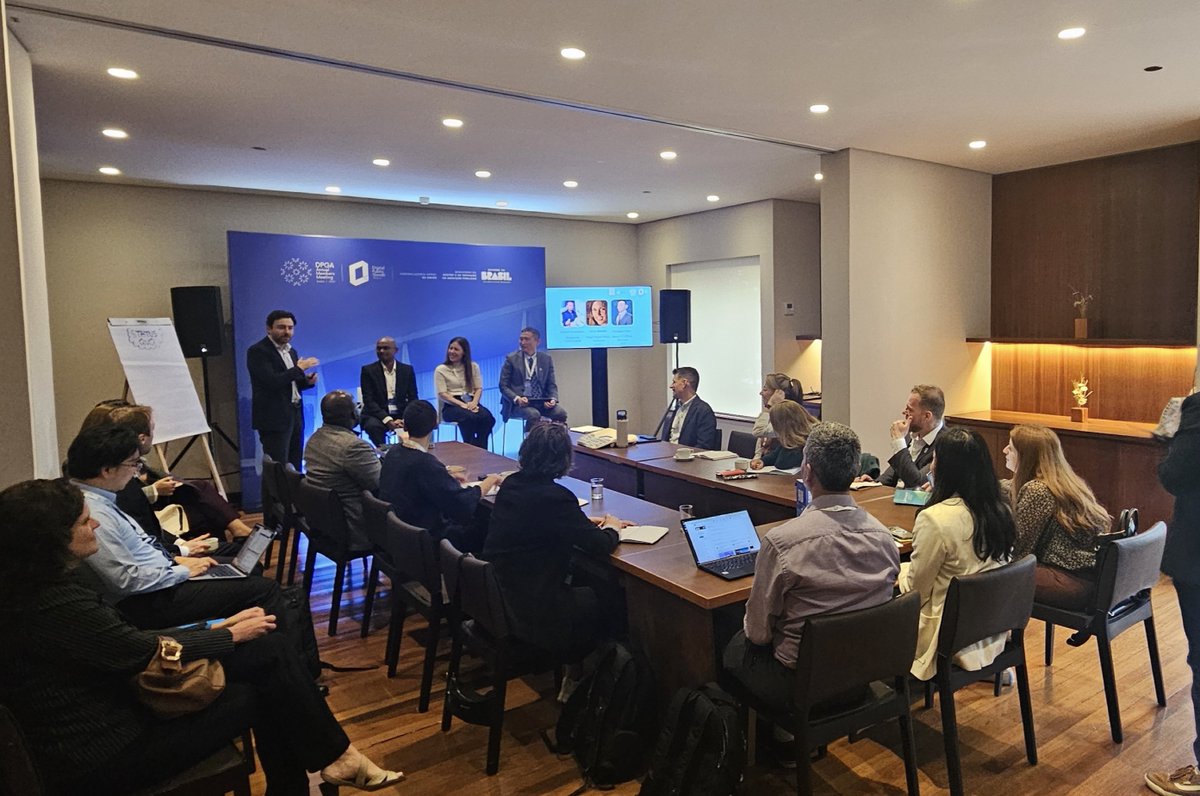
What a week for the #DigitalPublicGoods community! The @DPGAlliance Annual Members Meeting in Brasília brought together an inspiring group of changemakers committed to developing and scaling open-source solutions for the public good.
As a digital public good focused on social protection, we had the chance to engage with leaders and peers who are shaping the future of digital systems that serve the public good. It is clearer than ever that meaningful progress on digital public infrastructure depends on shared commitment, collective learning, and close collaboration across government, the private sector, and the open-source community.
We are grateful to the @DPGAlliance and to the Government of Brazil (@govbr) for hosting an open and productive meeting and we look forward to continuing our work with the #DPG community.
#DPGA #AMM25 #DigitalPublicGoods #DPGs #DPI #OpenSource
The Cape Town Global DPI Summit 2025 reaffirmed our motivation to build Digital Public Infrastructure (#DPI) that truly serves the public good. In each session and discussion, you could sense the commitment of the 1300 delegates to ensuring that DPI must be dynamic and responsive, acting as an enabler across sectors. Its success will be how it positively impacts citizens’ realities - making inclusion and safeguards as foundational as the DPI pillars themselves.
As a DPG, we had the opportunity to learn from initiatives and challenges from different continents, which motivate us to strengthen how OpenSPP provides sectoral and actionable building blocks for social protection and agriculture, supporting interoperable, inclusive, and trusted Digital Public Infrastructure.
At the summit, we presented our learnings and results from building Digital Farmer Registries in Lao PDR and Sri Lanka (foundations for DPI in agriculture) and OpenSPP’s recent adoption for a large national social security programme in the Philippines. This is evidence that modularity and open-source principles help deliver real-world scale.
We also sought input and partnerships for our newest initiative to leverage responsible and human-validated AI that help governments bridge the gap from policy design to system configuration. This effort aims to reduce policy execution delays, overcome silos in institutional and legal information, but foremostly ensure that people remain firmly in control of every system decision.
Our sincere thanks and congratulations to @LetsCoDevelop, @ITU, @ODET_UN, the @WorldBank, and @UNDP for hosting such a collaborative event, and to all our DPG colleagues and partners for the enriching discussions.
#GlobalDPISummit #GDPIS25 #DigitalPublicInfrastructure #DigitalPublicGoods #DPG4DPI #OpenSource #GovTech #AIforGood
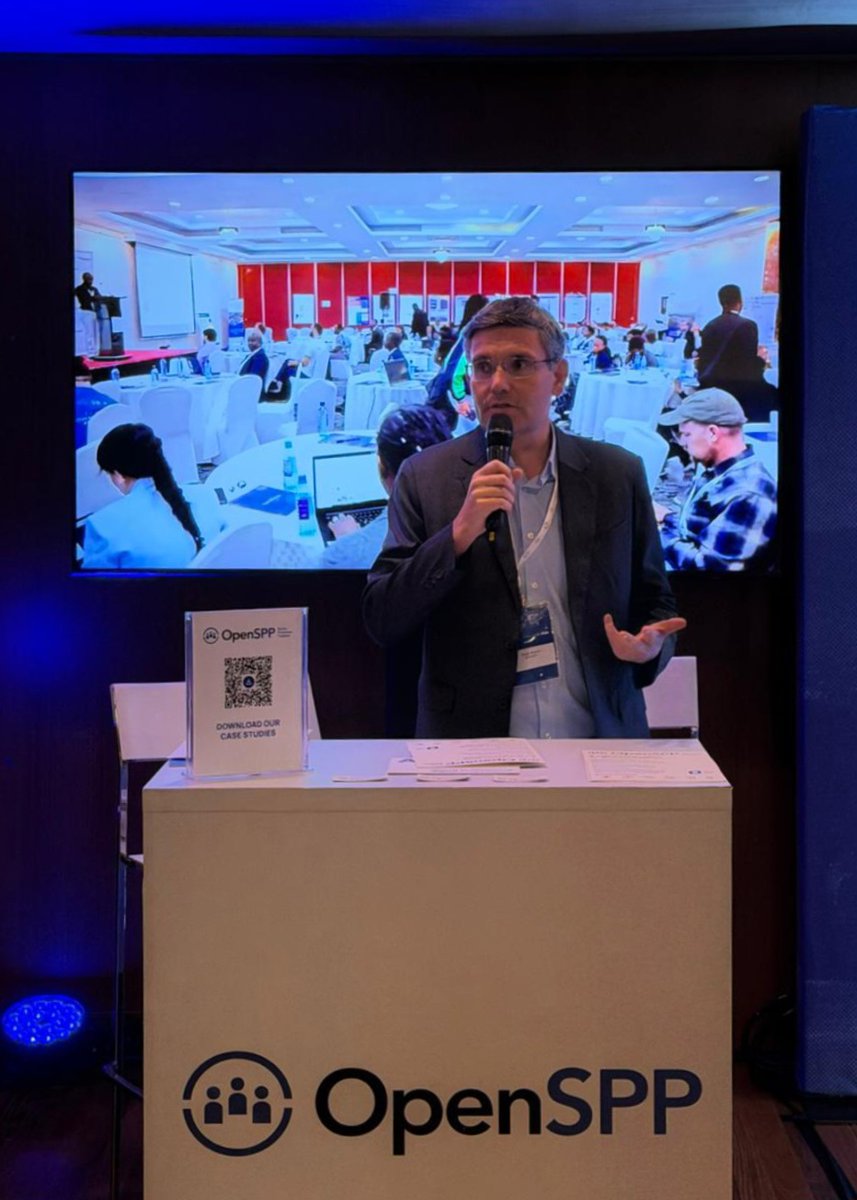
OpenSPP is at the #GlobalDPISummit 2025 in Cape Town, organized by @LetsCoDevelop, @ITU, @ODET_UN, the @WorldBank , and @UNDP.
Come meet us at our booth to see how open, interoperable registries can support social protection and agriculture, and how governments can safely leverage AI to move from policy to real-world delivery.
If you can’t join us on site, reach out to us online!
#GDPIS2025 #GlobalDPISummit2025 #DigitalPublicInfrastructure #SocialProtection #AgTech
Earlier this month, we concluded the pilot phase of the Lao Digital Farmer Registry, developed in partnership with the Ministry of Agriculture and Environment (MAE) as a Digital Public Infrastructure (#DPI) building block. The pilot demonstrated how fragmented datasets can be consolidated into a single, structured registry for better planning and program delivery.
Across programs and provinces, agricultural data in Lao PDR has historically lived in silos, with different projects using different formats and identifiers for Agricultural Production Groups (APGs), households, and individuals. This fragmentation made it difficult to build a clear and timely picture of the sector.
The pilot showed that it is possible to bring this data together in a dynamic, standardized, and reusable system. Based on the OpenSPP platform, the Lao Digital Farmer Registry can now provide a unified source of truth for agricultural data across 353 APGs, supporting timely analysis and more efficient delivery of services. The Digital Farmer Registry is ready to be scaled up and integrate the close to 10,000 APGs in Lao PDR, as well as collect data related to villages and farming households.
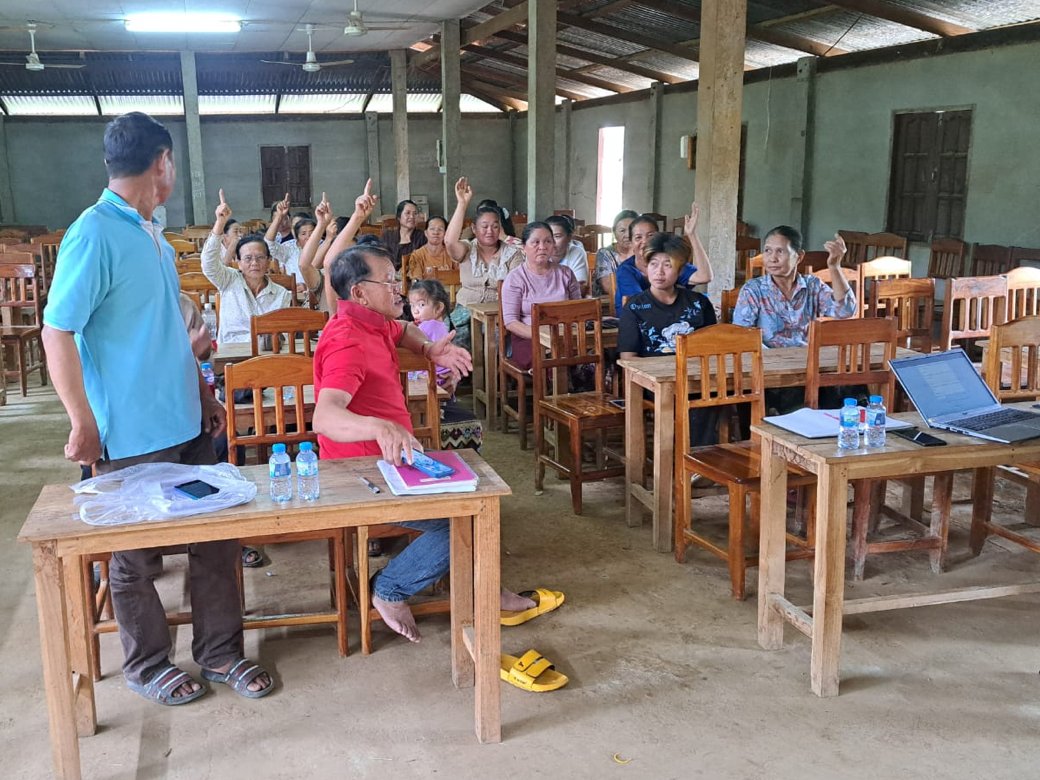
As a part of the pilot, the ID PASS DataCollect mobile app was developed to support offline data collection and management. The tool caters for the difficulties arising when working in remote areas and allows users to record changes in APGs or households. Once connectivity is available it can synchronize with the Lao Digital Farmer Registry, resulting in up-to-date information that can support the Ministry’s work.
We trained representatives from ProMIS, PICSA, and SRIWSM as well as over 40 Monitoring and Evaluation focal points to run a real-world pilot of the ID PASS DataCollect mobile app and assess its usability and impact in day-to-day data collection.
The pilot has laid the groundwork for a unified, interoperable system that can scale nationally and integrate with other components of Lao PDR’s Digital Public Infrastructure (#DPI).
We are grateful to the many individuals and partners whose contributions made this pilot a success, including:
– Dr. Phommy Inthichack, Deputy Director General, Department of Planning and Cooperation
– Ms. Bounthiene Vongkaysone, Deputy Director General, Department of Irrigation
– Mr. Khansawanh Sisopha, National Project Coordinator, SRIWSM-PICSA, Department of Irrigation
– Ms. Rachele Arcese, Programme Officer and Manager for Lao PDR portfolio, IFAD
– Mr. Soulivanh Pattivong, Country Programme Coordinator for Lao PDR, IFAD
– Mr. Franck Caussin, CTA, PICSA
– Mr. Kop Souksayphanh, M&E Officer, PICSA
– Mr. Sylvain Dorey, Dorey Consulting
We also extend our sincere appreciation to the @LetsCoDevelop team, in particular CV Madhukar, Elizabeth Ramey, Tim Wood, Lindsey Crumbaugh, Robert Karanja, Christine Kim, Aura Cifuentes, and Desire Kachenje for their support and strategic advice.
#DigitalPublicInfrastructure #DigitalPublicGoods #AgTech
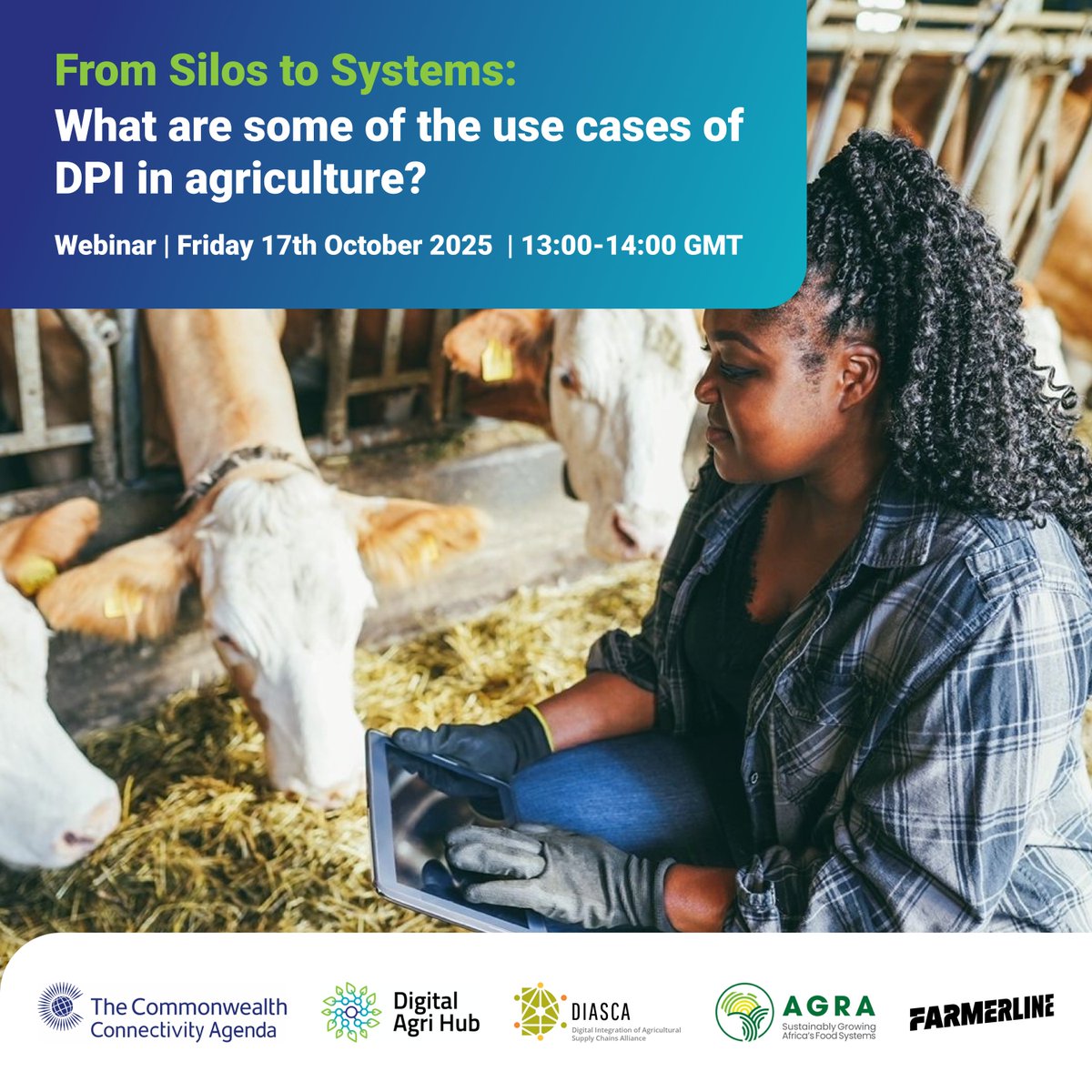
From Silos to Systems: What are some of the use cases of DPI in agriculture?
📅 Friday 17 October 2025
🕐 13:00 to 14:00 GMT
🌐 Online via Microsoft Teams
👉 Register at: https://t.co/RunQaowbWW
This webinar will draw from different cases of data exchange technologies and platforms within the agricultural sector. Experts will deliberate on the relationship between the foundational DPIs and sector DPIs being implemented by countries. It will also explore alignment of their implementation with the four components of #NAgDI.
Speakers and facilitators include:
👤 Benjamin Kwasi Addom, Adviser, Agriculture and Fisheries Trade Policy, Commonwealth Connectivity Agenda for Trade and Investment (CCA)
👤 Krishan Bheenick, Lead Consultant, Knowledge Management, Networking and Capacity Building (KMNCB) Associates, Knowledge Management Consultant to the Commonwealth Secretariat
👤 Marvin Nii Adom Armah, Senior Account Manager, Farmerline
👤 Tuntufye Laura Ntaukira, Digital Governance Analyst, UNDP
👤 Jeremi Joslin, Executive Director, OpenSPP
👤 Michel Mouchiroud, Director of Partnerships and Engagement, OpenSPP
👤 Greg Canto, Policy Analyst. Ministry of Agriculture, Food Security and Enterprise, Belize
👤 Ryad Moyashir Ratul, Junior Consultant, Crop Zoning Information System, BARC
#DigitalAgriHub #D4Ag #DPI #DigitalPublicInfrastructure
Three insightful days at the Asia Pacific Digital Transformation Forum 2025 in Manila!
Thanks to the Asian Development Bank (@ADB_HQ), the Japanese Ministry of Finance, the Technical Resource Lab (#TRL) and Co-Develop (@LetsCoDevelop), and especially Carolyn Florey, Micaela Reyes (@codemickeycode), Inhyok Kwon, for their work and event organization, and for demonstrating how DPGs collaborate to bring impact throughout user journeys (#MOSIP, @OpenCRVS, @Mojaloop, @OpenFn, @OpenG2P).
The forum emphasized open-source technologies as key for Asian and Pacific nations, highlighting their reusability, interoperability, cost-effectiveness, inclusivity, and data sovereignty—all central to OpenSPP.
We were proud to showcase OpenSPP's work in social protection and farmer registries, explaining how OpenSPP enhances policy and service delivery, unlocks transformative benefits for citizens by leveraging identity, payment, and data exchange systems, and helps to build them where they do not exist.
Digital Public Infrastructure (DPI) is the foundation for a modern relationship between states and citizens. We're thrilled to partner with so many institutions, companies, and DPGs to make technology work for people, and we look forward to working more with ADB and Asian and Pacific countries.
#DigitalTransformation #AsiaPacific #OpenSource #DataSovereignty #DigitalPublicGoods #DPI #SocialProtection #Agriculture
This week at #ID4Africa2025 in Addis Ababa, Ethiopia, OpenSPP joined the “Digital Public Goods in Use” session moderated by Bolaji Ayodeji (@iambolajiayo) of the @DPGAlliance.
@jeremi Joslin (Executive Director, OpenSPP) and Ms. Janaki Amaratunge (Additional Secretary, Fertilizer Division, Government of Sri Lanka) presented how #SriLanka is modernizing its fertilizer subsidy program through Digital Public Infrastructure using OpenSPP.
Together with fellow #DPGs @OpenG2P, MOSIP, and openIMIS, OpenSPP highlighted how Digital Public Goods are helping address real-world challenges and enable more inclusive, transparent, and effective public service delivery.
#ID4Africa #DPI #DPG #TechForGood #DigitalPublicGoods #AgTech