Any pursuit of superintelligence has to be grounded in the core principle that if the AI we build is not helping humanity and under human control, it's not worth pursuing.
We also need to accelerate and spread the benefits of AI, such that they are diffused broadly across countries, communities, and companies. This requires a frontier ecosystem in which both closed and open-source models can thrive.
And for firms, it’s imperative that they retain full control over their unique and tacit knowledge. Every organization should be able to build its own continuous learning loop/hill climbing machine, without becoming dependent on any one model provider, and have the ability to embed its own knowledge into models and weights they control.
So, in this context, we welcome the research, focus, and deliberate pacing needed to get alignment right as the design goal. We also welcome ideas like "embedded evaluators" and the broader efforts to develop the mechanisms to make this more than just talk.
The key is that this cannot be controlled by a handful of entities, but must have broad representation across the ecosystem, countries, and fields, including academia.
This is the approach we are taking: broad access and choice at every layer of the AI stack; enterprise control of learning loops and models; and the “Code of Conduct” that underlies our own first party MAI models that we’ll publish tomorrow for public consultation.
AI isn’t going away. Barring unprecedented global government coordination, it isn’t even slowing down.
The only real decision is whether to centralize power, or disperse it.
Do you fear the technology? Or a small number of people controlling the technology?
I just fixed my dishwasher with the help of ChatGPT. A trivial task. I had been about to order a new one. So this software has increased the country's real wealth yet decreased the measured GDP. The main economic indicator is structurally incapable of registering the thing that actually makes people better off, namely the growth of knowledge
A fun thing Tesla could do: map pot holes and generally measure road quality/ride smoothness.
Then rank municipalities on road quality and how quickly they fix potholes. Some good ol’ fashion competition might help make things better!
Bots should be able to "call" you like a phone call on your phone. You can pick up or let them go to "voicemail", just like a normal human interaction
Then when I'm out and about if a bot needs my attention they can "call" me
Maybe it's not a real phone call but it looks / acts like one on your phone. Possibly better if it was a real phone call
There's a long history of gimmicky car technology
So when ppl hear that you have to supervise it, their brain just shuts off
They think it's not ready. Maybe not even safe. "It's supposed to drive itself, but it doesn't"
So they don't even start the conversation. They're not interested in test driving. And even if they do, probably not long enough to really understand how it would affect them
We have reached an era where some people have not touched a steering wheel and have simply let their cars drive them around for a whole year, whereas others do not know this is possible at all.
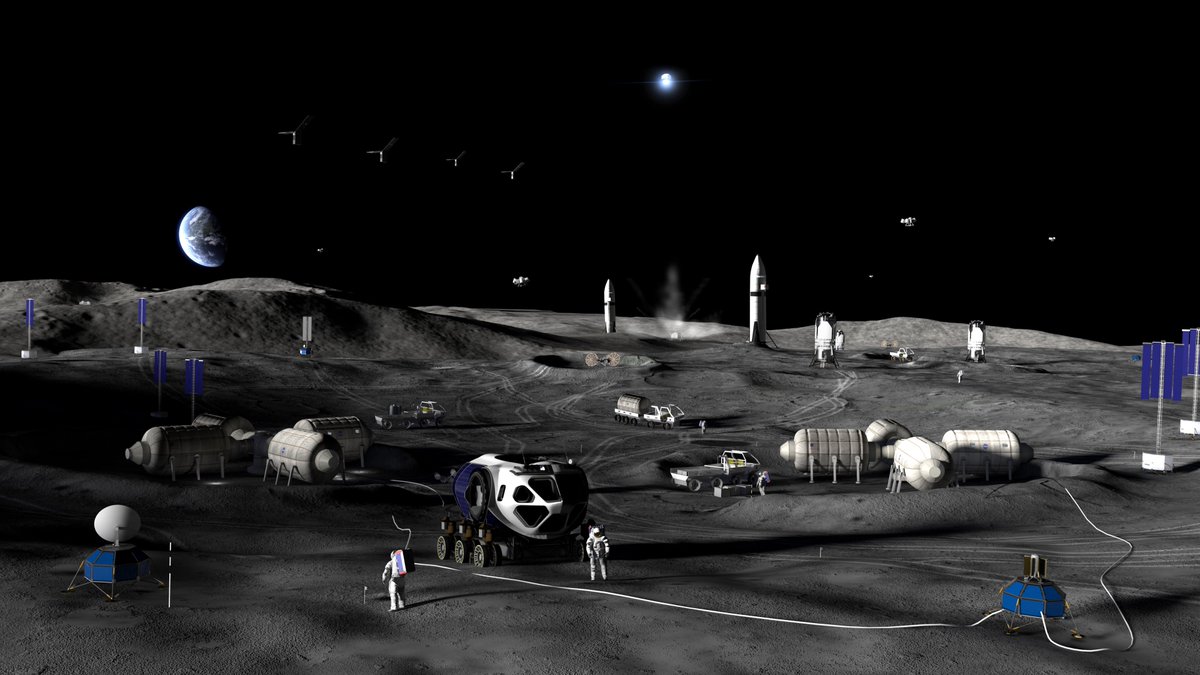
To build a sustained human presence on the Moon, we are building @NASAMoonBase, prioritizing surface operations and scalable infrastructure.
- Frequent robotic landings and mobility testing including MoonFall drones
- Starting in 2027 nearly monthly cadence of equipment and rovers with scientific payloads landing on the Moon.
- Investments in power, communications, and surface mobility
- Scalable infrastructure to support long-term human presence
The objective is clear: build the foundation for an enduring lunar base and take the next step toward Mars.
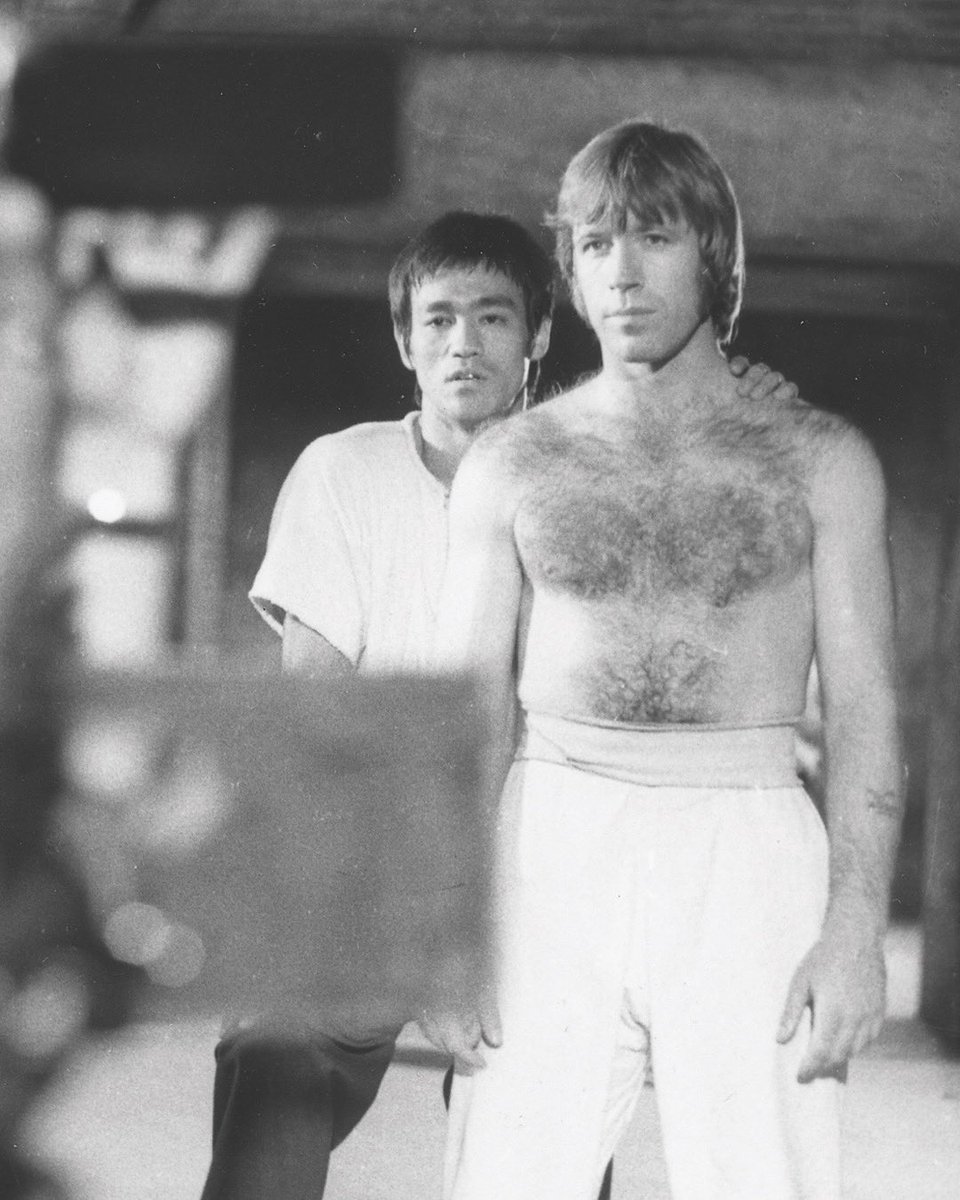
this really is a goated image and our society is shitmaxxing so its not plastered everywhere you look but in any other age this would be permanently iconic