Security teams have gotten very good at responding to threats faster. ORDR CEO Pandian Gnanaprakasam argues that's no longer the goal.
By moving part of the budget out of the daily firefight and into structural fixes, you make whole categories of risk disappear.
Vulnerabilities are found faster than devices can be patched. Device segmentation cuts what each infusion pump, imaging system or PLC can reach, so a new flaw has far less room to move: https://t.co/64gCAXXj58
A proposed HIPAA update would make network segmentation required.
Troy Arnold points out this would ask a lot of hospitals that are already stretched thin. The place to knowing what is connected and what each device needs to reach, so segmentation stops being a manual project.
A complete device inventory lowers risk only when something can act on what it finds.
🆕 New guide: the self-assessment questions that show where a connected-device security program stands today: https://t.co/gXOuE192Zt
ORDR Director of Healthcare Product Development Ben Stock joined @MayoClinic and @HealthISAC on a Cybersecurity Summit panel on what a vulnerability score leaves out: how a device behaves and what it is exposed to in practice.
It was a great discussion!
Attackers got the same AI defenders do, and they rewrite their strategy daily.
ORDR Co-Founder and CEO Pandian Gnanaprakasam on a defense that does not depend on out-running them: decide what each device can reach externally, then enforce exactly that.
The ORDR Healthcare User Group wrapped yesterday in Minnesota. 🙌
We spent two days with health system security, IT, clinical engineering and biomed teams, finishing out with bowling and a happy hour. 🎳
It was great to spend real time with the people in our community!
The ORDR Healthcare User Group kicked off last night over dinner in Edina, Minnesota.
Security, IT, networking, clinical engineering and biomed leaders from health systems around the country all gathered for honest conversations and good food. More to come!
Security funding for these organizations is patient safety funding. The two stopped being separate categories a long time ago.
The post-election spending conversation should include this: https://t.co/0so4Dkk4NL
We rounded up five connected device stories this week. Four of them involve hardware that can’t be patched clean. What can reach the device is the control you have left. Full roundup ⬇️
https://t.co/LtXo1bCV3i
AI speeds up device classification. But the validated device data underneath it still takes years to build. 💯
ORDR CEO Pandian Gnanaprakasam wrote about what it takes to identify a device you can’t touch, can’t patch and can’t take offline: https://t.co/T1SKCUul2M
Hackers hit European supermarket fridge controllers twice in three weeks, using the same route. Patching fixed the devices but left their access wide open. ORDR’s Zero Trust segmentation limits a compromised controller to what its job requires.
More here: https://t.co/E3FKAkgBj7
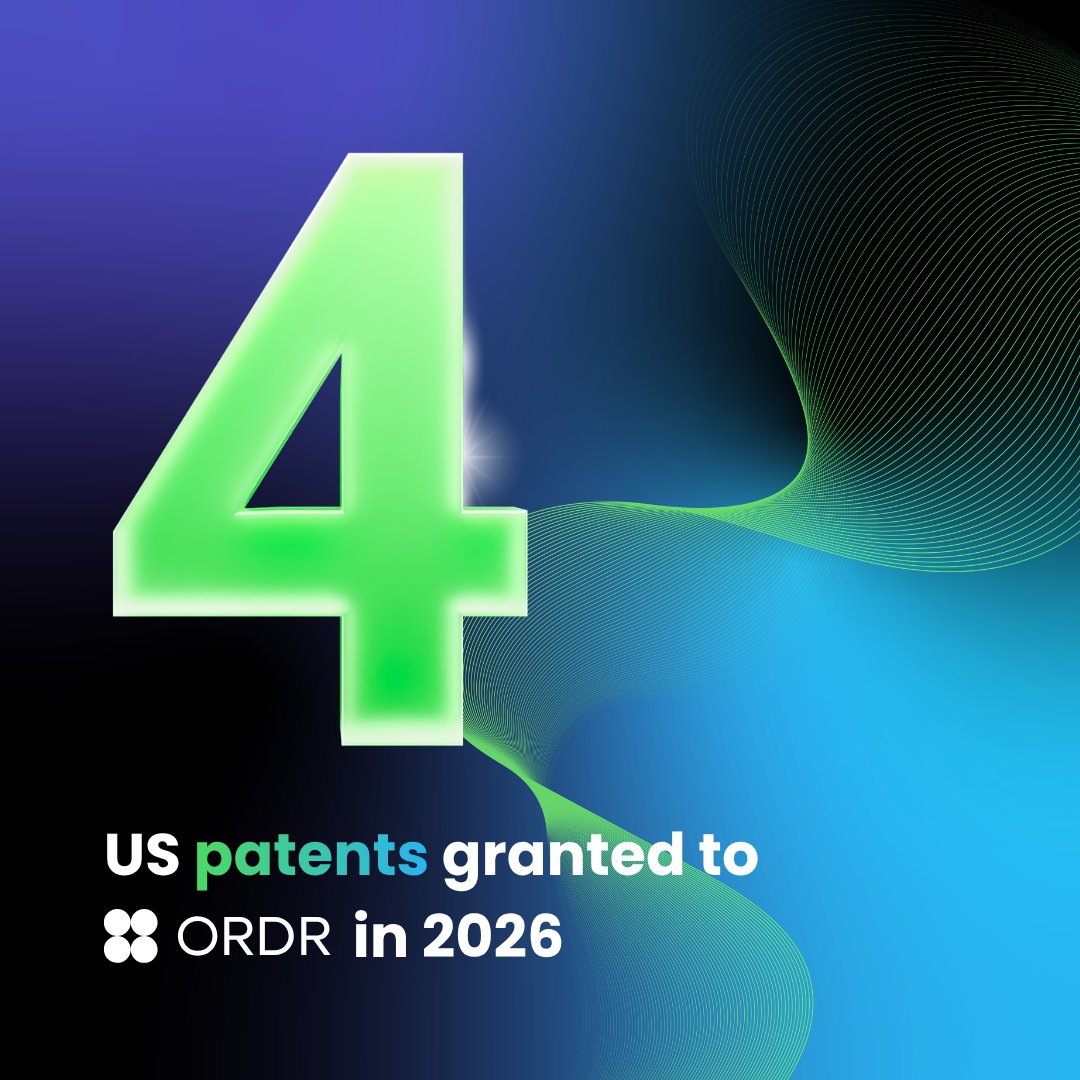
2026 has been a big year for the inventive minds of ORDR! 🚀 Four US patents granted between May and September, with nine people from the engineering team named across them. Congratulations to all of them. 🎉 We love to see this innovation on our team.
Happy Halloween 🎃 The scariest sentence in security is still “you don’t know what you don’t know.”
Find every device, learn what it normally talks to, fence off the rest. No patch required. (Except the pumpkin patch!)
October ends this week. And with it, Cybersecurity Awareness Month comes to a close. The devices are still out there, though. Are you securing them? Do you know they're there?
Teams evaluating ORDR IQ ask early on how much the AI decides by itself. 🧑⚖️ The orchestration is AI. The exact syntax for that switch and that firewall was written by ORDR engineers who have done it in real environments.
For Cybersecurity Awareness Month, let's get into what ORDR and @Cisco make possible together: segmentation enforced in days through the ISE, SDA and Meraki infrastructure customers already run. https://t.co/uTynIRQEXy
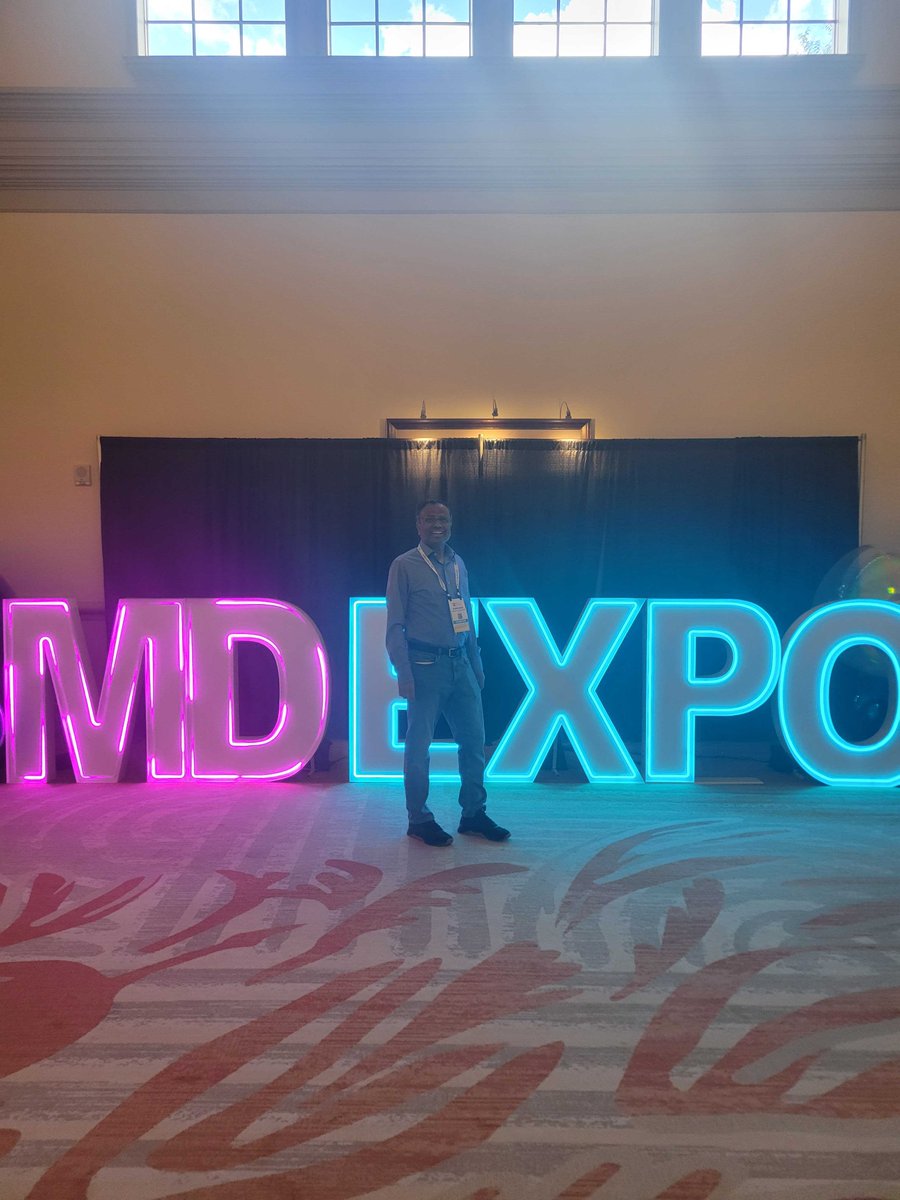
The best part of day one at MD Expo was watching people find out they’re all working on the same puzzle. 🧩 Biomed keeps an inventory, facilities keeps one, security keeps one, and the device touching all three gets described three different ways. #MDExpo
Find us at booth #703!
Five things that reduce real risk:
1. Build device inventory from network traffic
2. Rotate vendor remote access and service accounts
3. Treat end-of-life gear as a network problem
4. Write segmentation policy from observed behavior
5. Alert on new destinations before new devices
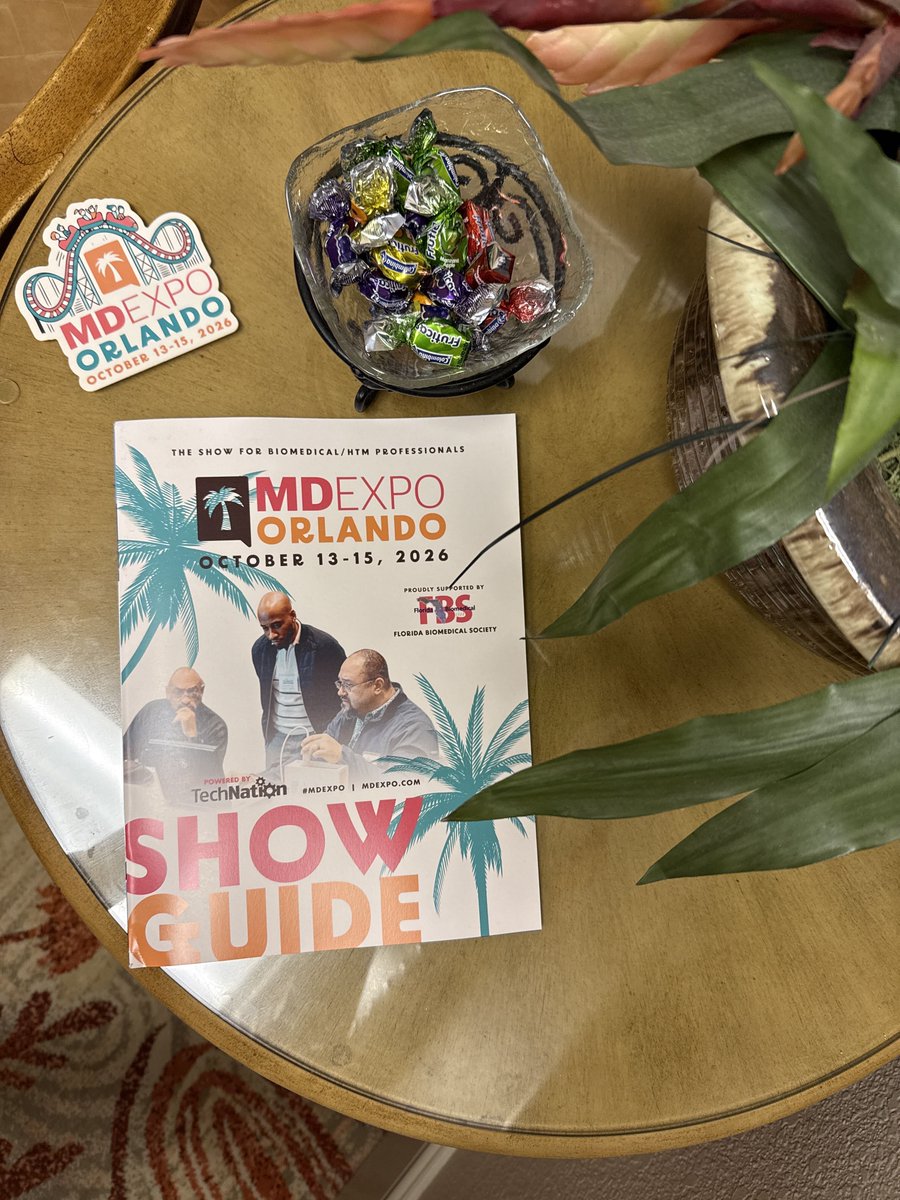
MD Expo is in Orlando this week and the HTM community is out in force. ORDR is at booth 703 October 13 to 15 with demos running. What’s the device question you’d want answered in seconds? Bring it over!
Book a demo: https://t.co/HrTtzoG3Bf
Refrigeration controllers in hundreds of French supermarkets got pushed into heating cycles. Coverage blames old firmware.
A more useful question: how an attacker reached them?
ORDR CEO Pandian Gnanaprakasam wrote about how this happens. https://t.co/GGa1ImsWtn