“The real surprise from the OECD’s subsidy numbers is that it cost China less than $18bn in sectoral support over 15 years to build an industry that can now provide more clean power than the world can readily absorb.”
Investigadores británicos prueban con datos de Vigo un sistema para apilar contenedores de forma más eficaz y sostenible
📌 La solución aplicada a la terminal viguesa reduce los movimientos improductivos alrededor de un 74%
✍️ Escribe @SandraPenelas https://t.co/YAhMZRfgG5
Sen rebaixar a euforia, non debemos desligar a nova de SAIC / MG no renovado eixo Ferrol - As Pontes doutras prioridades que requerirán enorme coordinación
🧵 7 puntos rápidos
- Minerais críticos: extracción de cobalto e litio na contorna para salvar os arenceis - o eléctrico require varios minerais adicionais e cantidades ata 6 veces superiores respecto ao motor de combustión interna
JUST DROPPED: For years I thought industrial electrification potential was limited.
How wrong I was.
Engineering studies point to 90%+. Global scenarios support this.
Technology is much further ahead than we think. Question is whether policy keeps up.
https://t.co/I09uvE76C6
I think the framing in the very paltry FT article is very unhelpful: everyone knew that Italy is still a basket case institutionally and that it would have problems effectively deploying investment, largely due to lack of local capacity.
But Italian investment has surged and the economy is finally showing some signs of life after two decades of stagnation––despite how comically inefficient programmes like the super bonus were.
If anything this is a proof of concept: what Italy needed and needs more of is growth and big fiscal works.
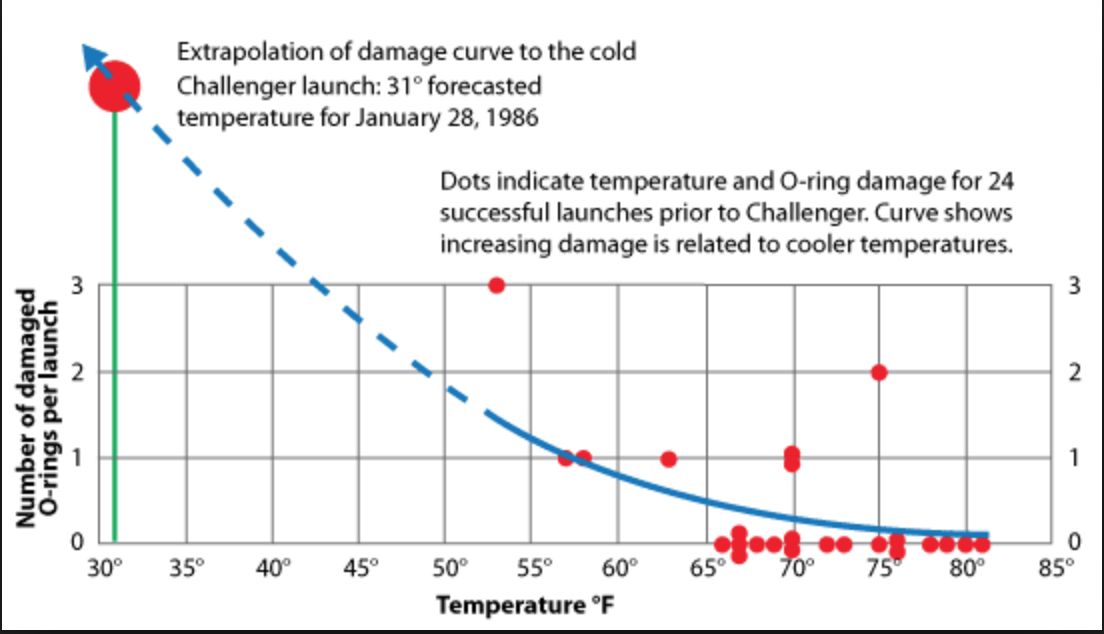
📊El error gráfico que costó 7 vidas y una lección sobre el "Sesgo de Selección"
¿Sabías que el desastre del transbordador espacial Challenger en 1986 no ocurrió por falta de datos, sino por un error catastrófico al elegir cuáles datos mostrar?
Lecciones para tu próximo gráfico👇
Anytime solar is here
>Cost of a typical utility-scale battery installation collapsed over half since 2022
>In 2025 alone, costs plunged another 27% according to BloombergNEF
The math today:
>Real-world, 24/7 firm renewable systems are undercutting fossil legacy grids right now
>As an example, Abu Dhabi’s Al Dhafra project:
[5GW solar array peak capacity]
+ [large-scale utility storage]
= 1GW of round-the-clock clean power at an overall cost of $70/MWh (IRENA)
That’s compared to the Lazard cost curve for new gas-fired plants, which climbs up to $109/MWh. In major energy markets, new-build round-the-clock clean power is already achievable at a lower cost than erecting new coal infrastructure
Renewable-plus-storage systems can now reliably deliver electricity for more than 95% of the time at competitive costs in economies like China, India, and Brazil
The conventional wisdom that you permanently need a fossil "baseload" is OBSOLETE and grids are shifting to a model where thermal plants are forced into a limited backup role
Discussions 🇪🇸🇯🇵 sur un « accord-cadre » concernant notamment l' « échange de capacités industrielles et technologiques ».
▪️ Ex : MHI🇯🇵 n'a pas de filiale en 🇦🇺 pour construire des Upgraded Mogami (SEA 3000, contrat 18 avril 2026). Navantia🇪🇸 : sí.
👉: https://t.co/k8MSeAB9CC
terrible. 20 yrs ago, the internet was full of hobbyist blogs and forums. over time, these have been replaced by paywalled substacks and private discord channels, each a walled garden. google's decision to prioritize AI just makes it less likely ppl will create free, public info





![AssaadRazzouk's tweet photo. Anytime solar is here
>Cost of a typical utility-scale battery installation collapsed over half since 2022
>In 2025 alone, costs plunged another 27% according to BloombergNEF
The math today:
>Real-world, 24/7 firm renewable systems are undercutting fossil legacy grids right now
>As an example, Abu Dhabi’s Al Dhafra project:
[5GW solar array peak capacity]
+ [large-scale utility storage]
= 1GW of round-the-clock clean power at an overall cost of $70/MWh (IRENA)
That’s compared to the Lazard cost curve for new gas-fired plants, which climbs up to $109/MWh. In major energy markets, new-build round-the-clock clean power is already achievable at a lower cost than erecting new coal infrastructure
Renewable-plus-storage systems can now reliably deliver electricity for more than 95% of the time at competitive costs in economies like China, India, and Brazil
The conventional wisdom that you permanently need a fossil "baseload" is OBSOLETE and grids are shifting to a model where thermal plants are forced into a limited backup role](https://pbs.twimg.com/media/HJPYVO5a0AA8oji.jpg)


