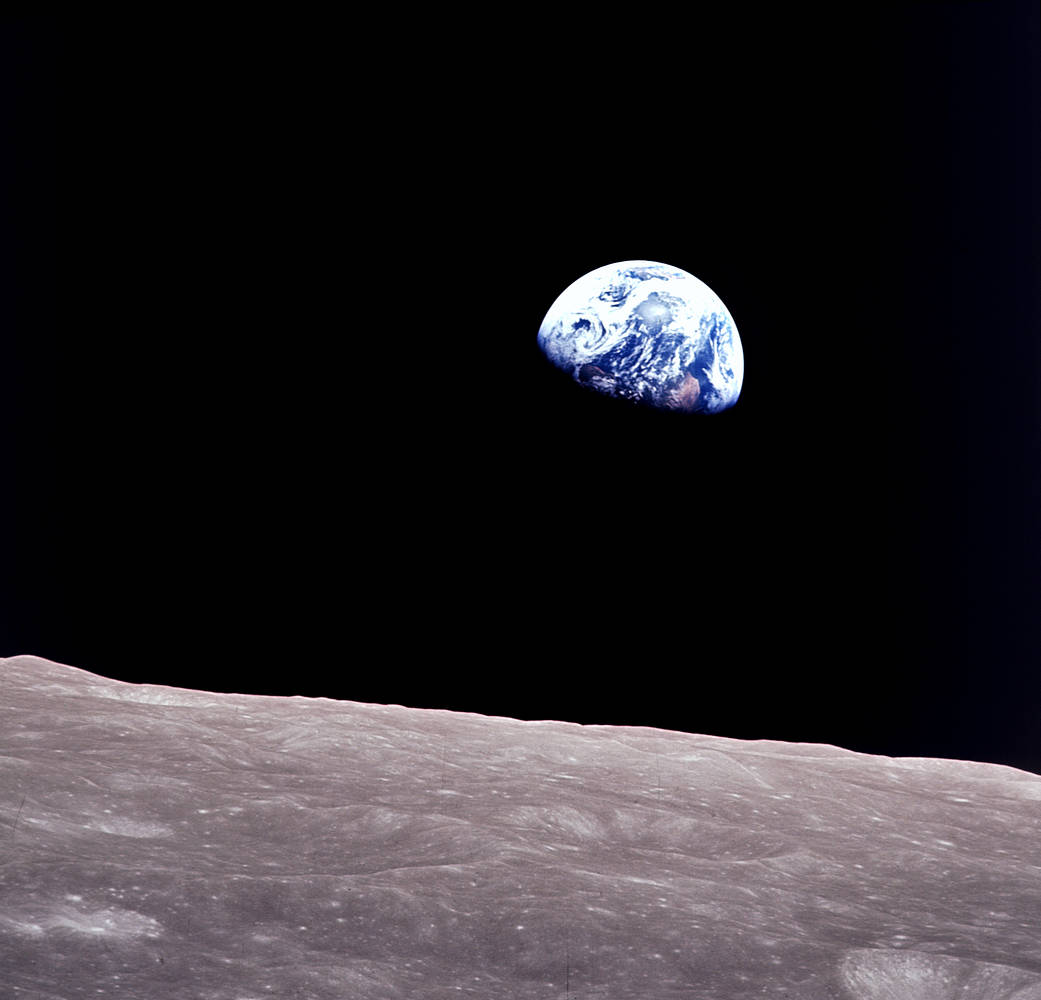
"Merry Christmas, and God bless all of you—all of you on the good Earth"
Astronauts orbited the Moon for the first time in history on Christmas Eve, 1968. On their fourth orbit, they captured the sight of the Earth rising over the Moon's horizon, a photo dubbed "Earthrise."
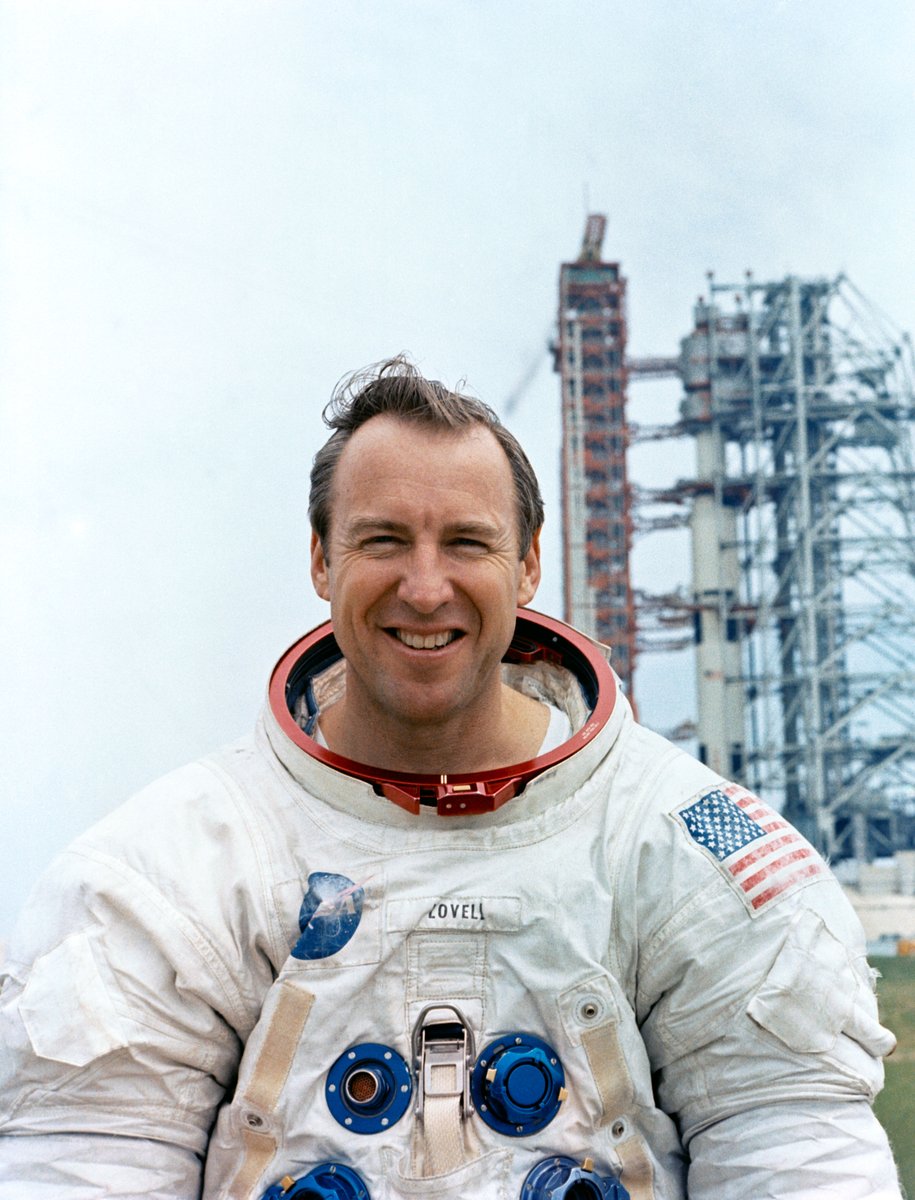
We are saddened by the passing of Jim Lovell, commander of Apollo 13 and a four-time spaceflight veteran.
Lovell's life and work inspired millions. His courage under pressure helped forge our path to the Moon and beyond—a journey that continues today. https://t.co/AjT8qmxsZI
Un homenaje al periodista Hernán Olguín (Q.E.P.D) quien falleció un 27 de julio de 1987. Ícono del periodismo científico, a cargo de la conducción del programa "Mundo". Video vía REC TV
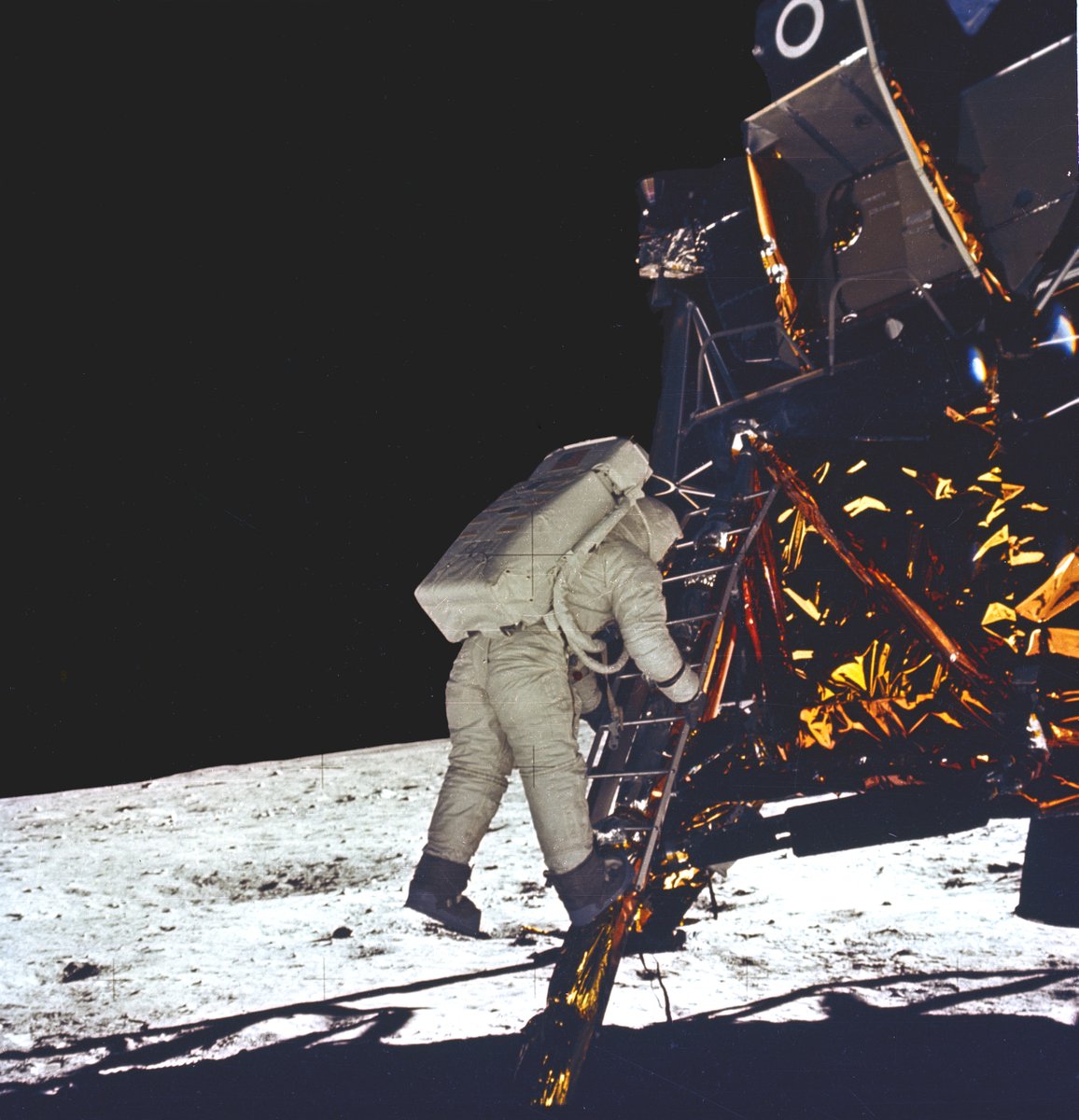
On July 20, 1969, Neil Armstrong and Buzz Aldrin stepped onto the Moon—and with them, the world took a giant leap. That moment sparked a legacy of exploration that continues today as @NASA and its partners advance toward Artemis II and prepare for the next great frontier: Mars.
Happy summer solstice! 🌞
This year's solstice happened at exactly 04:42 AM CEST, the moment the Sun reached its northernmost point in the sky.
Seen from space, Earth puts on quite the show. These views capture a full year of shifting light and shadow, from one June solstice to the next.
At this point in our orbit, the day–night line (known as the terminator) is tilted at its most dramatic angle. The Northern Hemisphere gets its longest day of the year, while the Southern Hemisphere experiences its shortest.
Arguably the most intelligent photo ever taken ✍️
Solvay Conference on quantum mechanics at the Institute International de Physique Solvay, Brussels, Belgium, in 1927. 17 of the 29 attendees were or became Nobel Prize winners.
“Cuando nuestros genes no pudieron almacenar toda la información necesaria para sobrevivir, los inventamos lentamente. Pero luego llegó el momento, tal vez hace diez mil años, en que necesitábamos saber más de lo que podía caber convenientemente en el cerebro. Entonces aprendimos a almacenar enormes cantidades de información fuera de nuestros cuerpos. Somos la única especie en el planeta, hasta donde sabemos, que ha inventado una forma de memoria comunitaria que se almacena más allá de nuestros genes. El almacén de esta memoria se llama biblioteca. Un libro está hecho de un árbol. Míralo y escucharás la voz de otra persona, tal vez alguien que ha estado muerto durante miles de años. A lo largo de milenios, el autor ha estado hablando, clara y silenciosamente, dentro de tu cabeza, directamente a ti. La escritura es quizás el mayor de los inventos humanos, que une a personas, ciudadanos de tiempos lejanos que nunca se han conocido. Los libros rompen las cadenas del tiempo, prueba de que los humanos pueden hacer magia.”
Carl Sagan