Brush up on MERMAID science at #AGU24! Mon 16:30 Joel D. SIMON (Oral S14A-04) | Tue 13:40 Alexander PACUBAS (Poster V23C-3339) | Thu 14:10 Frederik J SIMONS (Oral S43E-01) | Thu 17:00 Sirawich PIPATPRATHANPORN (Oral S44B-07). And visit @osean_tech at the Exhibit!
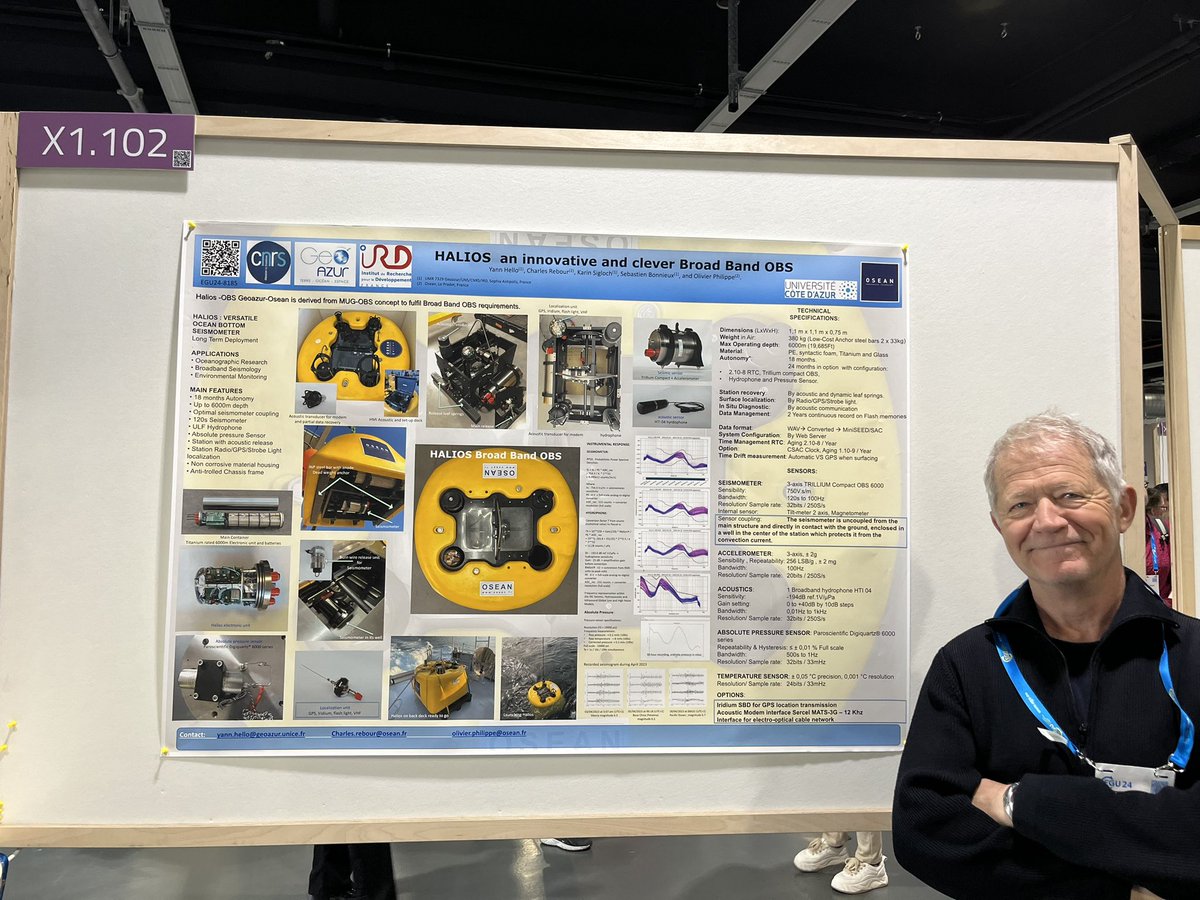
Félicitation à QuietOcean pour ce beau projet et Merci d'avoir fait confiance à OSEAN pour le développement des modules acoustiques.
https://t.co/WtmoRTlFgv via @franceinfo
Thursday, 18 April, 10:45–12:30 (CEST)@EGU_Seismo Hall X1 | X1.109. See Dalija Namjesnik's take on exactly how much free-floating MERMAIDs contribute to detecting and locating (tele)seismic events worldwide. Hint: a lot! With @ISCseism and @umrGeoazur.
SIX years ago, this iconic photo by Alex Burky showed a third-generation MERMAID instrument rinsed off after her mer-maiden voyage which showed that earthquakes could be recorded in marine areas by independent divers! The photo was published a year later in @ScienceMagazine.
Our MERMAIDs heard the 15 January 2022 Hunga Tonga-Hunga Ha`apai eruption! We see particularly coherent signals near the speed of sound in water (~1.5 km/s). Data from many more MERMAIDs have been requested to study the blast.
It’s official! The Intergovernmental Oceanographic Commission of UNESCO endorsed EarthScope-Oceans as a Decade Action under the umbrella of the UN Decade of Ocean Science for Sustainable Development (2021-2030). https://t.co/TBABpxtRCn
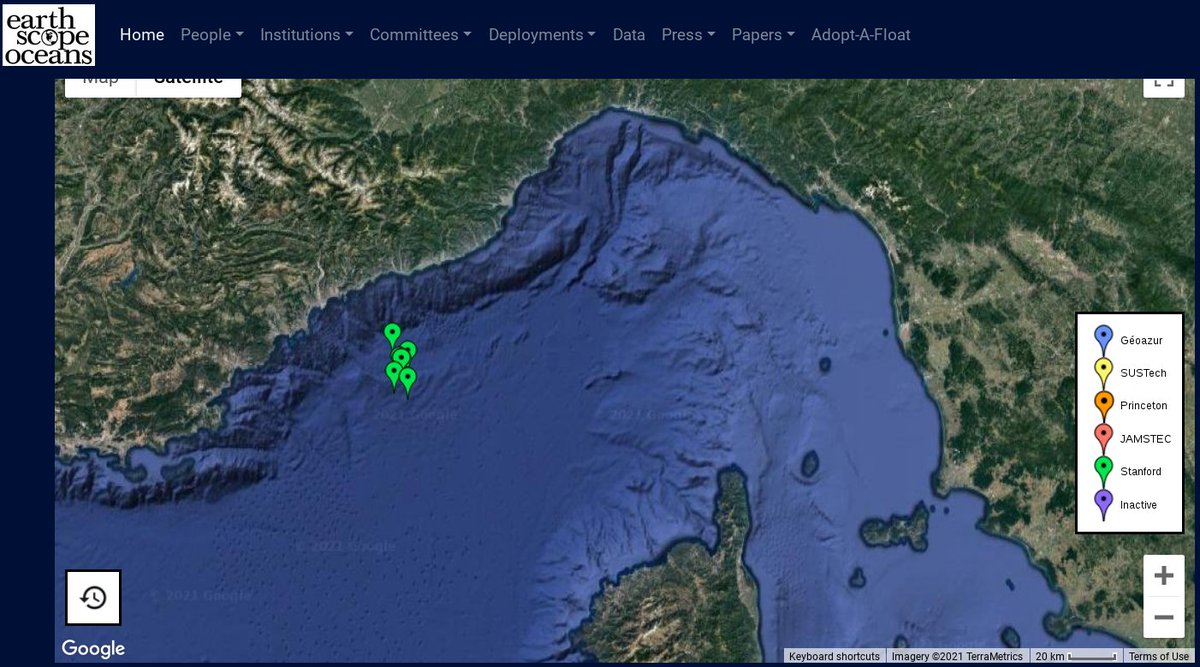
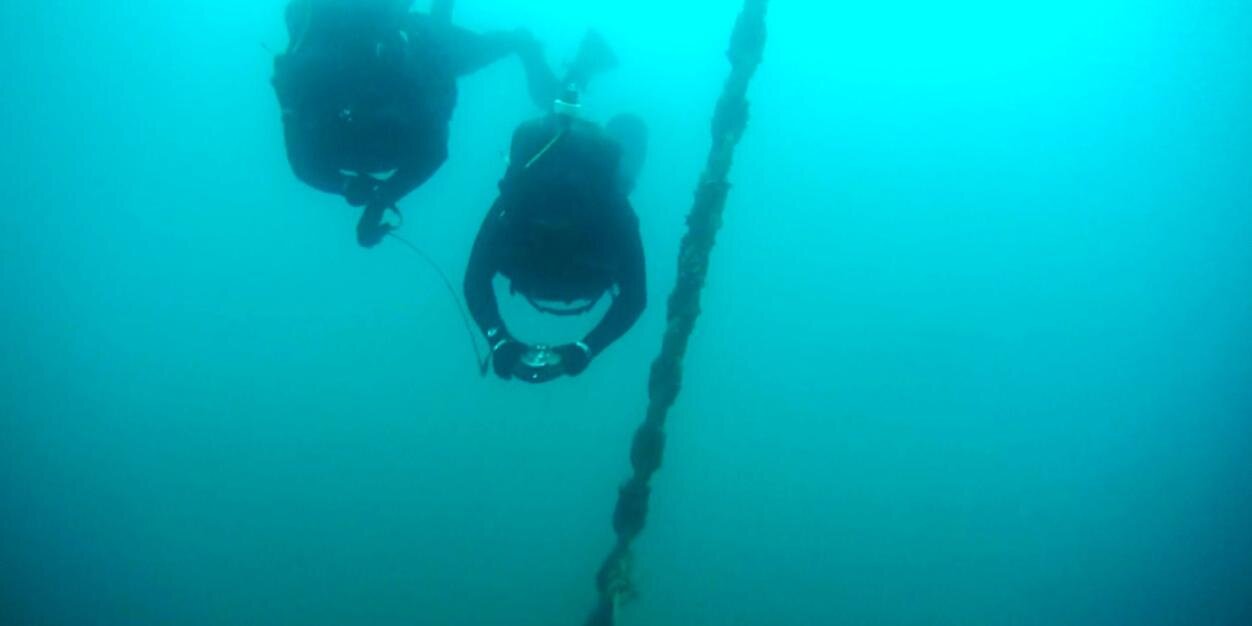
Move over, Club Med! @yann_hello@umrGeoazur and @osean_tech successfully launch @lucia_gualtieri's seven @StanfordEarth MERMAID floats in the Mediterranean. Rather than capturing and reporting earthquakes these new instrument models are studying the ambient acoustic noise field.