Your computer, finally personal.
Today we're launching Glaze, the second product in Raycast's history. It's a big moment for us, and I want to share the thinking behind it.
Something is fundamentally changing about software. We see it every day inside our own team. People who never wrote a line of code are now contributing directly to our codebase. The barrier between "having an idea" and "making it real" is collapsing. And that changes everything.
For six years, we've obsessed over what makes a great desktop app. The speed. The polish. The feeling of something that truly belongs on your computer. We've poured that into Raycast, and hundreds of thousands of people use it every day. But all that knowledge was locked inside our team.
With Glaze, we're commoditizing it. Everything we've learned about building beautiful, capable desktop apps is now available to everyone. Tell Glaze what you want and it builds a real app that lives in your dock or taskbar. It launches instantly, works offline, and taps into the full power of your desktop. Beautiful by default and personal when you want it to be.
It's fun for individuals and works just as well for teams. Our support team built a Glaze app connected to GitHub that runs their entire extension review workflow. Others have built dozens of internal tools. When you can shape software around how your team actually works, everything clicks.
Here's what gets me most excited: we think Raycast becomes even more important in a world full of Glaze apps. Glaze apps will be deeply integrated with Raycast, connecting them all together in ways nobody else can do. The two products make each other better.
A small team started building Glaze from scratch last summer. What they've shipped in that time still blows my mind. When we started Raycast, we set out to change how people use their computers. Glaze is the next chapter of that mission.
We're opening the private beta today, March 4th. Mac only to start. Existing Raycast users will get priority access soon. We can't wait to see what you create and I’ll share some of my apps over the next couple of days.
💠
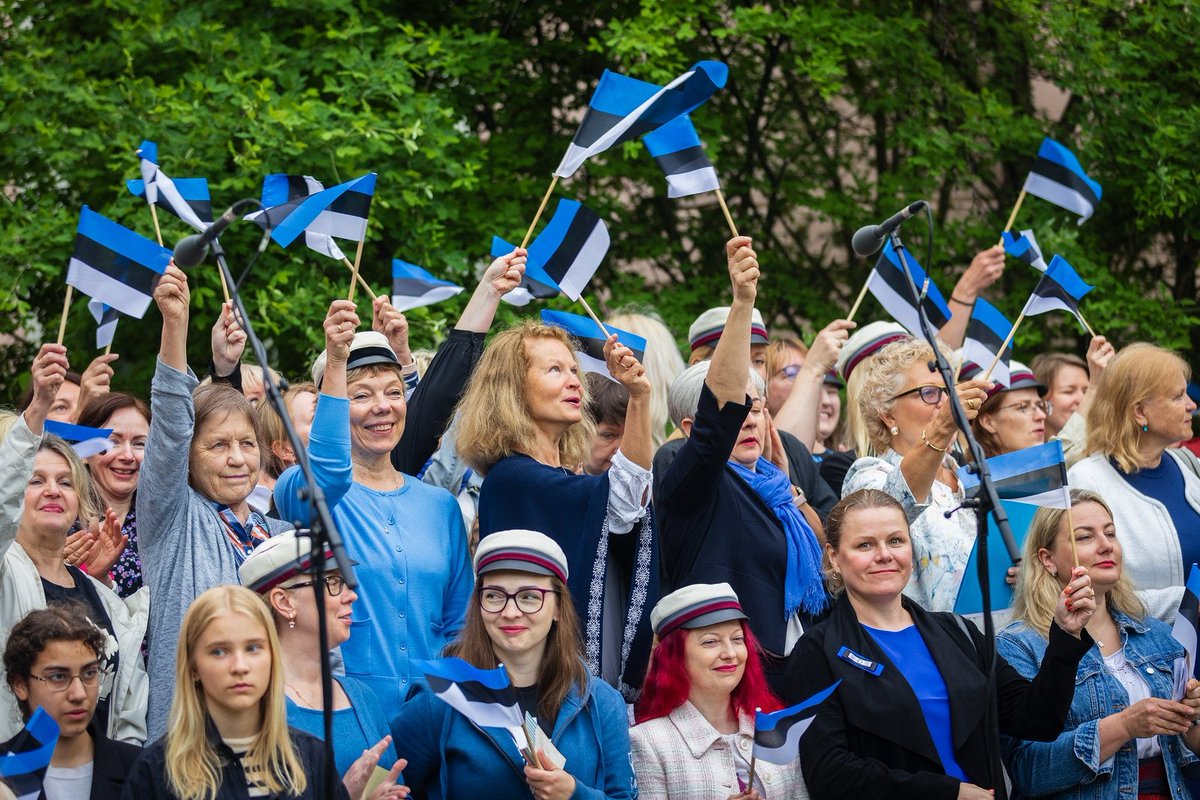
Today, we celebrate 140 years of our national flag.
Blue, black, and white were adopted as the colours of Estonian Students’ Society in 1884, it became our national flag in 1918.
It’s an important symbol of Estonian identity and independence. Wave it proudly today and always.
1/This weekend a few hundred early Skypers gathered in Tallinn to celebrate 20 years from the first beta release of Skype, on August 23rd, 2003. #skype20
Here's a thread on how this company left a dent.
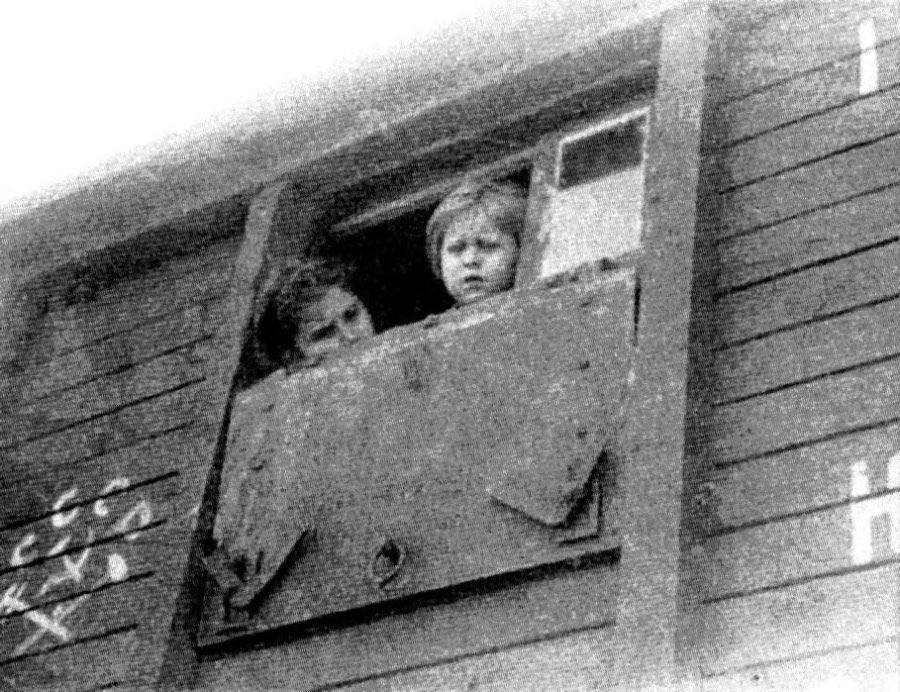
OTD in 1949 Operation Priboi started. USSR forcibly deported *90,000* Baltic people to 'inhospitable parts' of Russia. 70% of those deported were women & children under 16.
Imagine mass deporting children today....
Today we remember the March deportations.
On 25 March 1949, the Soviet Union resumed its mass deportations in the Baltic states, mostly targeting women & children. Even babies, pregnant women, and separated children were snatched in the night, packed into cattle wagons, and dispersed across remote parts of Russia in labour camps where they faced hunger, cold, and brutality. Many died on the way or shortly after arrival. Some were even settled in nuclear testing fallout zones.
The first wave of mass deportations took place in 1941 after the Soviet Union - in collusion with the Nazis - had first invaded & illegally annexed the Baltic states. The main aim then was state decapitation.
This second wave was much broader, named Operation Priboi (Breaker’). It was mostly targeted at rural communities, ultimately aimed at breaking society and national identity, while providing more hard labour inside Russia.
Around a quarter of the population fell into the Soviet category of ‘undesirables’. However, the snatching was chaotic. Many families were taken randomly just to fill quotas when the listed family couldn’t be found. Some were taken for just having similar names to those listed. Some local collaborators just wanted to settle scores.
Deportations also continued regularly outside of these mass waves.
It’s estimated that about 200,000 were deported just from the occupied Baltic states & a further 6 million forcibly transferred in total by the Soviet Union, mostly based on ethnicity (either by removing entire ethnic groups or targeting ‘undesirables’ specifically within ethnic groups).
Even the Soviet Union eventually denounced its own mass deportations. They were described as “monstrous acts” by Khrushchev & “terrible felonies” by the Supreme Soviet in 1989.
I’m not gonna do the usual screenshotting of bad takes here. The bigger problem is how little the world has learnt about it at all to even have any takes. That’s how history repeats, as we see in the mass deportations that Moscow has resumed in Ukraine today. It’s one part of Russia’s genocidal war that the world finds difficult to comprehend. Some media reports even repeat the nonsense characterisation of it as ‘evacuations’. But mass deportations are key to understanding how Russia intends to consume captured territory. It’s delusional to think you can achieve any peace by giving up on lands and lives already stolen. Every inch of territory consumed only emboldens it to consume more.
But hope remains. The Soviets quietly praised themselves for carrying out the mass deportations in the Baltics. But, many historians argue these crimes were also a major political mistake. They deepened opposition to occupation. The topic was heavily censored but people never forgot. That anger eventually spilled out into the open during the Singing Revolution in the Baltics, leading to the restoration of the modern, independent, vibrant, fully restored states we live in here today.
In the Baltics today, candles will be lit, names of victims will be read out, and displays will fill public squares. Unfortunately, we are no longer just remembering history but all those in Ukraine facing it today.
Join us - in any way you can - to remember the mass deportations and help consign this brutality back into history.
A brief history of Russia (1/8)
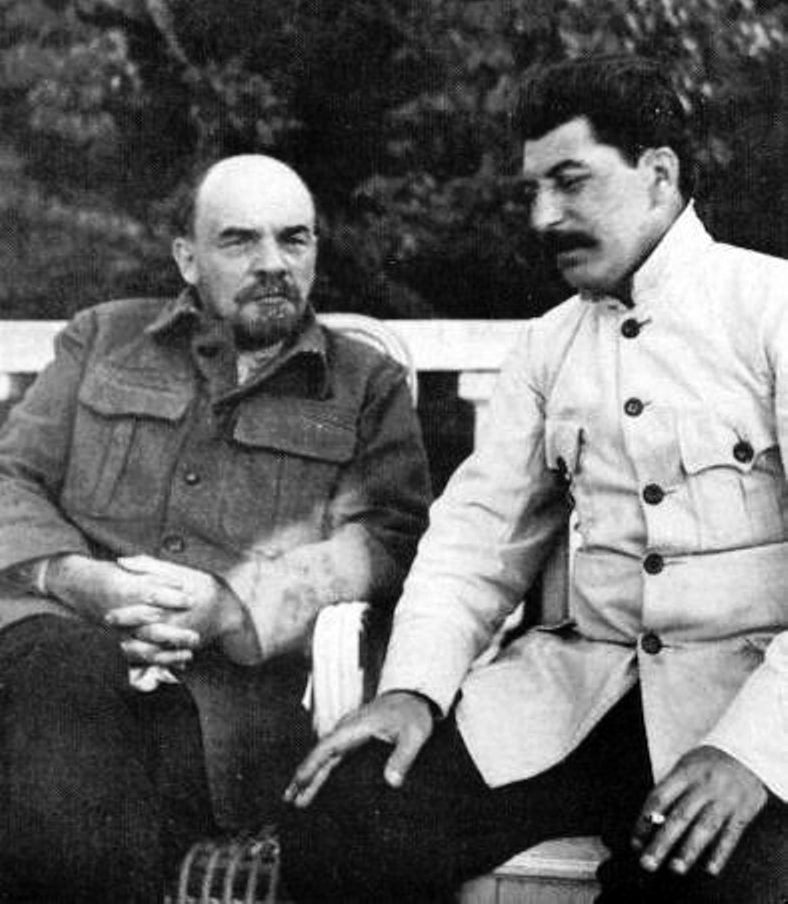
1917: The Bolshevik Revolution led by Vladimir Lenin seizes power, leading to the establishment of the Soviet Union.
1924: Lenin dies, and Joseph Stalin takes over as leader, implementing policies of rapid industrialization and collectivization.
Read and share: a unique piece of reporting, based on interviews with the heads of counter-intelligence of Estonia, Latvia and Lithuania. The knowledge-based opinions they have of how the Russian military and political machine works, are unique. https://t.co/6myJFAYw6r
This could just be the clearest, most straightforward foreign policy position on Russia from a European Social Democrat since Ernest Bevin. Directly to a Russian TV audience. No namby-pamby kumbaya. From Estonian MP @PRB_Raimond
Spoke to @michaeldweiss about why we shouldn't worry about Putin's feelings.
We're dealing with a war criminal. He's stealing Ukraine's grain and threatening famine to get sanctions lifted. Kremlin propagandists openly call hunger Russia’s "last hope".
https://t.co/UifiiHvBsQ
One of the new European leaders, for example, is the PM of Estonia, @kajakallas. The new European leaders are also the PM of Finland @MarinSanna and @SwedishPM. This new leadership team, and there are few more…
https://t.co/PDLXY4HwCx
We know some of you have been on the edge of your seats for this one, but the wait is over because Edge Functions is here! 🎉
Learn more about how you can leverage our edge network to deliver faster sites and apps to your users in the blog post below:
https://t.co/sDF7zW5qyL
Viron presidentiltä Lennart Mereltä kysyttiin 1999 lehdistötilaisuudessa, mitä mieltä hän on siitä, että Venäjä vastustaa Viron Nato-jäsenyyttä. "Onko Venäjä Naton jäsen?En tiennytkään". Suomessa pohditaan 2022, miten Venäjä reagoi, jos liitymme Natoon. Miksi muuten vasta nyt?
The #StandUpForUkraine campaign just rallied €9.1bn to support people fleeing war in #Ukraine.
#Estonia has given 🇺🇦 substantial humanitarian & defensive assistance - by today over €13mln in direct humanitarian aid (incl private donations).
The world must keep helping 🇺🇦.
Even before #Russia launched its attack on #Ukraine, Estonian Prime Minister @kajakallas warned Western leaders not to make any concessions to the Kremlin, calling to mind a 3-point negotiation tactic the Soviet Union used to apply. #MSC2022
So when our warnings are ignored or when we are told, as we so often were by our friends in Wester Europe, that we are "paranoid" about Russia's intentions, it sometimes even shocks us how right our parents and grandparents were and how they were not exaggerating at all.