Our 📖 paper https://t.co/M0uplUg9Q8 with Selin Tanyeri Mustafa Dinçer and Nørgaard Jesper Nørgaard Kjær « Psychotherapy training in psychiatry: a systematic review on the early career psychiatrists’ interests and opportunities" is just published in @EP_Editors
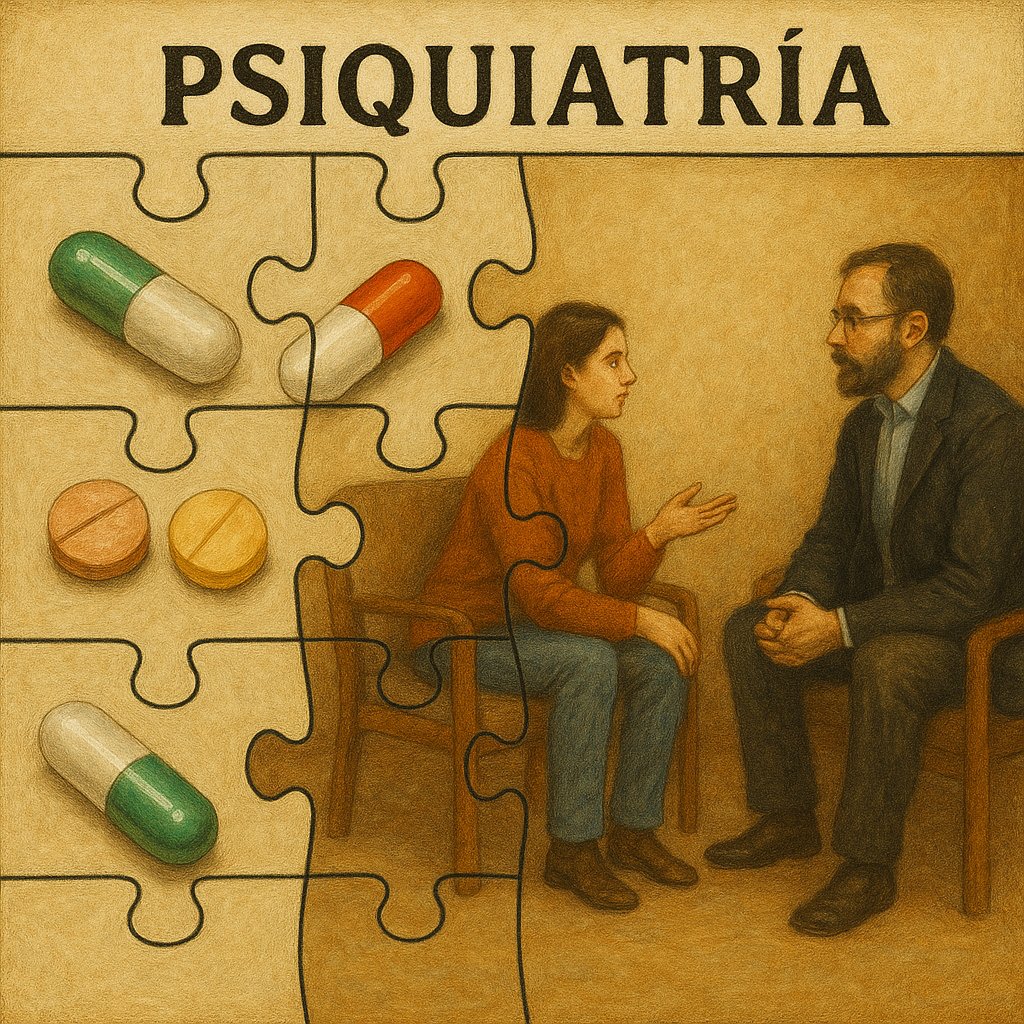
¿Por qué los psiquiatras debemos formarnos en psicoterapia?
Aunque algunos suelen asociar la psiquiatría con los fármacos, la psicoterapia es un pilar esencial del tratamiento en salud mental.
Un metaanálisis revisó la formación psicoterapéutica de psiquiatras jóvenes
👇🧵
🧵From Neurons to Nations 🚨1/5
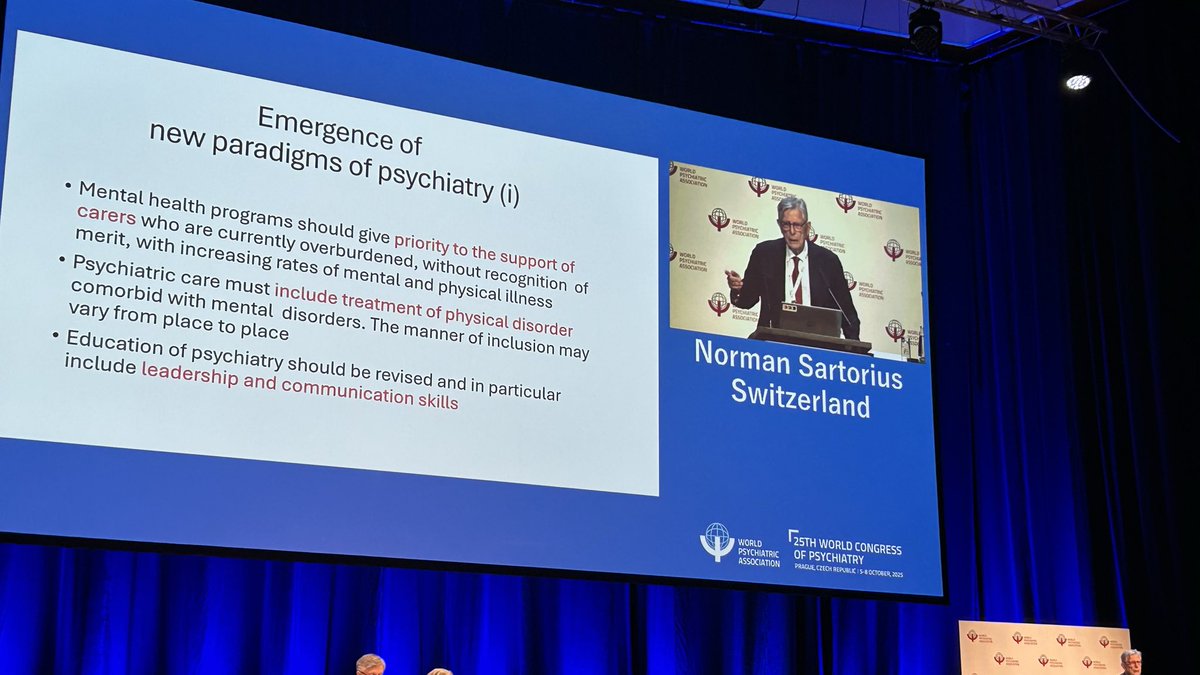
Attending Prof Norman Sartorius’s closing session at the World Congress of Psychiatry on ‘New Paradigms in Psychiatry’ #WCP25#WCP2025
Some important messages and my insights 💡👇
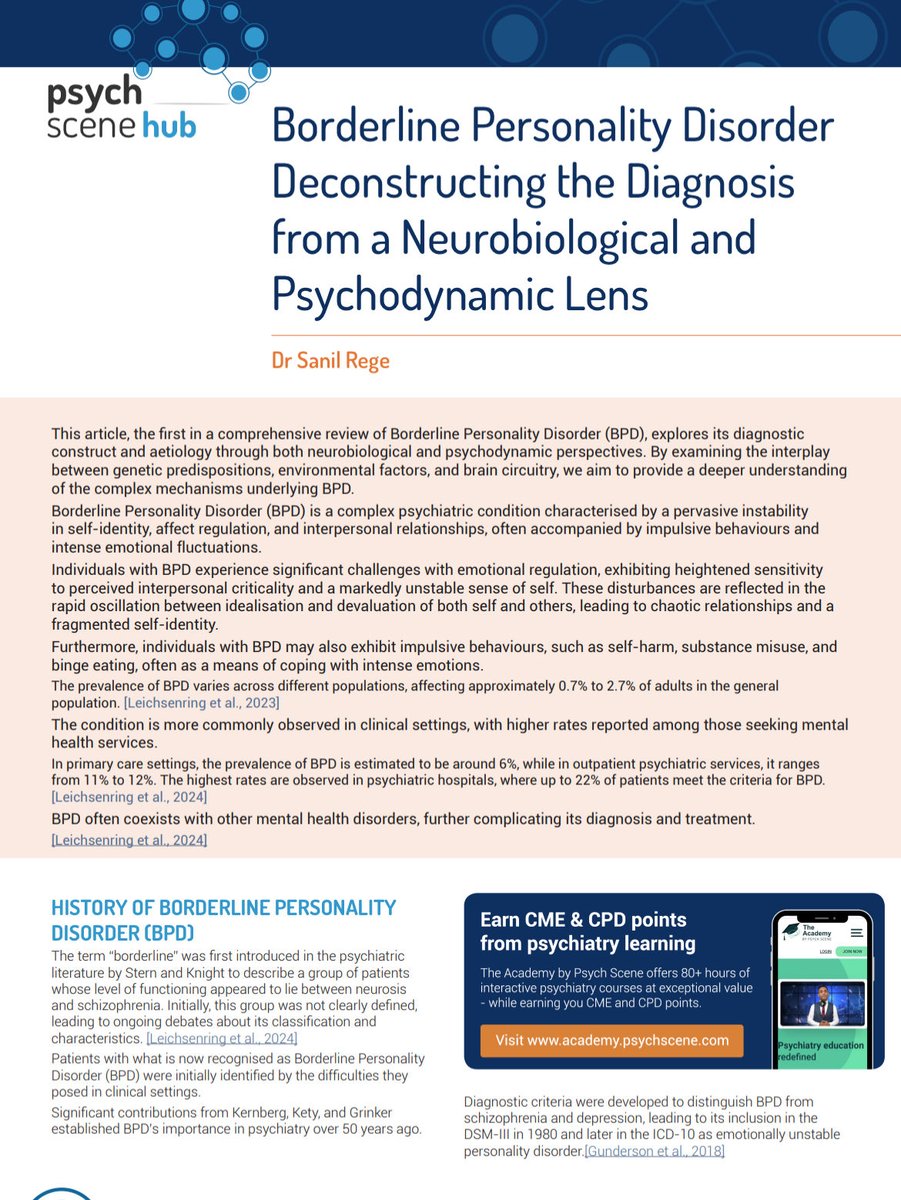
15/ BPD cannot be understood through one lens alone.
Neurobiology explains prediction errors & arousal.
Psychodynamics reveals contradictions & relational patterns.
Diagnosis & management demand integration.
I’ve explored this in detail in two articles 👉 https://t.co/8EVOJZLwFy
Diagnosis and Management 👉 https://t.co/OC0MIxcpLl
END 🧵
One of my favorite lessons from neuroscience:
When you start something new, it feels like a struggle and requires your entire focus to figure out. But as you get better, it gets easier and you need far less brain power. Things become automatic and you can dedicate your brain to other tasks.
In the image below, you can see how the brain becomes more efficient at the exact same task as people go from a novice to skilled over the course of a single 60-minute practice session.
If something feels difficult, just keep at it. I've had this experience 100 different times over my life. Things that once took me weeks, now take me minutes. https://t.co/vKqG42WndS
@_LeMaitre_ @Qraaal Euh c’est une métrique qui m’empêche de travailler (l’hôpital et l’université tirent la langue). Mon salaire n’est pas mon principal problème ni objectif
@MarkLRuffalo How does it help for the personalisation of the psychotherapy? Is it only a label (very useful for epidemiology for instance) or more useful than that ?
Ha ben apparemment, les écrans ont pas détruit l'attention des gens comme tout le monde le dit.
Dommage pour tous les super analystes Youtube qui avait tout compris au sujet sans rien lire...
In the mental health professions, the surest sign of lack of expertise (at best) or pure grift (at worst) is claiming to know the right way to treat anyone or anything—before meeting the person and spending the time necessary to do a thorough assessment and develop a sound clinical case formulation
Lots of things look the same on the surface. Surface symptoms and presenting problems tell you next to nothing about what is really wrong, or what would be helpful for a specific individual. One size never fits all.
The “tell” that you are dealing with an amateur or a snake oil salesman (or both) is claiming to know the cause of your problems, or the right treatment for you, without first developing a deep understanding of you as an individual. Draw your own conclusions from this.
In conspiracy logic:
🧪 If you’re a scientist, you’re a “shill.”
🗣️ If you’re a random guy with no training, you’re a “truth teller.”
The more you know, the less they trust you.
The less you know, the more “authentic” you seem.
Ignorance isn’t questioned.
Expertise is.