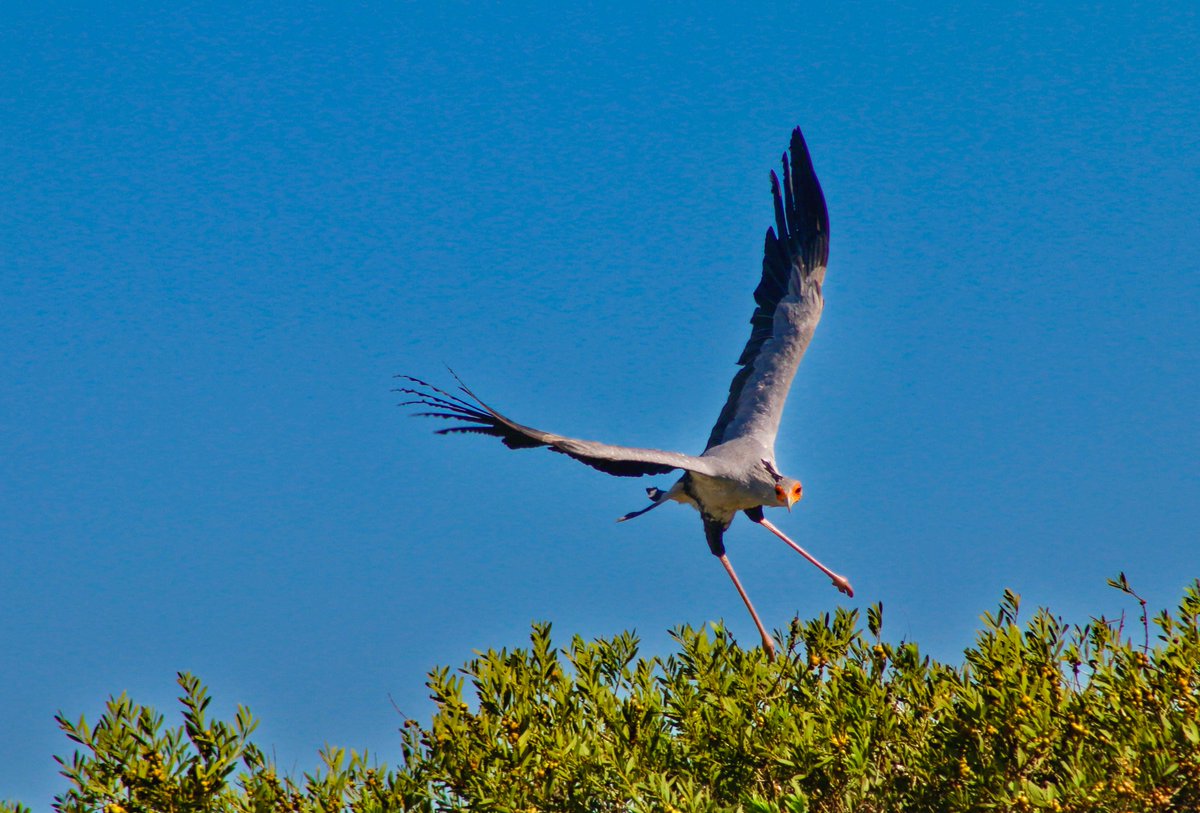
Secretarybirds breed throughout the year but breeding behaviour peaks between August & March. They create nests on flat-topped trees on lands surrounded by grass and lay between 1 and 3 eggs.
Let @BirdLife_SA know if you have their nests on your farm: https://t.co/QpkCvntA8N
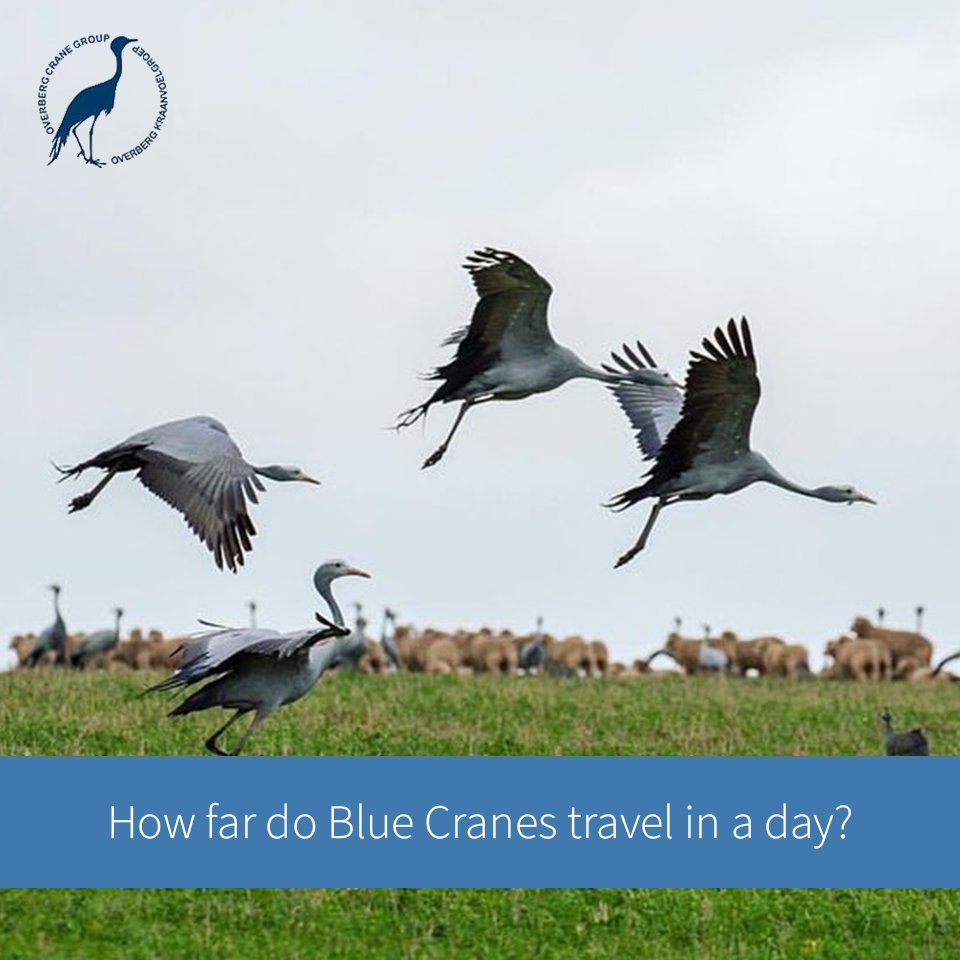
@TheEWT researcher and OCG Extension Officer Christie Craig found that non-breeding cranes moved on average 13.3 km/day vs breeding cranes which travelled on average 5.8km/day.
The maximum daily distance travelled was 309 km by an Overberg crane that flew to the Eastern Cape.
How did a small population of Blue Cranes end up in the @EtoshaPark?
@The_EWT experts say either a few vagrants settled there and began a breeding population. Or a small group of captive Blue Cranes escaped to Etosha, starting this population.
Photo: markuslilje, @inaturalist
There’s so much that farmers can do to help Blue Cranes.
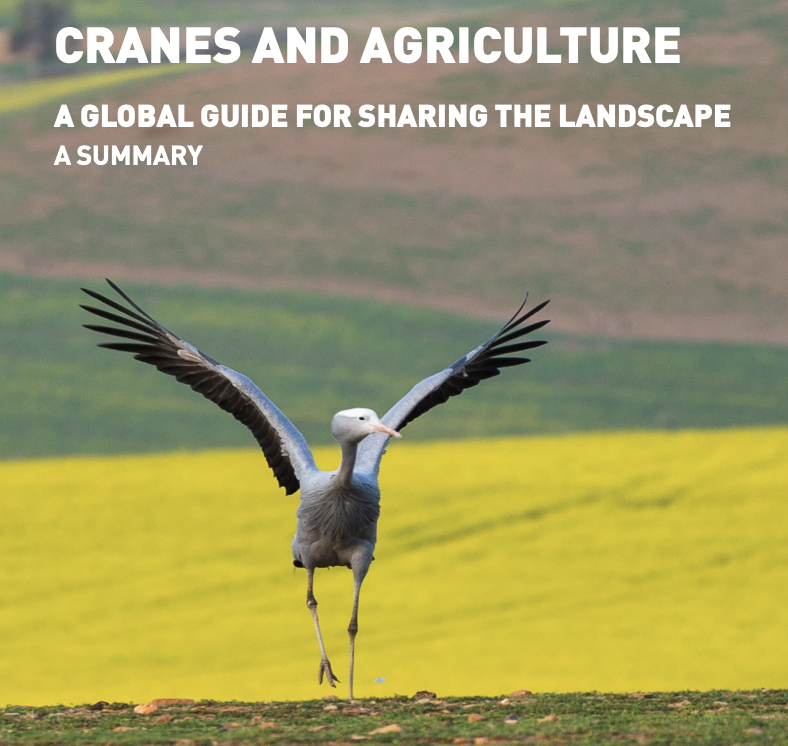
Check out this helpful booklet: ‘Cranes and Agriculture: A global guide for sharing the landscape’, compiled by the @savingcranes, with support of the @TheEWT: https://t.co/uEsBWTHimt
The #Overberg is home to many threatened bird species that rely on our natural (and agricultural) landscapes. Keep your eyes open for some of these specials:
🪶 Denham’s Bustard
🪶 Southern Black Korhaan
🪶 Karoo Korhaan
🪶 Black Harrier
🪶 Verreaux’s Eagle
🪶 Cape Vulture
Please drive carefully, this festive season in the #Overberg, to try and avoid any bird collisions, especially with birds of prey at night.
And please drive slowly on farm roads - you could come across Blue Cranes crossing roads with their chicks.
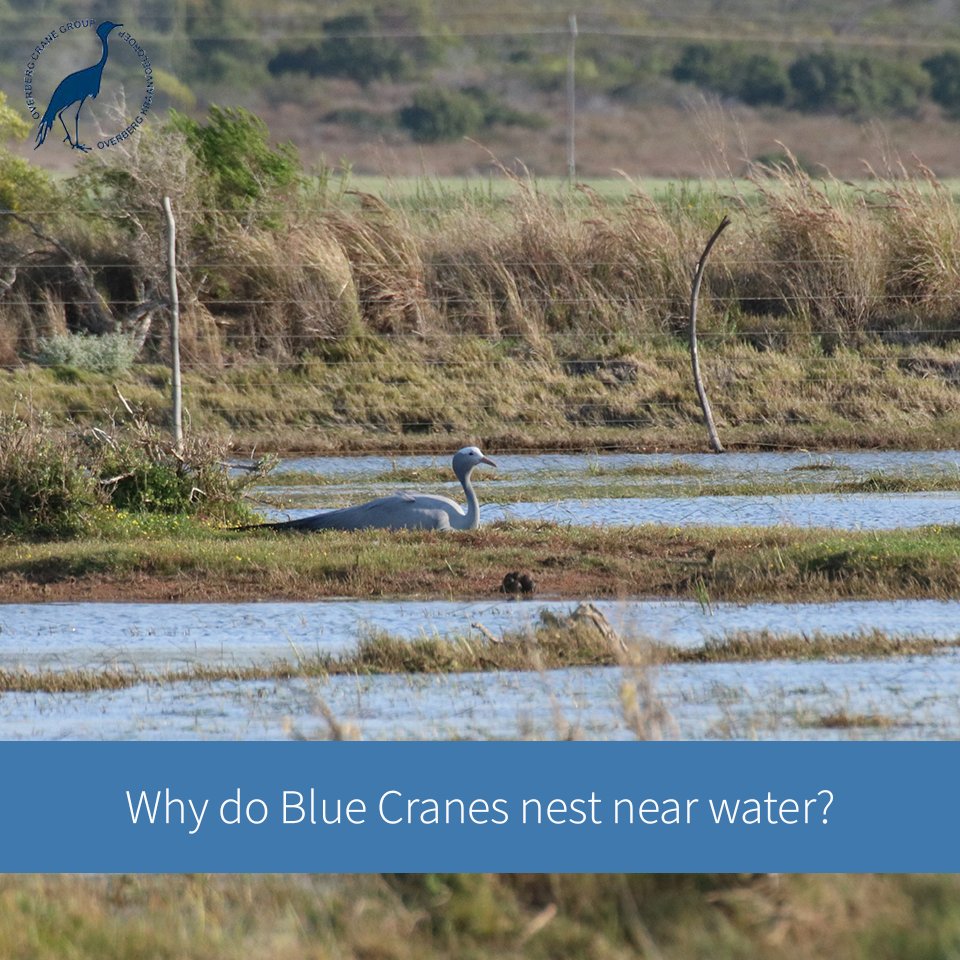
Why do Blue Cranes nest near water?
The answer has to do with keeping their young ones safe. Blue Crane chicks can swim almost immediately after they hatch, so they roost close to water at night in order to escape into water when a predator approaches.
Blue Cranes used to occur in the Overberg, even before fynbos was lost to agriculture.
But the Overberg crane population only really increased when their previous stronghold, the grasslands, were increasingly lost. Now agricultural lands here prove to be an ideal alternative.
What an honour - to receive a wonderful donation from the Roedean School EcoClub, in a fundraising drive led by students.
Thank you very much! These are our future leaders, and surely it means that the future of Blue Crane conservation is in very good hands.
This is vital work by the @Renosterveld, a partner of the Overberg Crane Group. And the information that is being collected through this tagging initiative will go a long way to answer many of the questions we still have regarding this charismatic raptor.
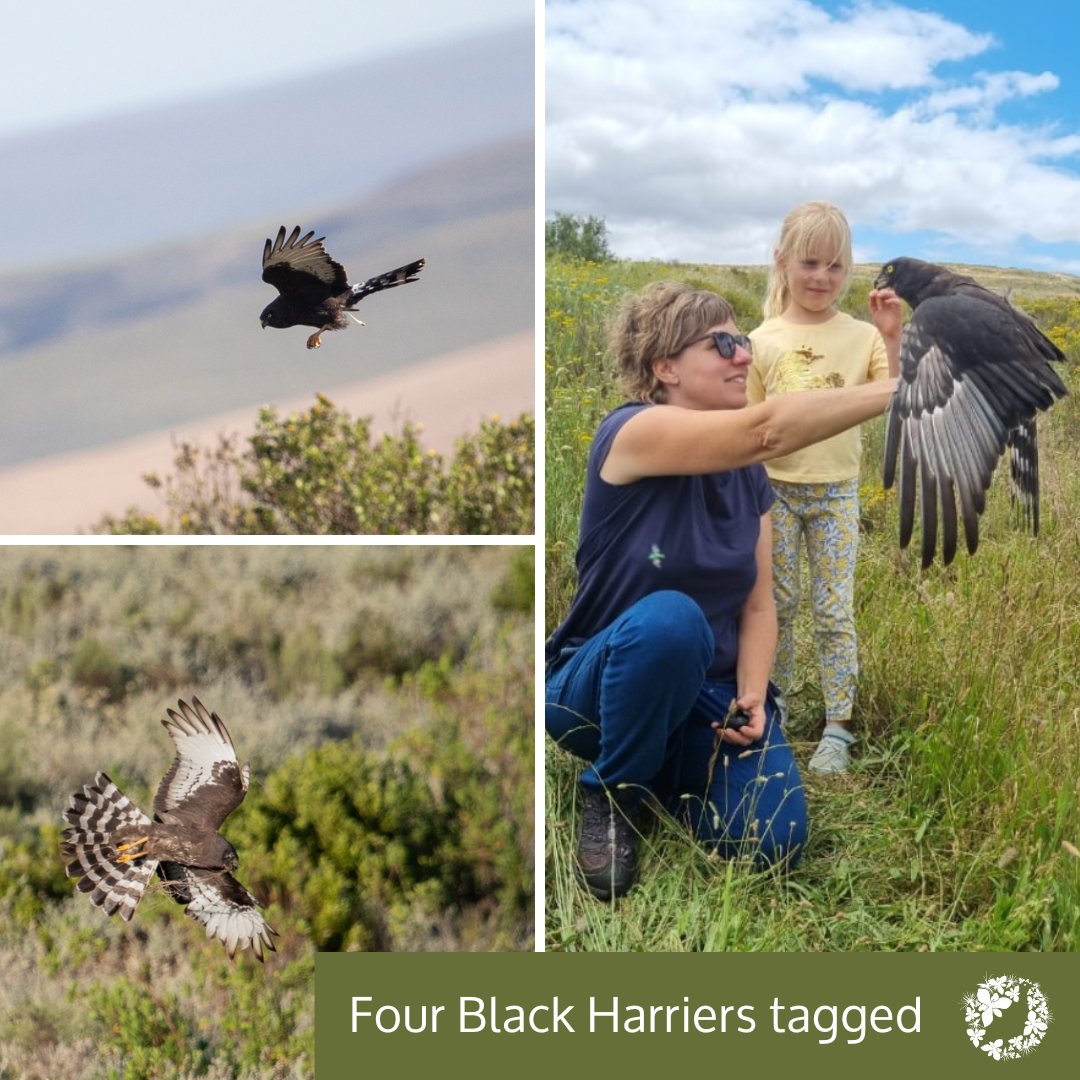
FOUR BLACK HARRIERS tagged in three days!
We recently managed to trap and tag 4 new breeding adults. These individuals will now contribute vital information to us, to teach us about their movements, and help us better protect this Endangered species: https://t.co/5oztDuAm7K
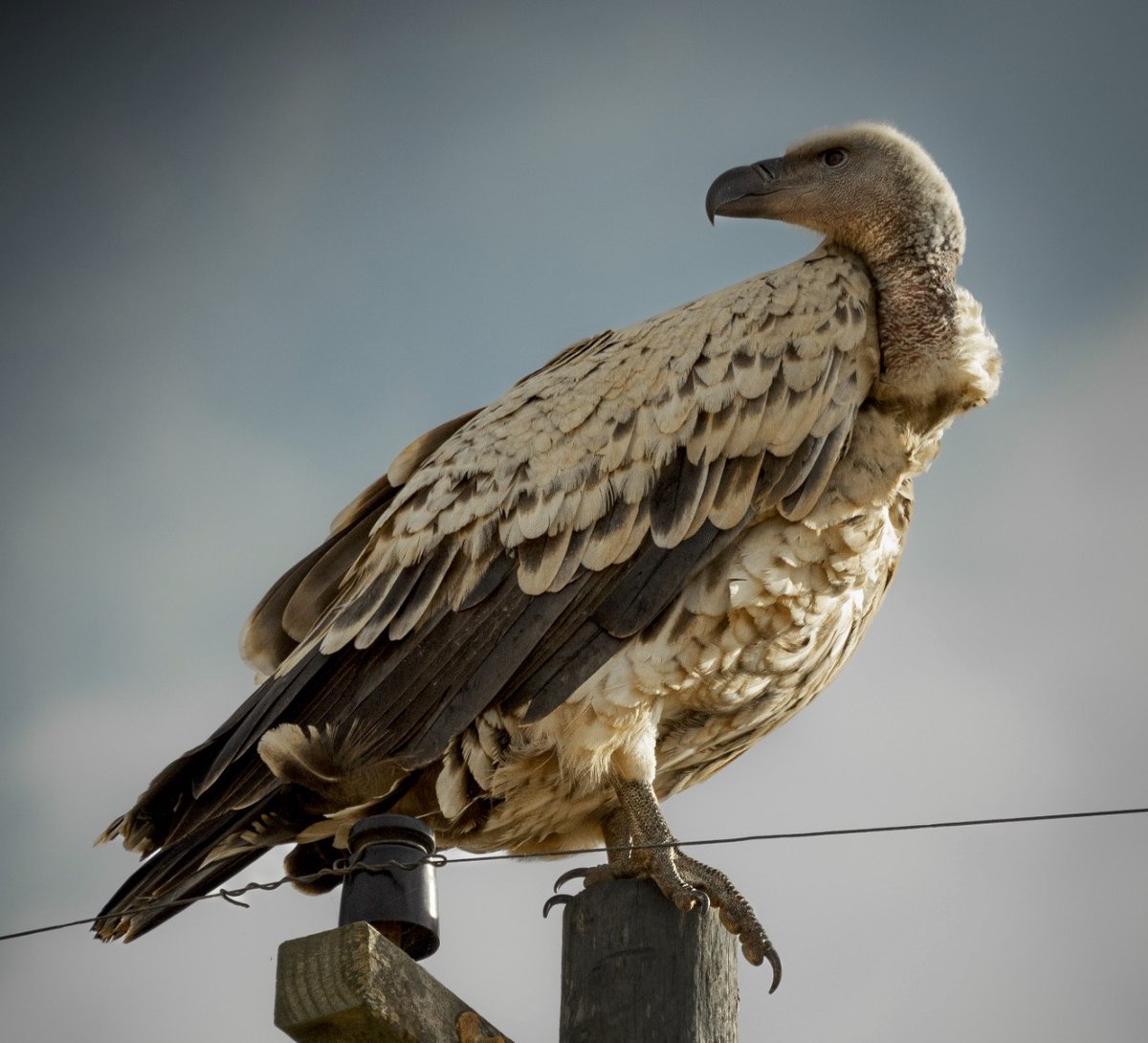
It’s always a joy seeing a #CapeVulture in the #Overberg. This one was photographed close to De Hoop Nature Reserve.
Cape Vultures are listed as #Vulnerable, with only 4500 breeding pairs remaining. The #Overberg is home to the Potberg colony, which is a protected breeding site.
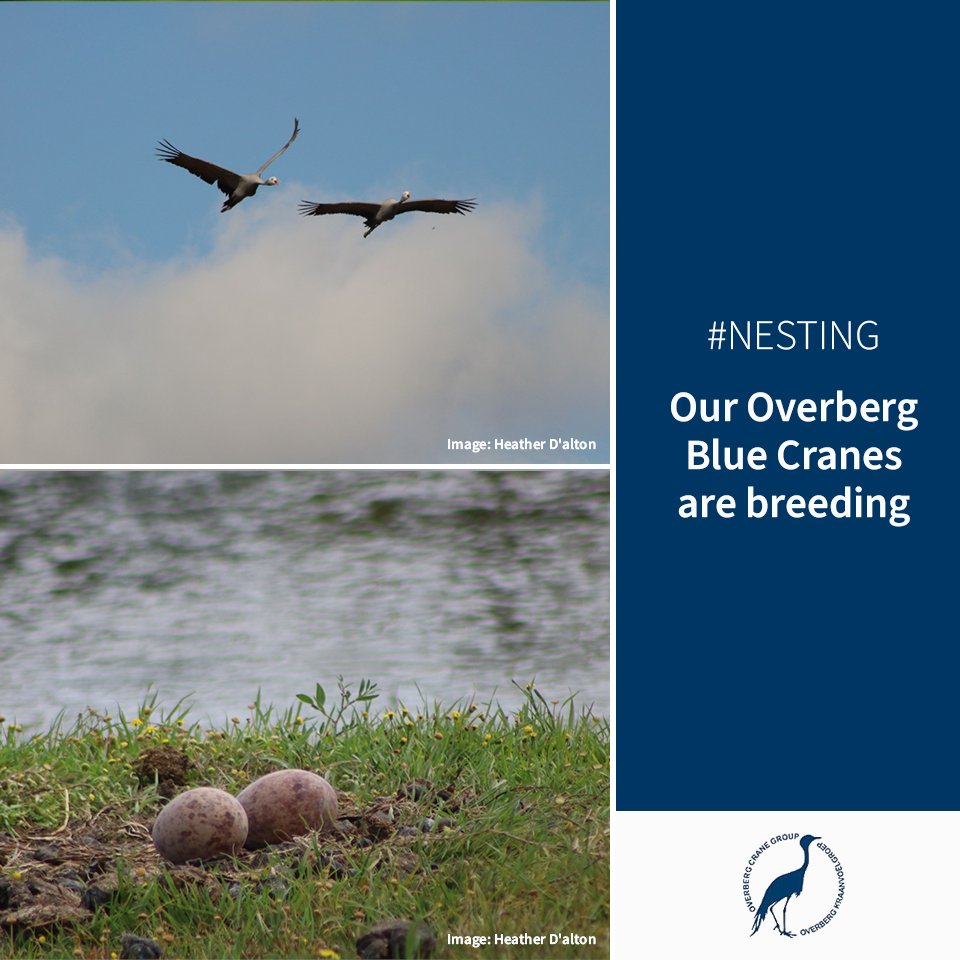
You’re likely to start seeing Blue Cranes nesting in the #Overberg now!
That means Overberg farming friends should keep an eye out for our nesting national birds. One idea is that farmers take note of where cranes are nesting on their farms, to avoid disturbing them too often.
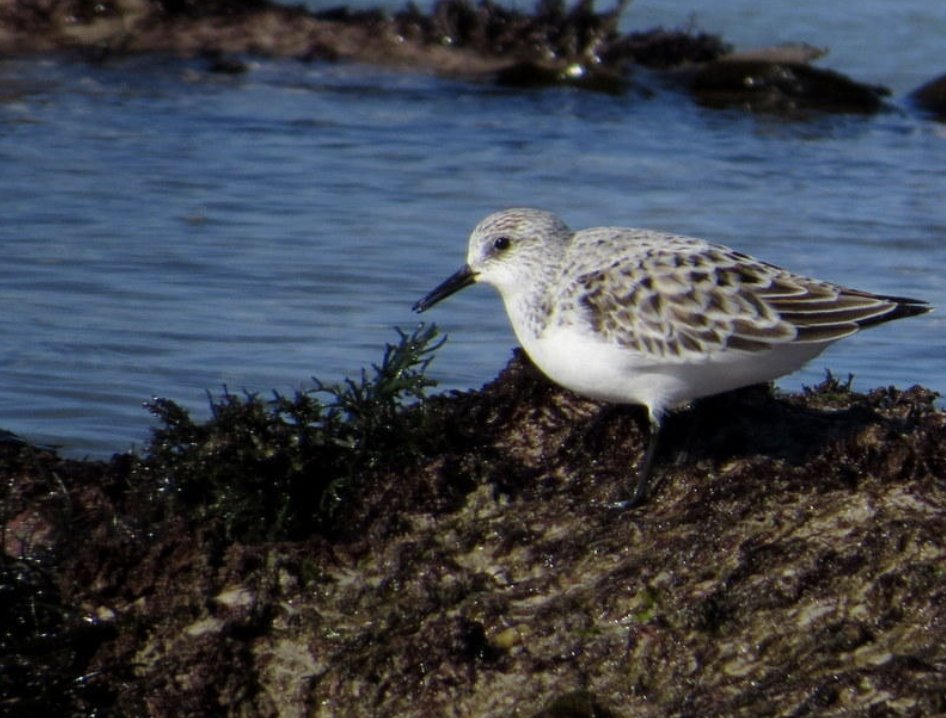
Sanderling travels around 18 000 km in September to southern Africa.
But Sanderling numbers have fallen 90-99% from the 1980s to 2021, although they’re still listed as Least Concern on the @IUCN#RedList.
#WorldMigratoryBirdDay
PHoto: Gawie Malan, @inaturalist
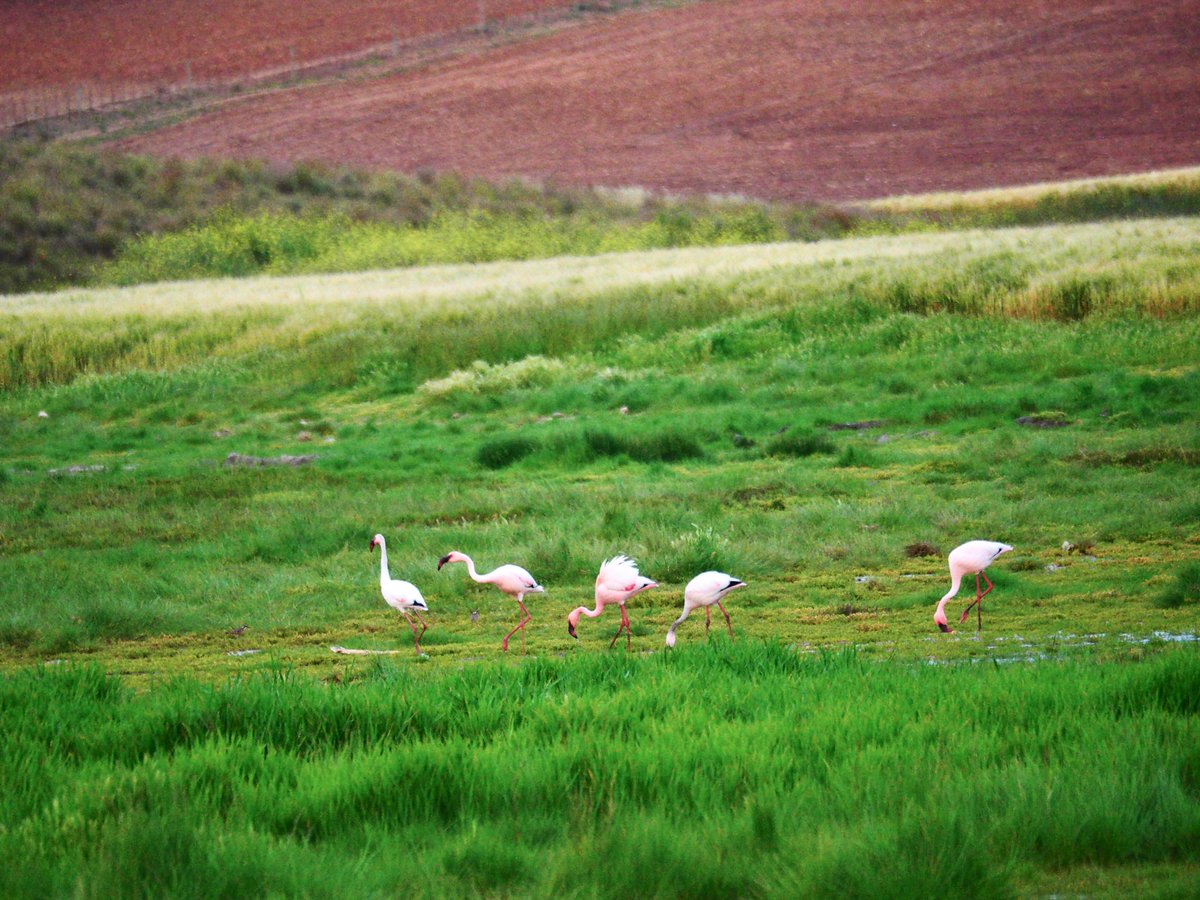
The recent Overberg floods have led to huge damage across the district. But they’re also brought some visitors to an unlikely habitat: These Lesser Flamingos are having a great time feeding on snacks in the middle of an agricultural land in the #Overberg Ruggens area.
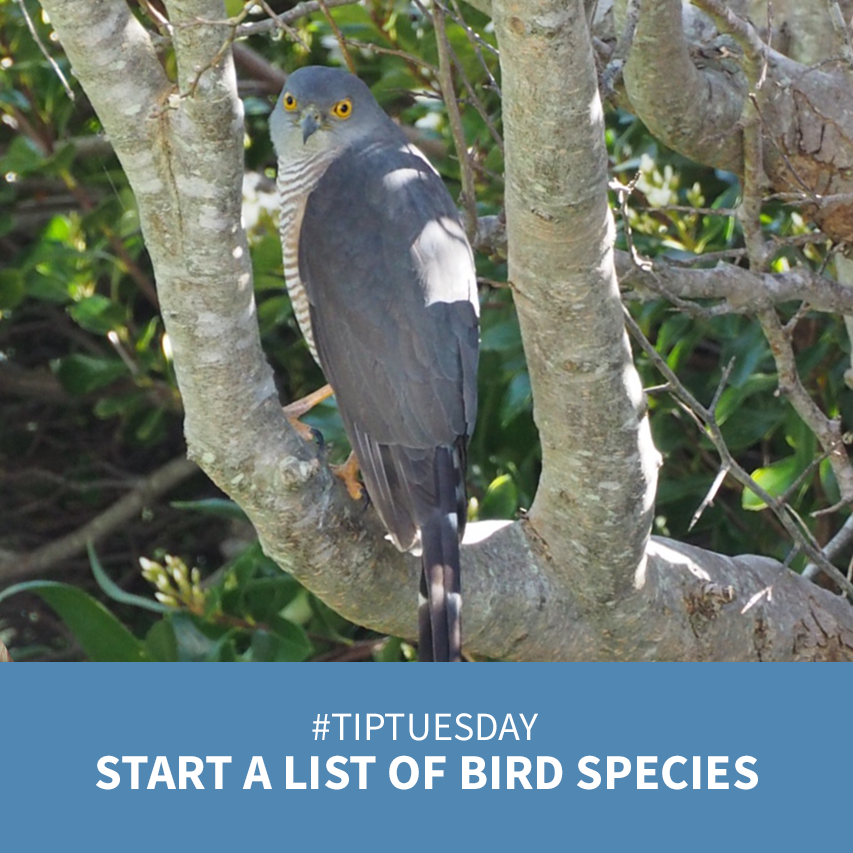
#TipTuesday - Why not start your very own bird list for your garden?
You can easily create such a list on #Birdlasser, by adding a trip card for your garden. You just never know what you might see, like this #AfricanGoshawk that visited a garden in #Bredasdorp recently.
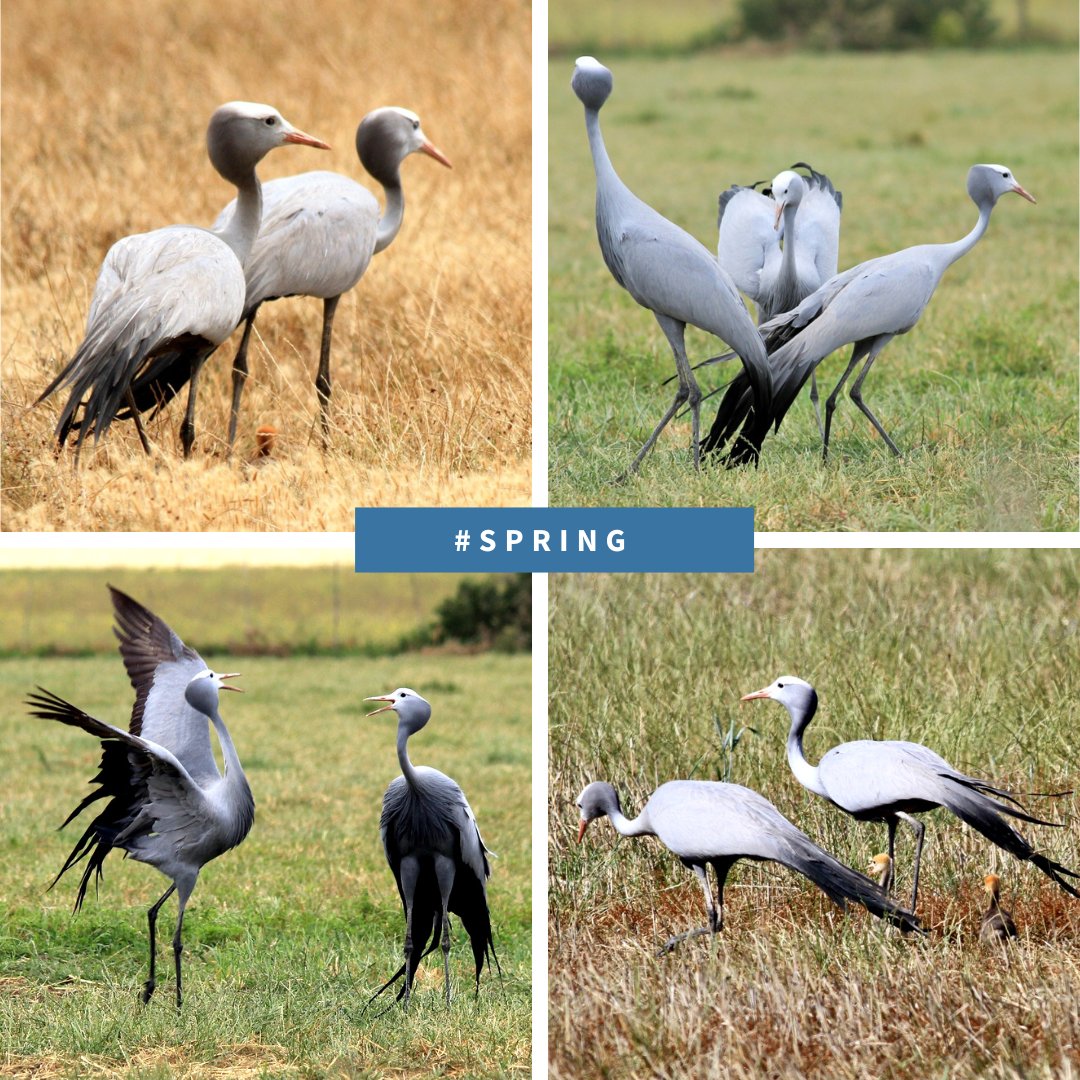
This #SpringDay, you’ll start to see many Blue Cranes pairing off, preparing to lay their eggs. And the same goes for some of our other threatened species, such as Black Harriers and African Marsh Harriers.
Our OCG Extension Officer and @TheEWT researcher Christie Craig recently chatted to Pippa Hudson on @CapeTalk about all things Blue Crane - from a recent poisoning incident, to population trends for our national bird.
Enjoy the conversation here:
https://t.co/kP386Vtdl0
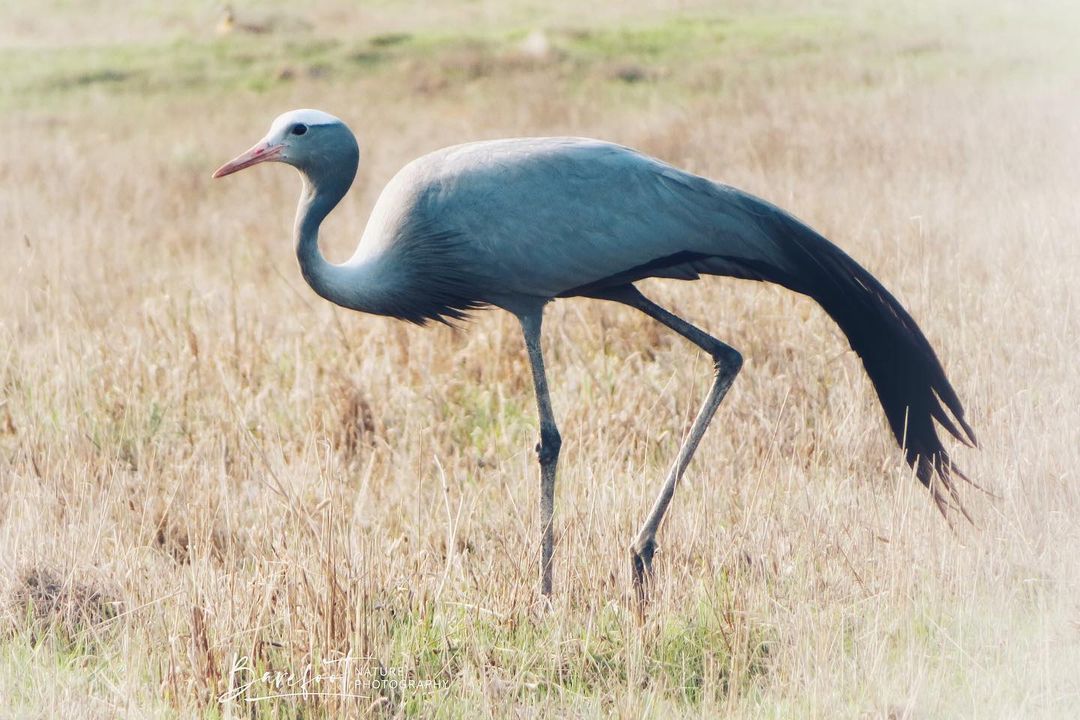
Repost: @barefoot.naturenerd
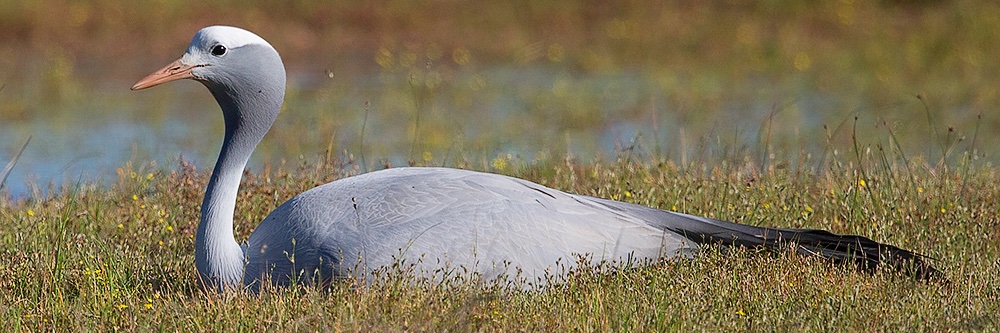
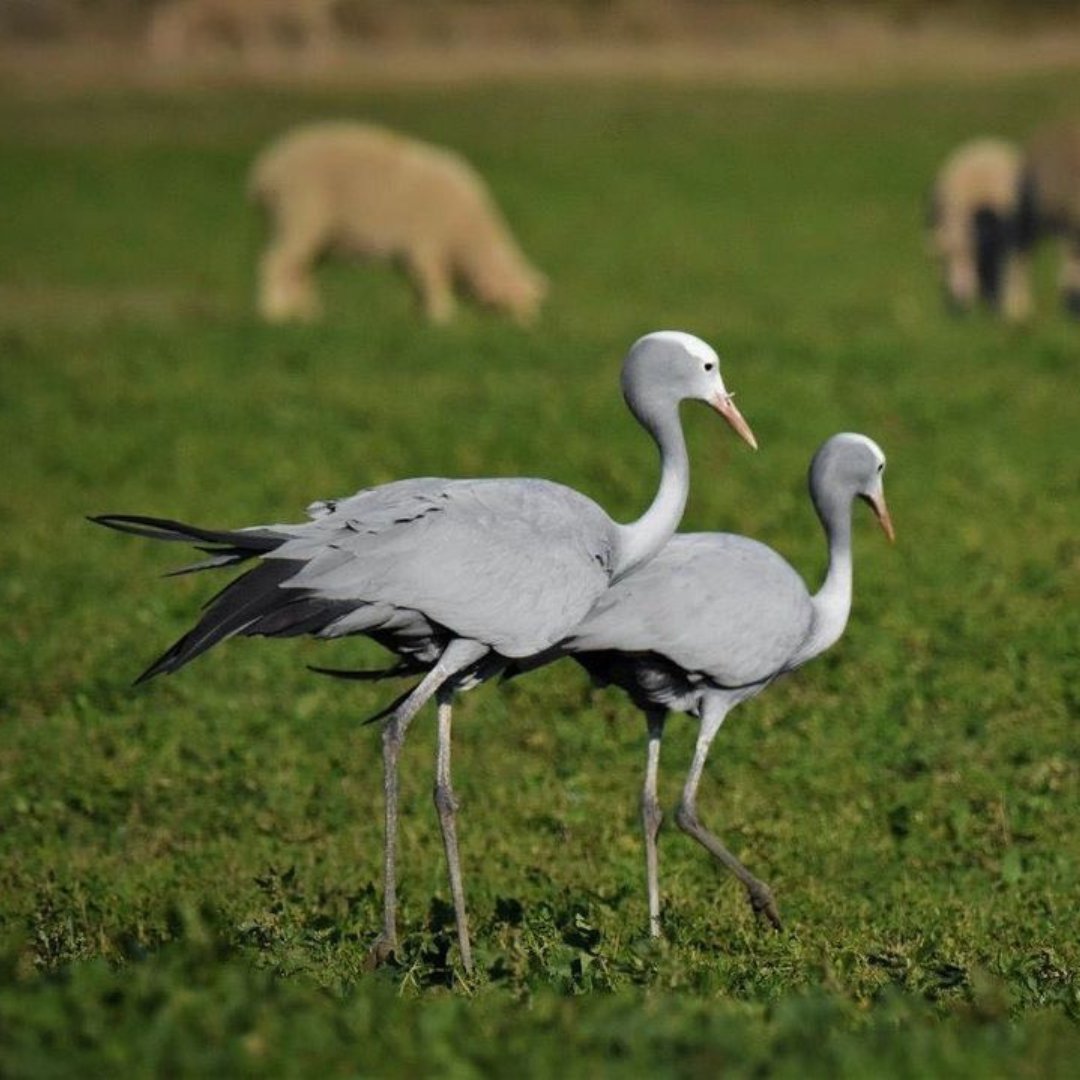
A lone blue crane (bloukraanvoël ~ Anthropoides paradiseus), South Africa’s national bird. These stately blue-grey birds can reach up to 1.2m in height with a wingspan of up to 2.1m – and they can fly at speeds of up to 70km/h!
#BlueCrane
Bradley Gibbons het op @RSG se #Driesestig met Martelize Brink gesels oor die gevalle van #bloukraanvoel-vergifting. Hy het gepraat oor die #OCG se werk & beroep gedoen op boere om pesdoder verantwoordelik te gebruik. Luister hier: https://t.co/fGMb7cJB1l
Image: Warwick Tarboton