Was a curator for China gallery. Currently, a curator for Malay world and textile galleries. Interests: Jawi manuscripts, Islamic studies & Islamic sciences
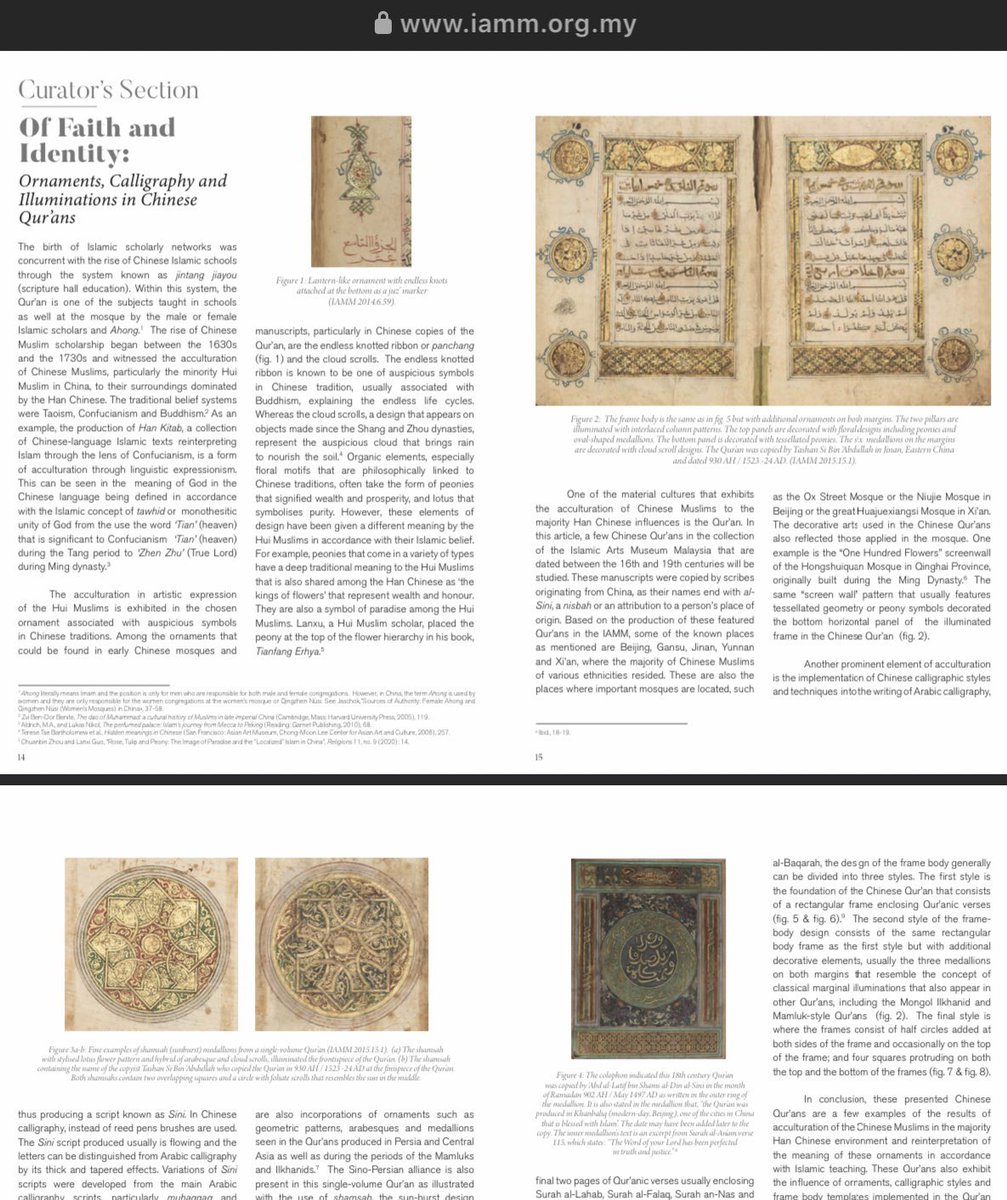
My article on Chinese Qur’ans in the collection of Islamic Arts Museum Malaysia in our latest newsletter.
Click on the link to read (page 14-19): https://t.co/f4RkdtyN2u
#NewPublication
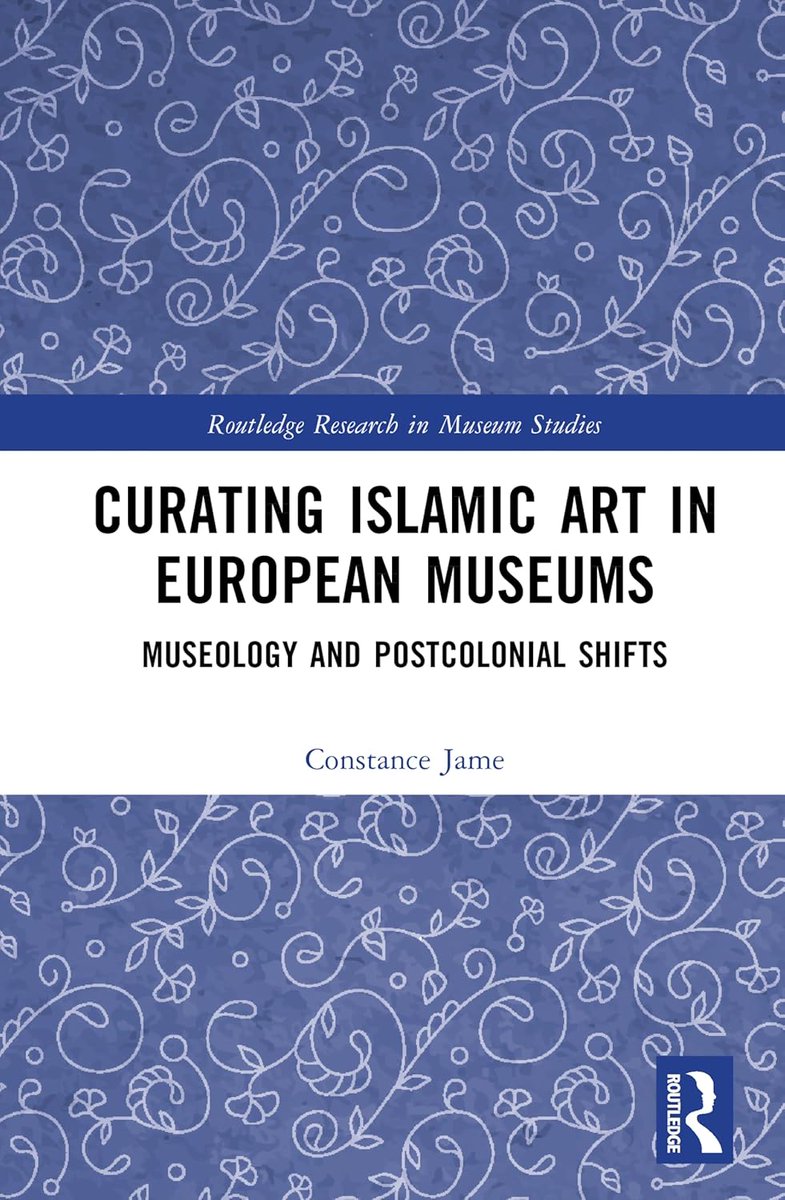
Curating Islamic Art in European Museums
Postcolonial Perspectives and Museological Transformations
Constance Jame, Routledge, 2026
Front Matter, Introduction
Preview PDF 🔽
https://t.co/Hr5iSTfG3N
زار المستشرق الألماني Julius Euting شمال الجزيرة العربية (الجوف، حائل، الوجه، تيماء، تبوك الحجر، العلا) بين عامي 1883–1884 ميلادي، ووثق رحلته برسومات ومذكرات نادرة رسم فيها شخصيات ومعالم وبيوتًا وعادات تحضير القهوة، مقدما أحد أقدم السجلات البصرية لشمال الجزيرة العربية قبل انتشار التصوير.
ومن وصفه للقهوة عند البدو كتب:
"هذا الشراب لا يشبه ما يُسمّى بالقهوة التركية، ذلك المنقوع الثقيل المصنوع من حبوب محمصة حتى الاحتراق تقريبًا، بل إن القهوة البدوية تتفوق عليها كثيرًا من حيث جودة المذاق والقدرة على التنبيه."
"کݢمرن کلوارݢ! ايديا اونتوق ماساکن"
"دڤربوات درڤد باهن سݢر ترڤيليه دان رمڤه-راتوس اصلي"
"Kegemaran Keluarga! Idea untuk masakan"
"Diperbuat daripada bahan segar terpilih dan rempah-ratus asli"
📍 Kelantan
#hamzahTigaSuku#tulisanJawi#jawiScript#ジャウィ文字
Untuk memahami pemikiran S.H. Alatas lebih jauh, temen-temen bisa baca buku ini. Melaluinya, kalian akan ngedapetin pemahaman yang lebih mendalam mengenai konsep Captive Mind yang digagas oleh beliau.
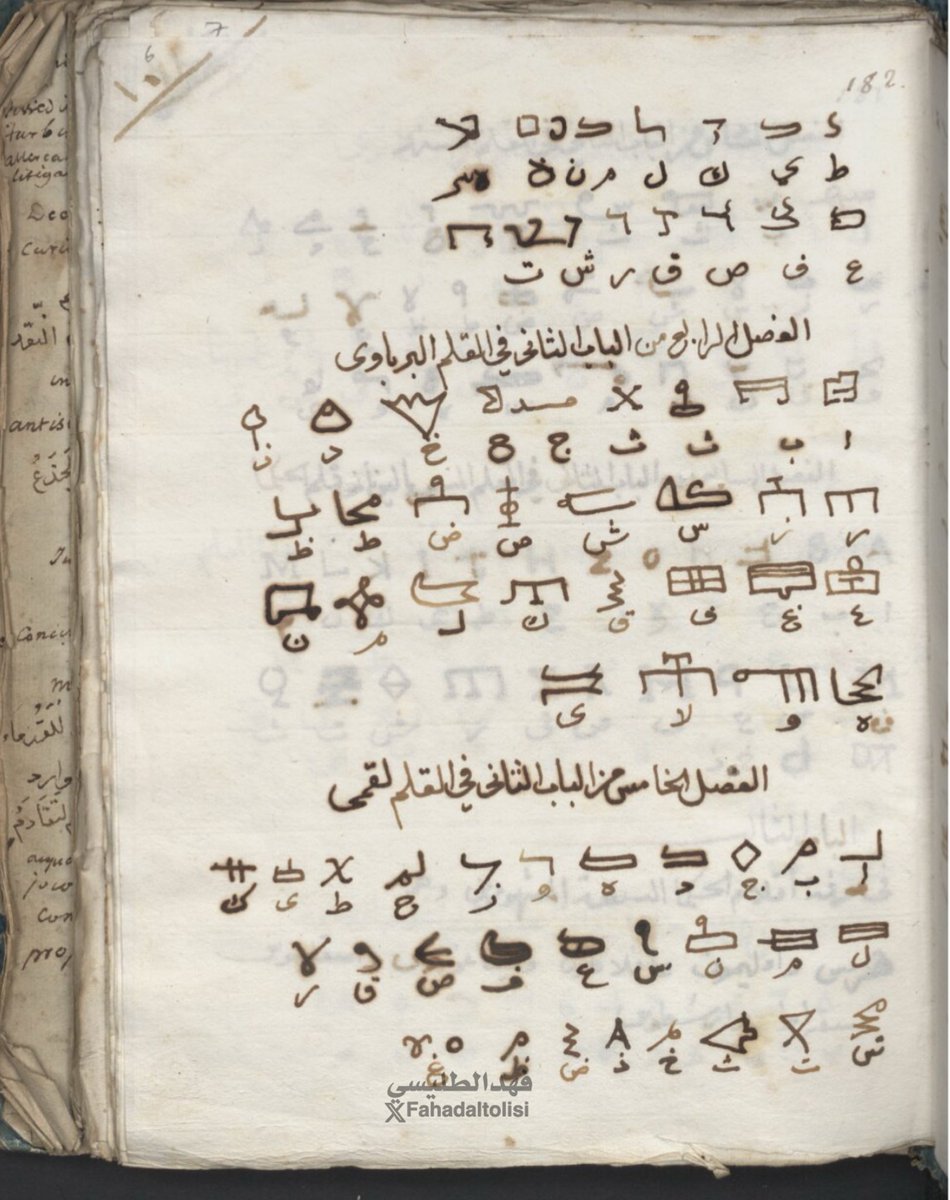
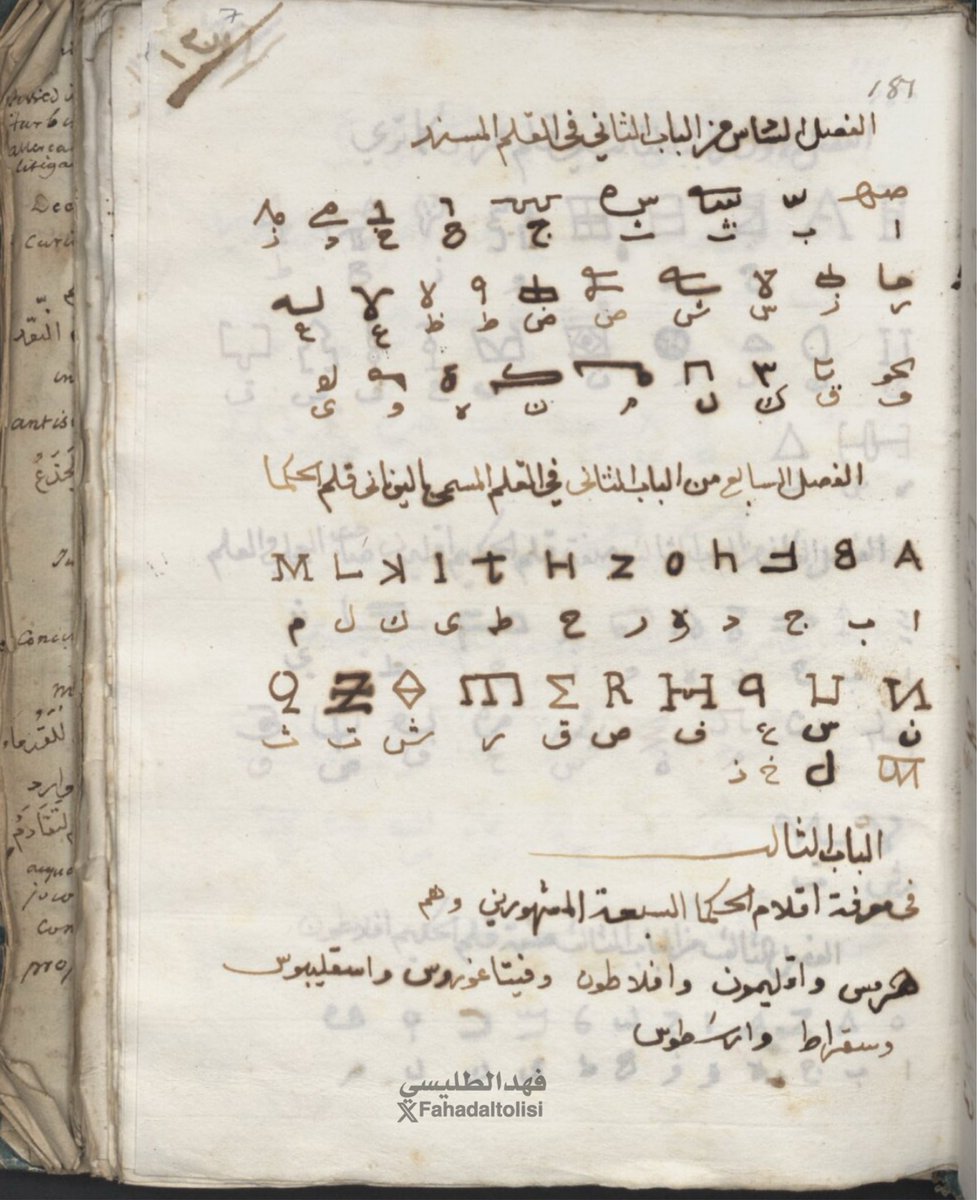
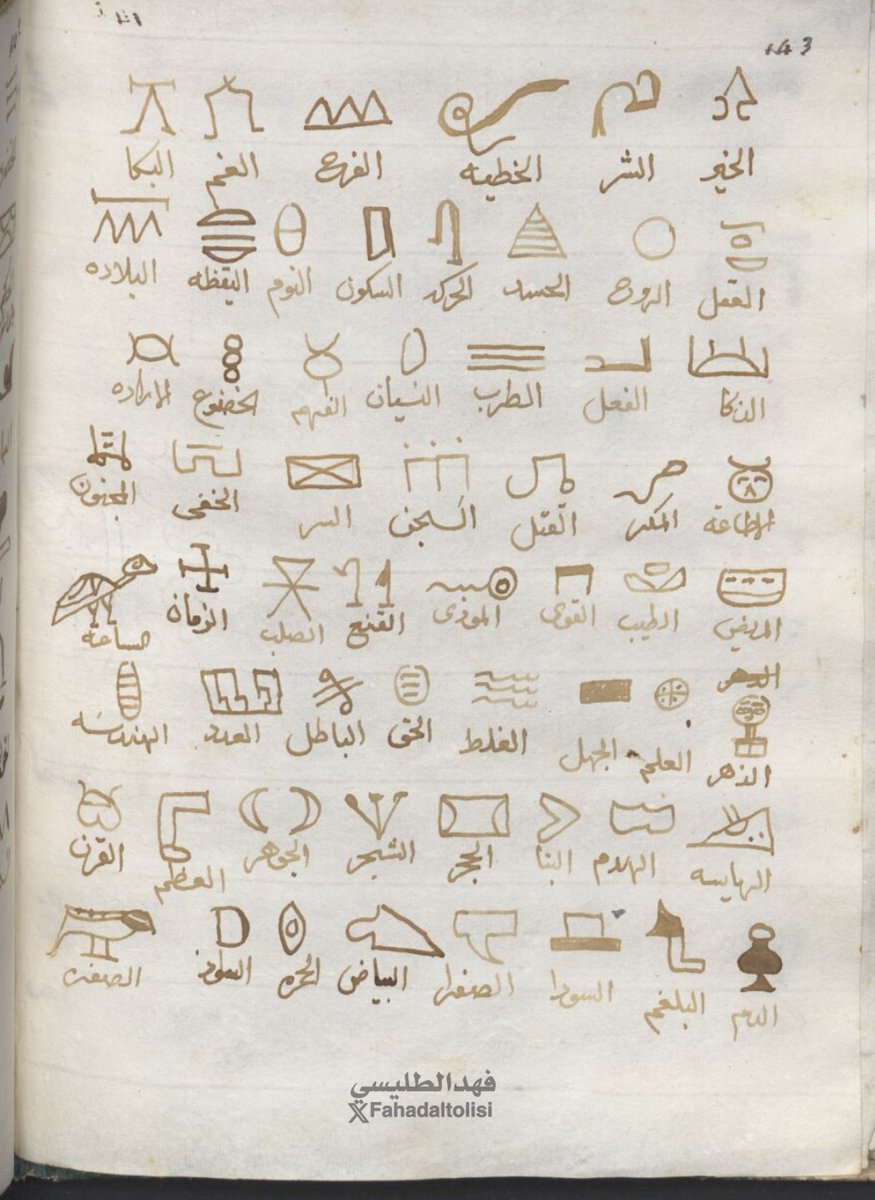
من غرائب المخطوطات مخطوط بعنوان (شوق المستهام في معرفة رموز الأقلام) لمؤلفه أبو بكر أحمد بن علي بن وحشيّة النبطي، وهو من أهل قُسين بالكوفة وتوفي سنة ٣٣٠هـ.
وقد أفرد في هذا المخطوط بحثاً واسعاً في أصول الأبجديات والكتابات التي تداولتها الأمم القديمة ففسّر رموزها وشرح أشكالها متناولاً عدداً كبيراً من الخطوط واللغات القديمة مثل القلم السرياني والنبطي والعبراني والمسند وخطوط الفراعنة وخطوط اليونان وحكمائها.
ويُعد هذا المخطوط من الكتب النادرة في بابه إذ جمع فيه مؤلفه رسوماً لتلك الأقلام وبيّن أشكالها حتى كاد لا يترك أمةً ولا خطّاً من خطوطها إلا ذكره وعرّف به وشرح خصائصه.
Arabic has 14 words for love. Each one describes a different stage. And here's what got me. Each one comes from a root that has nothing to do with love. Until you see the connection. And then you can't unsee it.
All 14. Let me walk you through them.
We’re delighted to share our new article, “Crafting Global Typography: Origins, Dissemination, and Adaptation of Naskh Types from Istanbul,” co-authored by Borna Izadpanah and Onur Yazıcıgil, now published in the Journal of the Royal Asiatic Society.
The Arabic word for "jinn" and the Arabic word for "baby" come from the same root.
So does "paradise." So does "madness." So does "shield." So does "heart."
Three letters. ج - ن - ن
One meaning: hidden.
Let me show you how deep this goes.
I once did someone a favor and instead of saying thank you, they said “May Allah ease things for you as you have eased things for me.”That dua stayed with me, Words matter
BROWSE through our more than 300 titles: https://t.co/alUomMonfK
Fons Vitae is a non-profit 501(c)(3), peer-reviewed independent academic press recognized for its English translations of major Arabic and Persian works, especially in the field of Islamic Studies and Sufism.
One of the most comprehensive ongoing projects currently on Ottoman demographic, family and social history.
Their website is now live, take a look at it! I'm sure that it will make a huge impact on the scholarship.
https://t.co/tPIO50DsOL