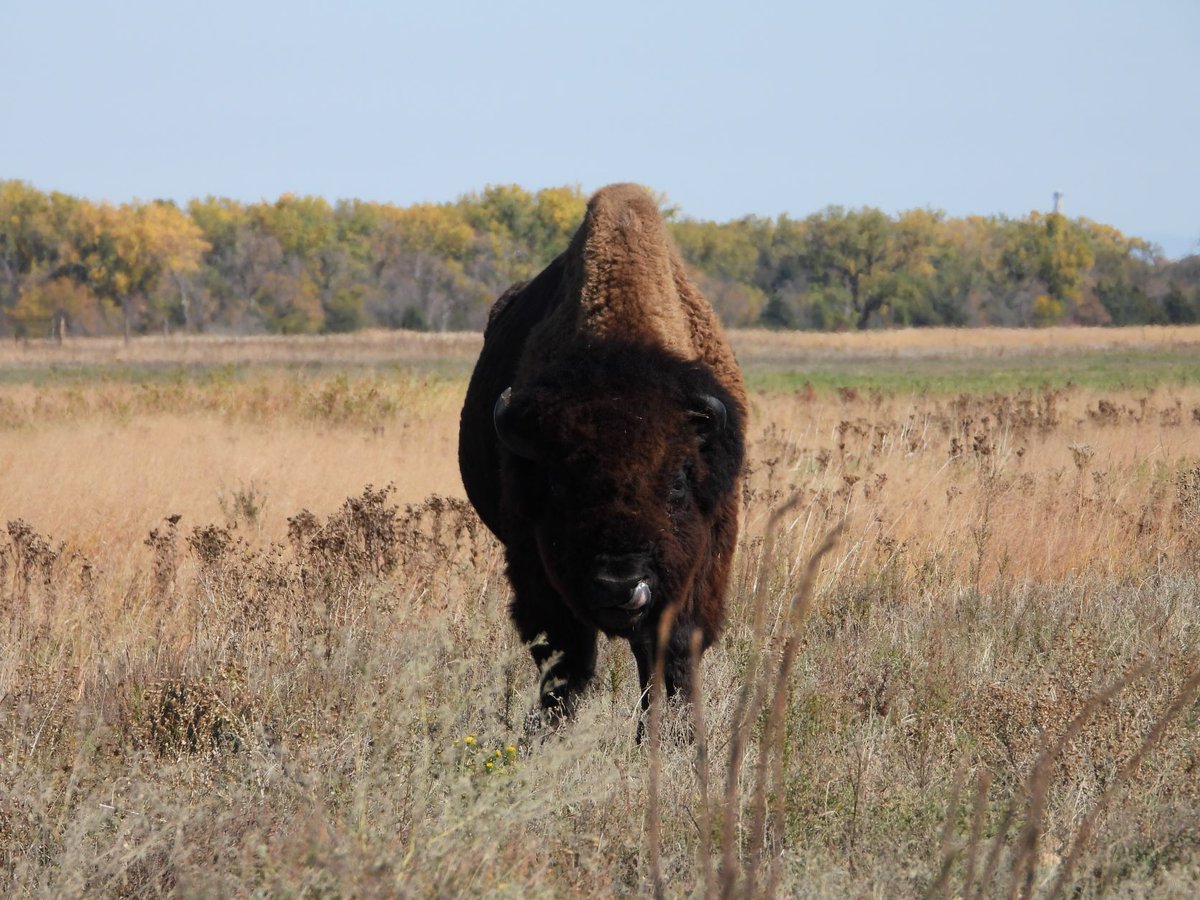
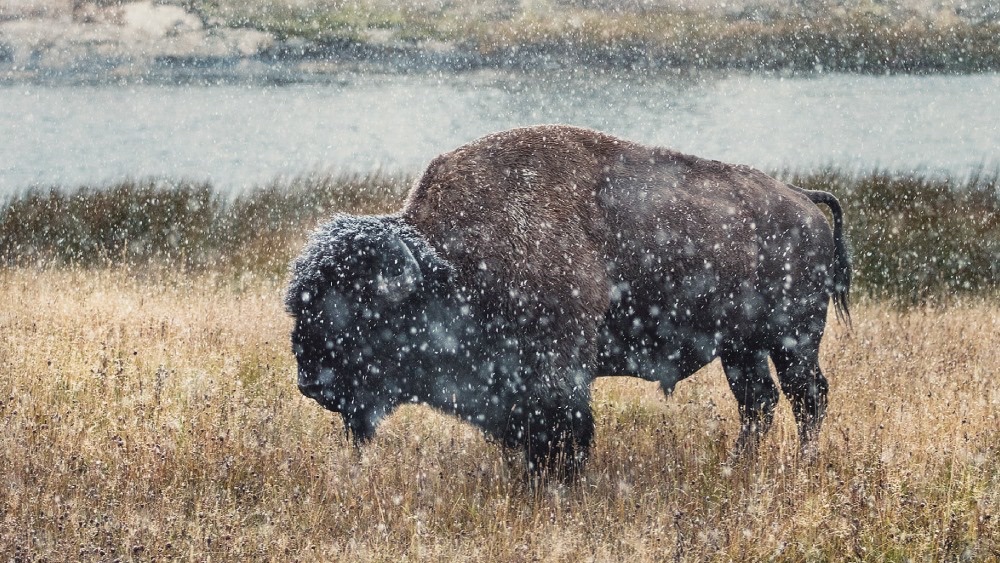
Grow Native! professional member Hamilton Native Outpost has added new videos to their collection on YouTube, including a video about the bison. Check it out! https://t.co/xFXohJ5Zhr
Farmers markets provide so many benefits and we have the data to back it up! Increasing access to fresh food is an immediate impact felt in neighborhoods thanks to farmers markets 💙
More national data in our Facts & Figures resource: https://t.co/eyZHXJ3Qm9 #FarmersMarketWeek
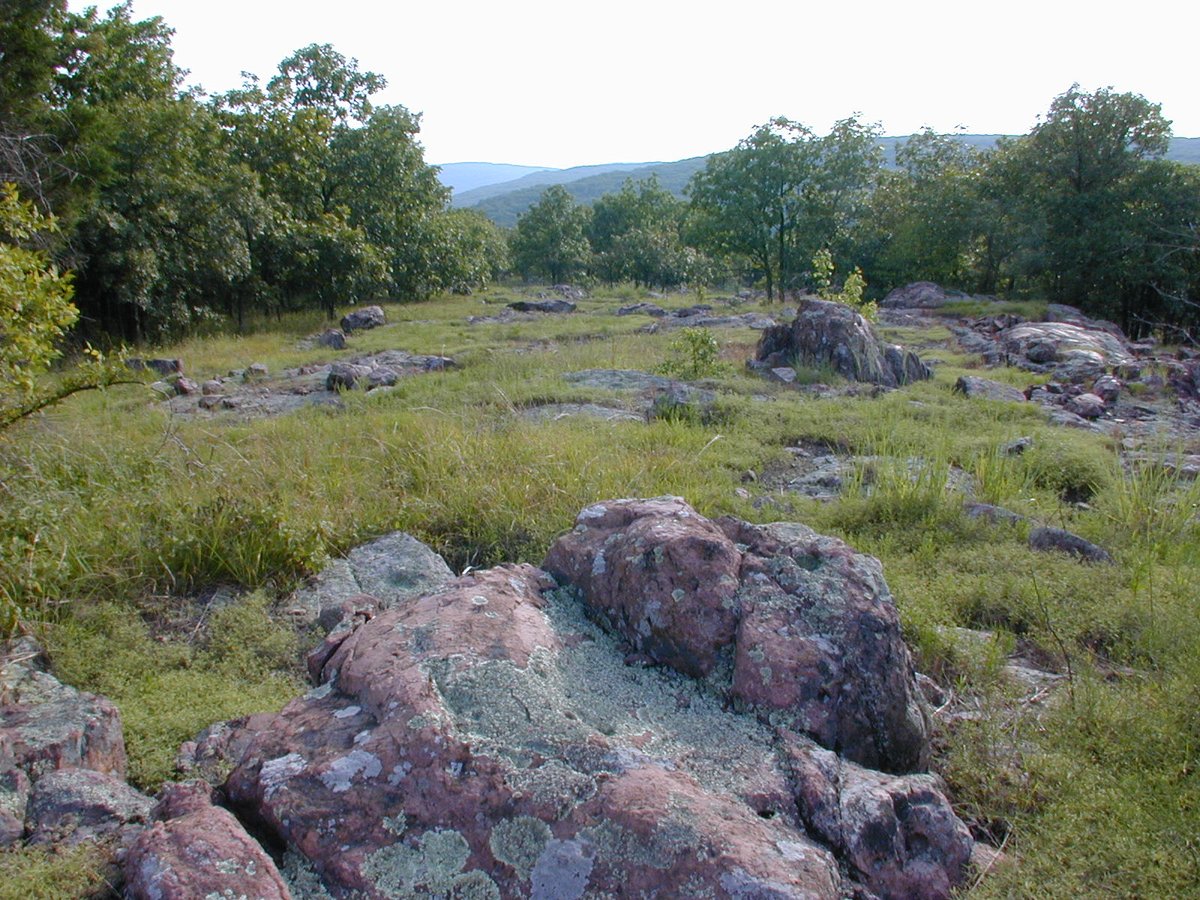
MoDNR has released a new comprehensive report about glades in Missouri. The publication provides insight about glades, where they exist in Missouri, the importance of protecting them and unveils some of their previously unknown attributes. Learn more at https://t.co/d999f3SDkD.
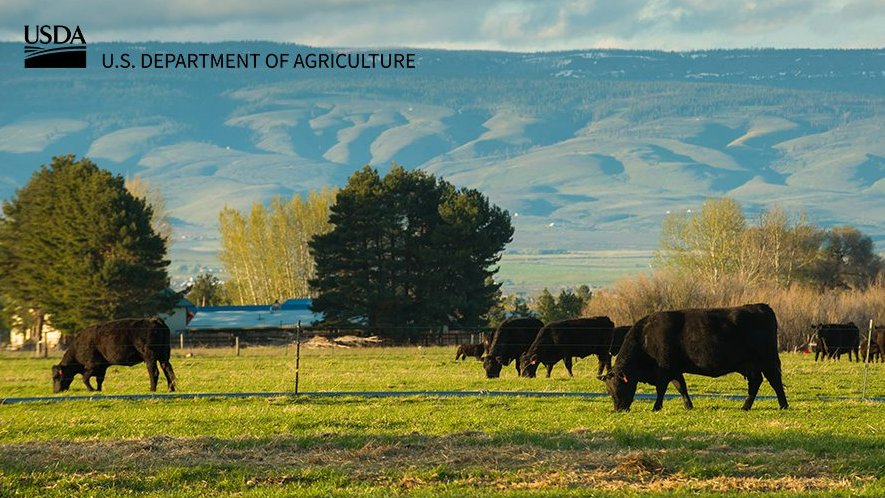
.@USDA is investing $12 million in partnerships to support producers and increase conservation on grazing lands. We're accepting proposals until 9/22. https://t.co/OuErmtul4m
Whether or not you’ve accepted the science of #climatechange, there’s enough common ground for us all to join forces on resource conservation and protection of biodiversity
NRCS’ New #ClimateChange Adaption Plan includes conservation solutions that help adapt working lands to climate change and ecosystem resiliency.
https://t.co/slEPNVDuHR
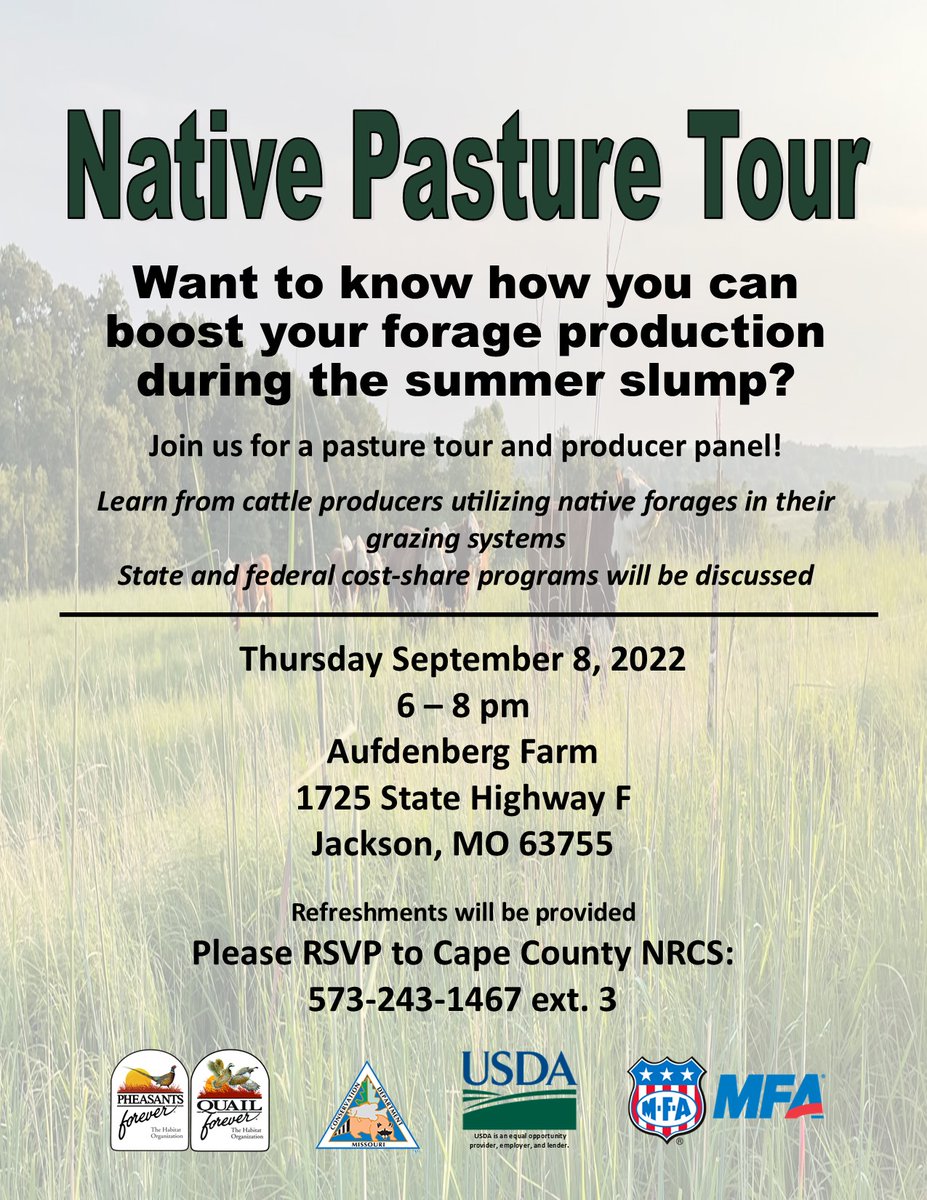
Hoping for a booming attendance at this pasture tour. The Ozarks are ready to see a landscape blanketed with native plants and regenerative farms #pasturewalk#nativepasture
This is one of a whole series of regenerative practices our landscape needs to shift to. Instead of market demand depleting our lands, it can be harnessed to regenerative them #regenerativeagriculture#marketbased#regionalconservation
Would you rather drive past rolling rangeland or suburban parking lots? Cattle producers strengthen rural economies in all 50 states. They also steward millions of acres of open land, often in areas at risk for development — but they can't do that if they're put out of business.
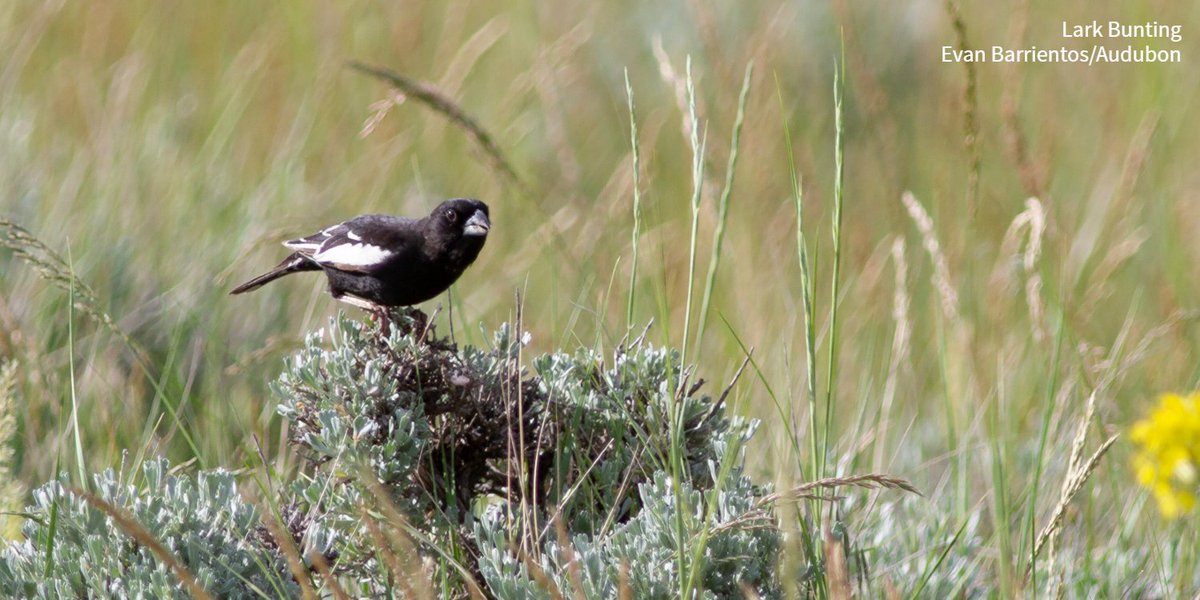
Did you know grasslands are one of the largest ecosystems globally? Hundreds of different species utilize grasslands for shelter and food, including birds during migration. You can’t help but wonder how biologists are able to keep track of where and when species migrate.
It's National Bison Day! We are approaching 7 years of bison roaming the Crane Trust property. What started as a herd of 40 animals has grown to 150, including this year's new calves.
Volunteers assisted MPF's Jerod Huebner with the planting of prairie-restricted wildflower species. The plants will provide nectar and pollen for pollinating insects, and serve as host plants for butterfly and moth caterpillars.
Read more:
https://t.co/UgUReYfTLE
STL has restored dozens of urban prairies over the past few decades. In this month's post on Natural History of Ecological Restoration, James Faupel writes about their impact on native pollinators and what it will take to keep them healthy.
https://t.co/YoJDs1FyVe
@faupel_james
Releasing our region from the resource depletion of stationary grazing is a imperative part of the shift toward regeneration. Rotational grazing can help reconcile our landscape in a win-win-win for nature, farms and people
In the planning of our interstate highway system, no forethought was given to the relationship between infrastructure and wildlife. Let’s hope the next 65 years sees a reconciliation of wildlife crossings, animal over/underpasses and turtle tunnels
TODAY IN HISTORY: 65 years ago, the nation's first interstate highway project began right here in Missouri with the groundbreaking of I-70 in St. Charles. Another historical moment for our state and our transportation system!